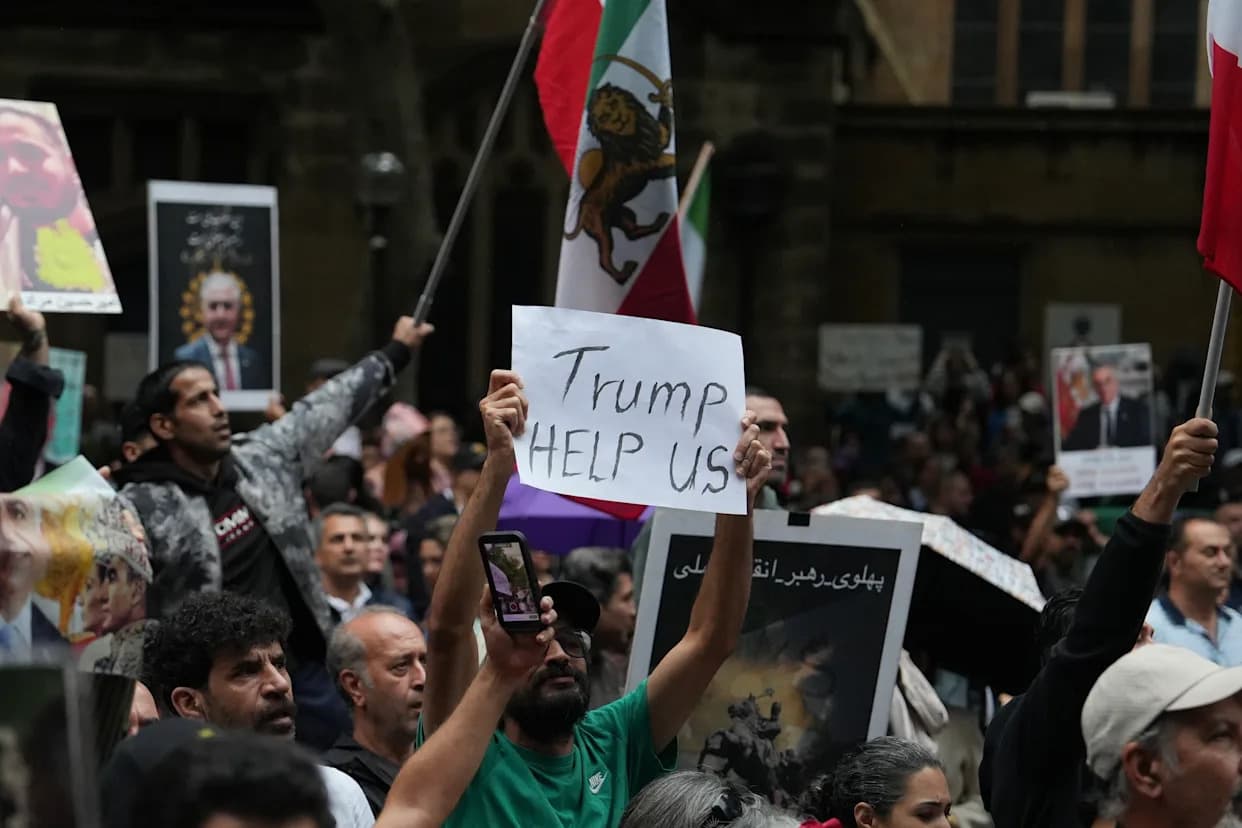
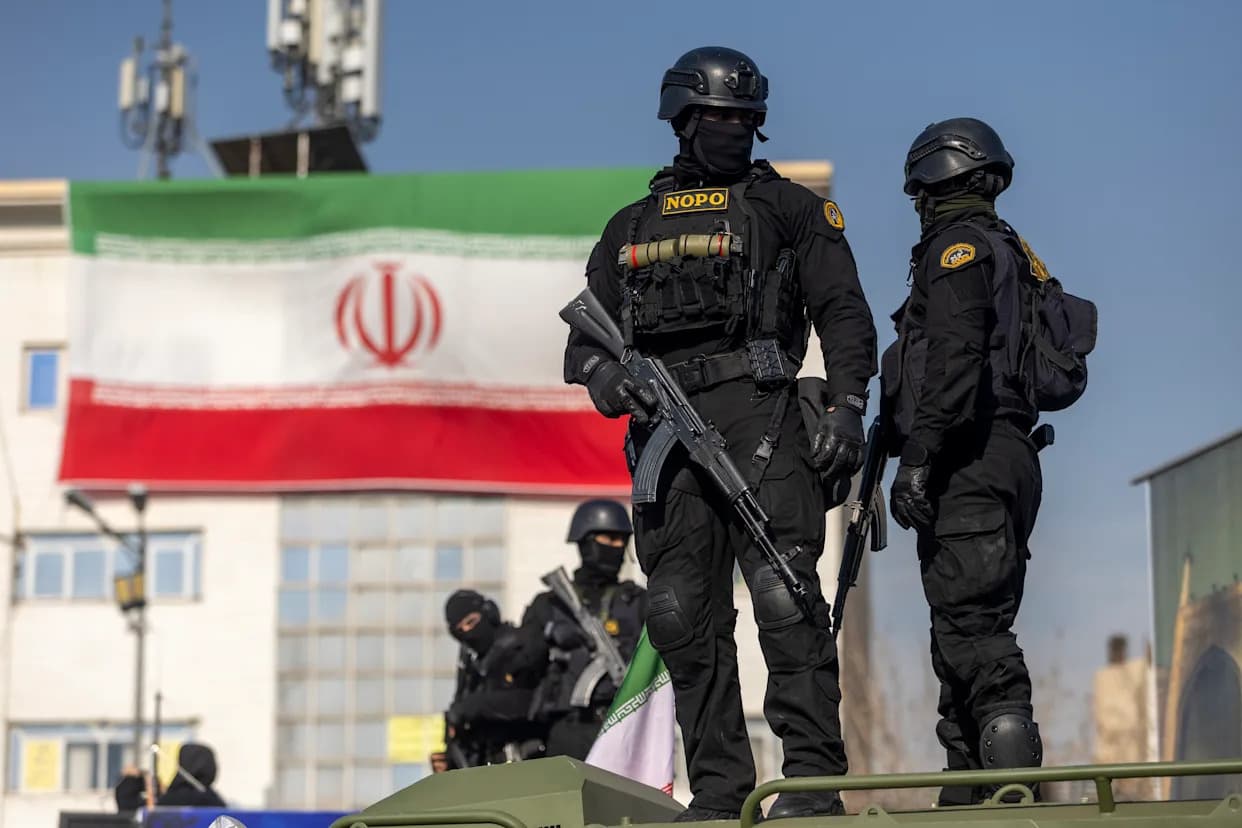
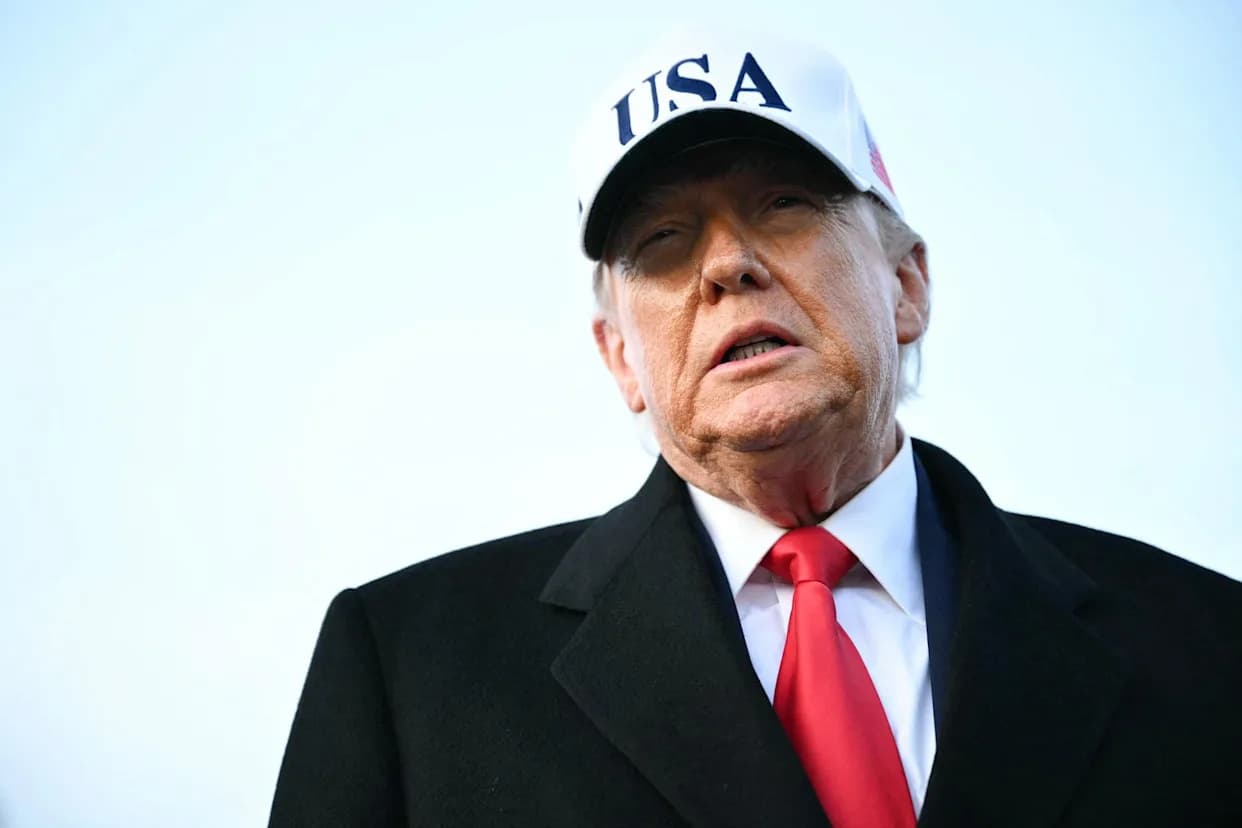
President Trump told aides he increasingly feels compelled to act after Iran’s deadly suppression of protesters, and the White House held an extended principals meeting to weigh options. Options range from targeted strikes on security-service facilities to cyber operations and sanctions, with officials emphasizing any military action would exclude ground troops. Planners cautioned that strikes could provoke Iranian retaliation against U.S. bases in the region, and Gulf allies have urged Washington to avoid escalation. Precautionary steps have been taken at some bases as deliberations continue.
Trump Says He Feels Compelled to Act on Iran as White House Weighs Risks of Retaliation
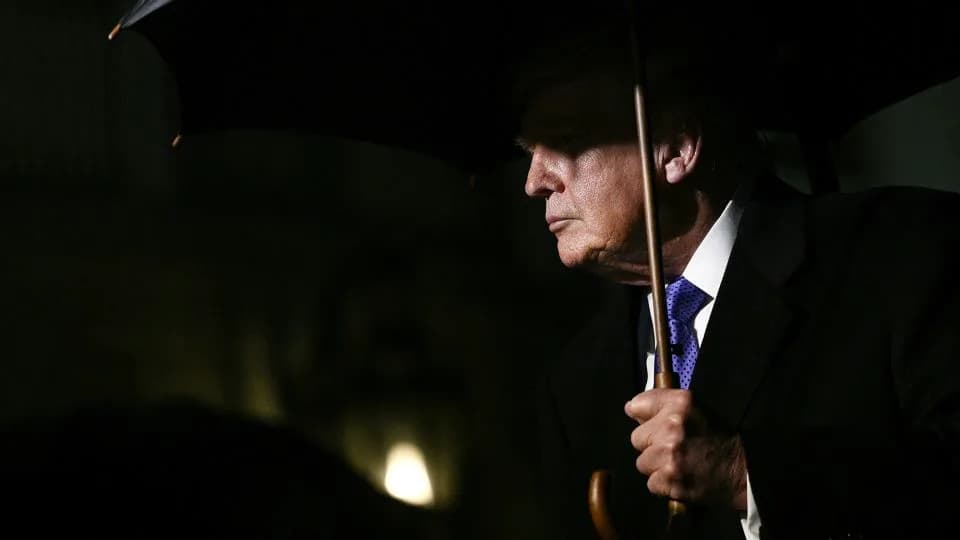
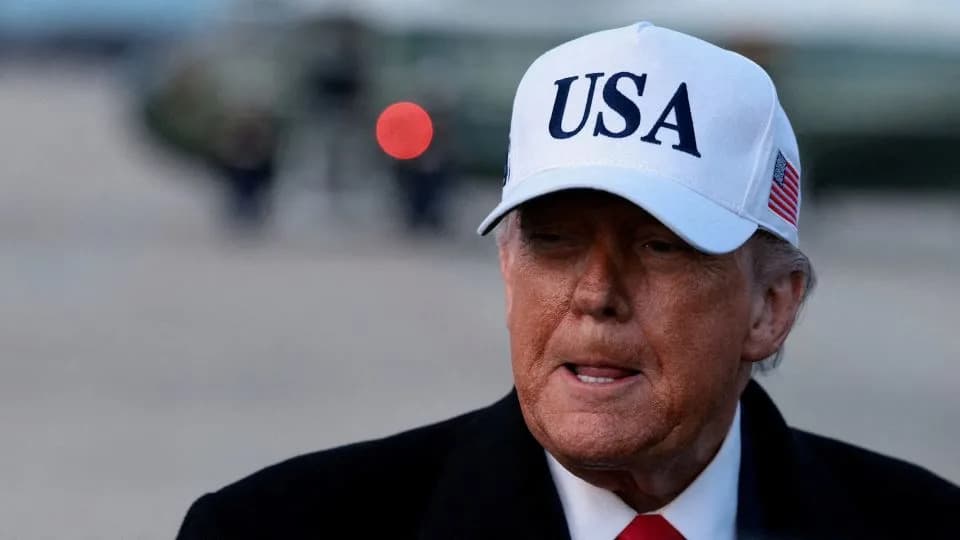
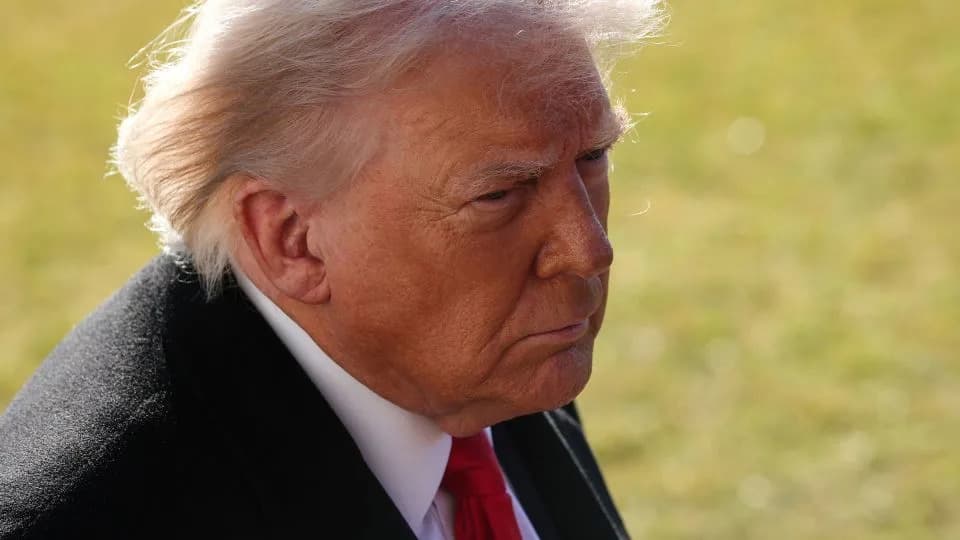
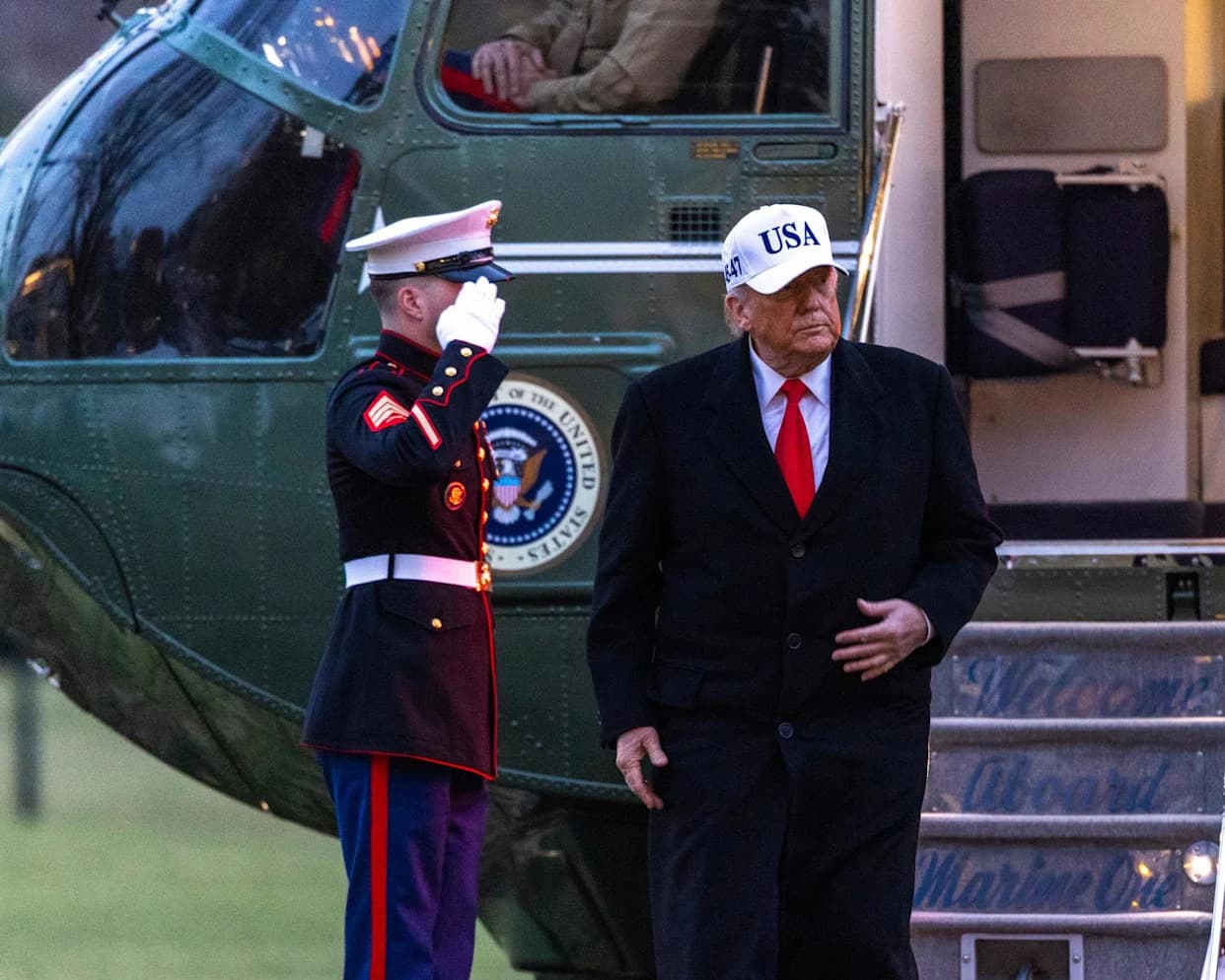
US President Donald Trump talks to reporters as he departs from the South Lawn of the White House in Washington, DC, on January 9, 2026. - Brendan Smialowski/AFP/Getty Images
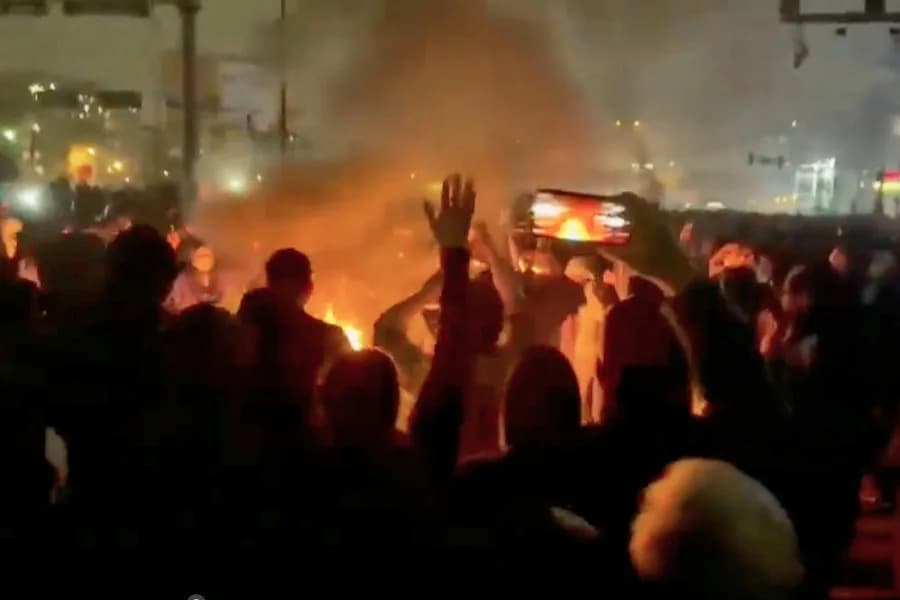
President Donald Trump, facing what officials describe as a red line of his own making after Iran's violent crackdown on protesters, increasingly believes he must take decisive action against the regime, according to people familiar with White House deliberations.
Extended Principals Meeting And Briefing
Top national security officials convened Tuesday for a principals meeting that ran more than two hours to refine a menu of options for the president. Trump, who joined the session after returning to Washington from Michigan, was briefed on the latest reported death toll in Iran and on U.S. assessments of how Tehran might continue to respond — including the risk of executions. A person familiar with the briefing said Trump was shown video shot on the ground in Iran as part of the update.
Options Under Consideration
Officials said the national security team has been divided over whether to authorize a kinetic strike. Any military action under consideration would, they emphasized, exclude the use of U.S. ground forces. Options being weighed range from targeted airstrikes on facilities tied to Iran’s security services to cyberattacks and new economic sanctions.
Risk Assessment And Regional Concerns
Deliberations have included careful assessments of the risks each option carries: planners considered scenarios in which an airstrike could go awry or trigger an outsized Iranian response, including attacks on U.S. assets in the region. Recent U.S. intelligence reporting indicates Iran is preparing possible options to target American bases, including sites in Iraq and Syria, if the United States conducts strikes, according to U.S. officials.
Officials also discussed the broader regional consequences of military escalation, including the potential for destabilization if Tehran’s government were weakened or were to collapse. Three U.S.-allied Gulf states — Saudi Arabia, Qatar and Oman — have reportedly urged Washington to avoid military action, warning that escalation could have wide-ranging consequences for the region’s security and economies.
Precautions And Military Posture
As tensions have risen, some personnel at Al-Udeid Air Base in Qatar — one of the largest U.S. installations in the Middle East, home to roughly 10,000 American troops — were advised to reduce presence as a precaution, a U.S. official told CNN. Officials described such moves as precautionary steps amid elevated tensions rather than indications of imminent operations.
Political And Psychological Factors
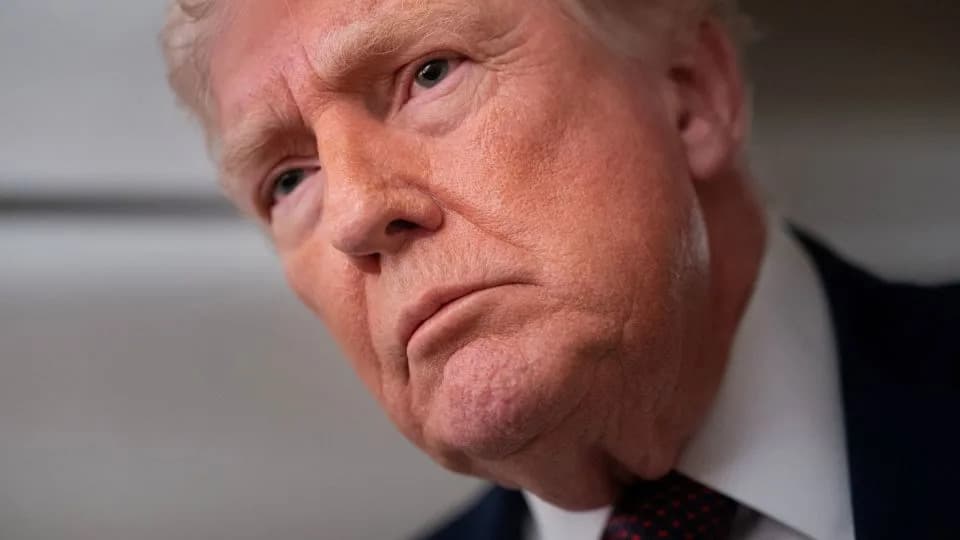
People familiar with the discussions said Trump feels politically and personally obligated to act after repeatedly threatening force over the killing of protesters. Officials say he is mindful of presidents he views as having failed to enforce red lines in the past and that this dynamic is shaping his calculus. “Part of it is that he has now set a red line, and he feels he needs to do something,” one source told CNN, adding that the president is likely to act though the precise form of action remains undecided.
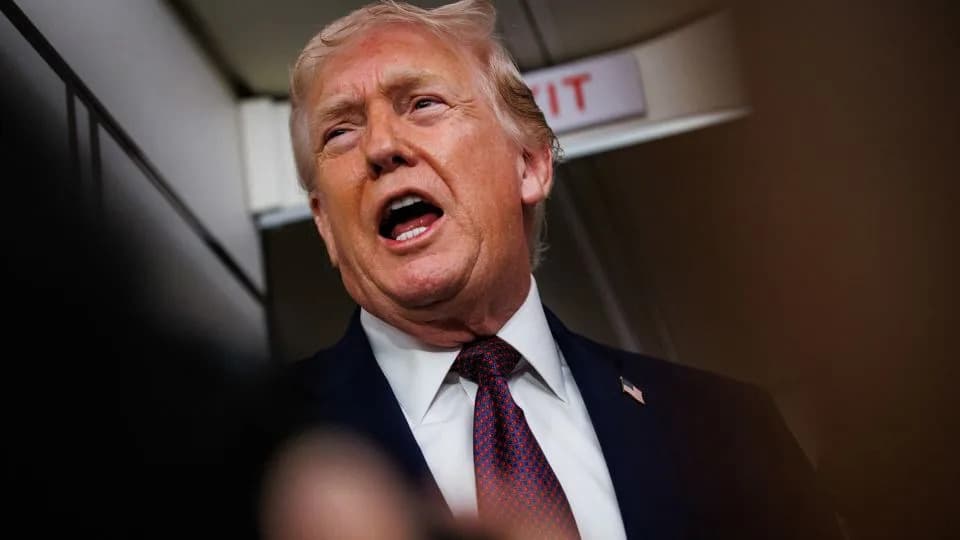
When asked about the possibility of retaliation on Tuesday, Trump told reporters: “Iran said that the last time I blew them up with the nuclear capability, which they don’t have any longer … They better behave.”
Diplomacy, Messaging And Information Access
While the White House considered diplomatic avenues in recent days, Trump abruptly suspended plans for meetings with Iranian regime figures pending an end to the crackdown on protesters, officials said. Some advisers cautioned that conciliatory messages from Tehran could be tactical efforts to avert U.S. action rather than a sign of substantive change.
Separately, Trump has asked technology leaders to bolster connectivity inside Iran amid internet shutdowns imposed by the regime. Officials said Starlink has been discussed as one potential way to provide access to users inside Iran during an information blackout.
Who Attended
According to briefing notes and people familiar with the meeting, senior national security officials attended the principals session; names reported by briefers included senior White House and national security advisers. Officials stressed that the deliberations focused on weighing options and their consequences rather than pressuring a decision.
CNN’s Zachary Cohen contributed to this report.
Help us improve.