President Trump weighed limited strikes on Iran after aides showed him video of past executions and briefed him on planned hangings, including the case of Erfan Soltani. Allies — including Israel and Gulf partners — urged restraint, and Tehran's announcement of a pause in executions prompted the president to delay military action. U.S. forces were repositioned to preserve options while intelligence warned Iran could retaliate against bases in Iraq and Syria. Officials remain divided on whether limited strikes would achieve strategic goals without escalating conflict.
U.S. Teeters on Strikes Against Iran — Trump Pauses After Allies Push for Restraint
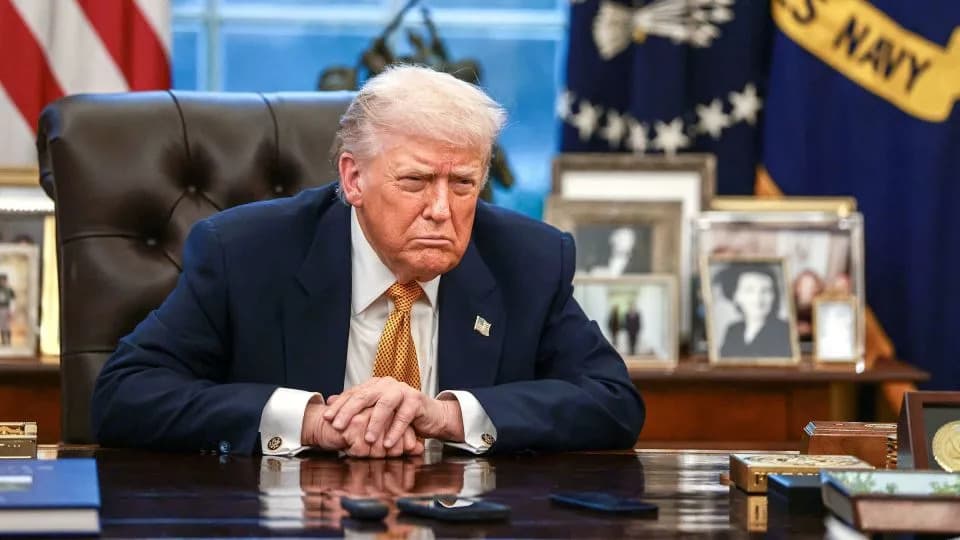
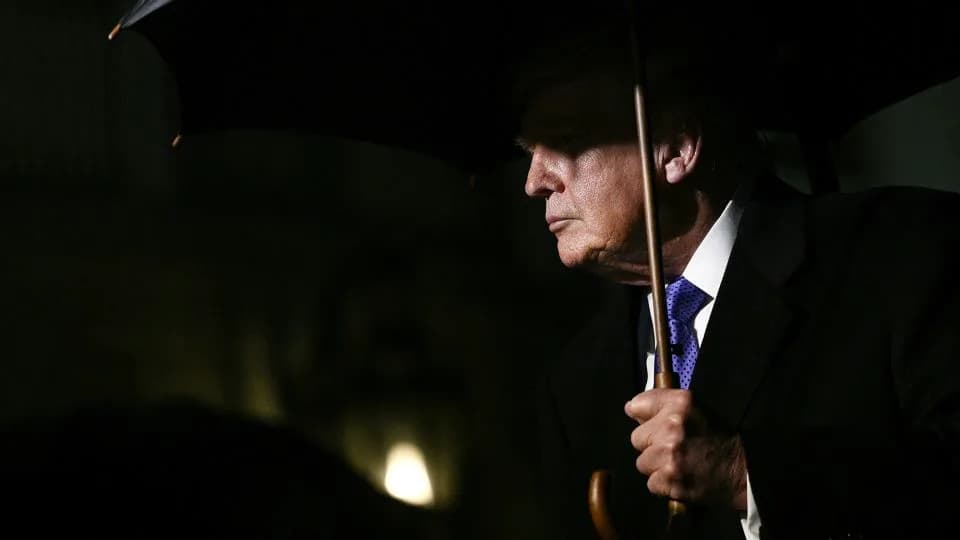
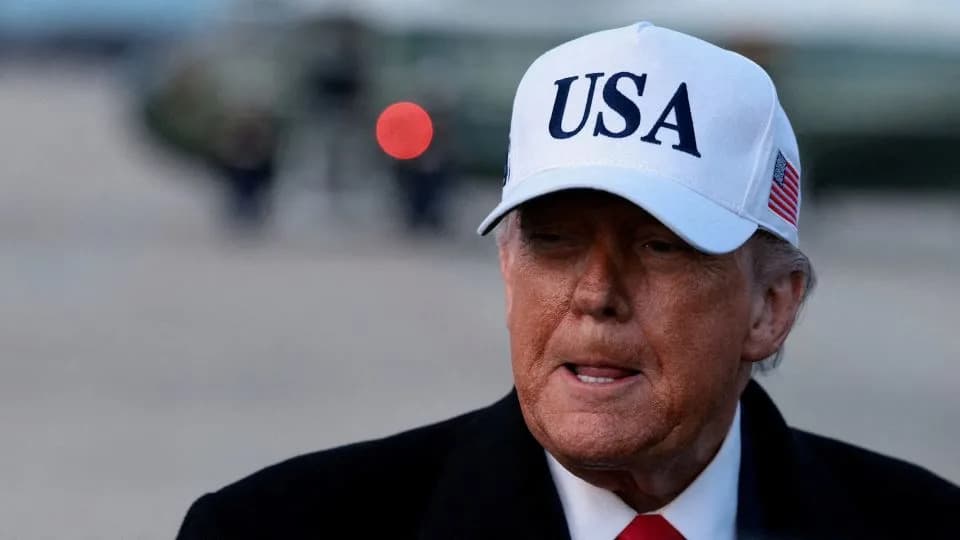
President Donald Trump is interviewed by Reuters in the Oval Office of the White House on Wednesday. - Evelyn Hockstein/Reuters
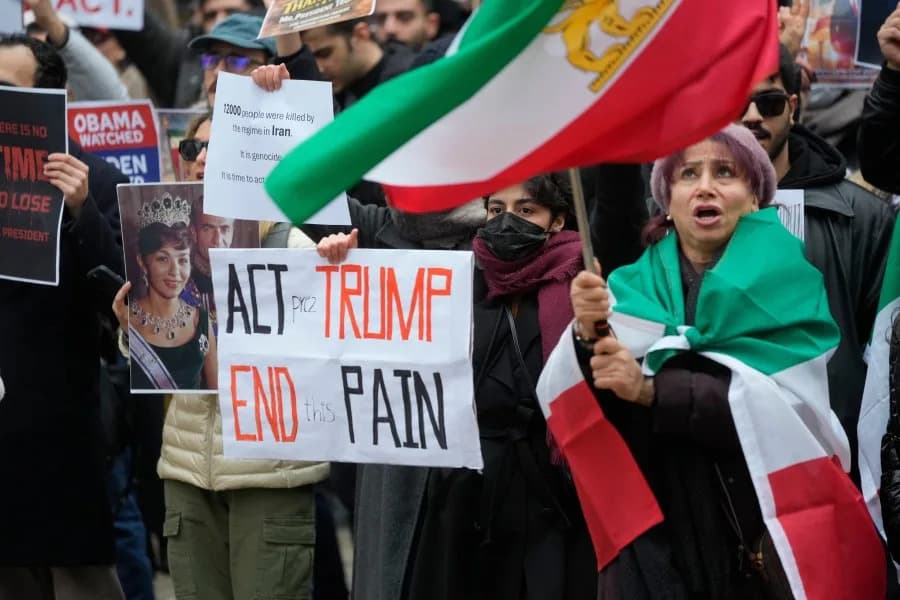
After a late-night Situation Room meeting, President Donald Trump weighed limited military strikes on Iran but ultimately held off after allies and signals from Tehran suggested executions of protesters had been paused. Senior officials were initially persuaded to consider action after viewing grisly footage of past Iranian executions and learning of a planned execution of 26-year-old Erfan Soltani.
What Happened Inside the White House
Officials who attended the briefing said the president was deeply troubled by video of public hangings and by intelligence indicating mass executions were planned. No decision was announced immediately; Trump continued to weigh options as U.S. agencies prepared contingency plans.
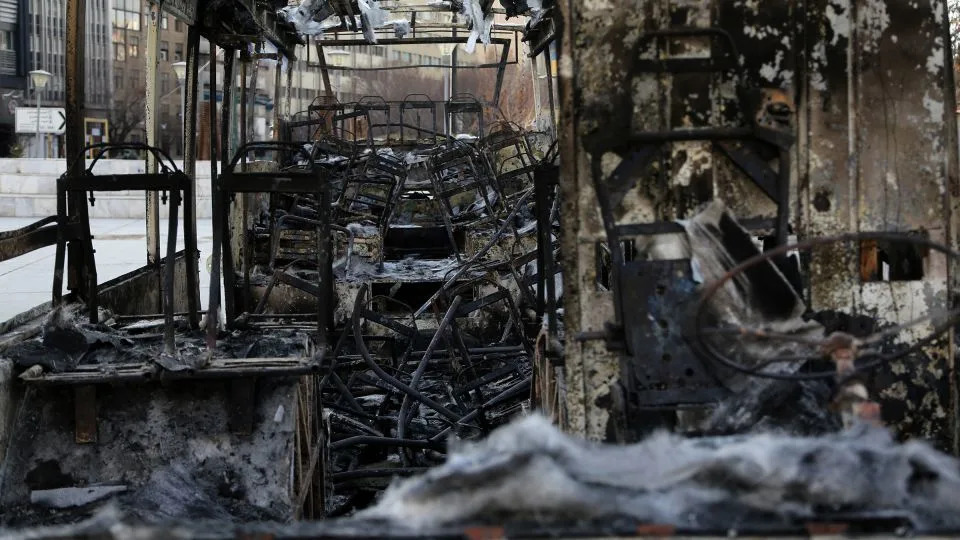
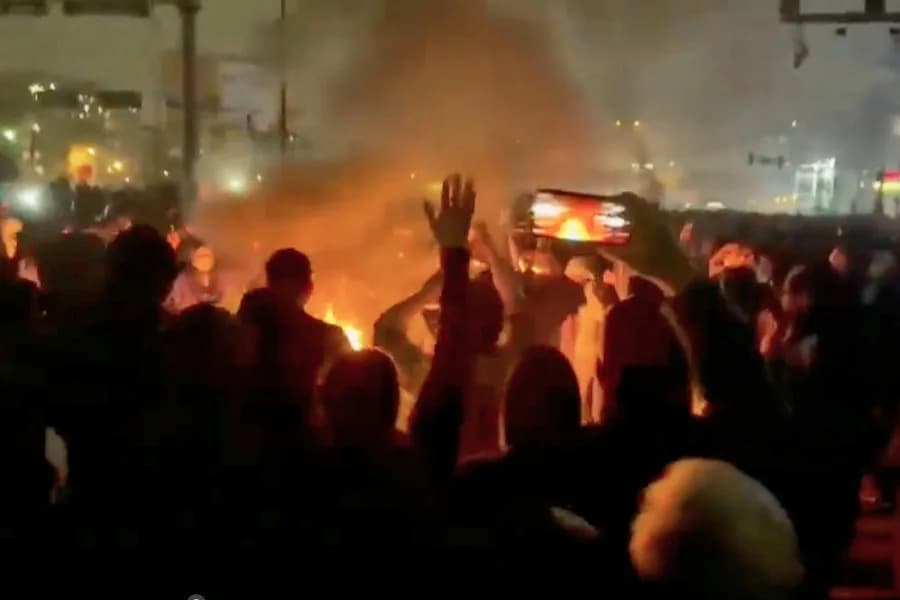
Burned municipal buses are seen in Tehran, Iran, on Thursday, following protests. - Fatemeh Bahrami/Anadolu/Getty Images
Allies Urged Restraint
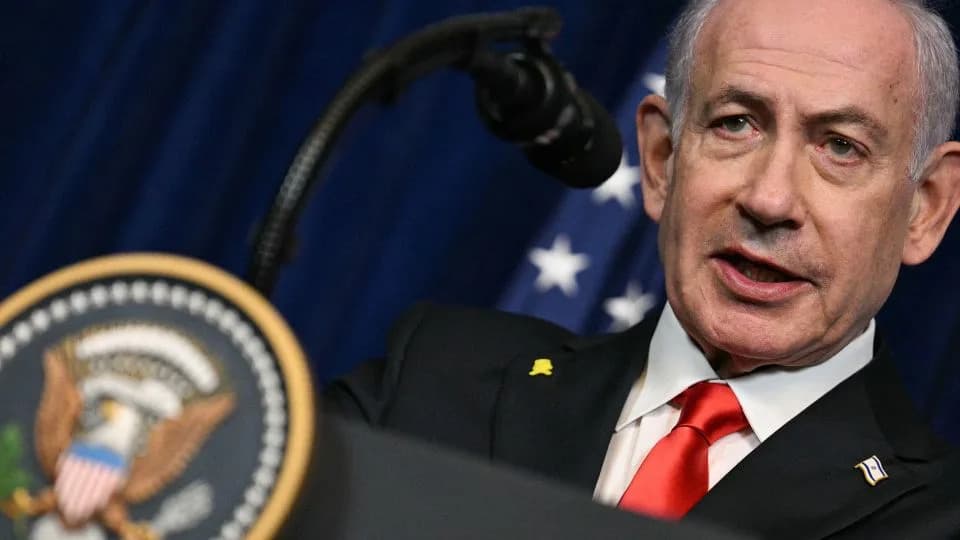
U.S. partners — notably Israel, Saudi Arabia and Qatar — pressed Washington to avoid immediate strikes. Israeli Prime Minister Benjamin Netanyahu reportedly urged caution, warning that a quick collapse of the Iranian regime was unlikely without a prolonged campaign and expressing concern about Iran's missile defenses. Gulf states and other partners also worked privately to de-escalate the situation.
Signals From Tehran And The Pause That Changed The Calculus
Administration officials said they were looking for a clear sign Iran intended to stop the killings. Iran's announcement that executions, including the highly publicized case of Erfan Soltani, would be postponed provided the signal the president sought. Trump posted on social media: 'This is good news. Hopefully, it will continue!'
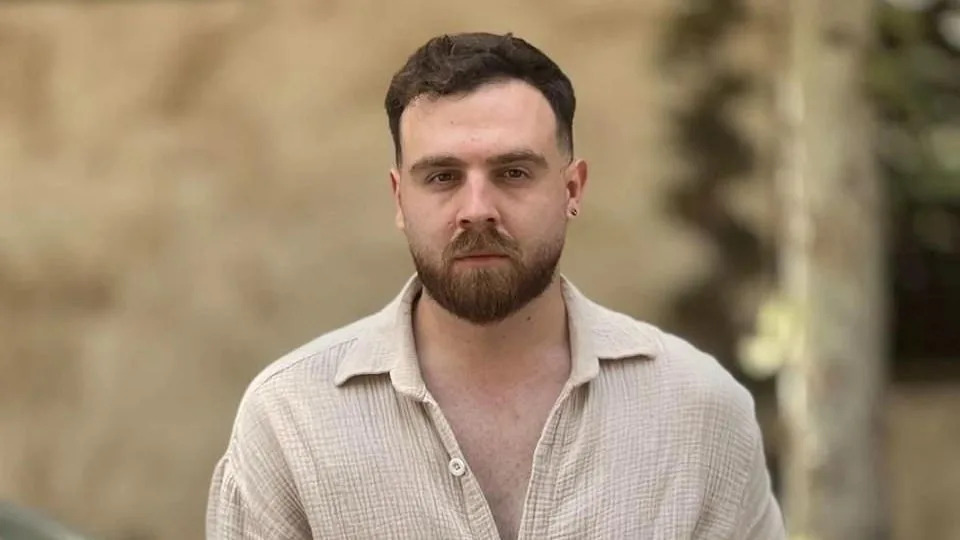
Erfan Soltani. - Hengaw
Planning, Precautions, And Continued Readiness
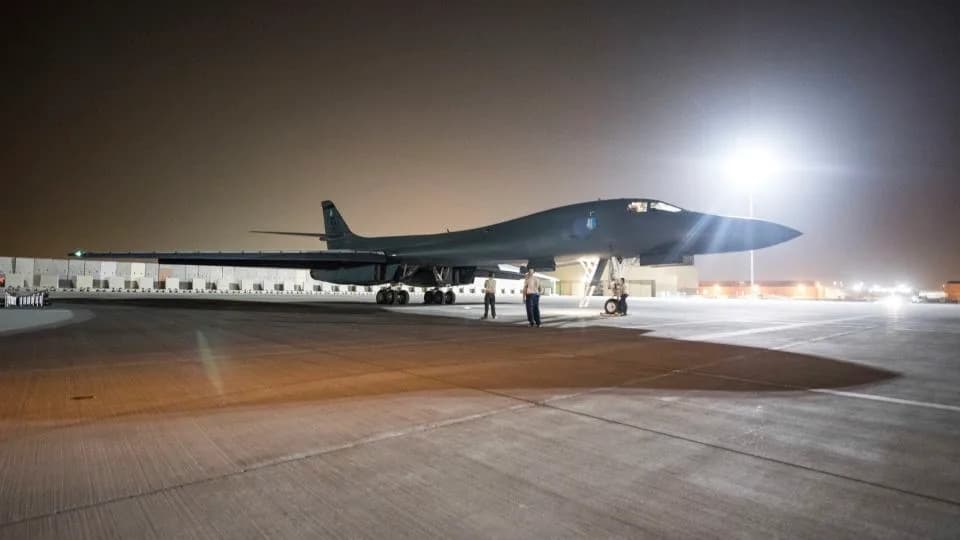
Even after the pause, U.S. forces were repositioned to preserve military options. Officials evacuated nonessential personnel from a major regional airbase and moved a carrier strike group closer to the region to signal deterrence. Intelligence assessments also warned Tehran could retaliate against U.S. bases in Iraq and Syria if strikes occurred.
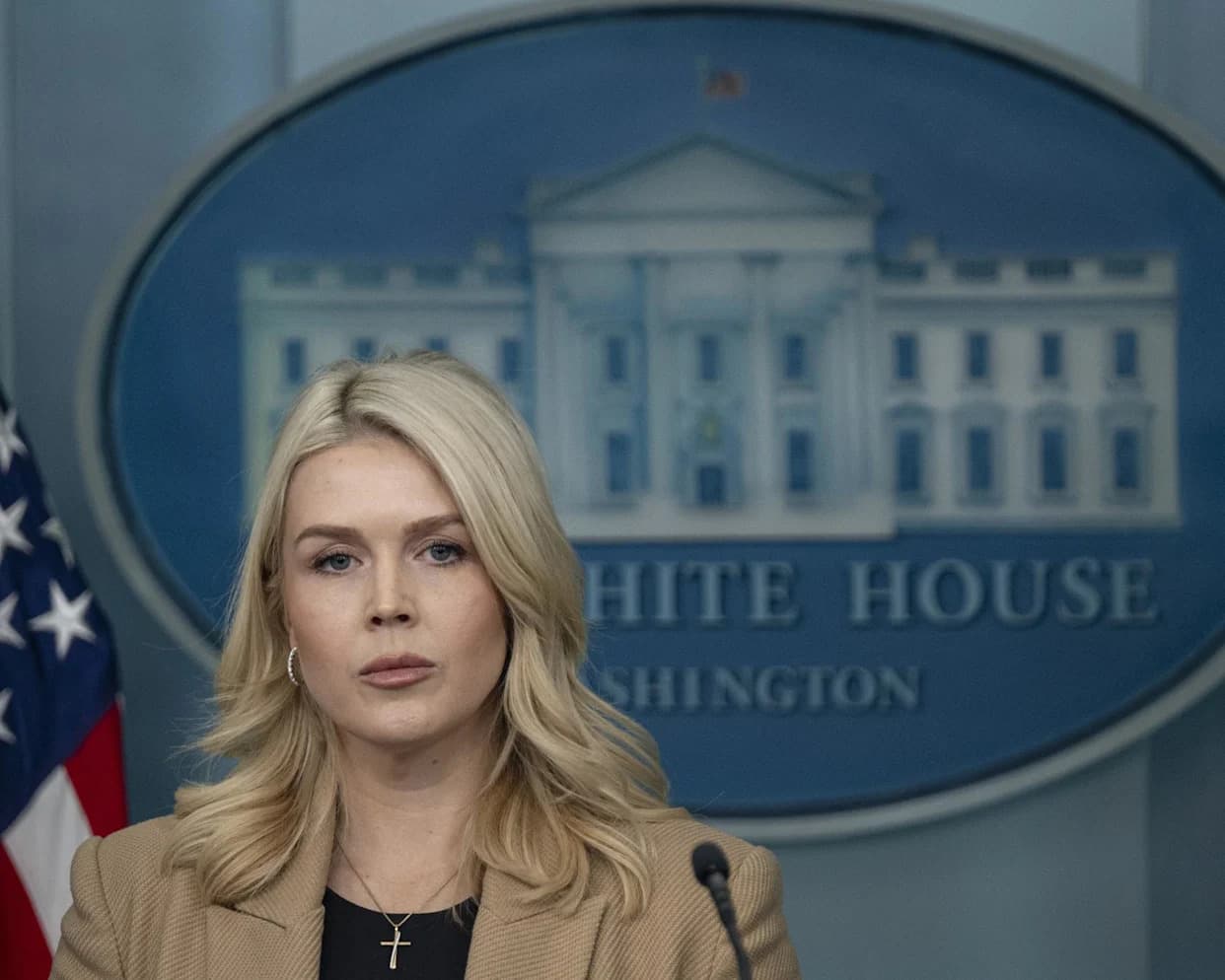
'The president and his team have communicated to the Iranian regime that if the killing continues, there will be grave consequences,' said Press Secretary Karoline Leavitt, who also noted that only a small circle of advisers is fully briefed on the president's thinking.
Why The Decision Was Fraught
Officials described a trade-off: limited strikes might avoid a wider war but also might not alter momentum on the ground or protect protesters. Many in the administration worried that military action could require an extended U.S. commitment and risk escalation, while intelligence warned of possible retaliatory attacks on U.S. forces.
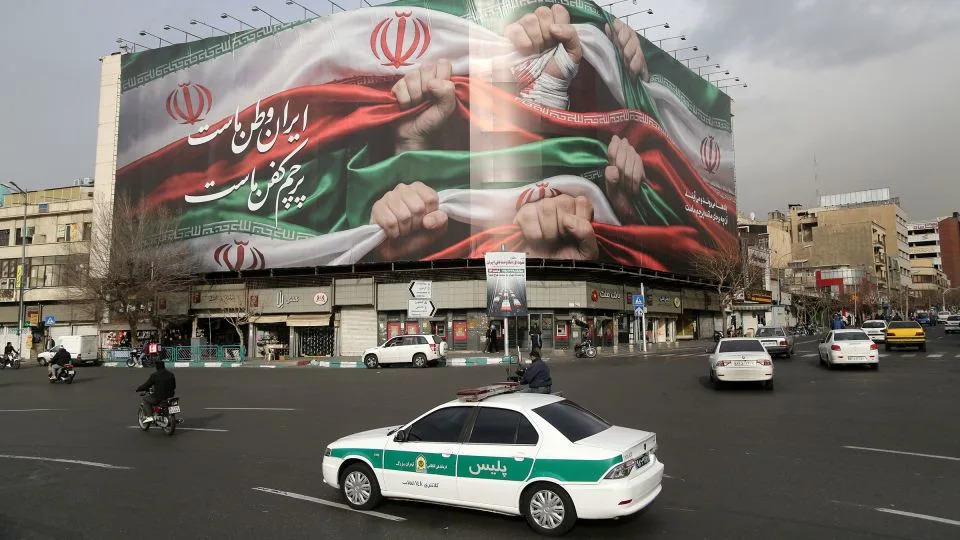
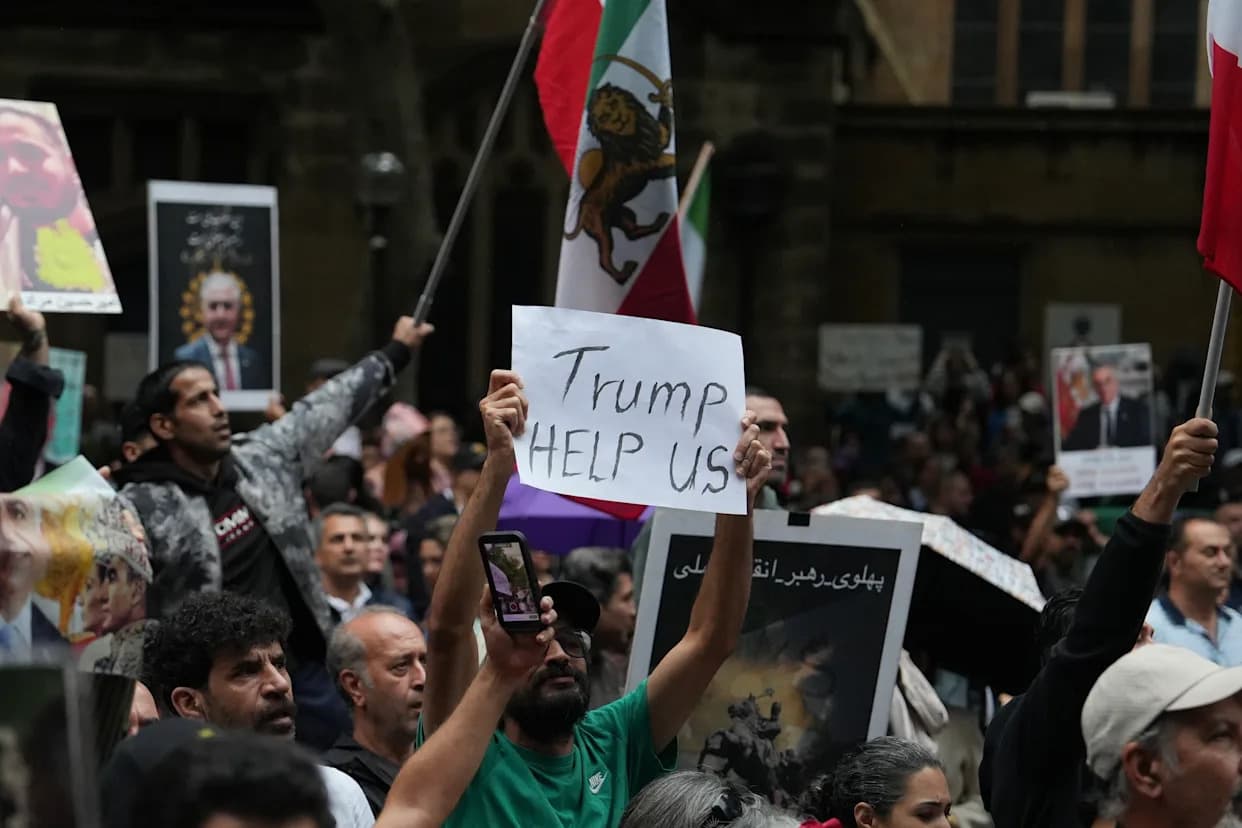
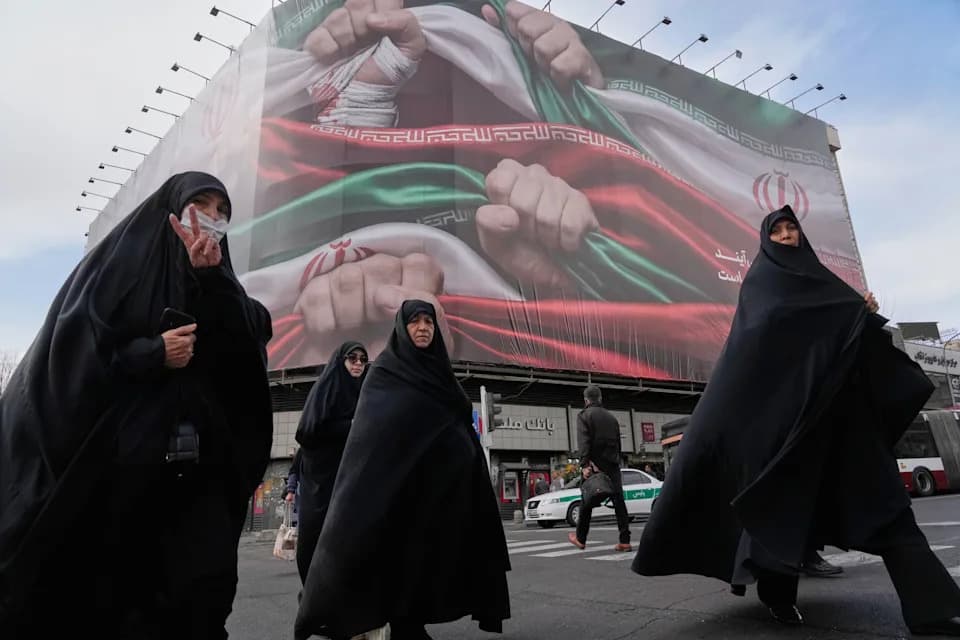
A view of giant banner featuring an image of the Iranian flag at Enghelab Square in Tehran on Thursday. - Fatemeh Bahrami/Anadolu/Getty Images
Outlook
For now, the administration's posture is cautious: military options remain on the table while diplomacy and pressure continue. The episode highlights how allied counsel, on-the-ground intelligence and Tehran's statements can quickly reshape U.S. calculations during moments of crisis.
Reporting contributed by multiple U.S. and international sources.
Help us improve.