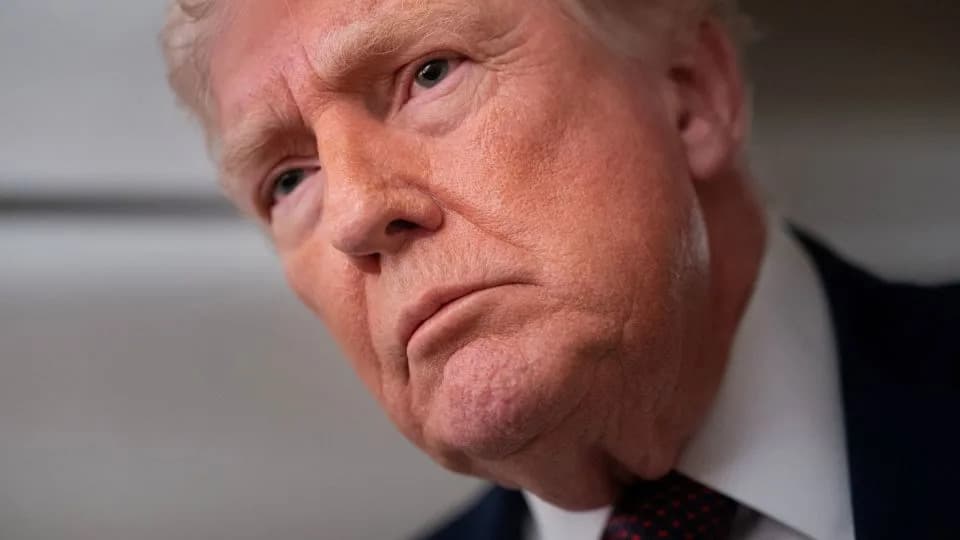
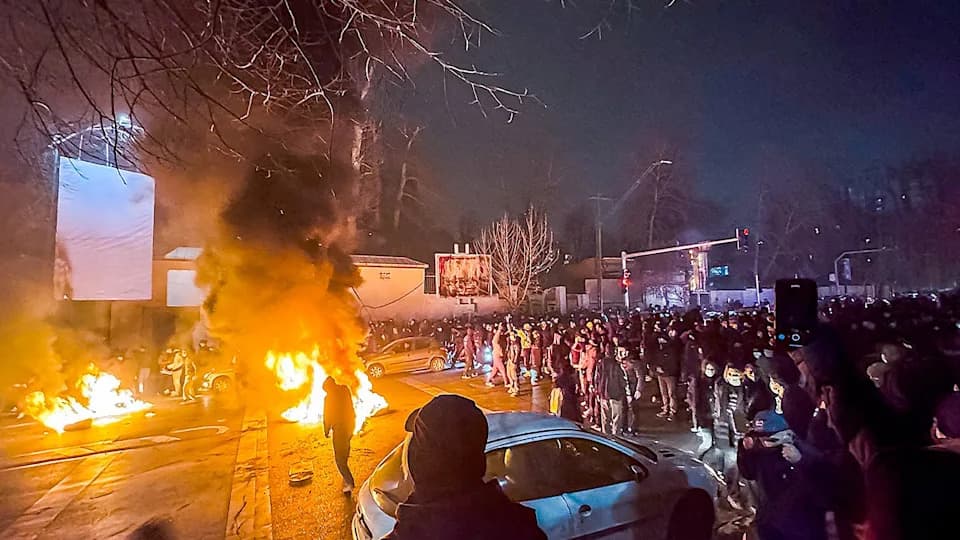
President Trump warned of “very strong action” if Iran executes detained protesters and urged U.S. citizens to evacuate the country. His recent interventions — including one-day strikes on Iran’s nuclear sites and a rapid operation aimed at Venezuela’s Nicolás Maduro — have produced only modest and often weak public support. Multiple polls show Americans prefer ending involvement quickly, fear escalation and doubt the strikes improve U.S. security. Further military steps risk alienating a public increasingly inclined to avoid overseas entanglements.
Trump Threatens “Very Strong Action” on Iran as Public Grows Wary of More Military Interventions
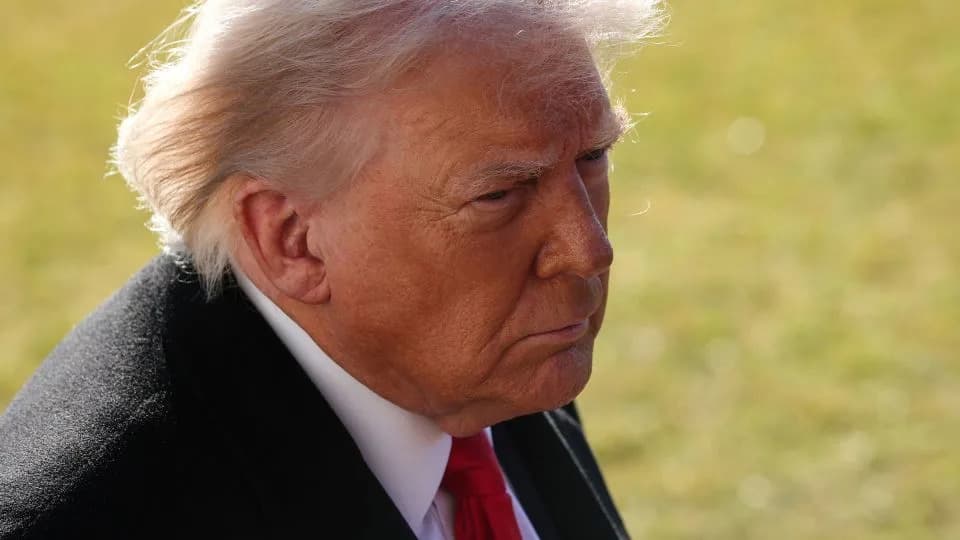
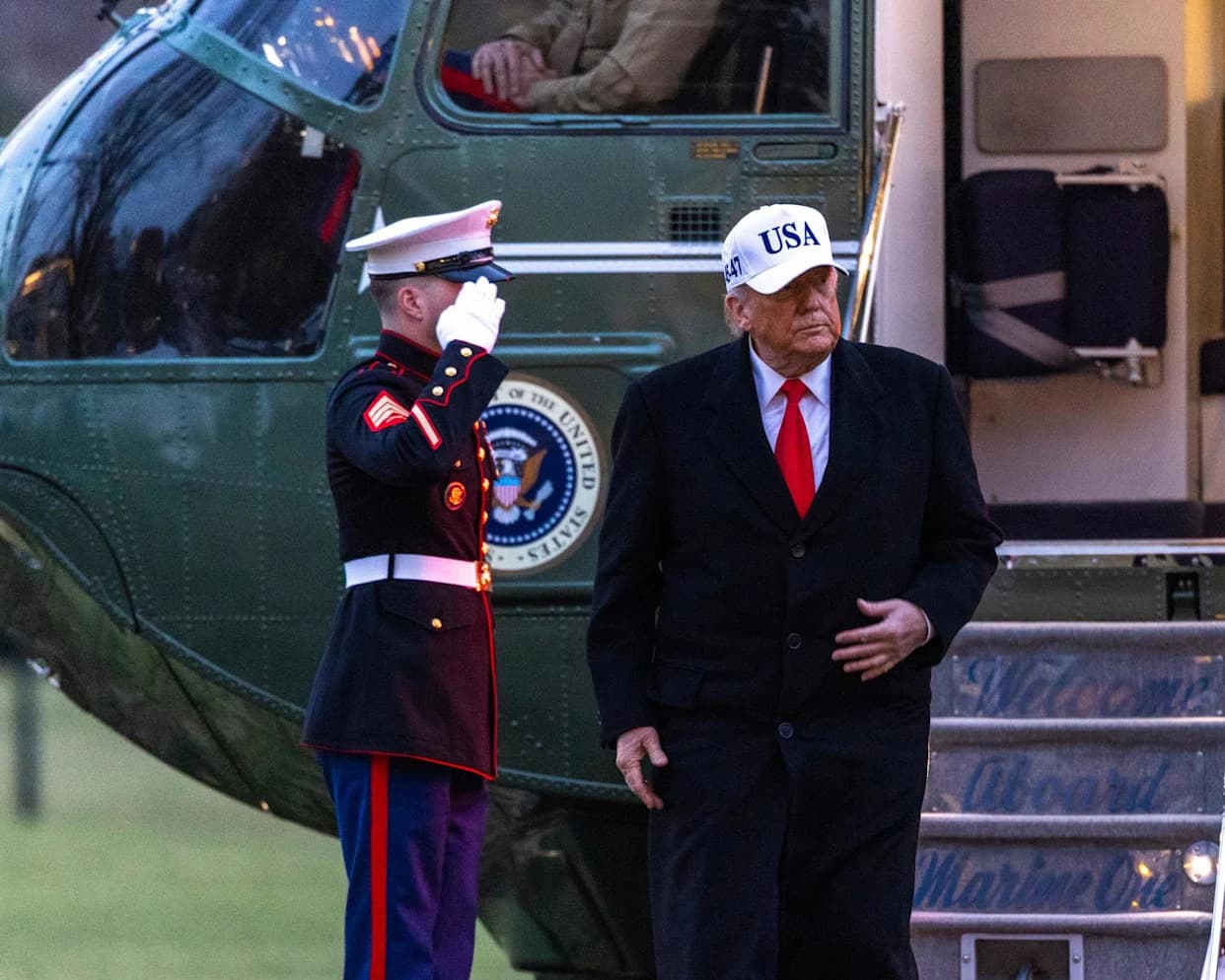
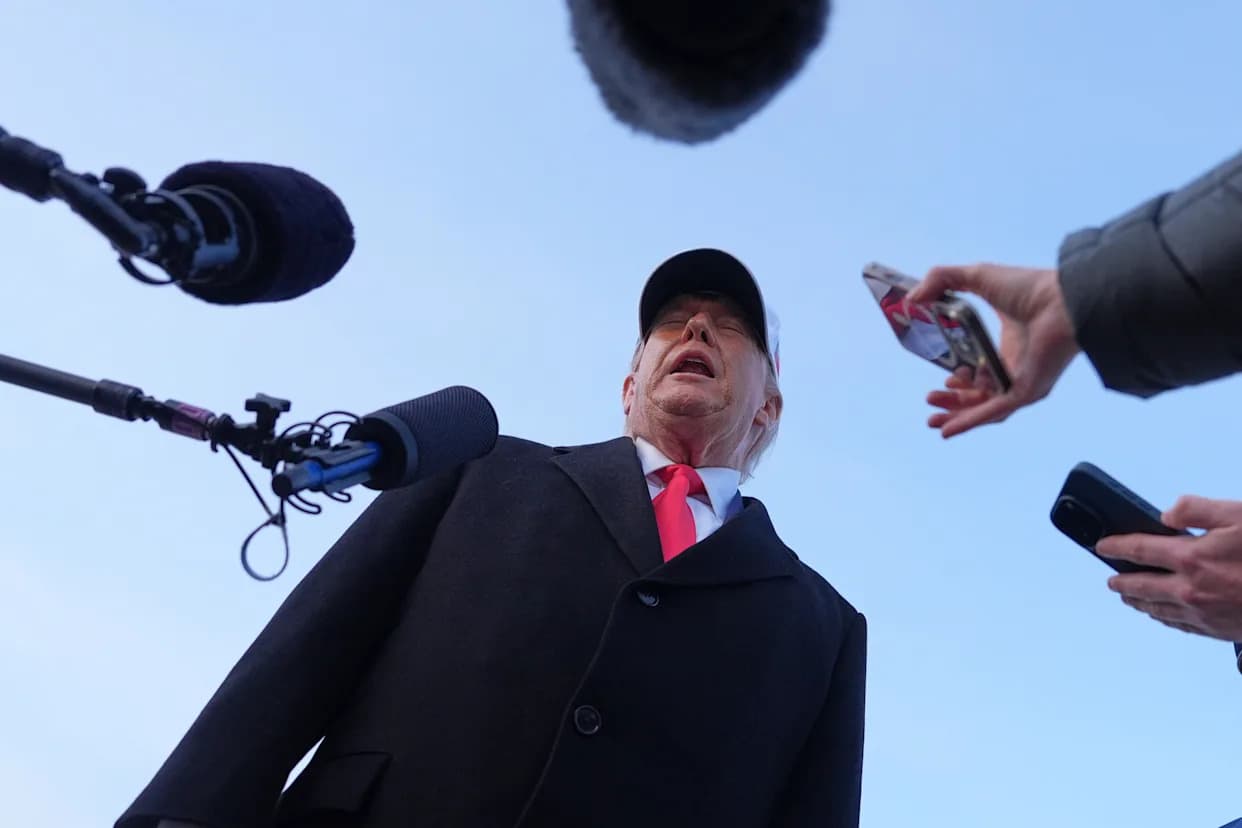
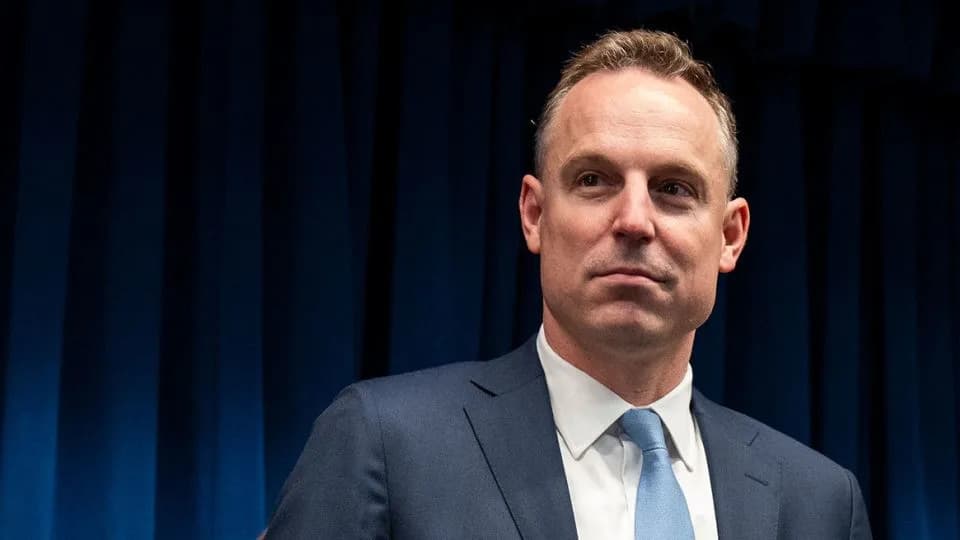
President Donald Trump departs the White House on Tuesday. - Win McNamee/Getty Images
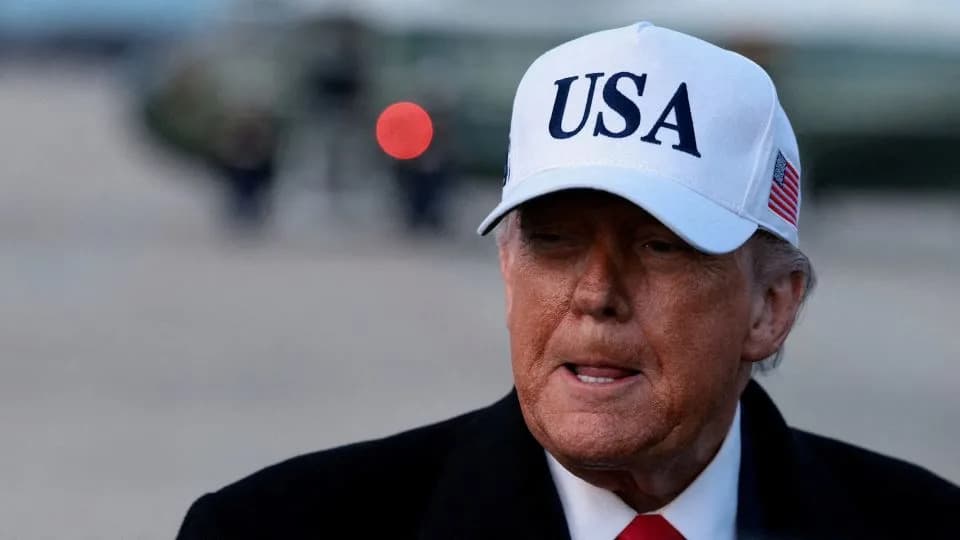
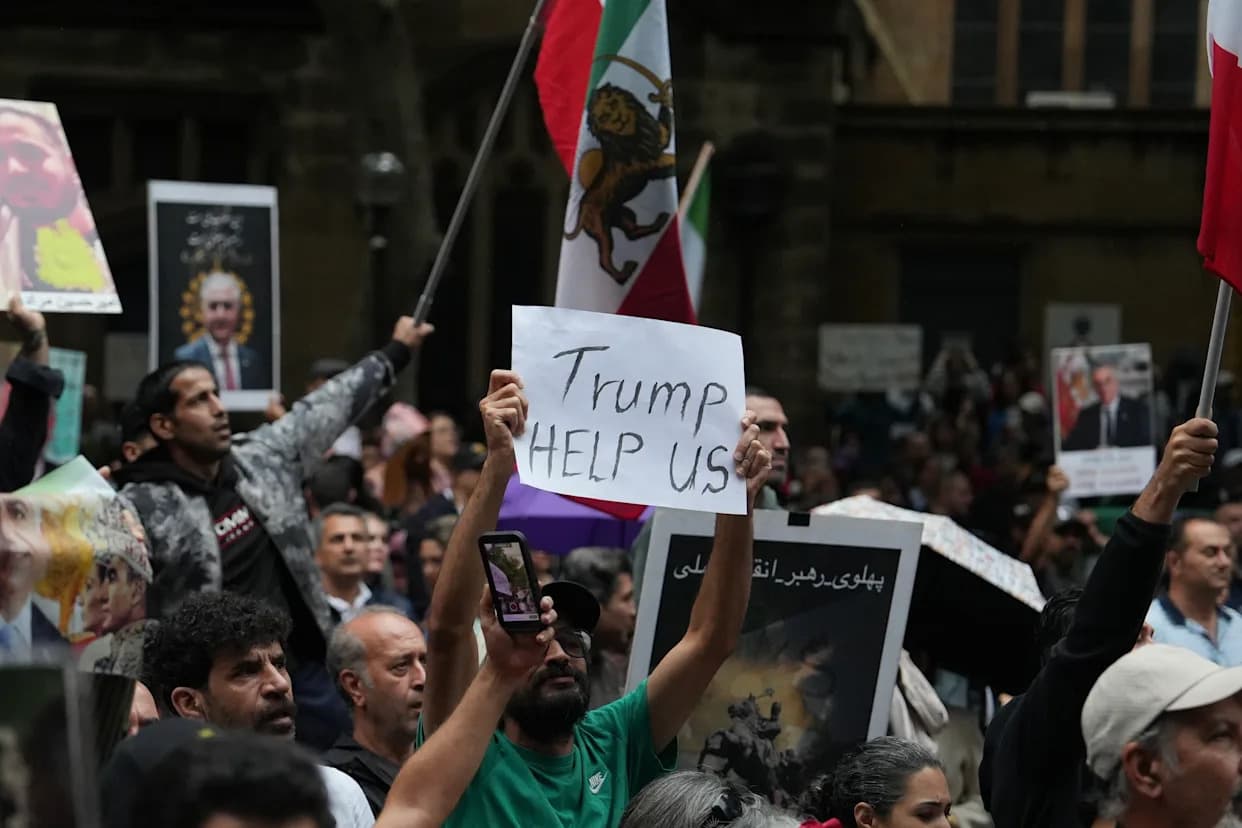
President Donald Trump on Tuesday appeared to renew threats that he might authorize military measures against Iran amid ongoing unrest and the detention of demonstrators.
In a televised interview with CBS News, Mr. Trump warned of “very strong action” if Iranian authorities execute detained protesters. Earlier the same day he said he was canceling meetings with Iran’s leaders until the killings stop, told protesters in all caps that “HELP IS ON ITS WAY,” and later declined to spell out what that meant, saying:
“You’re going to have to figure that one out.”
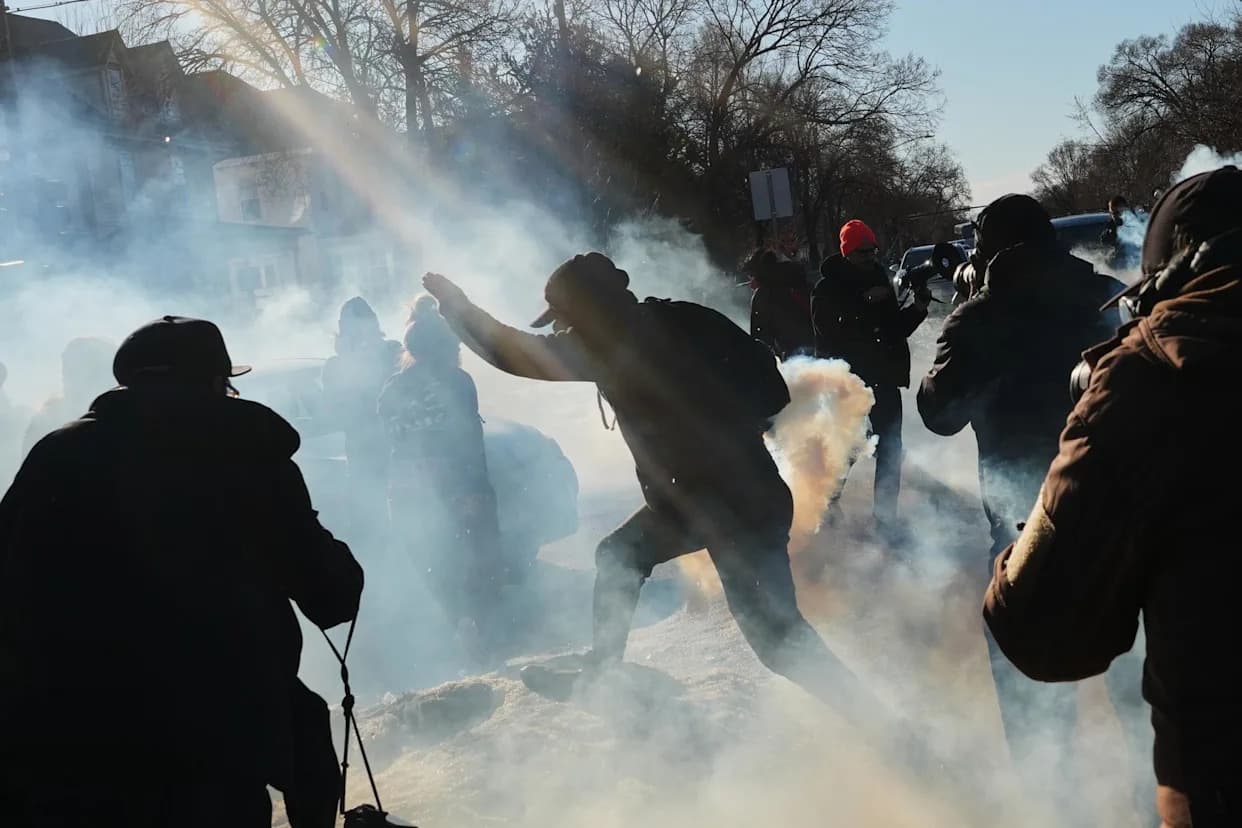
A U.S.-based human rights organization now reports that more than 2,400 people have been killed in the unrest. Mr. Trump also urged U.S. citizens and those of allied countries to evacuate Iran.
Short, High-Impact Interventions
Mr. Trump has pursued a more assertive foreign policy in recent months, but many of his actions have been limited in duration. The strikes on Iran’s nuclear sites last June were carried out over a single day, and the recent rapid operation aimed at ousting Venezuelan President Nicolás Maduro earlier this month was similarly brief.
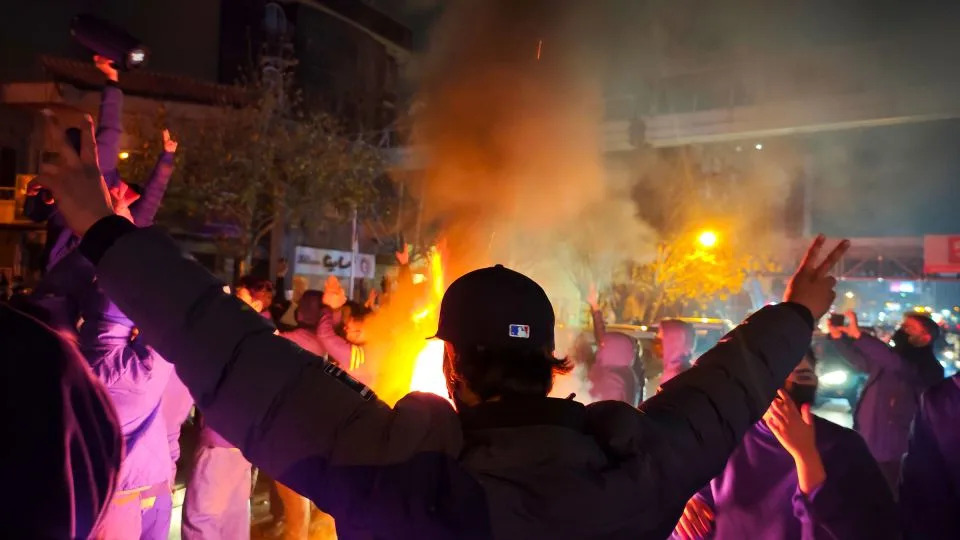
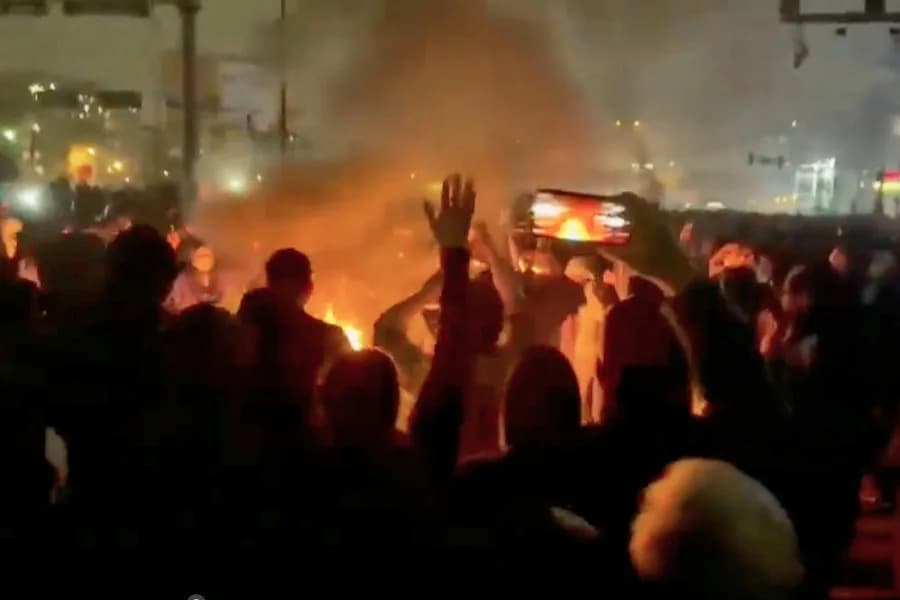
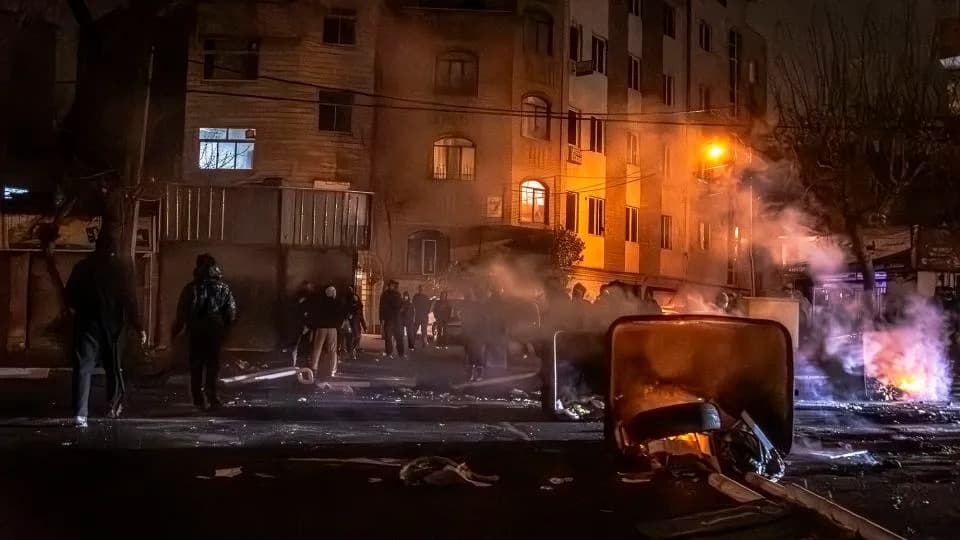
Fires are lit as anti-government protesters rally in Tehran on January 8. - Getty Images
That limited scope may have helped the administration avoid a decisive political backlash at home, especially given long-standing American skepticism about prolonged foreign military involvement. But repeated threats and new interventions risk deeper entanglements and political costs.
Public Opinion: Tepid Support, Strong Anxiety
Polls taken after the Iran and Venezuela actions show mixed reactions and underscore warning signs for Mr. Trump: support has often been modest and rarely enthusiastic. A June CNN poll found 44% of Americans approved of the Iran strikes but only 20% approved “strongly”; among Republicans, 44% said they strongly approved. A Washington Post survey conducted after the Venezuela operation found 40% approval overall, with just 21% approving “strongly,” and 45% of Republicans indicating strong support.
A Reuters-Ipsos poll taken shortly after the Iran strikes found 36% supported the action while 45% opposed it. When asked whether the U.S. should “immediately” end involvement in Iran, respondents favored ending it by a 55%–25% margin; Republicans were split (42% for immediate withdrawal vs. 40% opposed).
Surveys also revealed widespread public anxiety about escalation and blowback: 84% said they were concerned the conflict could grow (51% “very” concerned), 79% worried Iran might target U.S. civilians in retaliation, and 60% said they did not believe the strikes made the country safer.
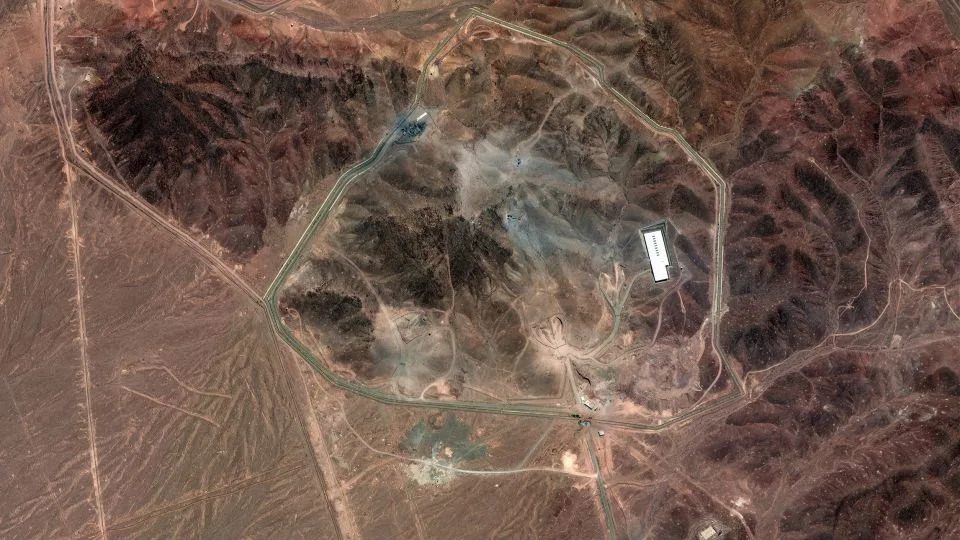
This satellite image shows the Fordow nuclear facility in Iran on June 24, 2025, a day after US strikes on the facility. - Maxar Technologies
Polling after the Venezuela action showed similar caution: 72% of Americans worried the U.S. would become too involved, and only 29% supported taking control of Venezuela’s oil fields. A CBS News–YouGov poll found just 35% expected the strikes to reduce the flow of drugs to the U.S., and 38% favored further military action if Caracas did not cooperate.
Broader Trend: Desire To Avoid Entanglement
These results echo longer-term polling that shows many Americans prefer avoiding overseas entanglements unless absolutely necessary. The share of people who say the U.S. should “stay out” of world affairs is near a decades-long high, and roughly six in 10 respondents say it is better for the nation to stay out of other countries’ affairs.
Why It Matters
If the president opts for further strikes in Iran, he would face a difficult political calculation: persuading a skeptical public that military action is essential while avoiding a lengthy commitment that could erode support. With each additional step toward deploying U.S. forces abroad, Mr. Trump tests public patience—and current polling suggests that patience is limited.
For more news and newsletters, create an account at CNN.com.
Help us improve.