Widespread protests across Iran have escalated into a deadly confrontation with the Khamenei government, with thousands detained and contested casualty counts. President Trump has alternated between threats, economic pressure and diplomatic engagement, while exiled leader Reza Pahlavi urges early intervention and offers to lead a transitional government. The Islamic Revolutionary Guard Corps' regional ties to proxies like Hezbollah and Hamas complicate any U.S. action, which also risks entanglement with Russia, China and concerned Arab states. Decisionmakers now face a high-stakes choice between intervention and containment.
Trump's Iran Dilemma: Act Now Or Lose The Moment
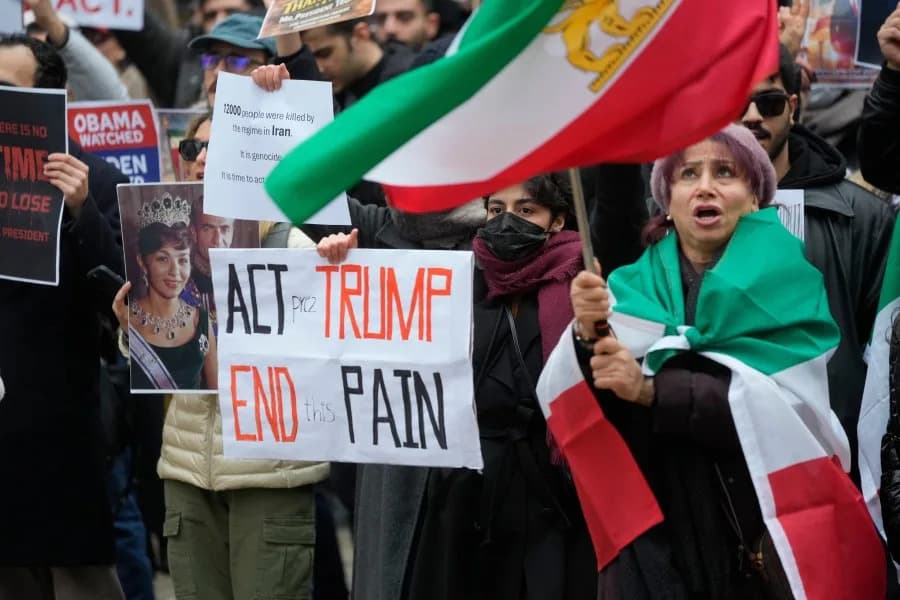
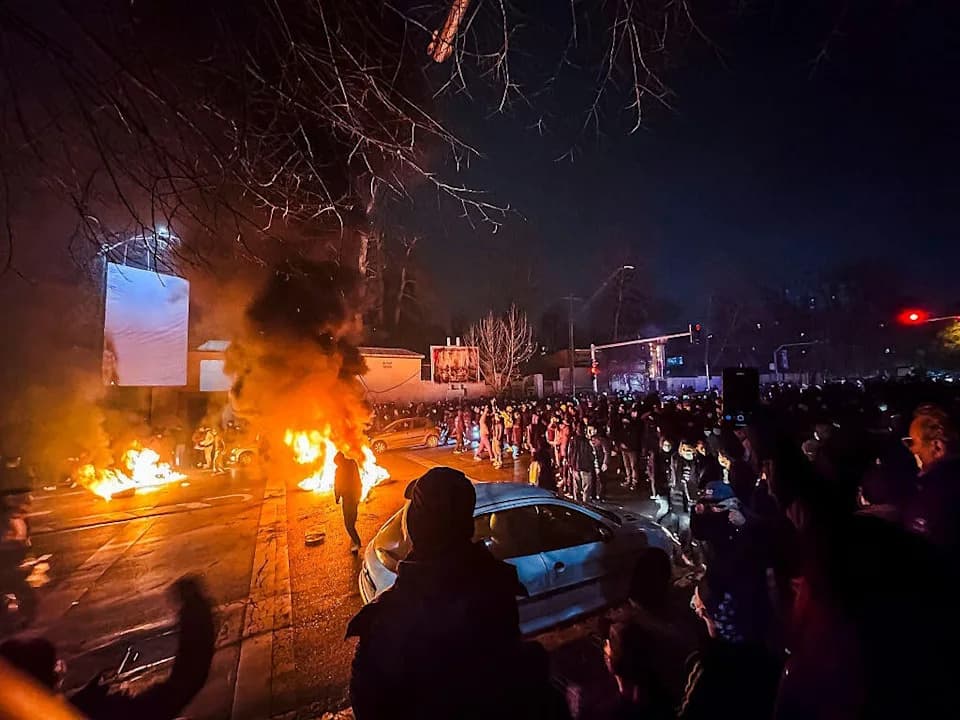
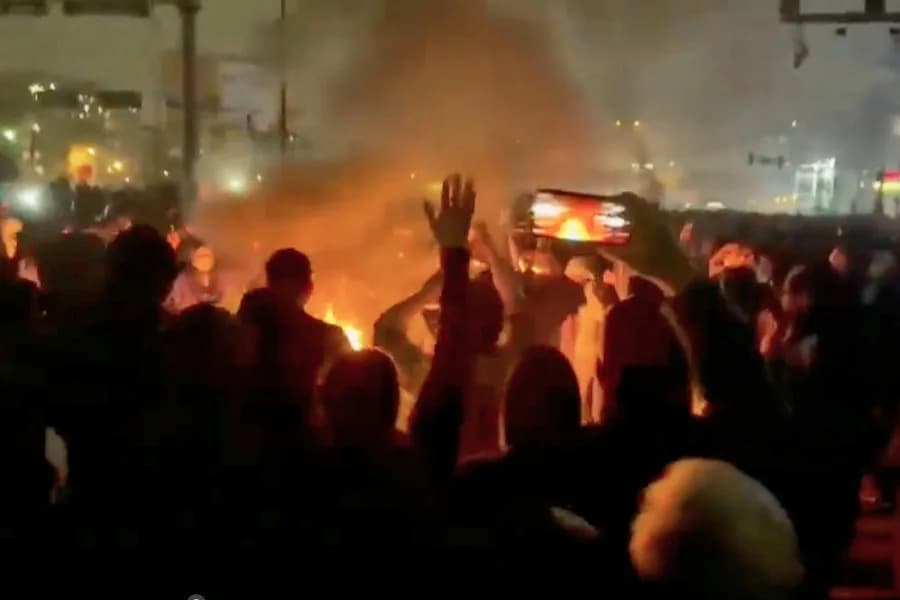
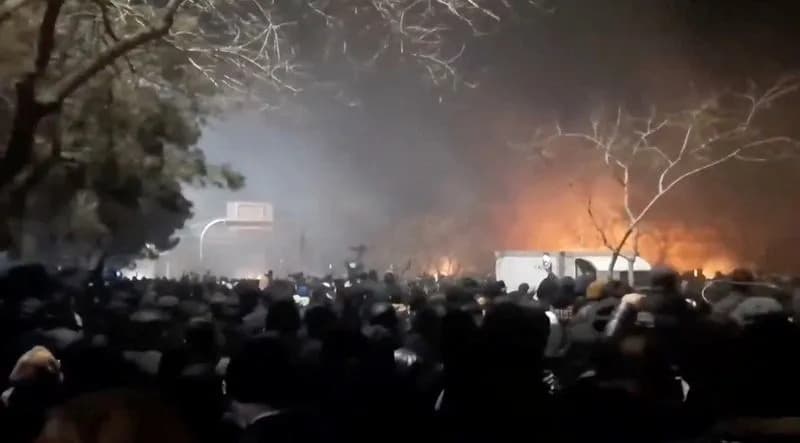
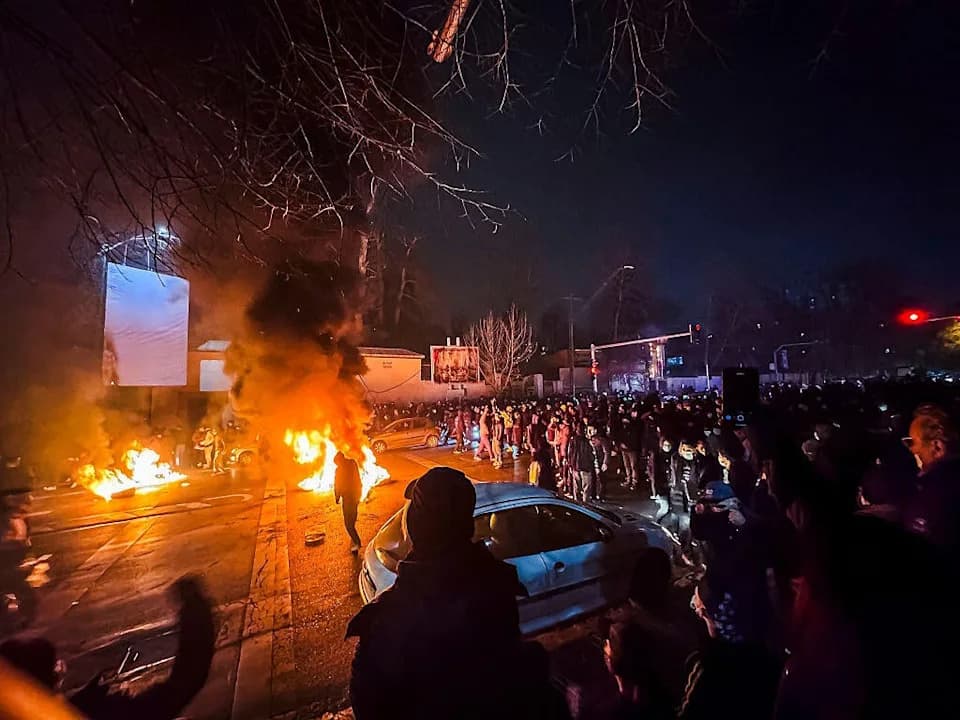
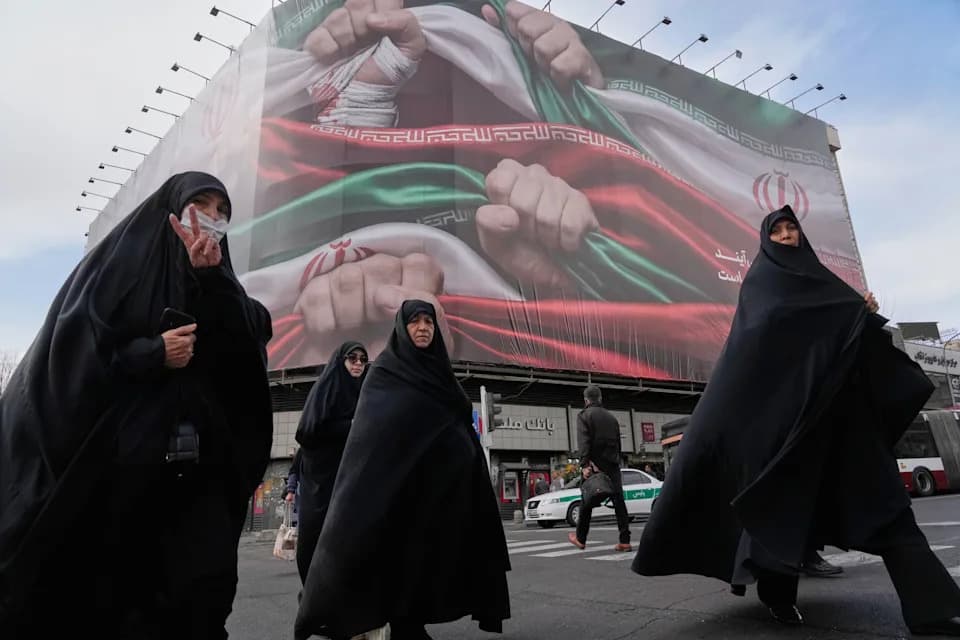
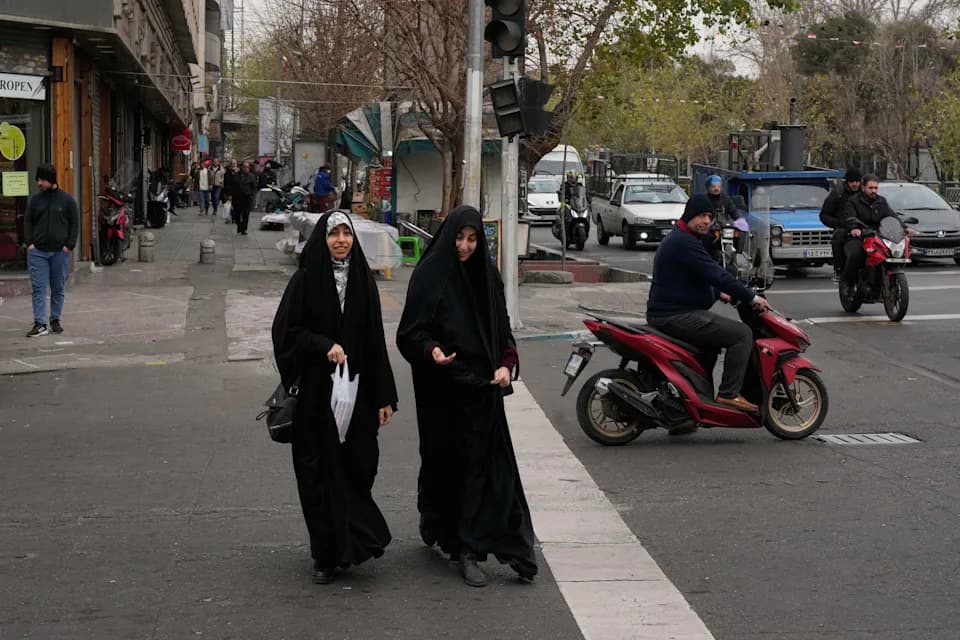
The gates of unrest appear to be opening across Iran as widespread protests confront Supreme Leader Ayatollah Ali Khamenei's government. What began as mass demonstrations has escalated into a deadly national uprising, forcing global attention and raising urgent questions about possible U.S. responses.
Scale And Human Cost
According to the Human Rights Activist News Agency, 614 protest events occurred in the first 17 days of the uprising across 187 cities and all 31 provinces. Authorities reportedly detained more than 18,000 protesters and confirmed 2,400 deaths; some media reports have suggested the true toll could be substantially higher — with figures ranging up to 12,000–20,000 civilian deaths, though those larger numbers remain contested.
U.S. Rhetoric And Measures
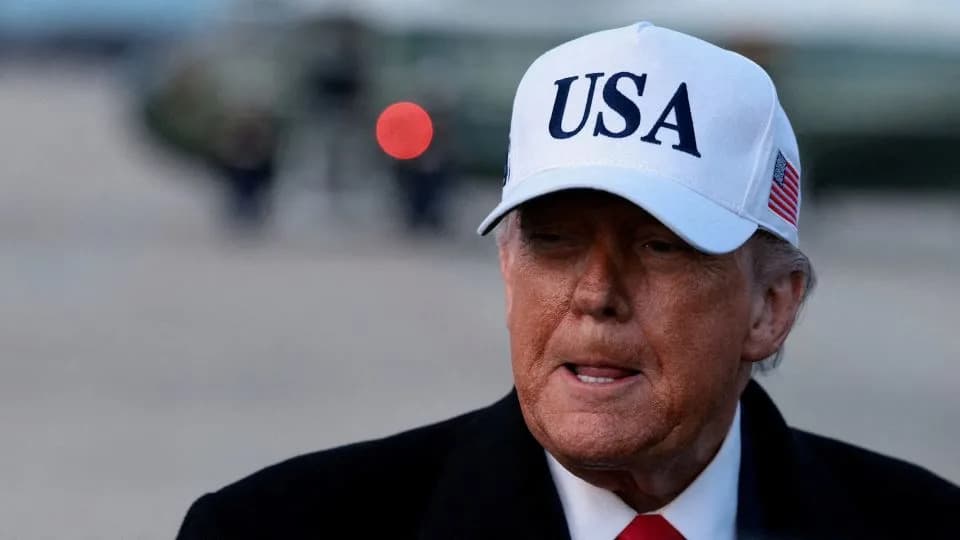
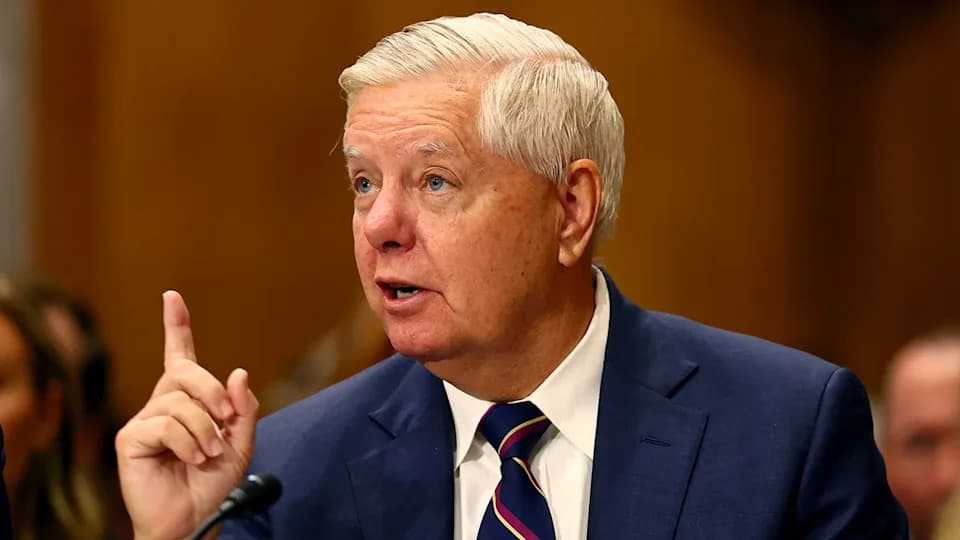
President Trump publicly warned that "If Iran [shoots] and violently kills peaceful protesters, which is their custom, the United States of America will come to their rescue. We are locked and loaded and ready to go." Later, administration rhetoric shifted between engagement and pressure: talks were explored, meetings were scheduled then canceled, and a 25 percent tariff was announced on countries doing business with Iran. The White House also publicly encouraged protesters, saying "help is on its way."
"If Iran [shoots] and violently kills peaceful protesters... the United States of America will come to their rescue. We are locked and loaded and ready to go."
Domestic Opposition And Leadership Claims
Protesters remain outmatched by state security forces. Reports indicate protesters have killed scores of security personnel — roughly 147 according to published accounts — including, allegedly, Islamic Revolutionary Guard Corps Colonel Mahdi Rahimi. Exiled Crown Prince Reza Pahlavi has called for early international intervention and said he is prepared to return to lead a transitional government, a position that resonates with some Iranians but remains politically complex.
Regional And Global Stakes
The Islamic Revolutionary Guard Corps (IRGC) is widely reported to back regional proxies — Hezbollah, Hamas, Houthi forces in Yemen and Shia militias in Iraq — by providing funding, training and arms. Those ties are central to the argument that the Tehran regime contributes to prolonged instability across the Middle East. Any move to remove or significantly weaken the regime would have broad geopolitical consequences, implicating Russia and China, both with strategic and economic interests in Iran, and worrying several Arab states that fear the fallout of a military strike.
Recent Military And Intelligence Developments
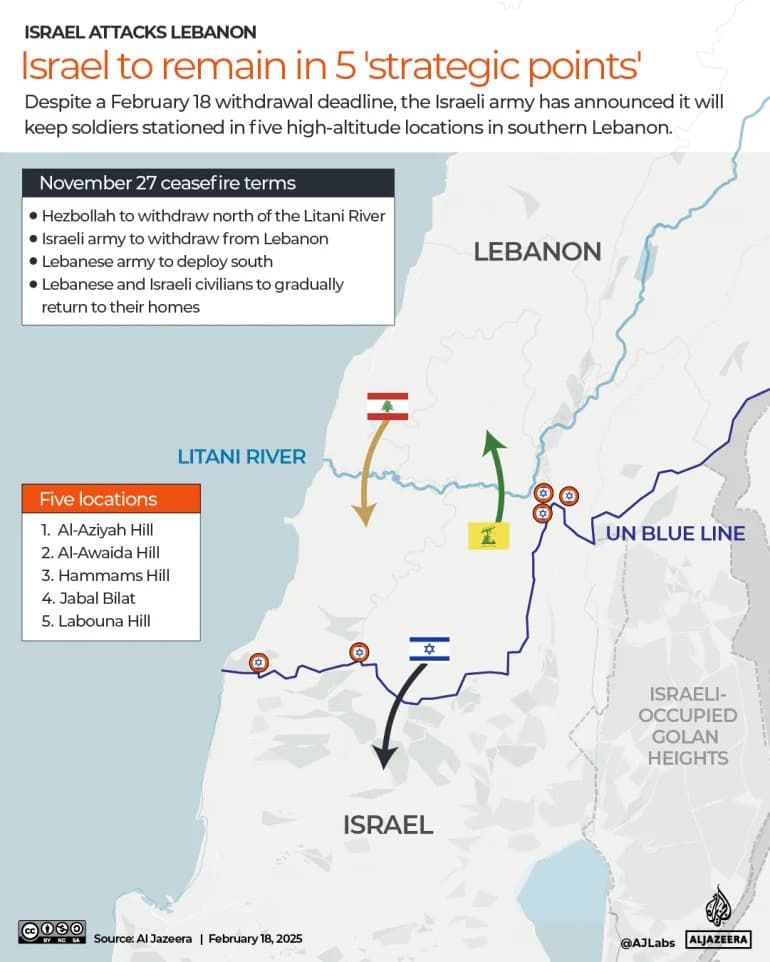
Israel has reportedly taken aggressive steps against Iran-linked groups in Lebanon and Gaza and is said to have degraded portions of Iran's air defenses — vulnerabilities that were highlighted during Operation Midnight Hammer in June 2025. Reports of non-essential personnel being evacuated from Al Udeid Air Base in Qatar have fueled speculation that external assistance could be mobilized, though official confirmation is limited.
What Comes Next
Decisionmakers in Washington face a stark choice: follow through on public threats and risk a wider regional conflagration, or scale back actions and lose leverage at a crucial moment. Any intervention would need to weigh humanitarian impulses to protect civilians against the real potential for broader instability involving major powers and regional actors.
Authors: Col. (Ret.) Jonathan Sweet, who served 30 years in military intelligence and led the U.S. European Command Intelligence Engagement Division (2012–2014), and Mark Toth, who writes on national security and foreign policy.
Note: Some casualty figures cited in media reports remain disputed. The article preserves reported figures while noting where numbers are contested.
Help us improve.