A new analysis of twin-study data published in Science finds genetics may explain roughly 50–55% of human lifespan by separating extrinsic (accidents, violence, some infections) and intrinsic (age-related biological) causes of death. The estimate is higher than earlier figures of about 6–33% and aligns with heritability seen in traits like height. Experts note some infectious susceptibility is partly genetic, but adjusted analyses still supported a large genetic role. The authors stress lifestyle and environment remain important and can shift outcomes within genetic limits.
Major Twin-Study Suggests Genes May Explain Up To 55% Of Human Lifespan

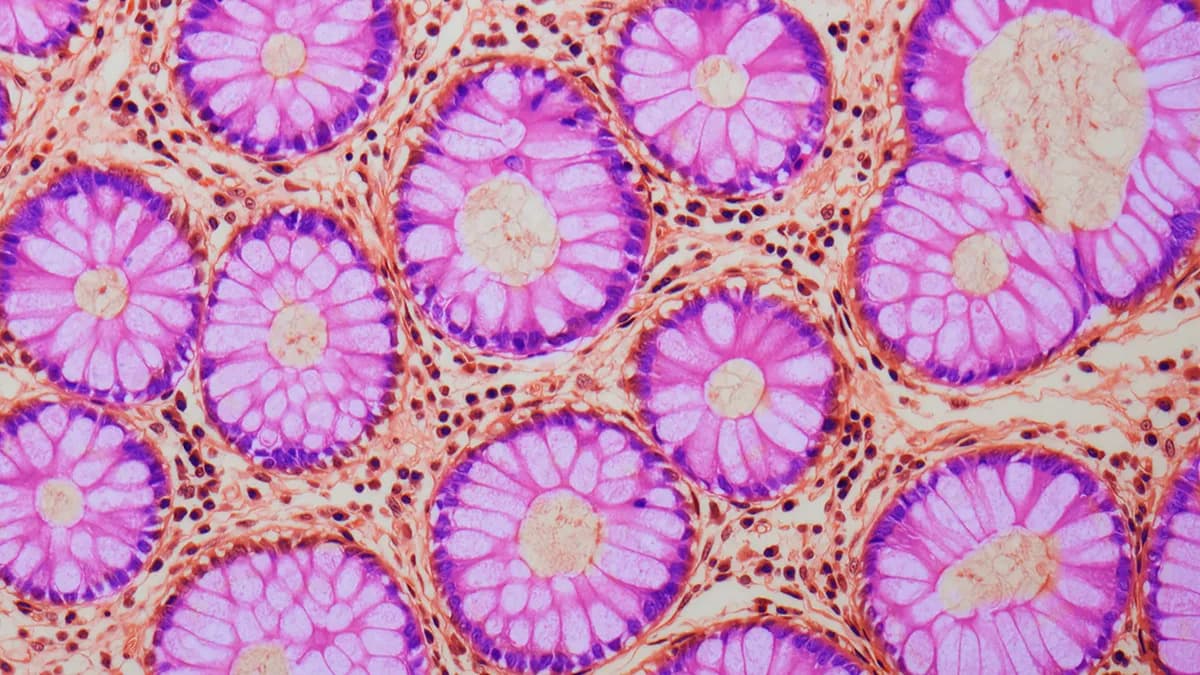
The new findings are higher than previous estimates, which have calculated the role of genetics in lifespan could range from 6% to 33%. (Abraham Gonzalez Fernandez / Getty Images)(Abraham Gonzalez Fernandez)
A major international analysis published in Science reports that heredity may account for as much as 50–55% of human lifespan. The researchers reached this figure by reanalyzing decades of twin-study data and by separating deaths driven by external causes from those driven by internal, biological processes.
How The Study Reached Its Estimate
The team divided mortality into two categories: extrinsic mortality (fatalities from accidents, violence, environmental hazards and some infectious causes) and intrinsic mortality (deaths from age-related biological decline and chronic disease). By modeling these categories separately, the authors say they uncovered a stronger genetic signal for the intrinsic component of lifespan than previous analyses had detected.
Previous estimates placed genetic contribution to lifespan between roughly 6% and 33%. The new approach yields a much higher estimate—around 50–55% for genetically driven lifespan—bringing lifespan heritability in line with other common human traits such as height and body composition, which are often ~50% heritable.
“The number that we got is not out of nowhere,”
said Ben Shenhar, lead study author and researcher in the physics of aging at the Weizmann Institute of Science. He noted that twin studies tend to report similar heritability for many human traits and for age-related milestones such as menopause onset.
Responses From Other Experts
Morten Scheibye-Knudsen, who wrote an accompanying editorial, described the method as a way of "filtering out outside noise" to reveal aging biology, pointing to vast lifespan differences across species as evidence that genes set biological limits.
Other scientists urged caution. Eric Verdin of the Buck Institute pointed out that some causes the authors classify as extrinsic—particularly infectious disease—have a genetic component because individuals differ genetically in immune response. The study authors say they reran analyses accounting for age-related increases in infection and fall vulnerability and still found a large genetic contribution.
What This Means For Longevity Research And For Individuals
The findings bolster efforts to identify genes that promote long life: centenarians tend to carry fewer chronic-disease risks and appear to be enriched for protective variants. Well-known genes linked to longevity in some studies include FOXO3, APOE and SIRT6, but researchers emphasize longevity likely arises from complex interactions among many genes rather than single ‘‘silver-bullet’’ variants.
Importantly, the authors and commentators stress that genetics accounting for roughly half of lifespan variance still leaves a substantial role for environment and behavior—around 45% by their accounting—meaning lifestyle, diet, exercise and public-health measures remain important influences on how long people live.
This article is based on reporting originally published on NBCNews.com and on the study and editorial in Science.
Help us improve.