Researchers tested 167 variants linked to inherited retinal disorders in two large biobanks and found far lower rates of vision loss among carriers than expected. In the All of Us cohort, 9.4%–28.1% of carriers had diagnostic codes indicating retinal disease; retinal-image analysis in the UK Biobank showed 16.1%–27.9% with possible signs. The results suggest many presumed Mendelian mutations have lower penetrance and act within complex genetic backgrounds, highlighting the potential role of protective variants and the need for larger, more diverse studies.
Study Finds Genes Once Said To Cause Blindness Aren't Always Deterministic

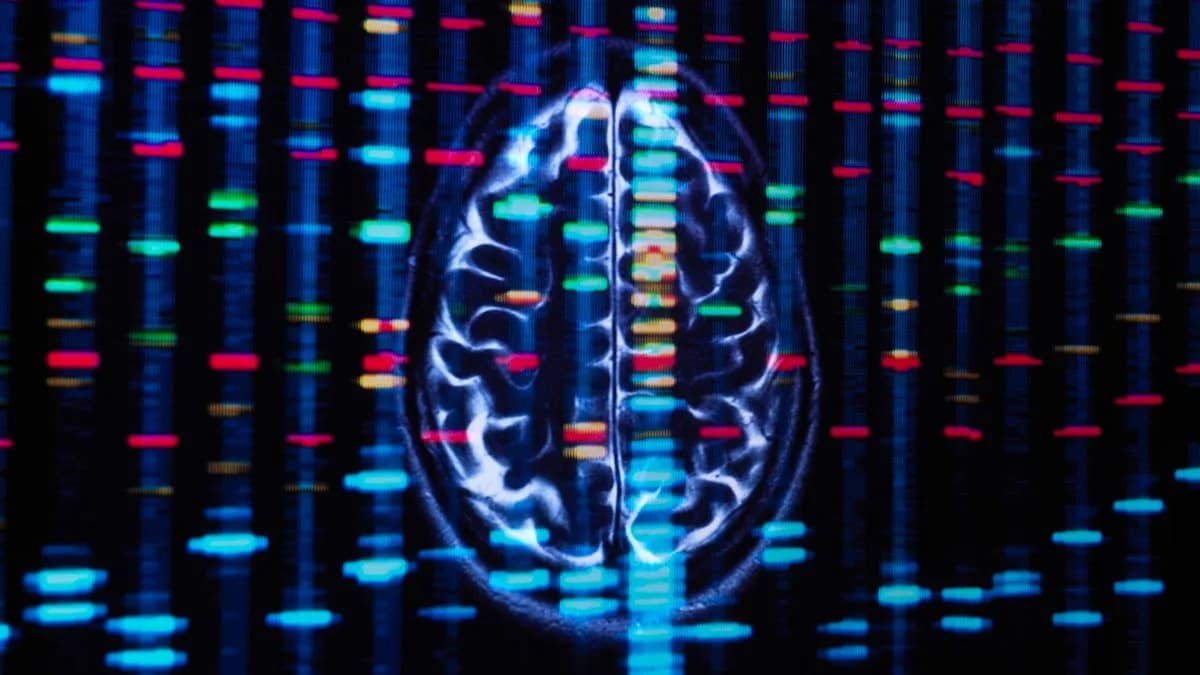
A new study may transform scientists' understanding of inherited blindness, as well as other genetic conditions. | Credit: artacet/Getty Images
New research shows that genetic variants long believed to cause inherited blindness in nearly every carrier actually lead to vision loss in far fewer people — often under 30% of carriers. The study challenges the classic view of some Mendelian disorders as strictly deterministic and highlights a more complex genetic landscape that may include protective factors.
The Study And Its Methods
Researchers examined 167 genetic variants previously thought to have the strongest causal link to inherited retinal disorders (IRDs). To avoid ascertainment bias that can arise when studies focus only on affected patients and their relatives, the team searched for these variants in two large population biobanks: the U.S. National Institutes of Health's All of Us program (nearly 318,000 participants with both genetic and electronic health record data at the time of the study) and the UK Biobank (about 500,000 participants, roughly 100,000 with retinal images).
Key Findings
Using diagnostic codes in the All of Us database, only 9.4% to 28.1% of carriers had any recorded indication of a retinal disorder or vision problems. In the UK Biobank, where researchers examined retinal photographs directly, only 16.1% to 27.9% of carriers showed possible signs of retinal disease. Older carriers were not substantially more likely to have vision loss, suggesting the lower rates are not simply due to delayed onset.
“The mutation we used to think caused disease 100% of the time doesn't exist in isolation,” said Dr. Eric Pierce, senior author and ophthalmologist at Harvard Medical School.
What This Means
The findings indicate that many variants previously classified as fully penetrant may act within a broader genetic and environmental context. Individuals carry hundreds of thousands of other variants, and some of these may reduce risk — so-called protective or modifier variants. Identifying such low-effect protective variants could suggest new therapeutic strategies for IRDs.
Broader Context And Caution
Similar patterns have been observed in other conditions: a 2023 study of ovarian insufficiency found that variants once thought to cause the condition appeared in healthy women, and research into inherited forms of diabetes has also pointed to more complex genetics than simple single-gene causation. Experts stress that patient-focused genetic studies remain valuable for uncovering disease biology, but their results should be interpreted with caution and validated in larger, more diverse population samples and experimental models.
“It is only now that we have the ability to look at the granular detail of the genetic sequence in hundreds of thousands of people,” said Anna Murray, a geneticist at the University of Exeter.
The study, led by Dr. Eric Pierce and co-authored by Dr. Elizabeth Rossin and others, was published Jan. 8 in the American Journal of Human Genetics. The authors call for larger, more diverse datasets and improved laboratory disease models to better understand when variants are truly causal and when disease risk depends on a broader genetic background.
Help us improve.