The Finnish Twin Cohort study of 14,836 women found a U-shaped association between number of children and biological aging: both childless women and those with five or more children showed faster epigenetic aging and shorter lifespans than women with one to four children. The findings are consistent with the evolutionary "disposable soma" idea that heavy reproductive investment can trade off against bodily maintenance. Authors emphasize the results are associative, drawn from a historical cohort (born 1880–1957), and not a prescription for modern family planning.
Having Five Kids — Or None — Linked to Faster Biological Aging, Finnish Study Finds
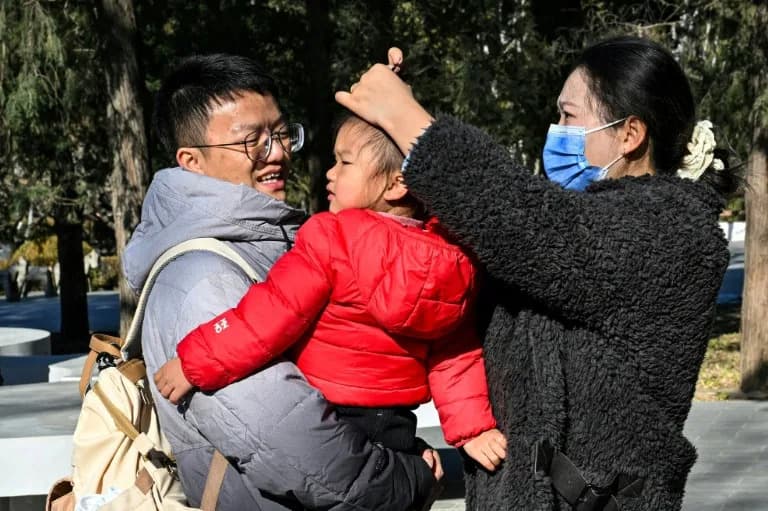
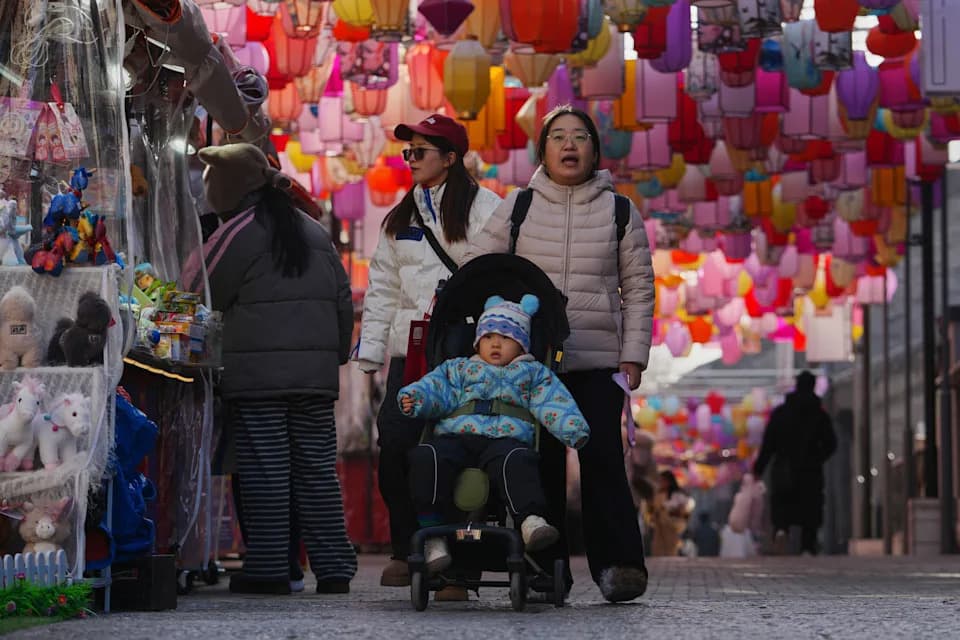
A new analysis of historical Finnish records finds a U-shaped relationship between number of children and measurable biological aging: women with either five or more children, and women with no children, showed faster epigenetic aging and tended to live shorter lives than those with one to four children.
Study and Methods
The research, published in Nature Communications, used data from the Finnish Twin Cohort, a long-term project that has tracked twin pairs since 1974. The team examined 14,836 women born between 1880 and 1957, grouping participants into six categories by number and timing of births. Researchers combined lifespan records with blood-based markers of epigenetic aging — changes in DNA expression linked to biological aging — to model associations between reproductive history and aging.
Key Findings
Women with the highest number of births (five or more) tended to show accelerated epigenetic aging and shorter lifespans compared with women who had one to four children. Unexpectedly, women who remained childless in this cohort also exhibited faster aging and reduced longevity, producing a U-shaped pattern across reproductive groups.
Interpretation
The results are consistent with the evolutionary "disposable soma" theory: organisms have finite resources, and heavy investment in reproduction can come at the expense of somatic maintenance, including repair processes such as DNA maintenance. At the same time, some aspects of pregnancy and parenting may be protective — for example, breastfeeding is associated with lower risks of breast and ovarian cancer, and social support from family may benefit health and longevity.
"I really want to emphasize that this is not a prescription for anyone on how to have your children. We are just seeing associations and links.... It’s not directly applicable to women having children right now." — Mikaela Hukkanen, lead author
Important Caveats
The authors stress these findings are associative and come from a historical population. Participants were born between 1880 and 1957 and experienced wars and social upheaval that could have shaped both reproductive opportunities and health. Childlessness was less common in that era and may have been more often tied to preexisting health problems, which could confound links with aging. The study does not establish causation.
What This Means Today
Modern healthcare, social conditions, and reproductive choices differ substantially from the cohort studied, so the observed patterns may not apply directly to people now. Newer tools to quantify biological aging over shorter timescales could help researchers measure pregnancy and parenting effects more precisely and identify potential interventions to reduce long-term risks.
"With these tools to quantify biological aging, we can begin to measure the impacts of pregnancy in much shorter timescales and potentially identify who might be at risk and how to intervene." — Calen Ryan, population epigeneticist (commenting on the study)
Help us improve.