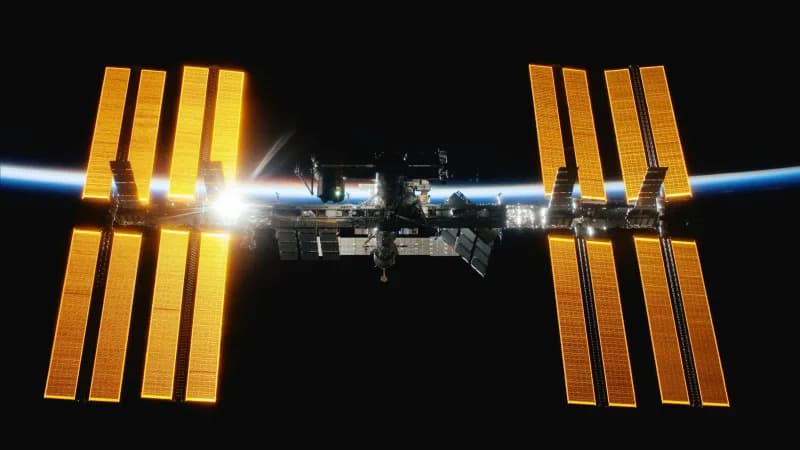
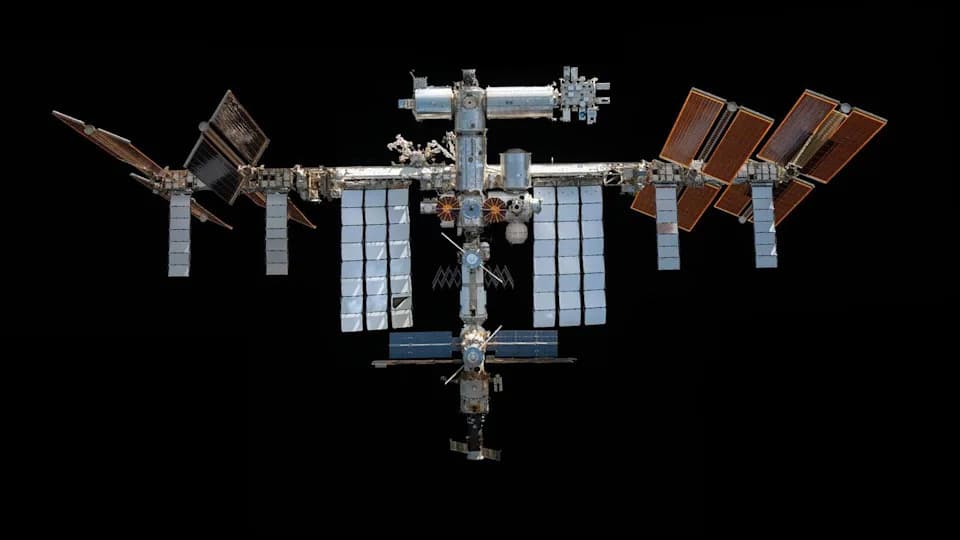
New Buck Institute research found that short spaceflight can transiently accelerate biological aging: epigenetic clocks indicated an almost two-year increase by day seven of the 10-day Axiom-2 mission. Blood samples from four astronauts were analyzed with 32 DNA methylation clocks; most age measures returned to baseline after landing, and younger crew members showed lower postflight biological ages. While promising for studying rejuvenation mechanisms, the small sample and short mission call for larger, longer studies.
Spaceflight Temporarily Accelerates — Then Reverses — Biological Aging, Study Finds

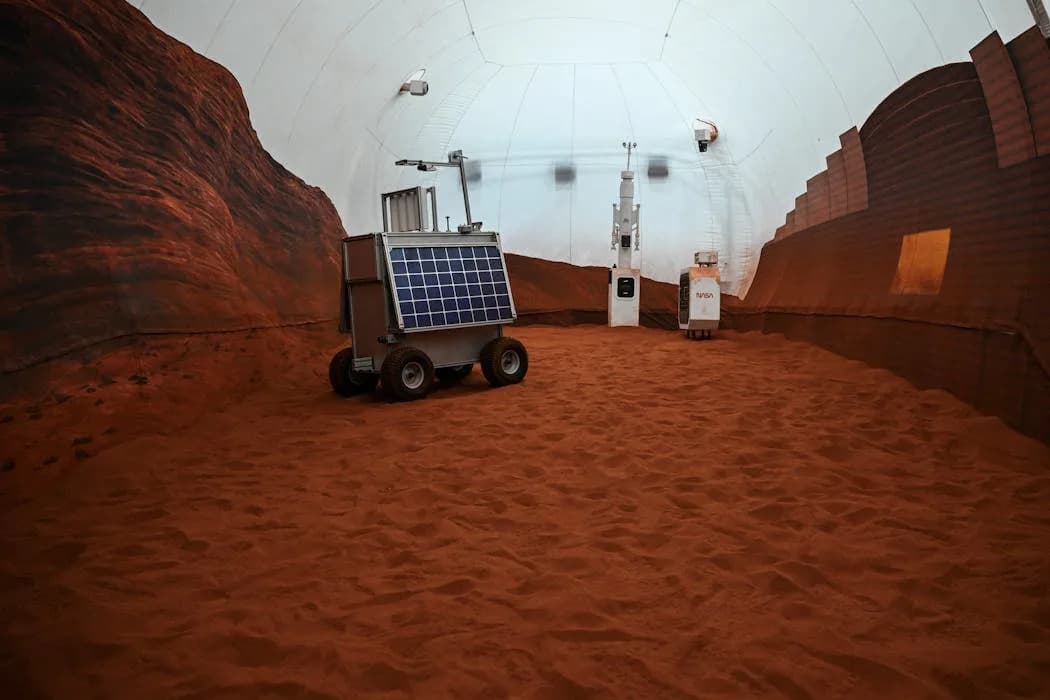
An illustration of an astronaut on an alien planet.(Nautilus)
Short space missions expose astronauts to invisible but powerful stressors — microgravity, heightened cosmic radiation, disrupted circadian rhythms, and more — that can affect gene expression and cellular aging. New research from the Buck Institute shows these pressures can temporarily accelerate biological aging during flight, but that many measures rebound after return to Earth.
Study Design and Methods
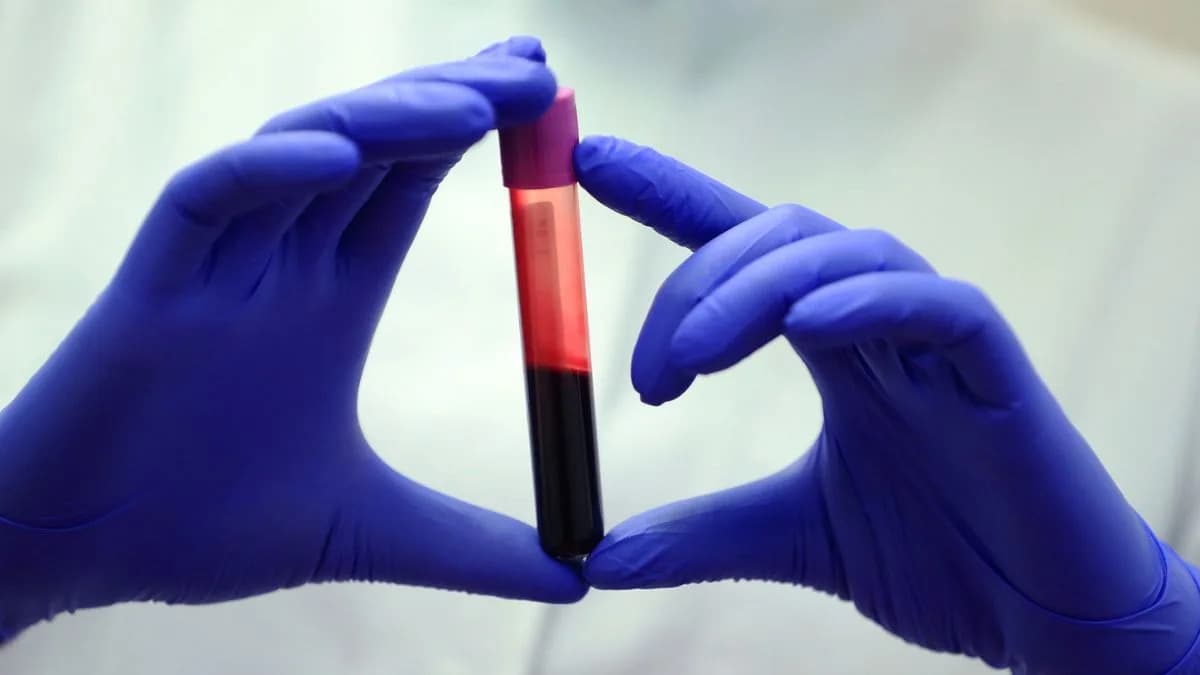
Researchers David Furman and Matias Fuentealba at the Buck Institute collected blood samples from four crew members before, during, and after a 10-day Low Earth Orbit trip aboard the Axiom-2 mission. In collaboration with laboratories in New York City and Saudi Arabia, the team developed an Epigenetic Age Acceleration (EAA) formula and evaluated 32 DNA methylation–based epigenetic clocks to quantify shifts in biological age.
Key Findings
By flight day seven, the astronauts' epigenetic age had increased by nearly two years on many clocks. Importantly, most measures largely returned to preflight values after the crew landed, and younger crewmembers even showed postflight biological ages below their baseline readings. These results suggest that the body may activate intrinsic recovery or rejuvenation processes after short-term space stress.
“These results point to the exciting possibility that humans have intrinsic rejuvenation factors that can counter these age-accelerating stressors,” Furman said. “Using spaceflight as a platform to study aging mechanisms gives us a working model to move toward identifying and boosting these rejuvenating factors for astronauts and people on Earth.”
Implications and Caveats
The study highlights short missions like Axiom-2 as useful experimental models for probing accelerated — and reversible — biological aging. However, the findings come from a small sample (four astronauts) and a brief mission duration, so larger and longer studies will be needed to confirm the effects, identify the molecular pathways involved, and test interventions to protect long-duration space travelers and aging populations on Earth.
Next Steps
Furman and colleagues are continuing related research on Earth to examine how microgravity-like conditions influence heart, brain, and immune cells. Their goal is to better understand the mechanisms that drive temporary aging during flight and the processes that enable postflight recovery.
Published in Aging Cell. Original feature appeared on Nautilus.
Help us improve.