Researchers warn that flooding, erratic rainfall, drought and biological threats are driving growing crop losses across Africa, worsening food insecurity. Examples include a Kenyan smallholder whose rotten maize losses rose from two to six bags a year, Syrian olive yields falling 68% in 2025, and Vietnamese orange harvests halving. A Nature study finds each 1°C of warming cuts global food capacity by about 120 calories per person per day. Experts urge targeted interventions and climate-smart farming to protect supplies and livelihoods.
Researchers Warn Worsening Crop Losses Across Africa Are Deepening Global Food Insecurity
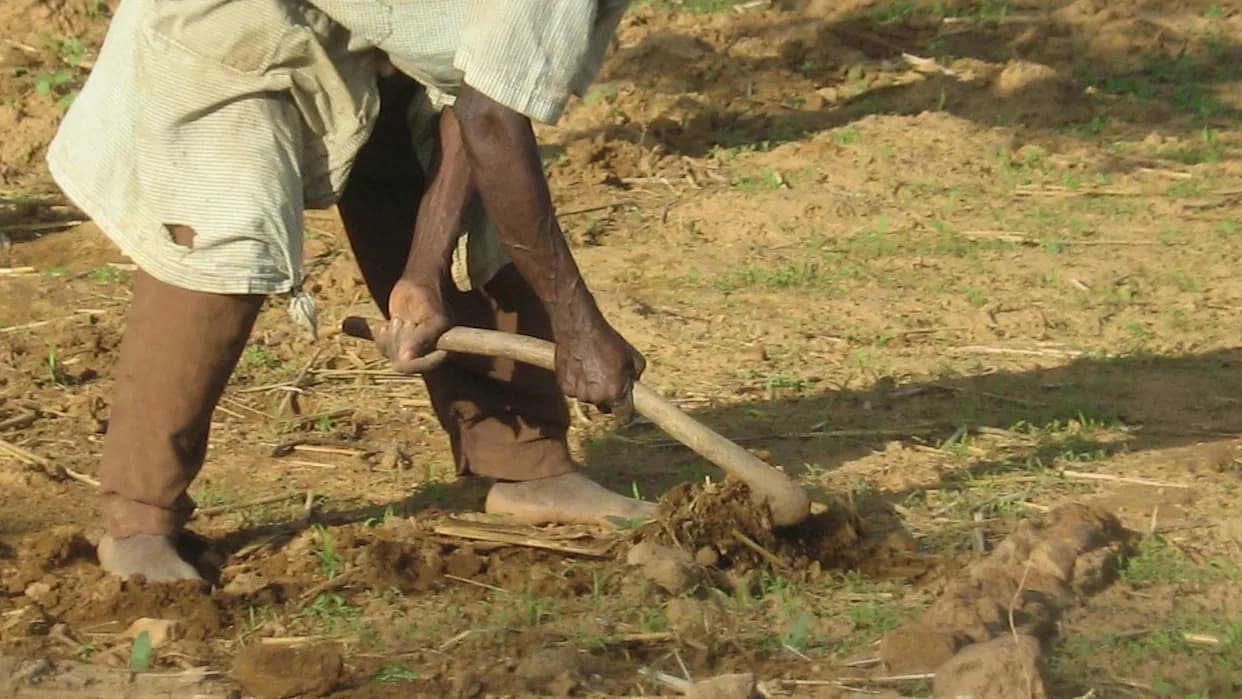
Photo Credit: iStock
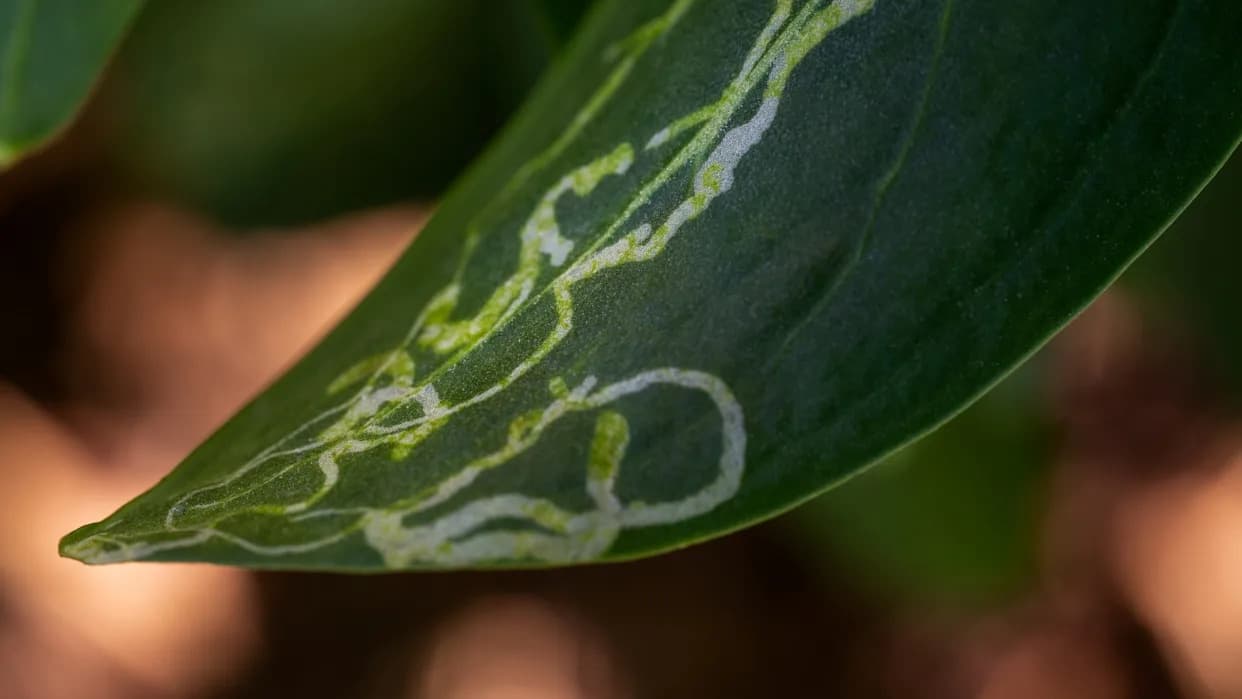
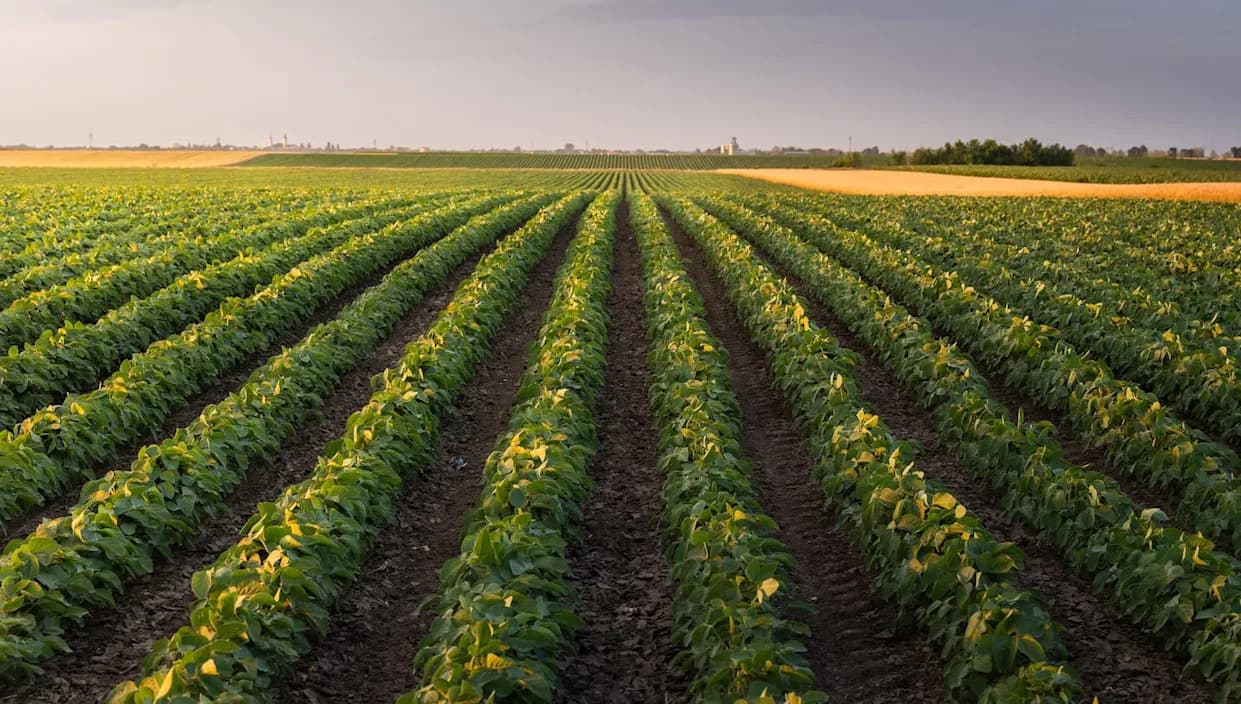
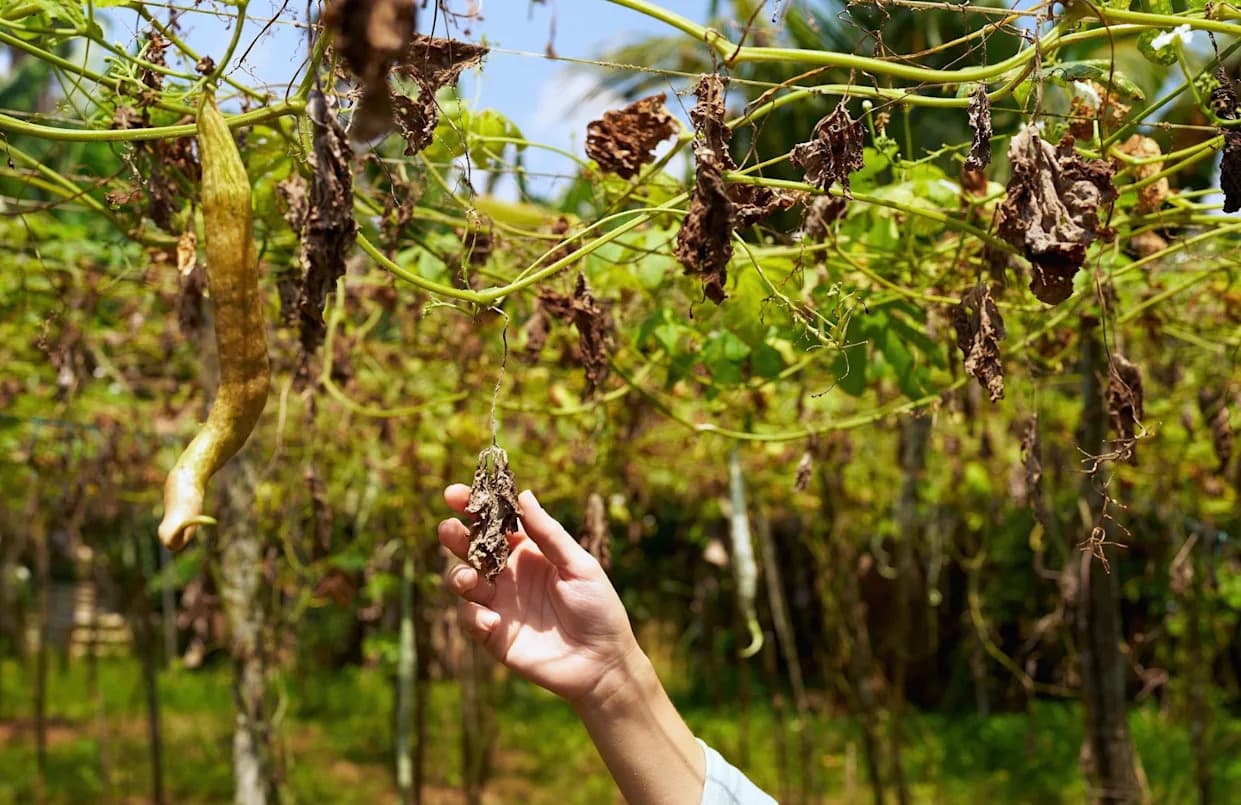
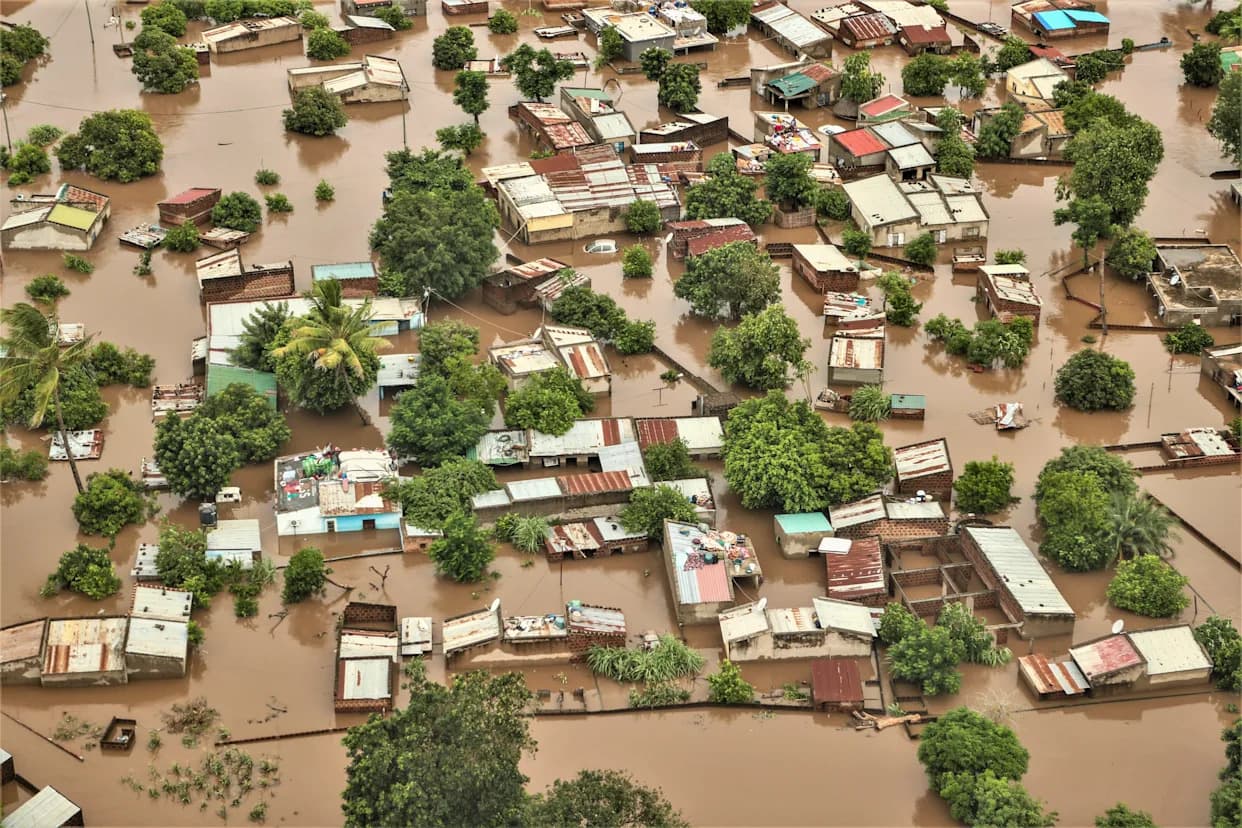
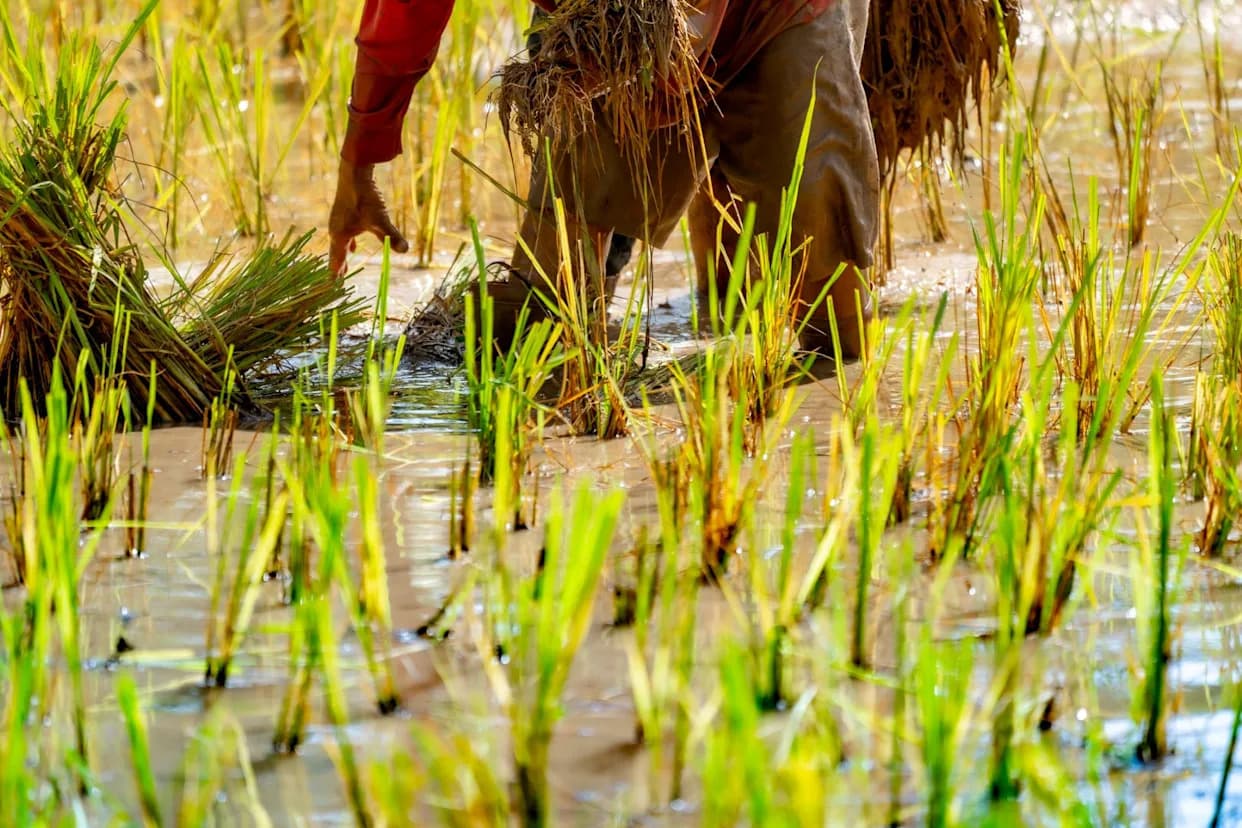
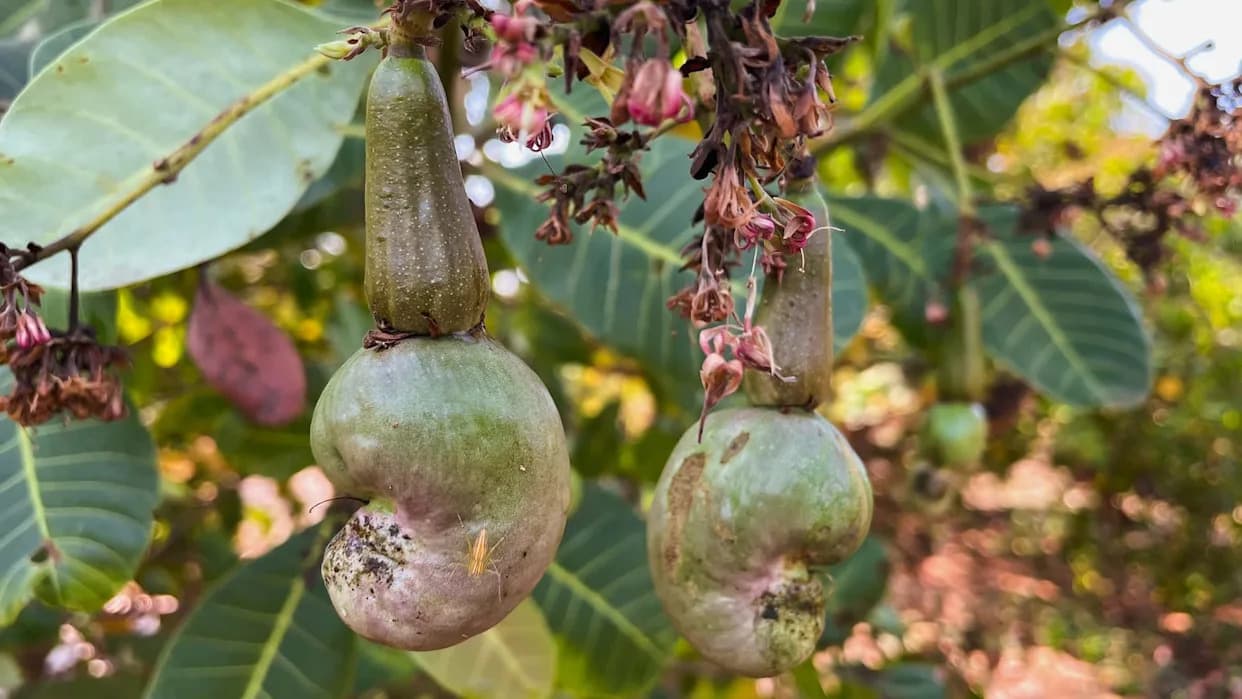
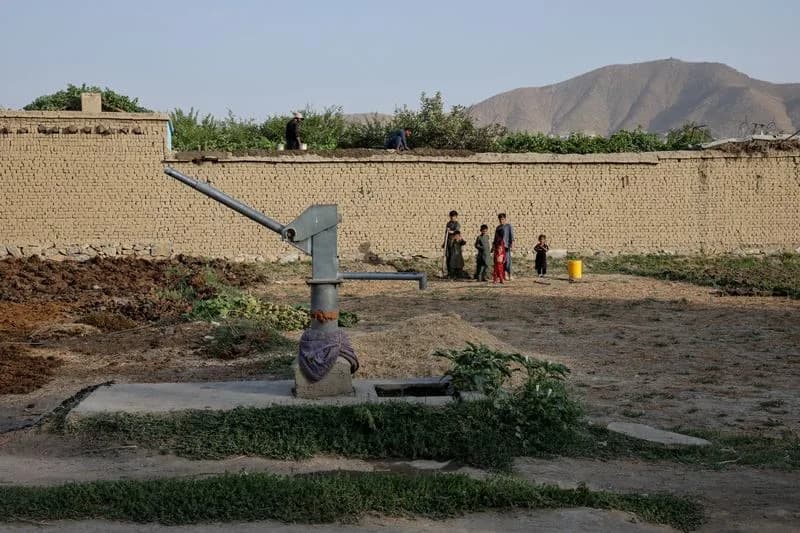
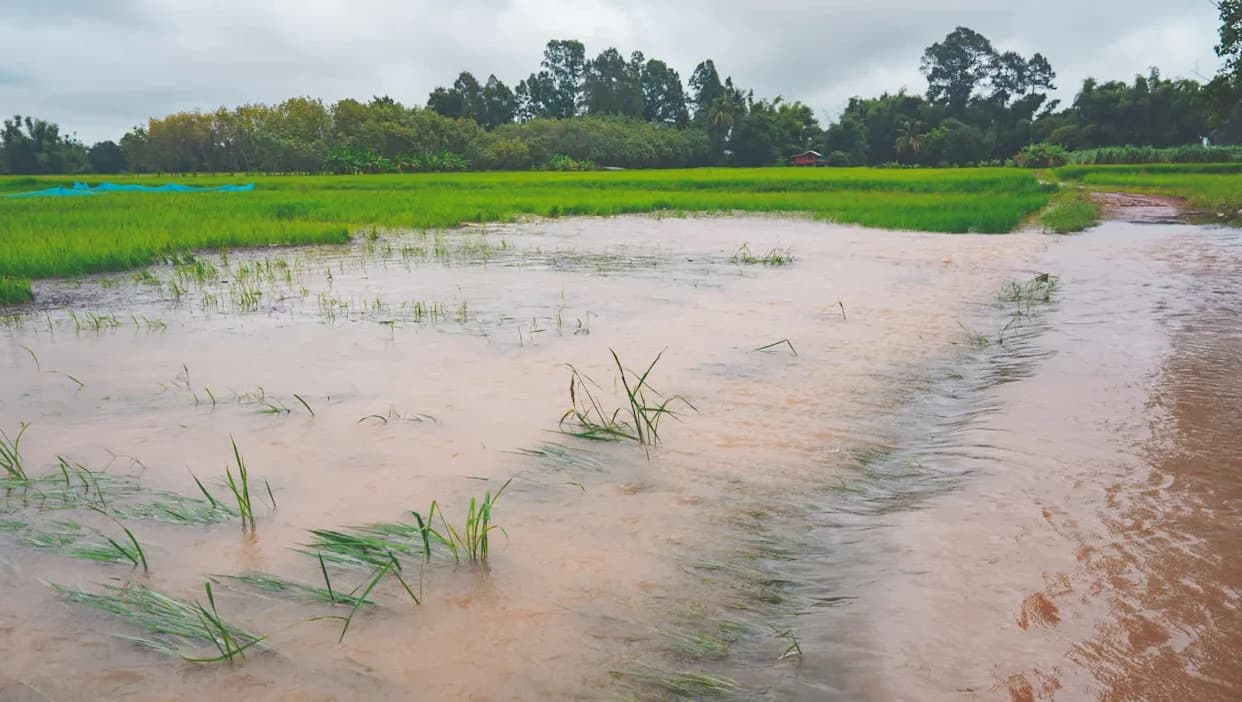
Researchers working with the Global Burden of Crop Loss warn that widespread damage to crops across Africa is intensifying food insecurity on the continent and beyond. An analysis highlighted by SciDevNet identifies flooding, erratic rainfall, drought and biological threats as the primary drivers undermining harvests and resilience.
Smallholder farmers are already feeling the impact. In Kenya, Salome Kibunde reports that increasingly unpredictable seasons now bring too little rain at planting and heavy downpours at harvest, pushing her annual losses of maize from two rotten bags to six. In Nigeria, Yunusa Halidu, secretary of the All Farmers Association of Nigeria, told SciDevNet that "flooding was not previously a major concern," but in the last two years has become "one of the biggest challenges farmers face."
Global Context and Projected Impacts
These regional losses occur against a stark global backdrop: the World Health Organization estimates more than 773 million people already go hungry each day. A study published in Nature estimates that each 1°C of global warming reduces agriculture's food-producing capacity by roughly the equivalent of every person on Earth losing about 120 calories per day.
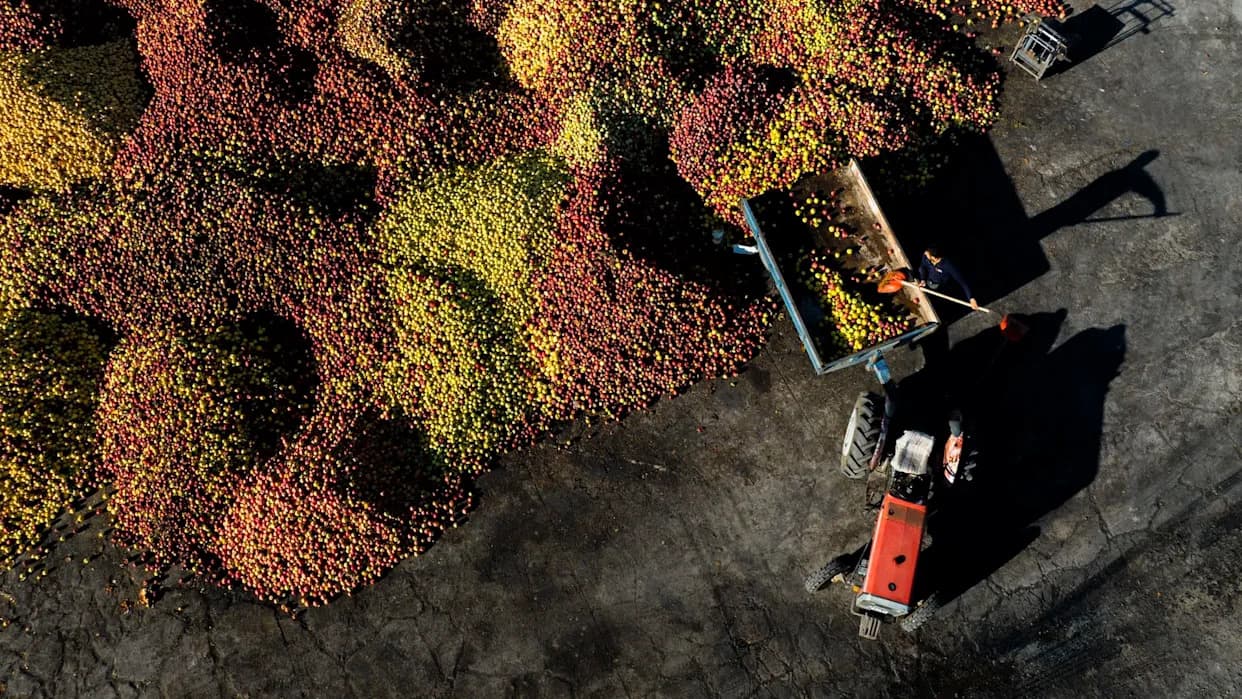
Concrete examples illustrate the scale of change: Syrian olive yields fell by about 68% in 2025 compared with the previous year, while orange producers in Vietnam harvested roughly half a typical crop. As burning of fossil fuels continues to warm the atmosphere, scientists expect more frequent and severe extreme weather—longer droughts, heavier floods and shifting seasonal patterns—that will further depress yields and drive up food prices.
Economic and Supply-Chain Effects
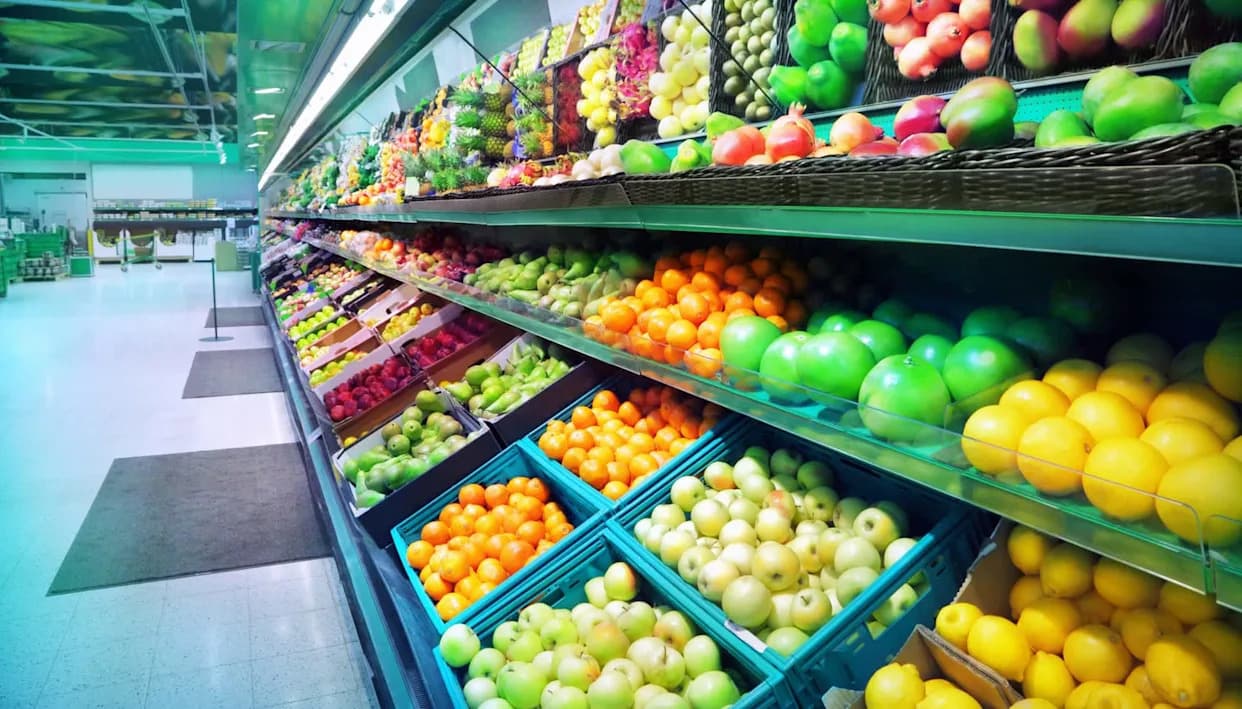
Beyond immediate losses to harvests, reduced production threatens farmers' incomes, which can lead to farm closures, job losses in rural economies and destabilized supply chains. Higher prices for scarcer food make it harder for households to afford sufficient calories, worsening hunger and malnutrition.
What Can Be Done
The Global Burden of Crop Loss project aims to map where losses are concentrated, identify root causes and guide targeted interventions. Improved early-season forecasting, better disaster-relief planning and investments in infrastructure can reduce losses. At the farm level, many producers are adopting climate-smart practices—planting drought-tolerant varieties, restoring degraded land to reduce flood impacts and exploring small-scale irrigation where feasible—to improve resilience.
"Targeted interventions that combine improved data, financing and locally tailored farming practices will be essential to protect food supplies and livelihoods," say researchers involved in the analysis.
Policymakers, donors and private-sector partners will need to scale support for these approaches, strengthen early-warning systems and accelerate measures to reduce fossil-fuel emissions to limit future warming and the cascading impacts on food systems.
Help us improve.