Malaysia's northeast monsoon devastated vegetable crops and blocked transport, triggering sharp price spikes—spinach rose from about RM3 to RM9/kg and mustard greens from RM2.50 to RM7/kg. Restaurants are adapting by substituting cheaper produce, but supply squeezes and rising wholesale costs limit options. Farmers warn shortages and high prices could persist into next year, while experts call for investments in post-harvest systems, logistics and technology to protect food security.
Malaysia Monsoon Wipes Out Crops — Vegetable Prices Skyrocket, Shortages Could Persist
Photo Credit: iStock
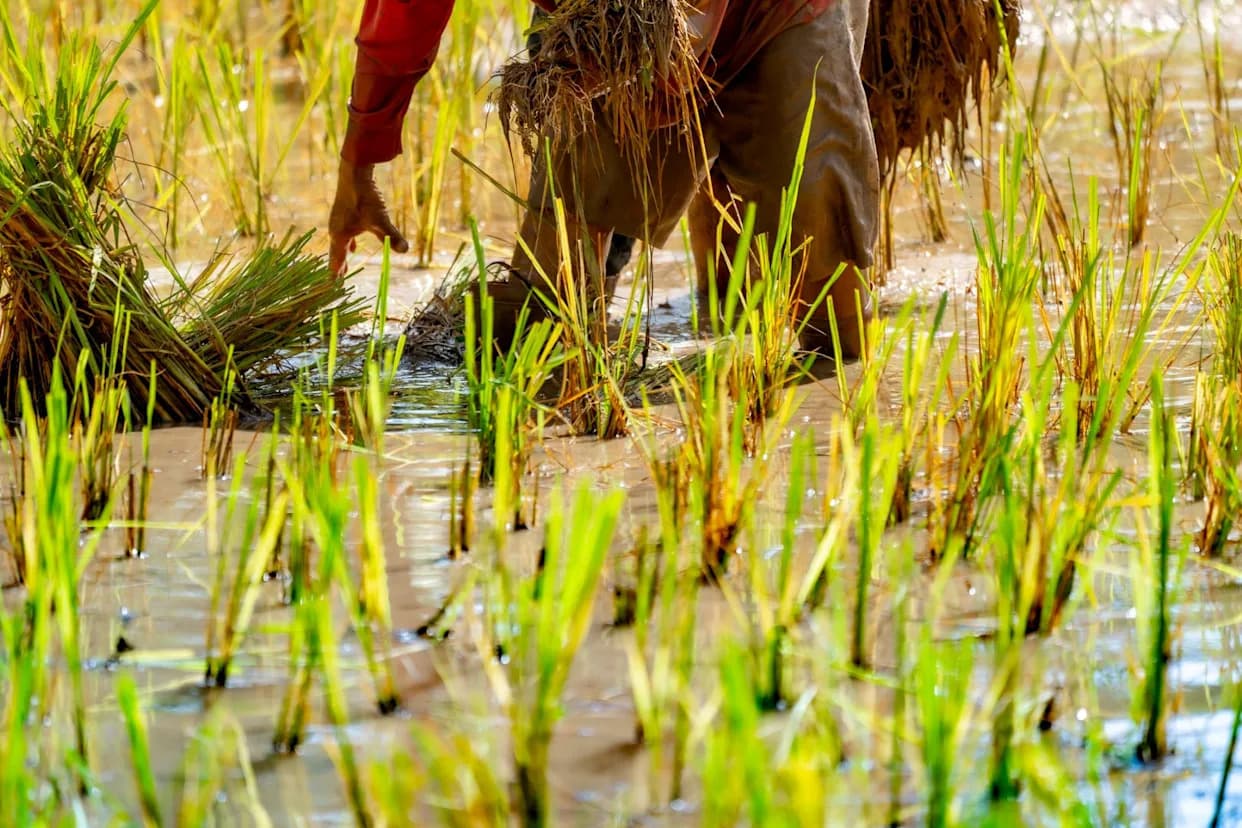
Heavy, persistent rains from Malaysia's recent northeast monsoon have devastated vegetable plots, flooded transport routes and strained supply chains across key growing regions. The disruption has pushed retail prices for common greens sharply higher, leaving shoppers and food-service operators scrambling to adapt.
Retail prices for some vegetables have more than doubled or even tripled. Spinach that sold for about RM3 (≈ $0.73) per kilogram is now fetching roughly RM9 (≈ $2.20) per kilogram, while mustard greens have risen from around RM2.50 (≈ $0.61) to about RM7 (≈ $1.71) per kilogram.
“This is the highest surge in vegetable prices we've seen so far during the northeast monsoon,” said Chai Kok Lim, chairman of the Cameron Highlands Vegetable Growers Association, describing the scale of the spike to the Vibes.
Restaurants and food-service businesses are among the hardest hit. Many operators are substituting cheaper vegetables and adjusting menus to avoid passing full costs to customers, but shrinking supplies and rising wholesale prices limit how long such strategies can protect margins.
Farmers and traders warn that shortages and elevated prices could persist into next year. Reduced harvests not only push consumer prices higher but also cut farmers' incomes, increasing the risk that some operations may become financially unsustainable and force job losses in the agricultural sector.
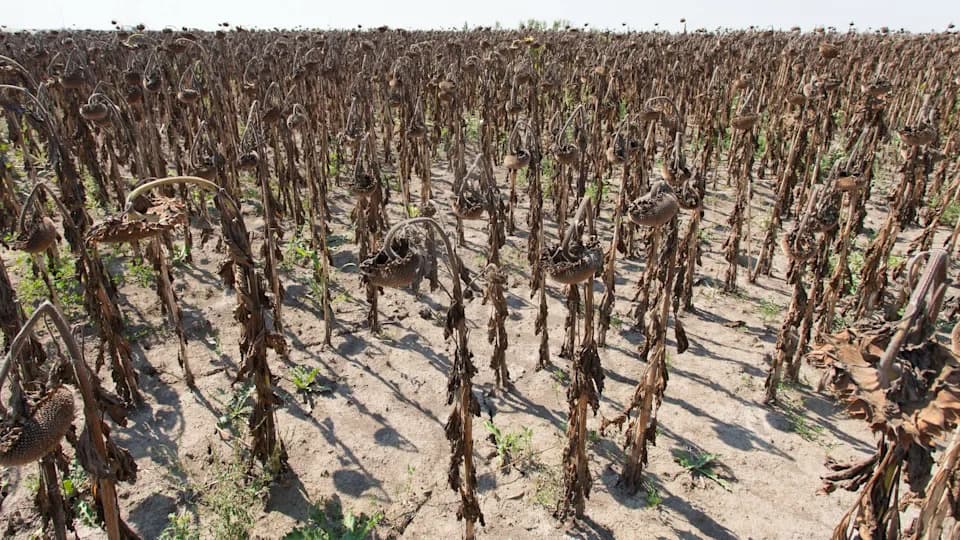
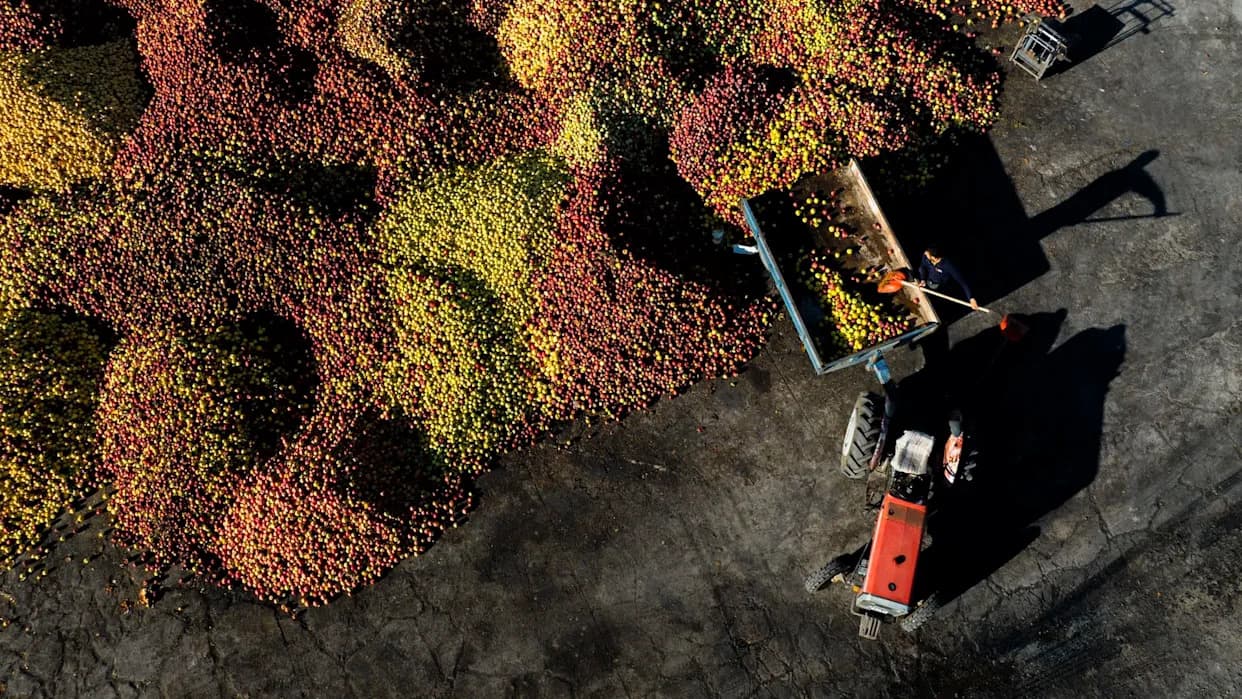
The Malaysian situation reflects a broader global pattern: extreme weather events are damaging crops worldwide. The article cites a reported 70% drop in yields for some Indian crops after Cyclone Montha, and severe drought-related losses for wild blueberry and apple growers in Maine.
Policy and Technology Responses
Consumer advocates and industry leaders are calling for government and private-sector action to stabilize supply and prices. Nur Asyikin Aminuddin, chief operating officer of the Federation of Malaysian Consumers Associations, urged investment in post-harvest handling, modern logistics and a stronger role for Fama as an intermediary between producers and consumers to help stabilise fresh food prices.
Emerging farm technologies may offer partial relief: sensing systems for agricultural robotics (for example, technologies like SonicBoom) and water-quality monitoring tools (such as Aquawise) can improve farm-level efficiency and resilience. However, experts stress that structural investments in logistics, storage, market coordination and climate adaptation are necessary to protect food security long term.
Outlook: Unless mitigating actions are taken — including improvements in post-harvest systems, transport and market coordination — consumers should expect continued price volatility and the possibility of supply shortages into the next year.
Help us improve.