Sri Lanka’s Nov–Dec floods delivered roughly 68% of Vavuniya’s average annual rainfall in four days, overflowing 120+ irrigation tanks and destroying about 7,700 of nearly 63,000 cultivated acres (~12%). Estimated losses could reach Rs. 1.15 billion (~$3.7M). The government has offered Rs. 150,000 per hectare in relief while researchers test tools — including AI — and households are urged to reduce food waste to ease pressure on supplies.
Major Flooding Devastates Sri Lanka Paddy Fields — Farmers Face Big Losses and Consumers Could Pay More
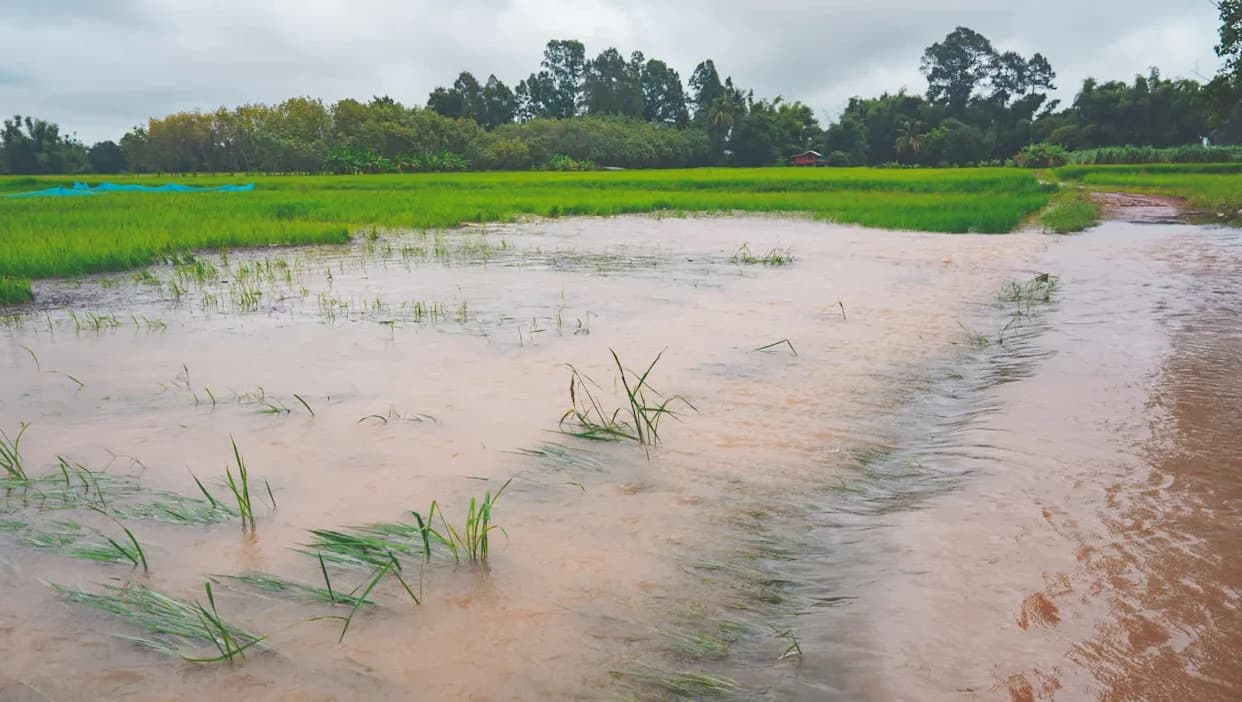
Photo Credit: iStock
Sri Lanka suffered its worst floods in decades between November and December, when intense rainfall submerged thousands of acres of paddy land and compounded financial strain on already vulnerable farmers.
How Severe Was the Damage?
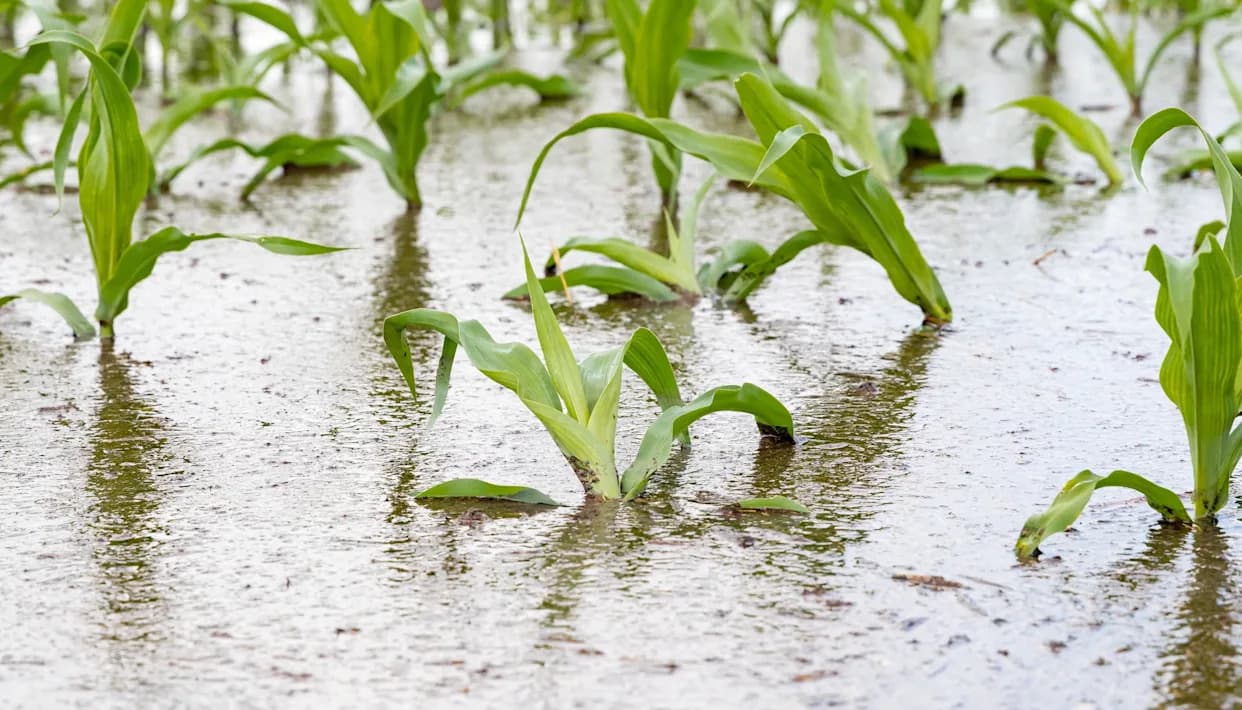
Reporting by the Tamil Guardian found that Vavuniya district received roughly 68% of its average annual rainfall in just four days. The sudden deluge overwhelmed local agricultural infrastructure: more than 120 irrigation tanks overflowed and large swathes of paddy fields were left under water.
Of nearly 63,000 acres under cultivation in Vavuniya for the season, about 7,700 acres — roughly 12% — were destroyed by the floods.
Economic Impact on Farmers
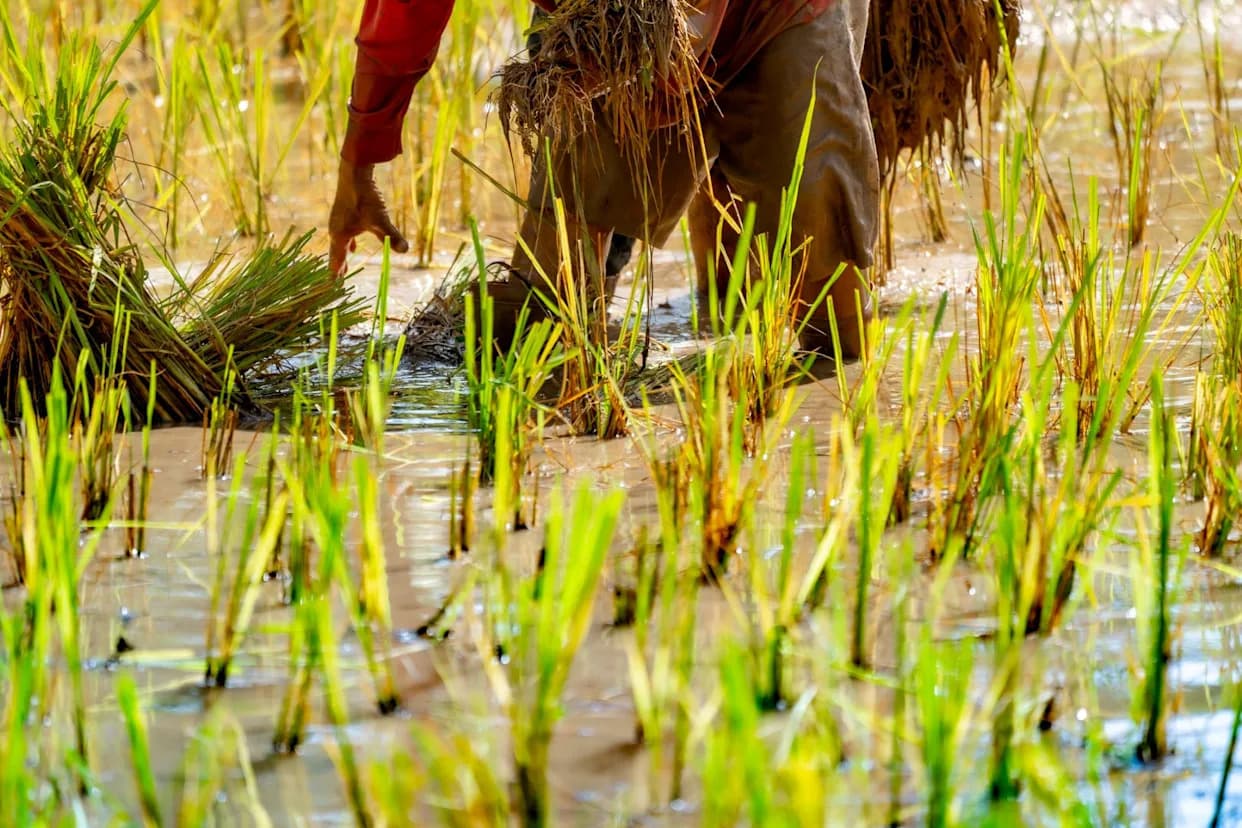
Cultivating one acre of paddy can cost a farmer up to Rs. 150,000 (about $485). If all affected fields had been in production, estimated losses could have reached around Rs. 1.15 billion (roughly $3.7 million). Many farmers financed planting costs with loans or by pawning personal items such as jewelry; these losses increase the risk of default and deepen household vulnerability.
Broader Consequences for Supply and Prices
Lost paddy production tightens local supply and raises production costs, which can ripple through markets and contribute to higher consumer prices for rice and related staples. Even modest drops in local output can translate into higher grocery bills for consumers dependent on domestic supplies.
Government Response and Longer-Term Solutions
The Sri Lankan government announced relief payments of Rs. 150,000 per hectare (about 2.47 acres) to help offset immediate losses. Meanwhile, researchers and development groups are testing measures to reduce climate risk for growers — from improved drainage and flood-resilient irrigation to data-driven approaches such as artificial intelligence for better weather forecasting, optimized planting schedules, and targeted input use.
What Households Can Do
Reducing food waste at home helps honor the effort behind each harvest, eases demand pressure on strained supplies, and can save families money as prices rise. Simple steps like better meal planning, proper storage, and using leftovers can make a difference.
Reporting source: Tamil Guardian. Figures cited are estimates from local reporting and government statements.
Help us improve.