Ilhan Omar’s confrontation with an attacker at a Minneapolis town hall became a powerful symbol of resistance. Her decision to step forward, rather than flee, underscored a larger cultural and political struggle over which kinds of women are allowed public autonomy. The article reviews how rhetoric, executive actions, policy rollbacks on reproductive and labor rights, and immigration enforcement together narrow acceptable definitions of womanhood—and why women-led local resistance has pushed back.
Ilhan Omar’s Defiant Moment: How Her Response Exposed an Assault on Women’s Autonomy
What Ilhan Omar symbolized when she was attacked — and why it drives Trump crazy
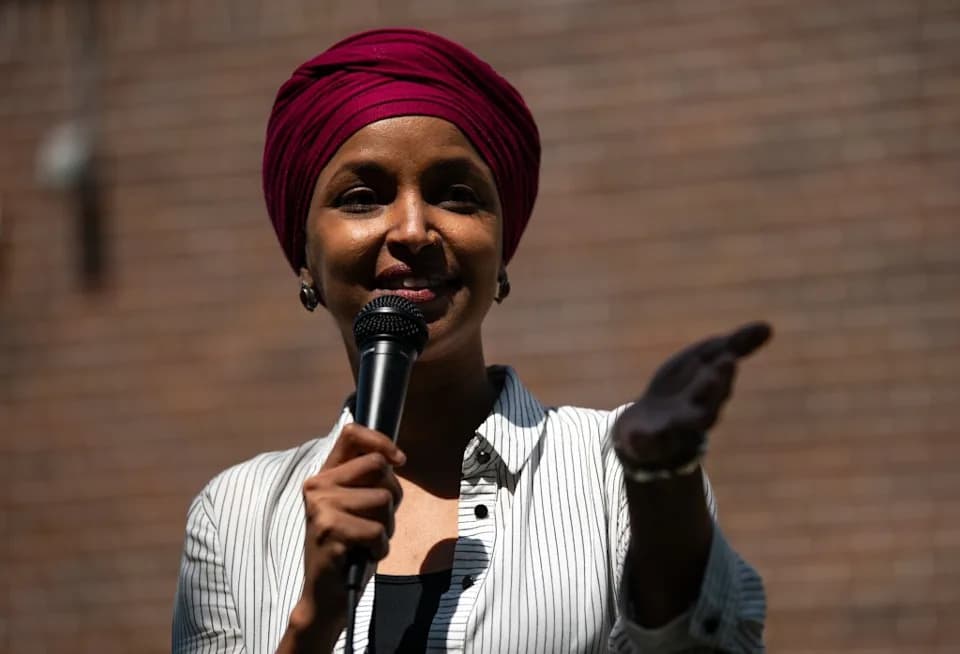
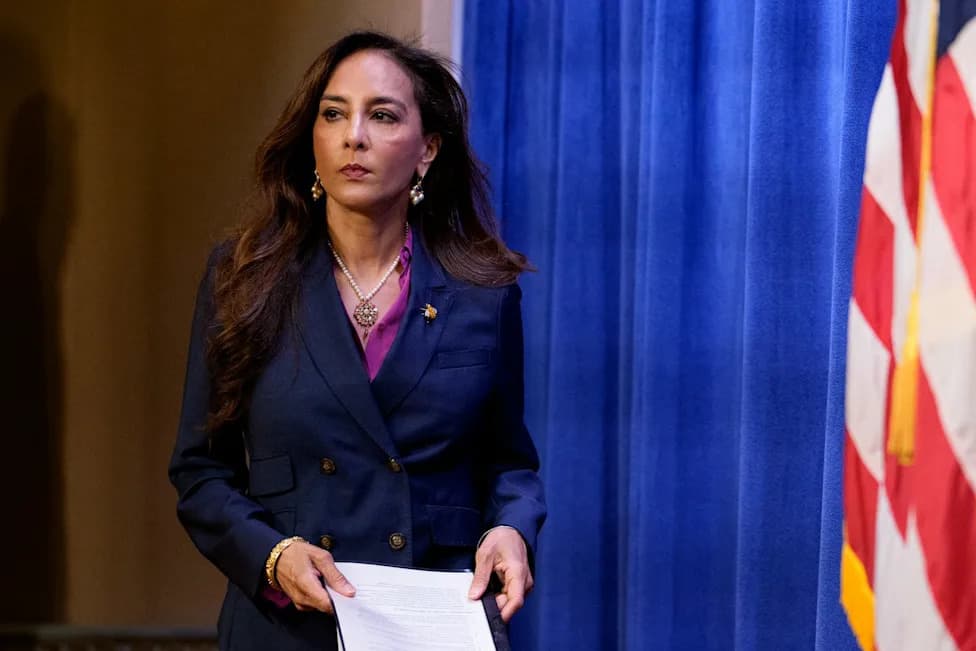
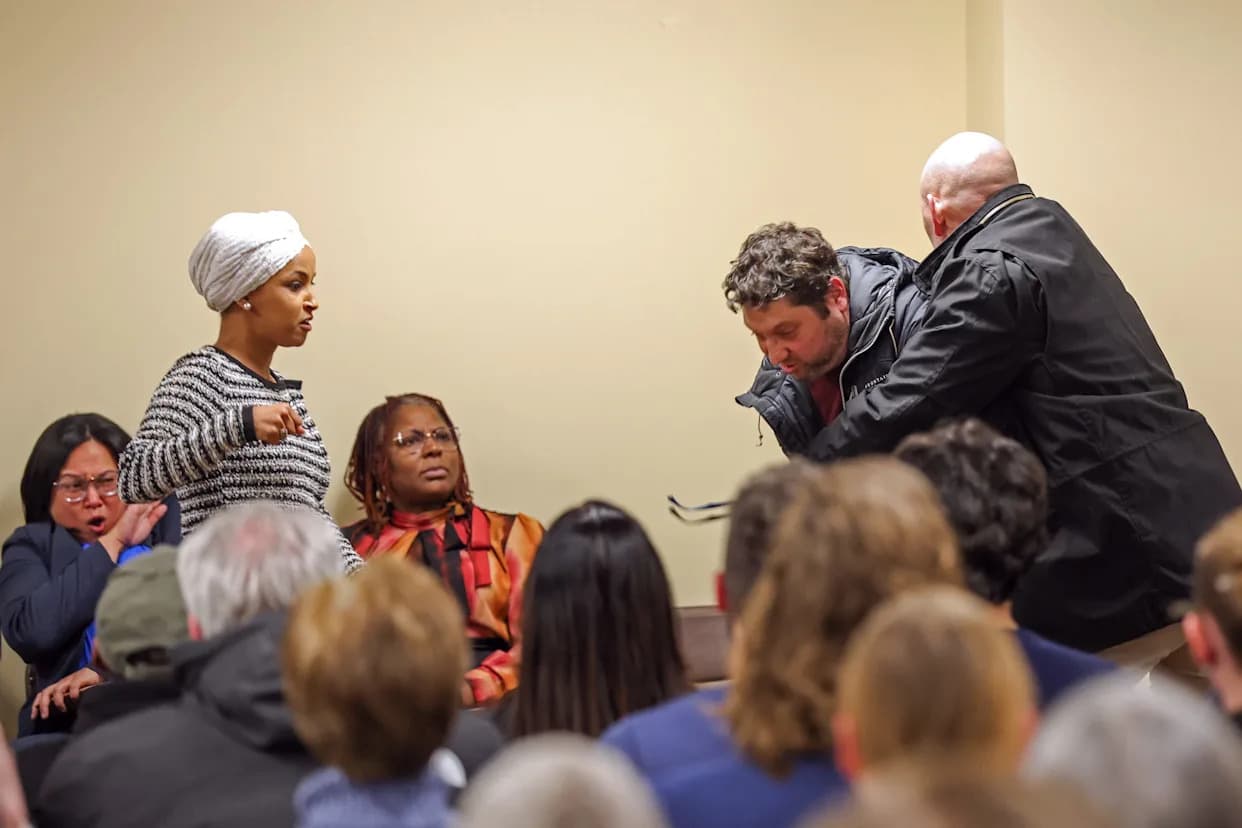
At a north Minneapolis town hall, Rep. Ilhan Omar was confronted by a man who charged at her shouting and appearing to spray a dark liquid from a syringe. Instead of retreating, Omar stepped forward with a raised fist. Security quickly subdued the attacker, and the video of the incident captured a decisive, public display of resistance.
The image mattered. In that instant Omar became more than a single target of an attack: she represented a type of woman this administration and its allies often aim to diminish—independent, outspoken and unwilling to be confined by a narrow set of expectations.
Targeted Rhetoric and Personal Attacks
President Donald Trump has repeatedly targeted Omar with personal insults, including degrading language and xenophobic suggestions that she should "go back" to her country. Around the time of the attack he also publicly cast doubt on the incident, implying it could have been staged—a tactic that echoes a long-standing pattern of accusing women who report or endure violence of fabrication.
Policy Patterns That Narrow Womanhood
Beyond rhetoric, a series of policies and proposals from the administration and allied policy groups have tightened the boundaries of who is considered a legitimate woman in the public eye and what protections are guaranteed. These moves include executive actions and regulations on gender definitions that disproportionately affect transgender and gender-nonconforming people, cuts to federal reproductive-health programs, and restrictions that reduce access to contraception and abortion.
Attacks on diversity, equity and inclusion programs, together with the rollback of remote-work policies, have also pushed many women—especially Black women—out of the workforce. Internationally, funding reductions for maternal-health and anti-trafficking programs have undermined protections for women and children around the world.
Immigration, Family Separation And The Politics Of Protection
Immigration rhetoric has frequently invoked the image of vulnerable white women as justification for harsh enforcement. In practice, aggressive enforcement and deportation policies have separated families and led to the detention of thousands of children. These measures are often presented as "protective" even as they inflict harm on women, children and entire communities.
Proposals To Roll Back Women’s Autonomy
Some policy proposals circulating in conservative circles would further constrain women’s independence—suggestions to cut benefits that help single parents, incentivize marriage and births, and even roll back no-fault divorce. Historically, no-fault divorce reduced domestic violence reporting barriers and lowered suicide rates among women; removing it would limit the ability of people to leave dangerous relationships.
Concrete Harms And Local Resistance
Individual tragedies reflect these broader trends. The killing of Renee Good—whose treatment by an ICE agent was captured on body camera and described as accompanied by contemptuous language—illustrates the stakes for queer women and others who fall outside the administration’s preferred social norms.
At the local level, resistance to immigration raids in Minnesota has been led and sustained by the very women marginalized by this rhetoric and policy: single mothers, women of color, working neighbors and other community defenders. Their coordinated efforts—whistles, legal observers, rapid-response networks—have been both practical and symbolic pushes back against enforcement tactics and political messaging.
Why Omar’s Response Resonated
Omar’s choice to step forward rather than flee offered a visual rebuttal to a politics that seeks compliant, narrow definitions of womanhood. Her action resonated because it signaled refusal: refusal to be shamed, dismissed, silenced or relegated to a subordinate role. For many, she embodied the broader, ongoing struggle over who gets to exist in public life on their own terms.
"This is not just about one attack—it's about a pattern of rhetoric and policy that limits women's autonomy and punishes those who defy narrow norms."
Originally published on MS NOW.
Help us improve.