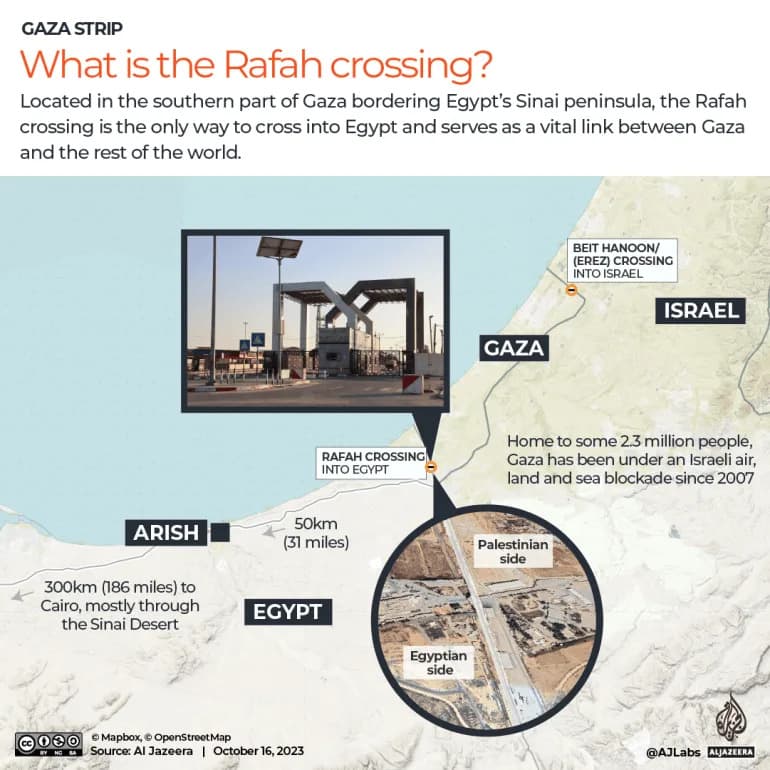
President Trump’s Board of Peace, intended to oversee a Gaza ceasefire, encountered strong international pushback after White House language suggested expanding its role to mediate global conflicts and granted the president extended control. Major Security Council members and several European states declined to join, reaffirming support for the United Nations. Roughly 26 of about 60 invited countries have agreed to participate, while critics warn the board risks politicizing humanitarian efforts and undermining the post‑World War II order.
Trump’s Board Of Peace Proposal Spurs Global Pushback, Reinforcing Support For The U.N.
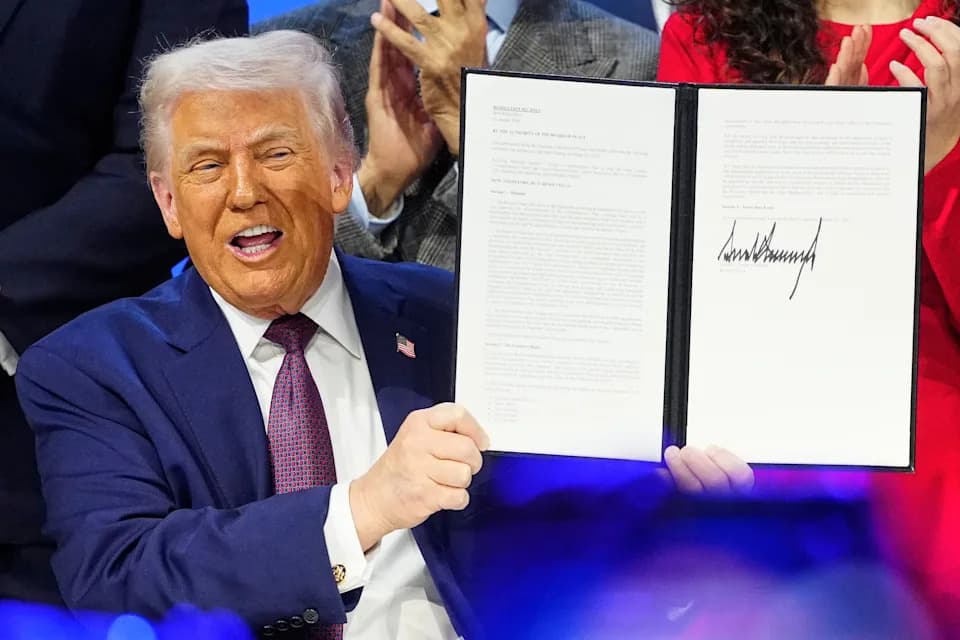
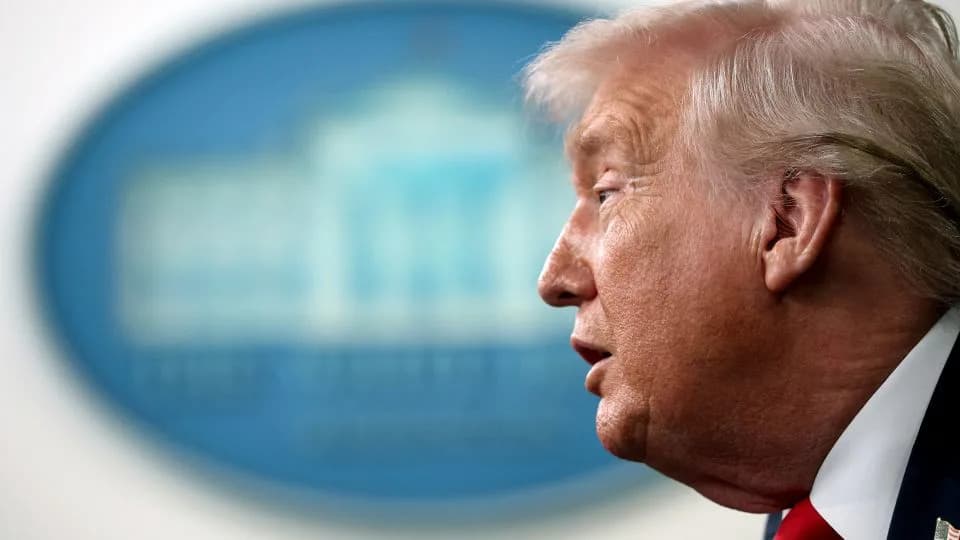
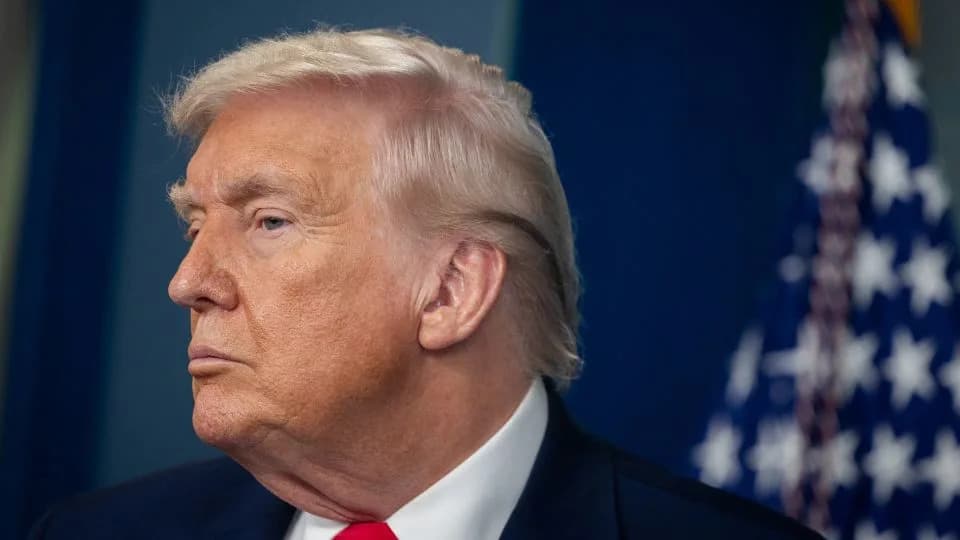
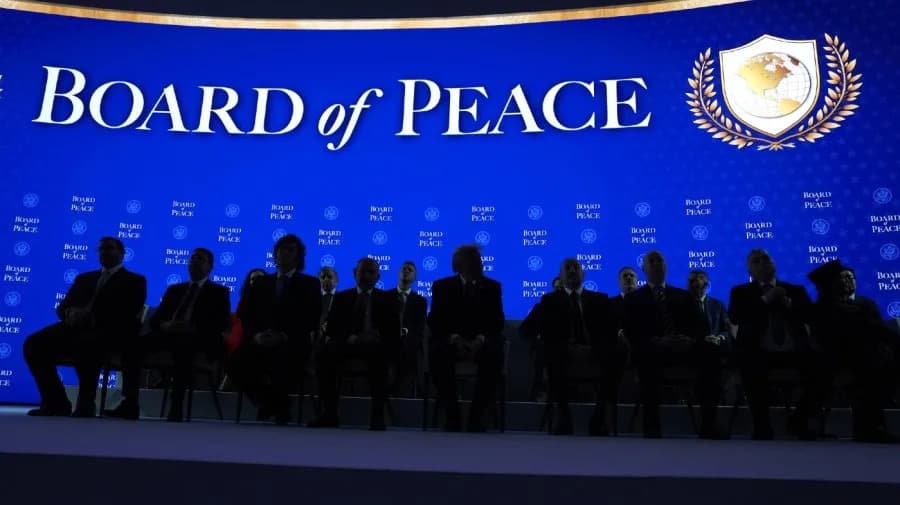
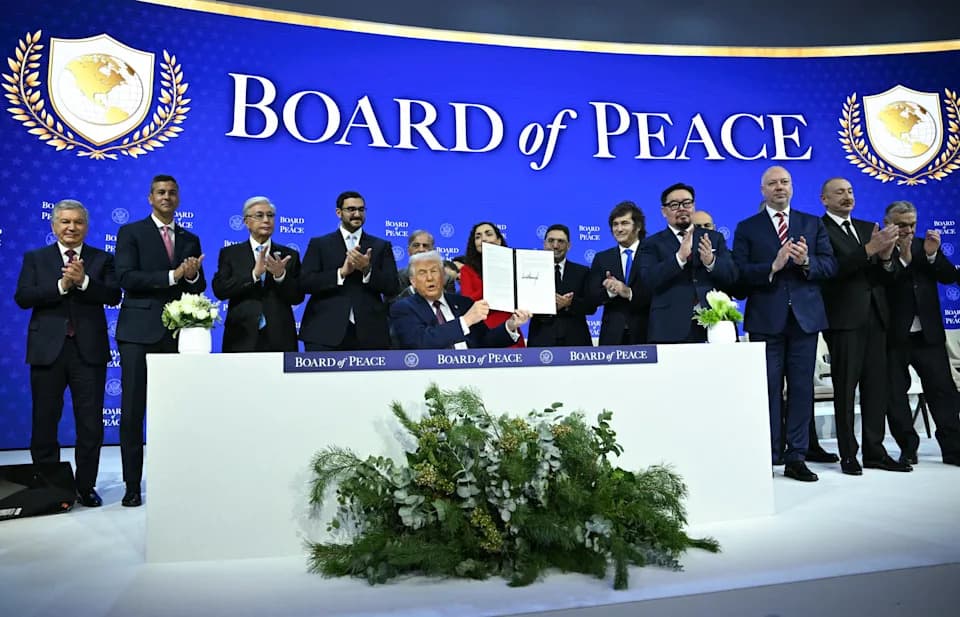
President Donald Trump holds the charter during a signing ceremony on his Board of Peace initiative at the Annual Meeting of the World Economic Forum in Davos, Switzerland, Thursday, Jan. 22, 2026. (AP Photo/Markus Schreiber)(ASSOCIATED PRESS)
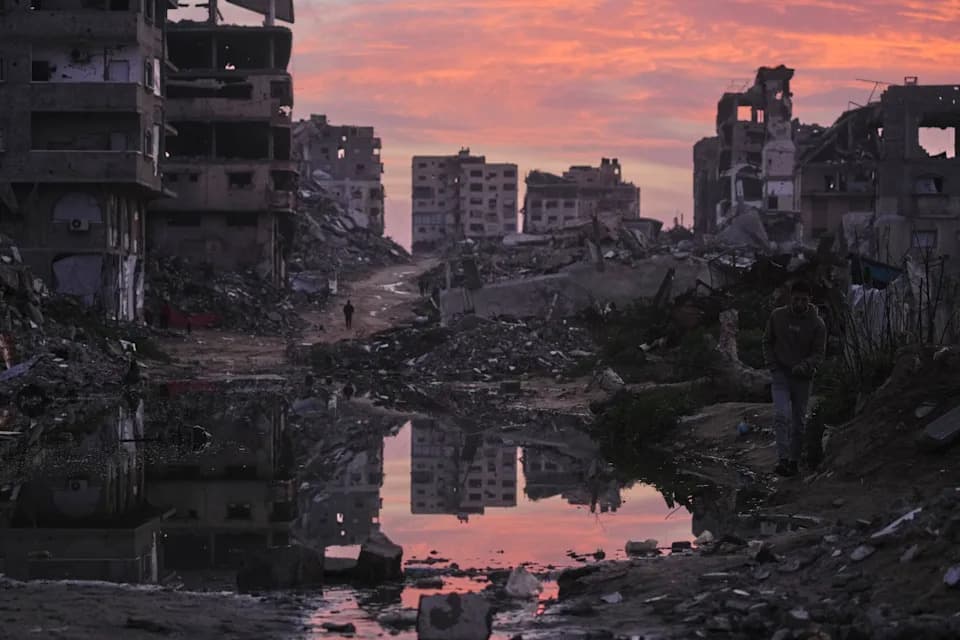
UNITED NATIONS (AP) — President Donald Trump’s newly announced "Board of Peace," initially framed to oversee a Gaza ceasefire, has provoked widespread diplomatic resistance after the White House signaled ambitions to expand its remit to mediate conflicts worldwide. Major powers and many U.N. allies have rejected efforts to elevate the panel into a parallel global security body and instead reiterated backing for the United Nations and the Security Council.
Originally pitched as a compact group of world leaders to shepherd the next stages of a Gaza ceasefire plan, the panel’s draft charter alarmed diplomats by proposing that Mr. Trump would chair the board until he resigned and would have veto-like authority over decisions and membership. That language, combined with public suggestions that the board might someday supplant the U.N., intensified opposition.
Mr. Trump’s secretary of state, Marco Rubio, sought to calm critics by saying the board’s immediate focus remains the Gaza ceasefire. "This is not a replacement for the U.N., but the U.N. has served very little purpose in the case of Gaza other than the food assistance," Rubio told a congressional hearing.
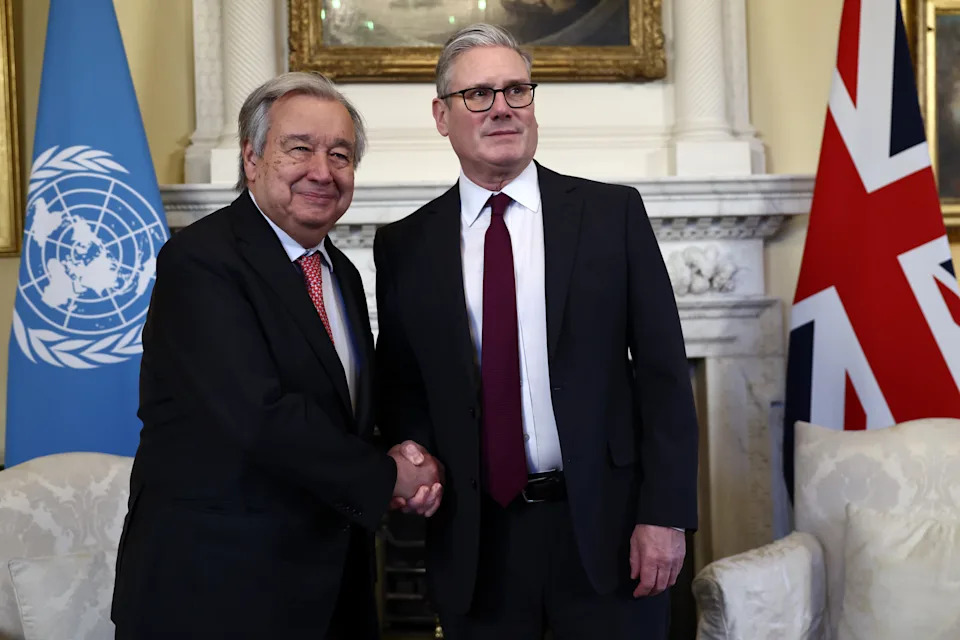
Britain's Prime Minister Keir Starmer, right, welcomes UN Secretary General António Guterres to 10 Downing Street, London, Friday, Jan. 16, 2026. (Henry Nicholls/Pool Photo via AP)(ASSOCIATED PRESS)
“The U.S. rollout of the much broader Board of Peace charter turned the whole exercise into a liability,” said Richard Gowan, a U.N. analyst and program director at the International Crisis Group.
Key veto-wielding members of the Security Council — China, France, Russia and the United Kingdom — have either declined invitations or not signaled willingness to join. Other major economies such as Japan and Germany likewise withheld support. Several European governments explicitly cited potential overlap and conflict with U.N. responsibilities as reasons to refuse.
The board invitations arrived amid a separate diplomatic flare-up after Mr. Trump floated taking over Greenland — a semiautonomous territory of NATO ally Denmark — and threatened sanctions against European states that resisted his policies. That rhetoric drew sharp rebukes from Canada, Denmark and others, complicating White House outreach to potential board partners. Mr. Trump later walked back the Greenland remarks, saying he had agreed with the NATO secretary-general on a framework for Arctic security cooperation.
British Prime Minister Keir Starmer met U.N. Secretary-General António Guterres and reaffirmed "the U.K.’s enduring support for the U.N. and the international rules-based system," and the U.K. declined to join the board. France, Spain and Slovenia publicly refused invitations, with French President Emmanuel Macron warning that the board’s remit went beyond Gaza and raised questions about the core principles and structure of the United Nations. Spain said it would not participate because the Palestinian Authority was excluded and the body operated outside U.N. frameworks.
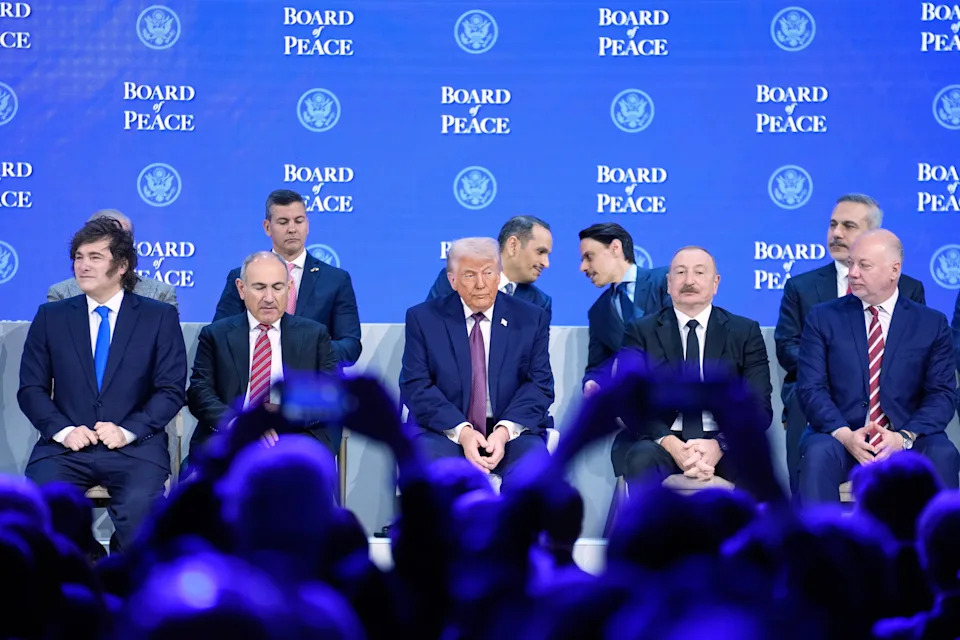
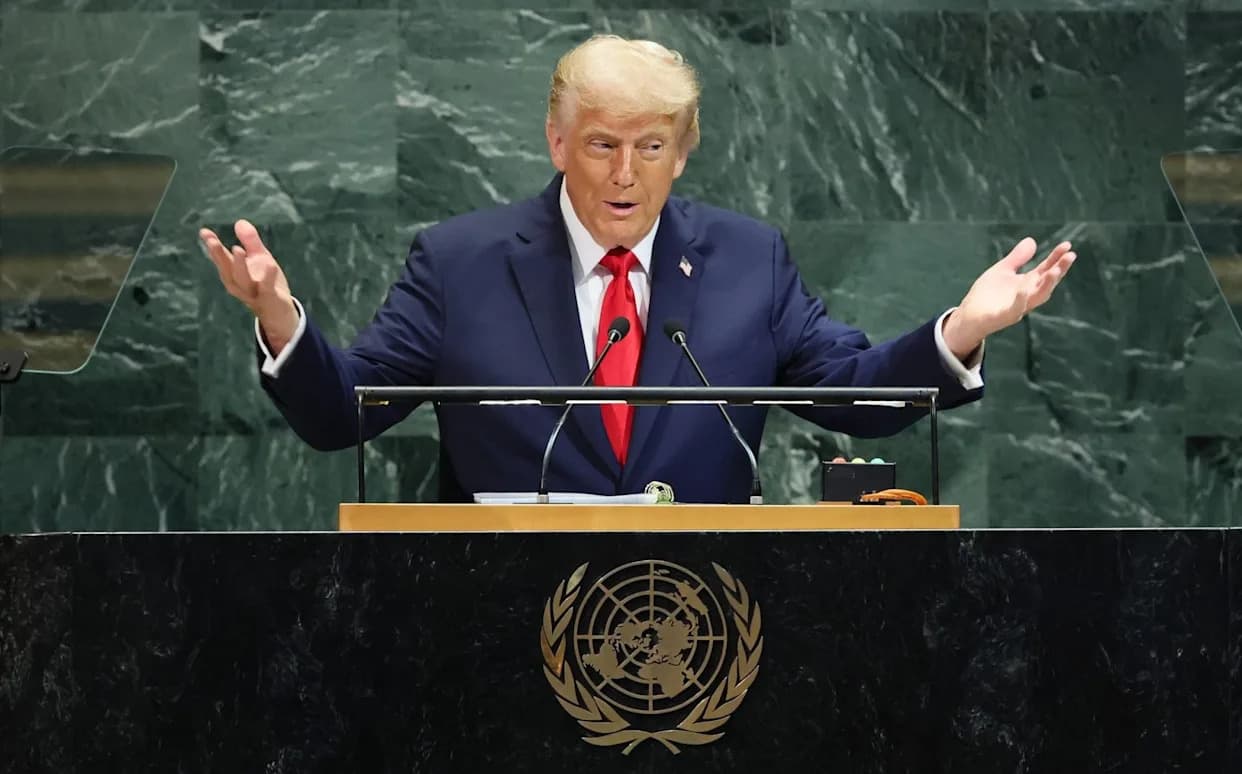
President Trump sits on the podium during a session on the Board of Peace initiative of US President Donald Trump at the Annual Meeting of the World Economic Forum in Davos, Switzerland, Thursday, Jan. 22, 2026. (AP Photo/Markus Schreiber)(ASSOCIATED PRESS)
U.S. rivals also criticized the plan. China’s U.N. ambassador, Fu Cong, called for strengthening the United Nations rather than creating substitute mechanisms, saying the Security Council’s role is "irreplaceable." "We shall not cherry-pick our commitments to the organization, nor shall we bypass the U.N. and create alternative mechanisms," Fu said at a Security Council meeting.
So far, roughly 26 of about 60 invited countries have reportedly agreed to join the board, while about nine European governments have declined. India did not attend Mr. Trump’s signing ceremony in Davos and is still weighing its response. Canada criticized the inclusion of former Bank of England Governor Mark Carney on the invitation list.
Human Rights Watch’s Louis Charbonneau condemned the initiative as appearing partisan and warned against turning it into "a pay-to-play club of human rights abusers and war crimes suspects." At the same time, eight predominantly Muslim countries — Turkey, Saudi Arabia, Egypt, Jordan, Indonesia, Pakistan, Qatar and the United Arab Emirates — issued a joint statement supporting the board’s Gaza mission and the pursuit of Palestinian statehood, while making no public endorsement of a broader global peacemaking role.
Analysts say the board’s short-term focus will likely remain Gaza, and that its draft charter does not provide a clear legal basis for large-scale military interventions elsewhere. "If the board had stayed narrowly focused on Gaza, more states might have joined," Gowan said, adding he is unconvinced the effort poses a long-term existential threat to the U.N.
Bottom line: The Board of Peace has exposed deep transatlantic and global divisions about how best to manage international conflicts and reinforced diplomatic commitments to existing U.N. institutions. For now, many countries favor strengthening the U.N. system rather than endorsing a U.S.-led parallel body.
Help us improve.