Key Points: Secretary of State Marco Rubio confirmed that proceeds from U.S.-sold Venezuelan oil are being routed into a bank account in Qatar, a report first published by Semafor. Democrats and independent observers have questioned the legality, transparency, and choice of Qatar as the account host, drawing comparisons to the Iran-Contra era. Rep. Lloyd Doggett has sent detailed questions to Rubio and Treasury Secretary Scott Bessenta; Cabinet officials have not yet replied.
Rubio Confirms Venezuelan Oil Proceeds Routed To Qatari Account, Prompting Legal and Transparency Questions
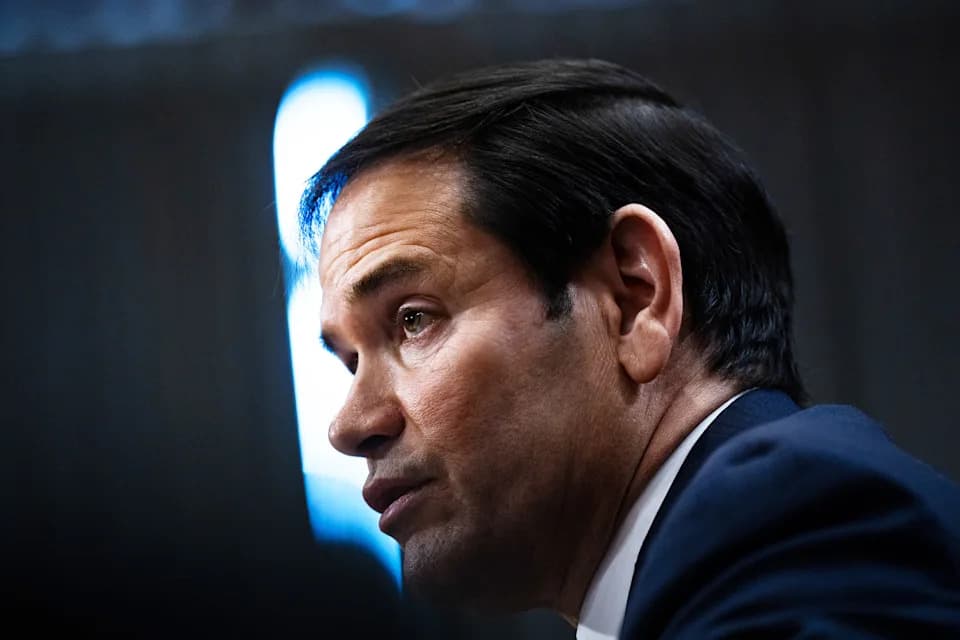
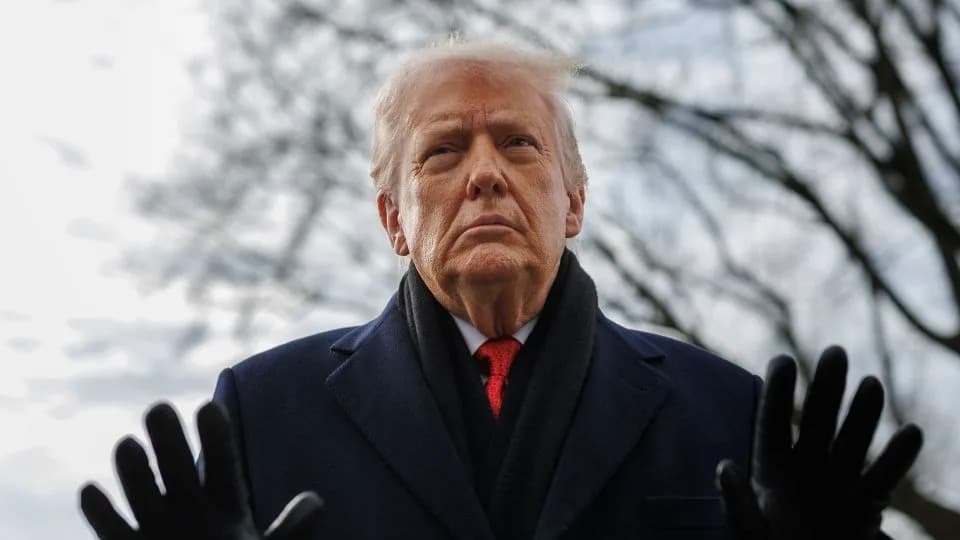
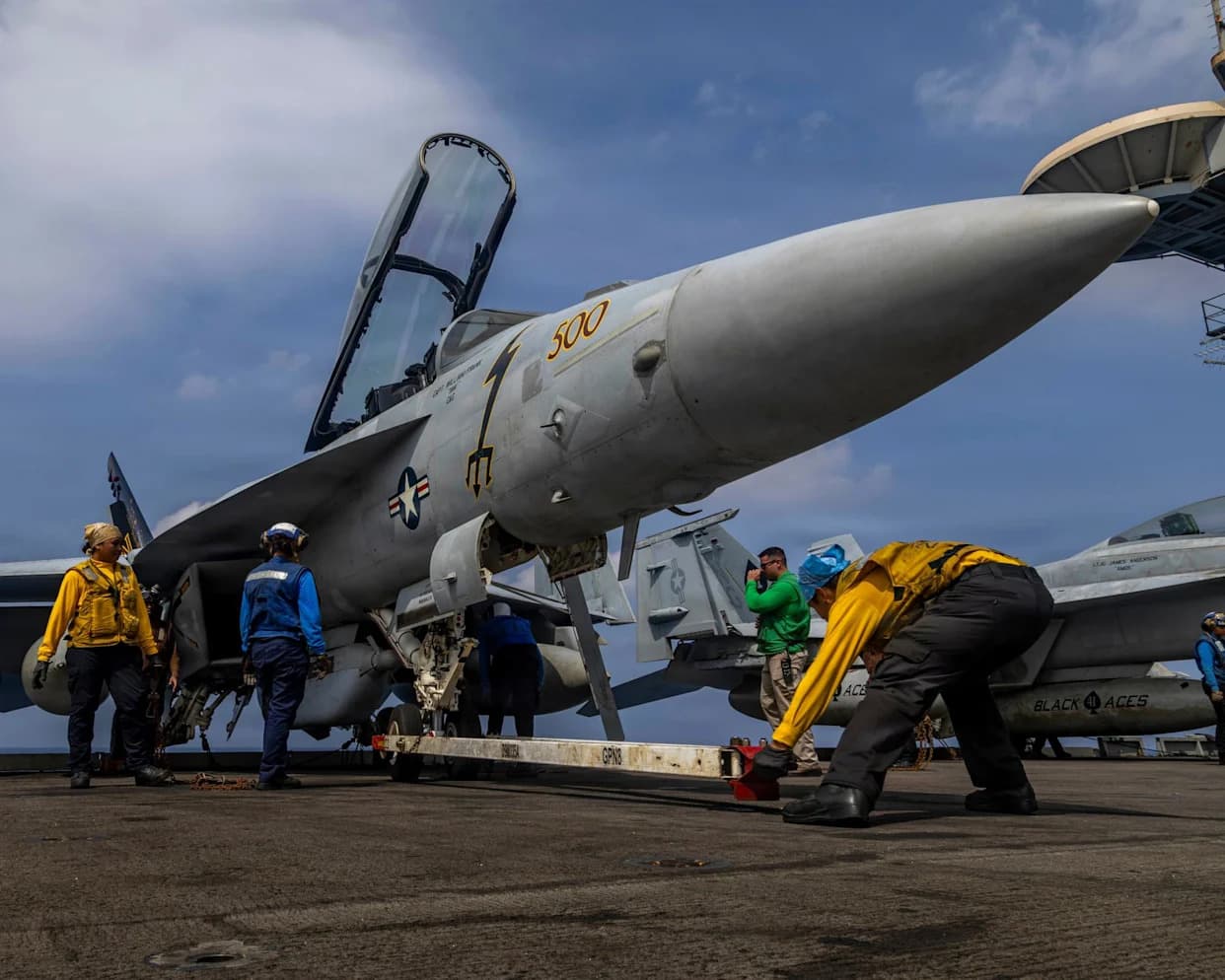
On Jan. 3, President Donald Trump ordered a military operation in Venezuela; the administration subsequently announced the capture of Nicolás Maduro and said it would assume control of the South American country. Three days later, the president said he planned to sell Venezuelan oil and use the proceeds to create a large fund to be disbursed at his administration's discretion.
Soon after oil sales increased, Semafor published a surprising report: revenue from those sales was being deposited into a bank account in Qatar — the Gulf state that recently made headlines in the U.S. for providing President Trump with a luxury jet. (Shortly afterward, the administration announced a NATO-like security guarantee for Qatar.)
About two weeks later, Secretary of State Marco Rubio publicly confirmed Semafor’s reporting. As The New York Times summarized:
"Venezuela’s interim government has agreed to submit a monthly ‘budget’ to the Trump administration, which will release money from an account funded by the country’s oil sales and initially managed by Qatar," Secretary of State Marco Rubio said on Wednesday.
The arrangement immediately drew sharp criticism from Democrats. Mr. Rubio acknowledged the plan was "novel" and hastily arranged, and Democrats questioned both the legality and transparency of routing proceeds from a foreign country's natural resources into an offshore account administered, at least initially, by a third country.
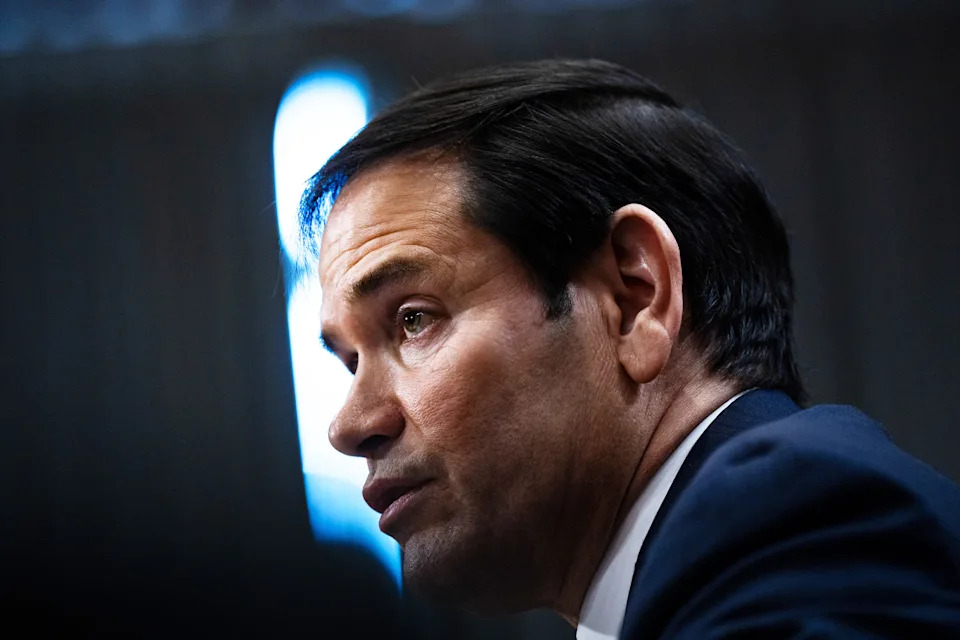
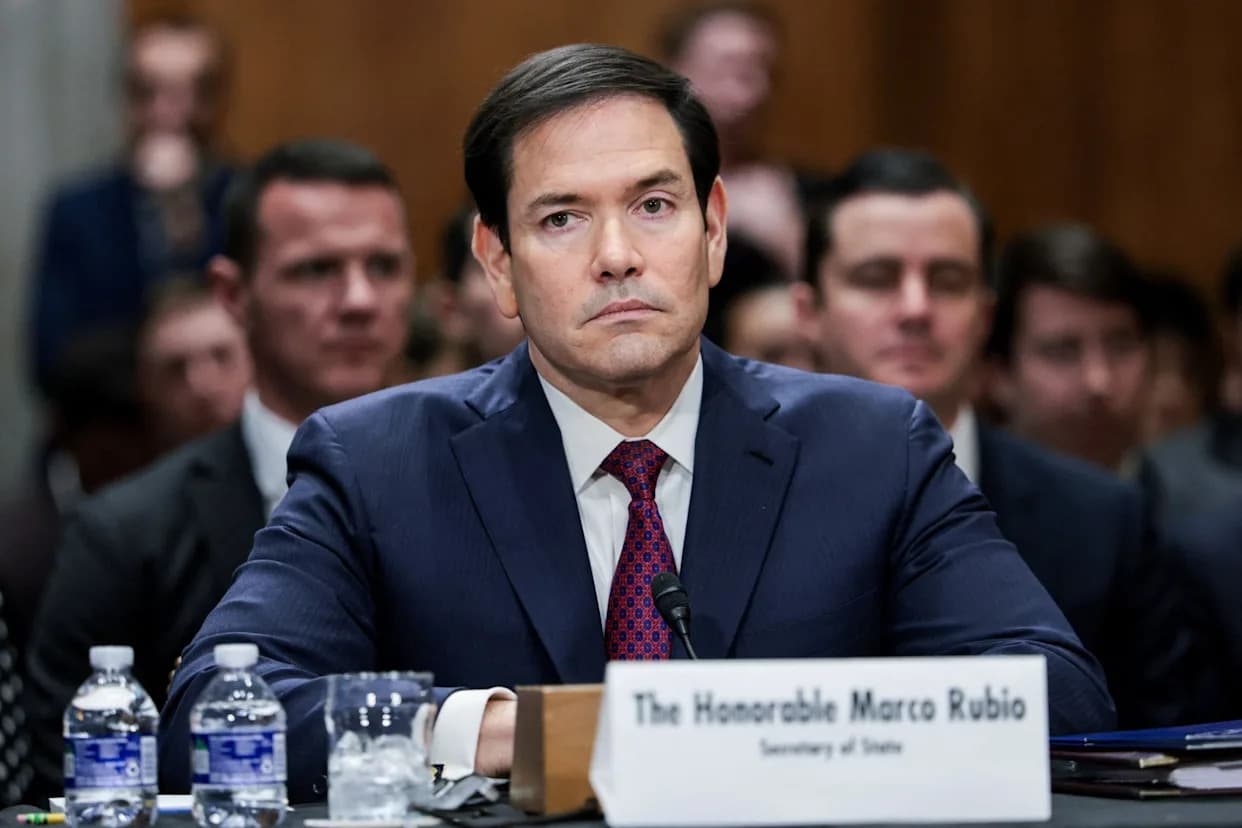
Marco Rubio, US secretary of state, during a Senate Foreign Relations Committee hearing on Jan. 28, 2026 in Washington, D.C.(Al Drago / Bloomberg via Getty Images)
During an exchange with Democratic Sen. Jeanne Shaheen of New Hampshire, Rubio confirmed that when he referred to money being deposited "into an account," he meant an account located in Qatar.
Observers and critics have drawn historical comparisons to the Iran-Contra era: the United States taking control of another country's resources, selling those assets, collecting the proceeds and placing the funds in an offshore account. Supporters of the move argue it may be a pragmatic solution amid unfolding political and security circumstances; critics say it raises urgent questions about oversight and legality.
Democratic Rep. Lloyd Doggett (D-Tex.) responded by sending detailed questions to Secretary Rubio and Treasury Secretary Scott Bessenta. Doggett asked, among other things, what criteria were used to deem Qatar "neutral" and why the administration did not select a country with stronger banking safeguards and a track record of prudent oil-revenue management — for example, Norway, which is widely regarded for its oversight of oil income.
Sample questions from Rep. Doggett's letter included: "You have stated that Qatar was chosen because it is 'neutral' territory. What criteria were used to determine this 'neutrality' and the preference of Qatar over other countries?" and "Why did the Administration not choose a country with much stronger banking laws and a history of robust management of oil revenues?"
As of this writing, Cabinet officials have not publicly answered those queries.
The situation raises immediate policy and legal issues about accountability, jurisdiction, and financial oversight. Congressional inquiries appear likely to continue as lawmakers seek documents and formal explanations of how the account was chosen, who manages it, and what controls exist over disbursements.
Help us improve.