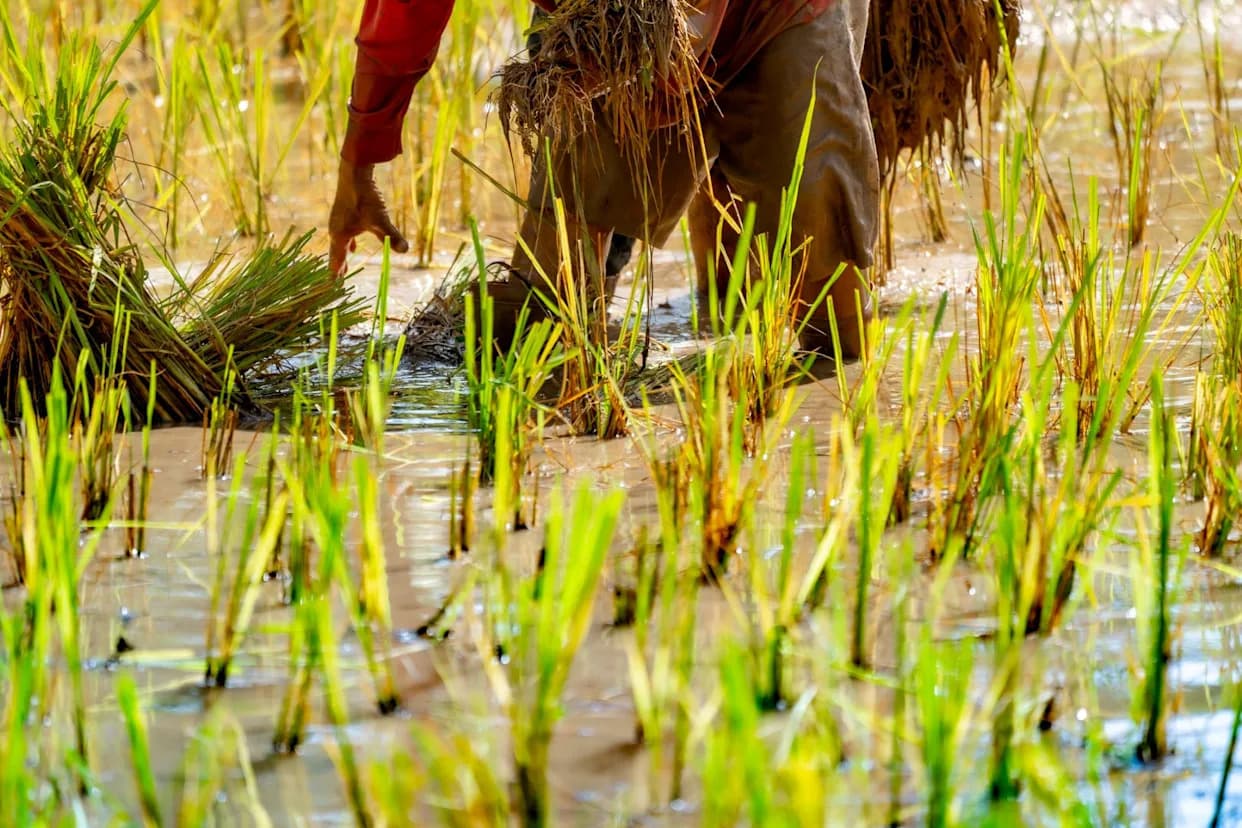
The Discover Agriculture study finds that rising temperatures and more extreme rainfall are already lowering crop yields and destabilising production patterns across India. Researchers warn this will threaten food security, rural incomes and economic stability unless adaptation measures scale up. They recommend crop diversification, improved irrigation, expanded crop insurance and research into resilient crop varieties, and urge international support under the UN Sustainable Development Goals.
Rising Heat Is Cutting India's Crop Yields — New Study Urges Urgent Action
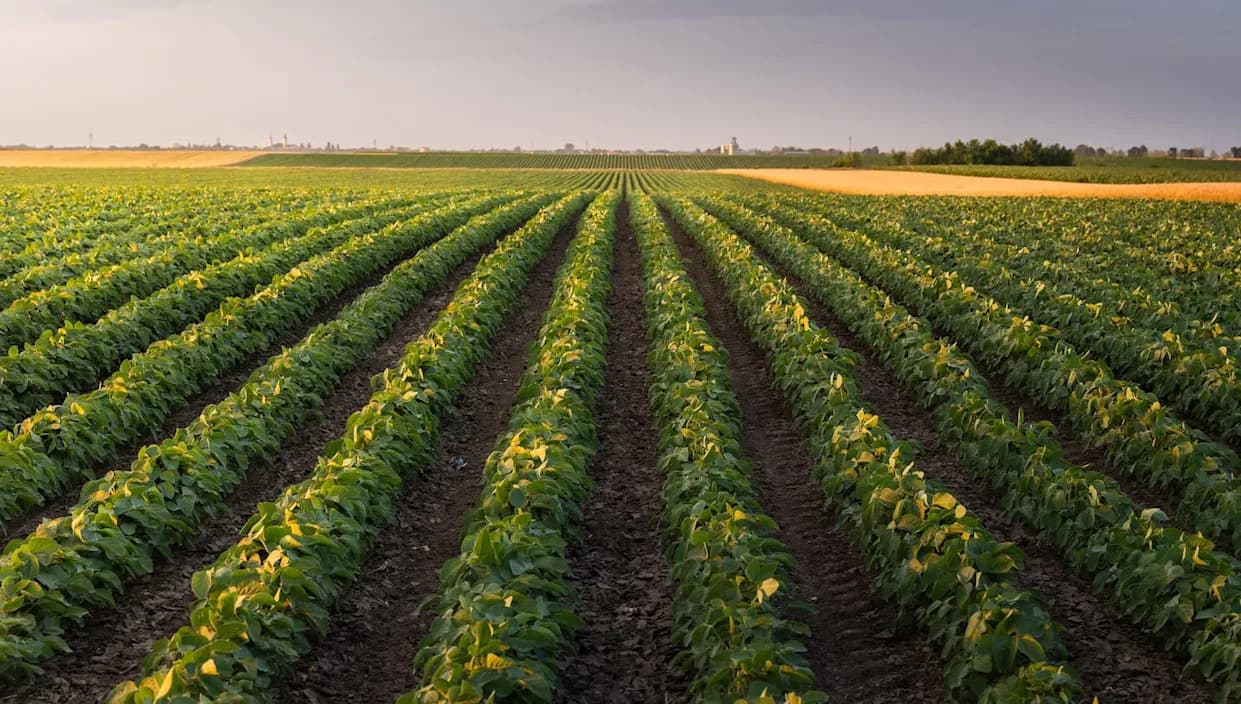
Photo Credit: iStock
A recent study published in Discover Agriculture warns that rising temperatures and more extreme rainfall events are already reducing crop yields across India and destabilising production patterns. The authors say these changes threaten food security, rural livelihoods and the wider economy unless policymakers, researchers and farmers act quickly.
What the Study Found
The researchers analysed climate and agricultural data to assess how temperature increases and shifting precipitation patterns affect harvests. They found that higher average temperatures have reduced yields for multiple staple crops in many regions, while more intense or erratic rainfall has destabilised seasonal production.
The agricultural sector holds immense importance for the Indian economy as it plays a pivotal role in maintaining food security, socioeconomic livelihoods, and economic stability.
Risks Beyond Lower Yields
In addition to direct yield losses, warmer conditions raise the risk of pests and crop diseases that further damage harvests — a concern highlighted by Oxfam and other organisations. Reduced and unstable production can lead to higher food prices, income loss for farming households, and broader social and economic strain in communities that depend on agriculture.
Recommended Responses
To build resilience, the study recommends a combination of short- and long-term strategies: crop diversification, upgraded and more efficient irrigation systems, expanded crop-insurance schemes, and improved monitoring frameworks that help experts track harvests and emerging threats. Technical solutions cited include regenerative farming practices, targeted adjustments to plant micronutrients (for example, zinc), and biotechnology to develop more heat- and drought-tolerant varieties.
Policy, International Support and Individual Actions
The authors stress that strong data and monitoring can strengthen advocacy, attract funding for adaptation, and inform policy changes at regional and national levels. The paper also highlights the role of international cooperation — in line with the UN Sustainable Development Goals — calling on wealthier countries to support lower-income nations' adaptation efforts. At the individual level, reducing greenhouse-gas emissions through transport and energy choices (for example, public transit, electric vehicles, or rooftop solar) can contribute to the long-term effort to limit warming.
Why It Matters
Addressing the agricultural impacts of climate change will be costly and complex, but delaying action could increase malnutrition, water stress and health risks for millions, warns the Forest Stewardship Council. The study aims to provide evidence-based guidance to help governments, researchers and farmers prioritise interventions that protect food supplies and rural livelihoods.
Help us improve.