The fatal shootings of Renée Good and Alex Pretti in Minneapolis were captured by bystanders’ smartphones and quickly spread across social media, helping shape public understanding and political response. A Quinnipiac poll (Jan. 13) found 82% of registered voters had seen the Good shooting video. The footage intensified scrutiny of Operation Metro Surge, spurred bipartisan criticism, and prompted investigators to review officer-held phone and Border Patrol body-camera footage. Citizen recordings continue to drive public debate and calls for accountability.
How Viral Bystander Video Shaped the Public Story of Fatal Minneapolis Shootings
Leila Register / NBC News(Leila Register)
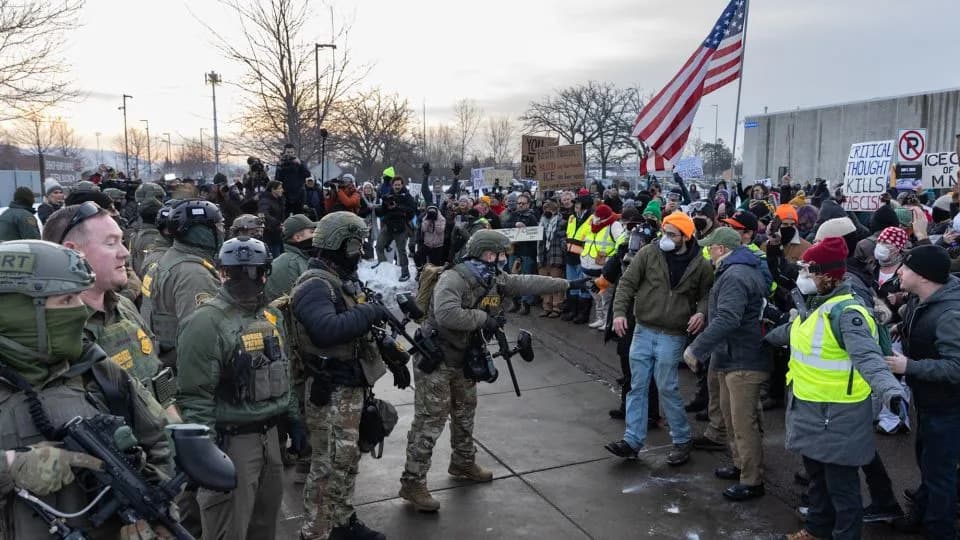
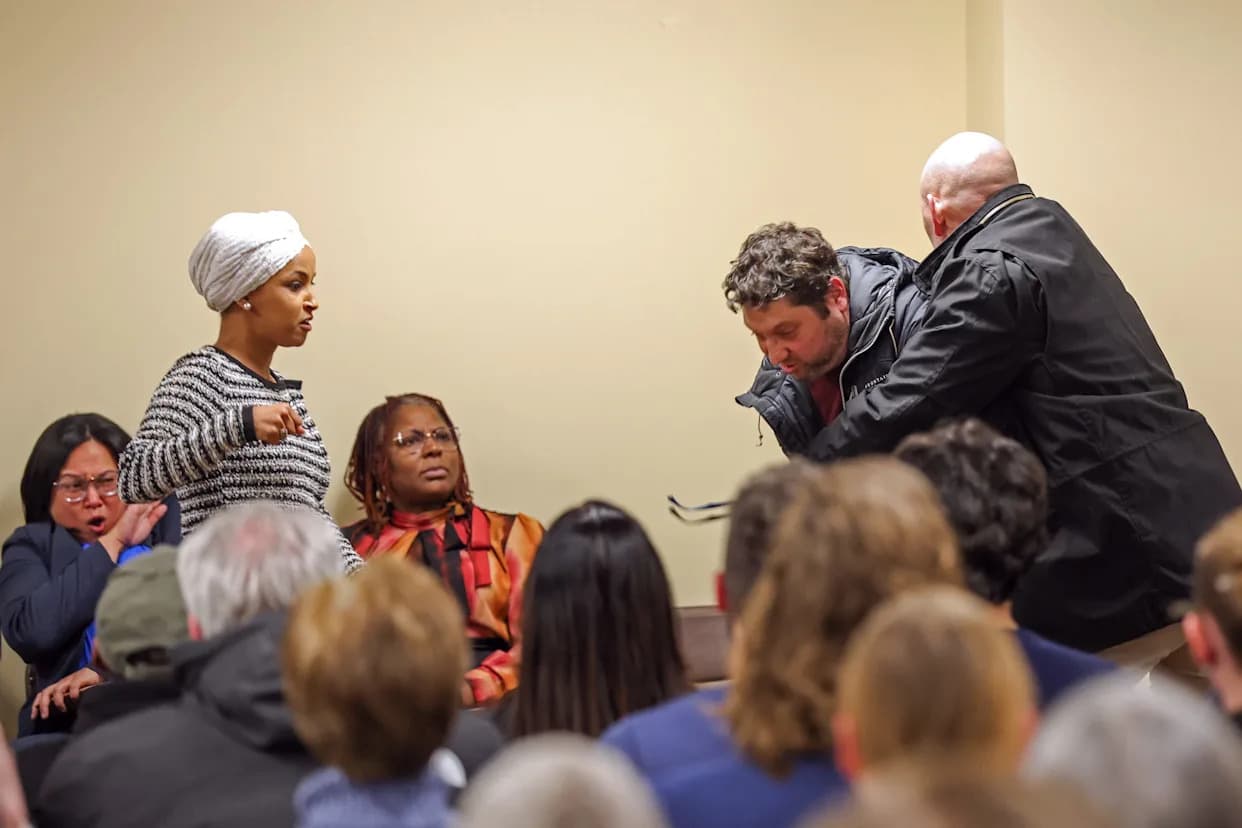
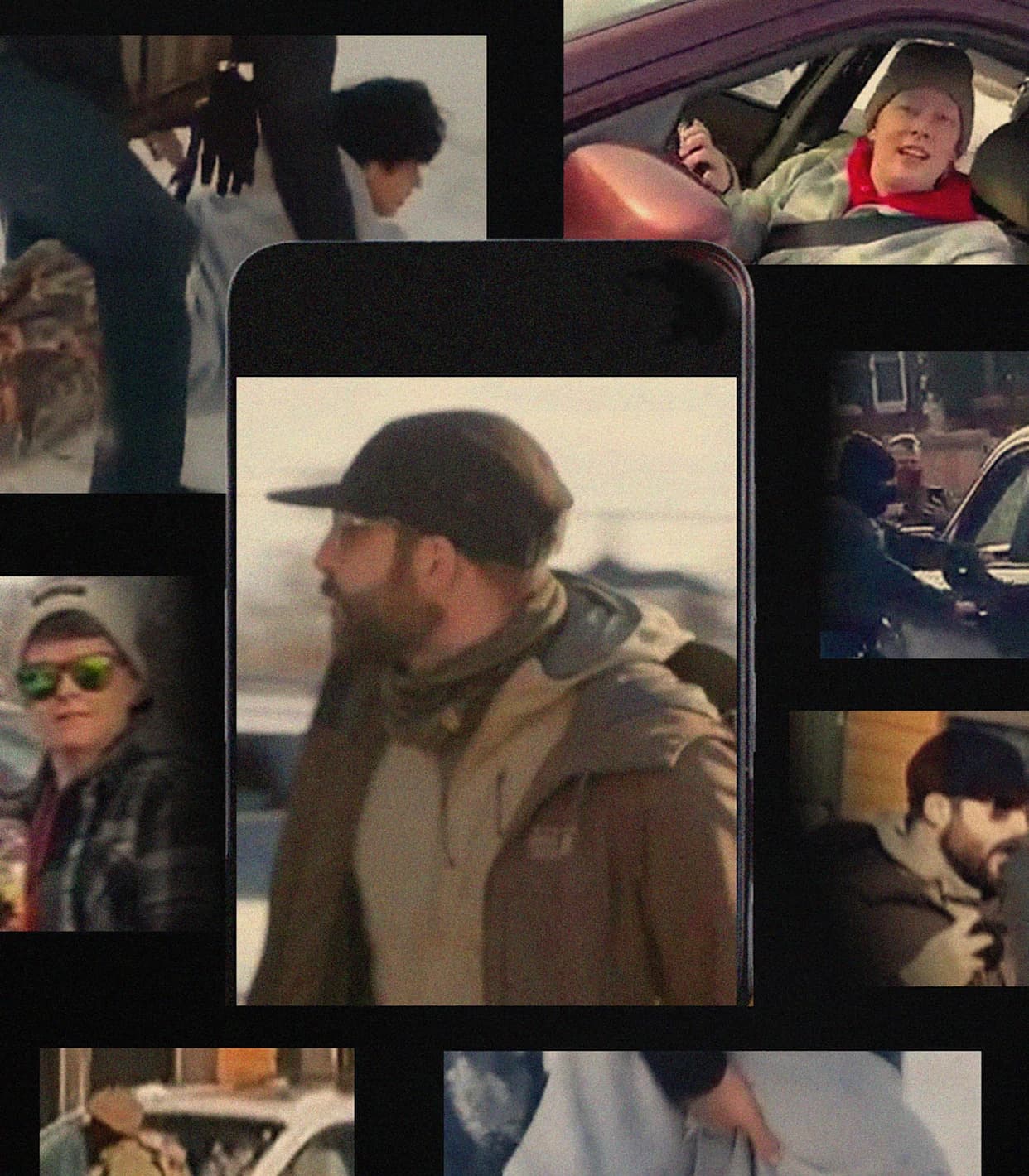
In the snow-covered streets of Minneapolis, residents' smartphones are capturing images and video that are rapidly shaping public understanding of a contentious law-enforcement operation and two fatal shootings.
Footage That Became Central Evidence
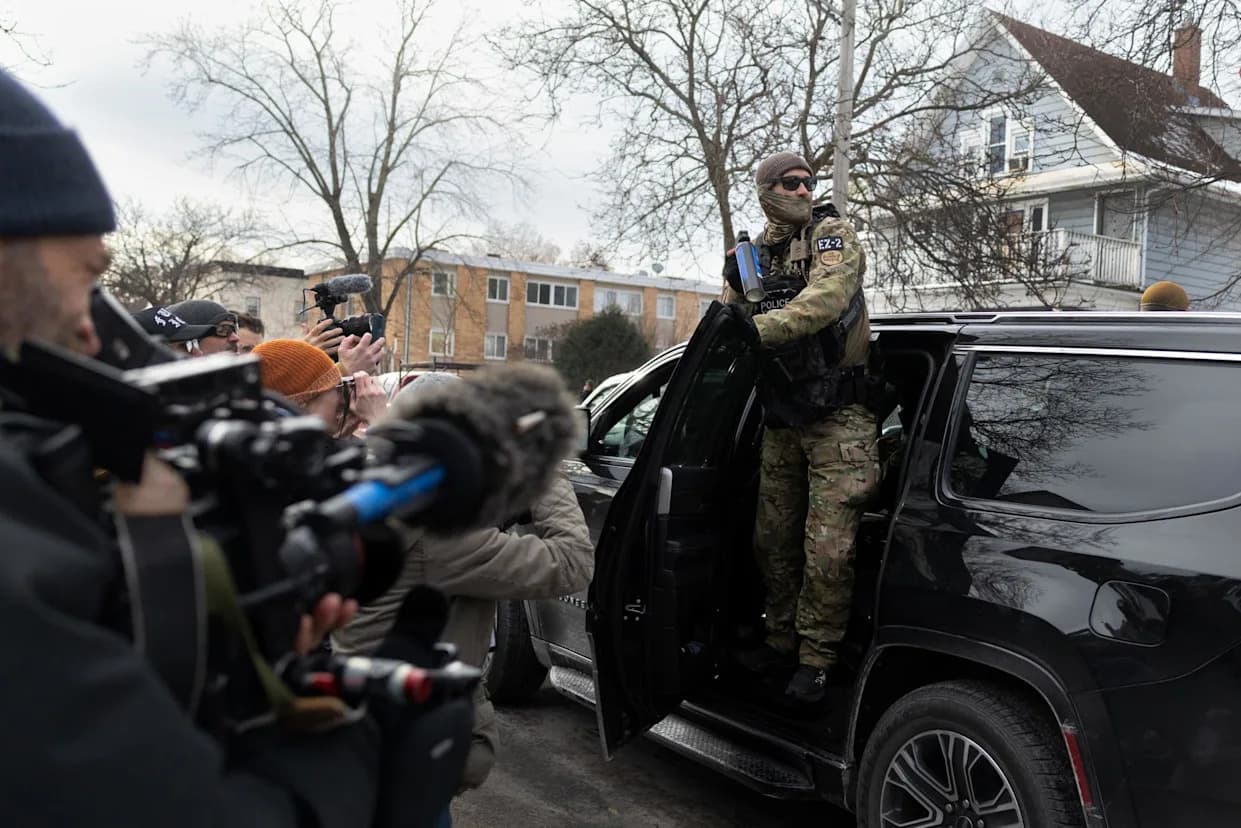
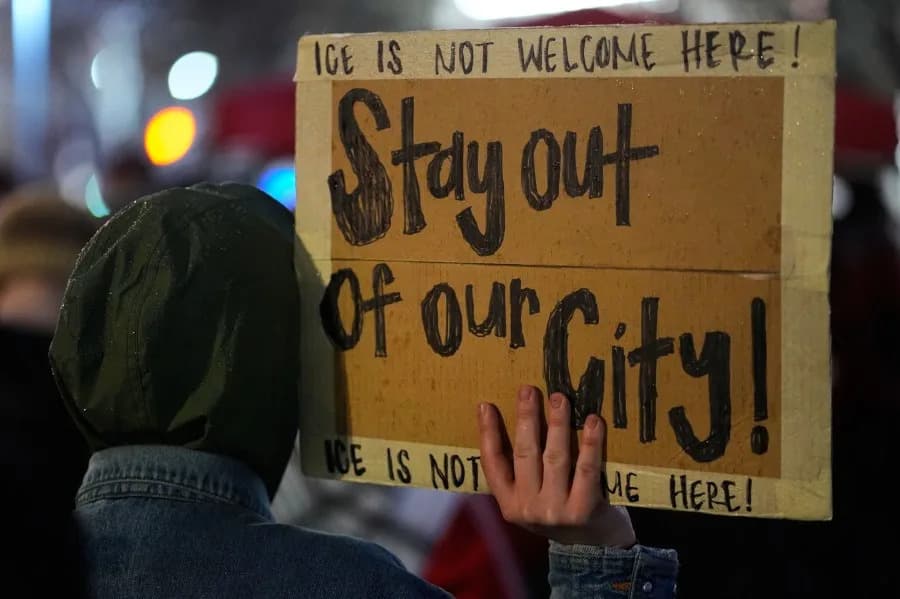
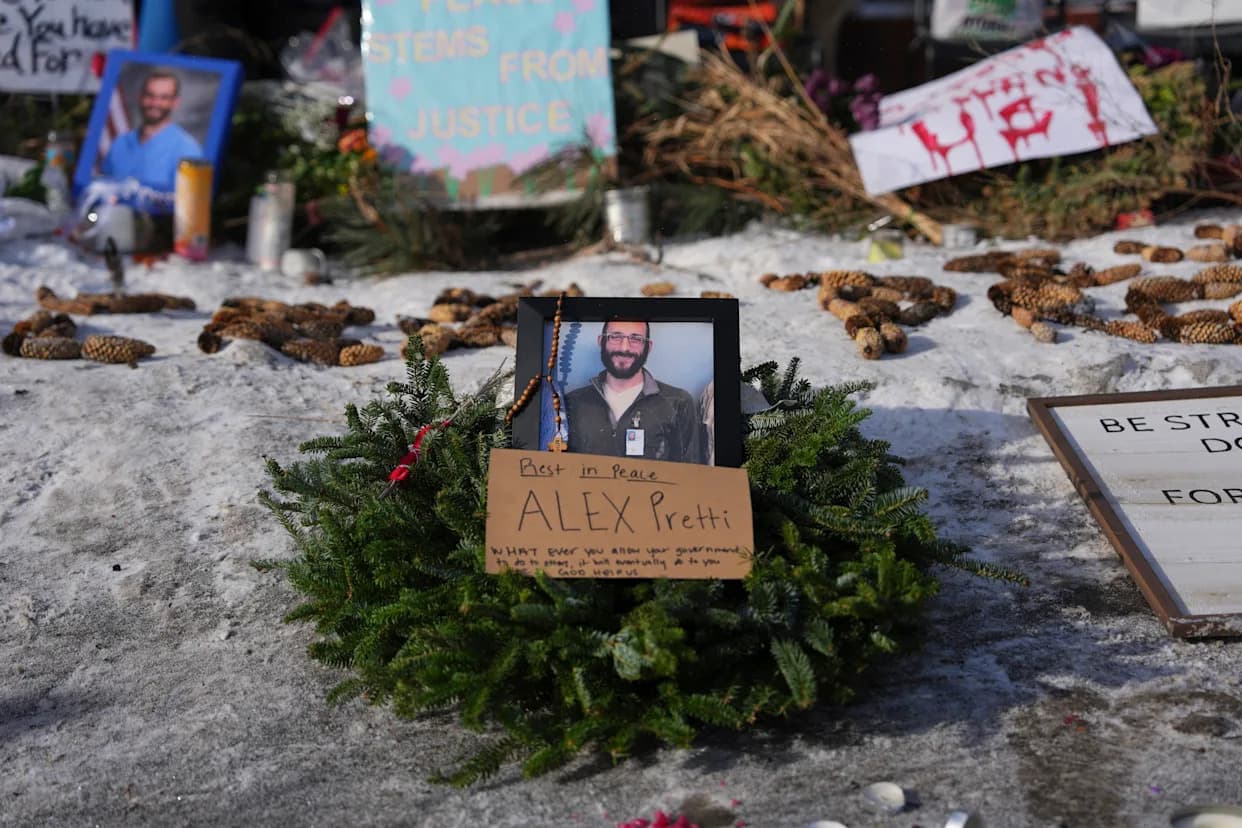
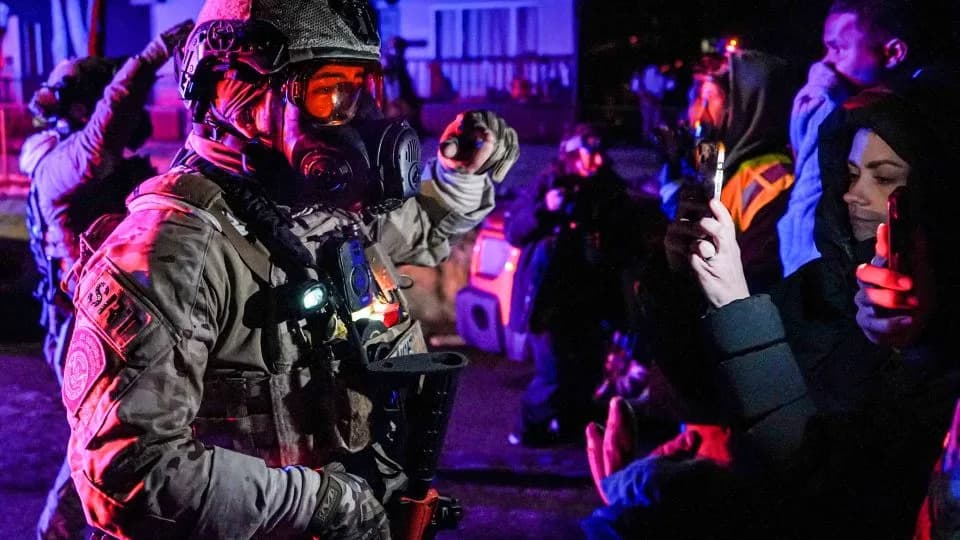
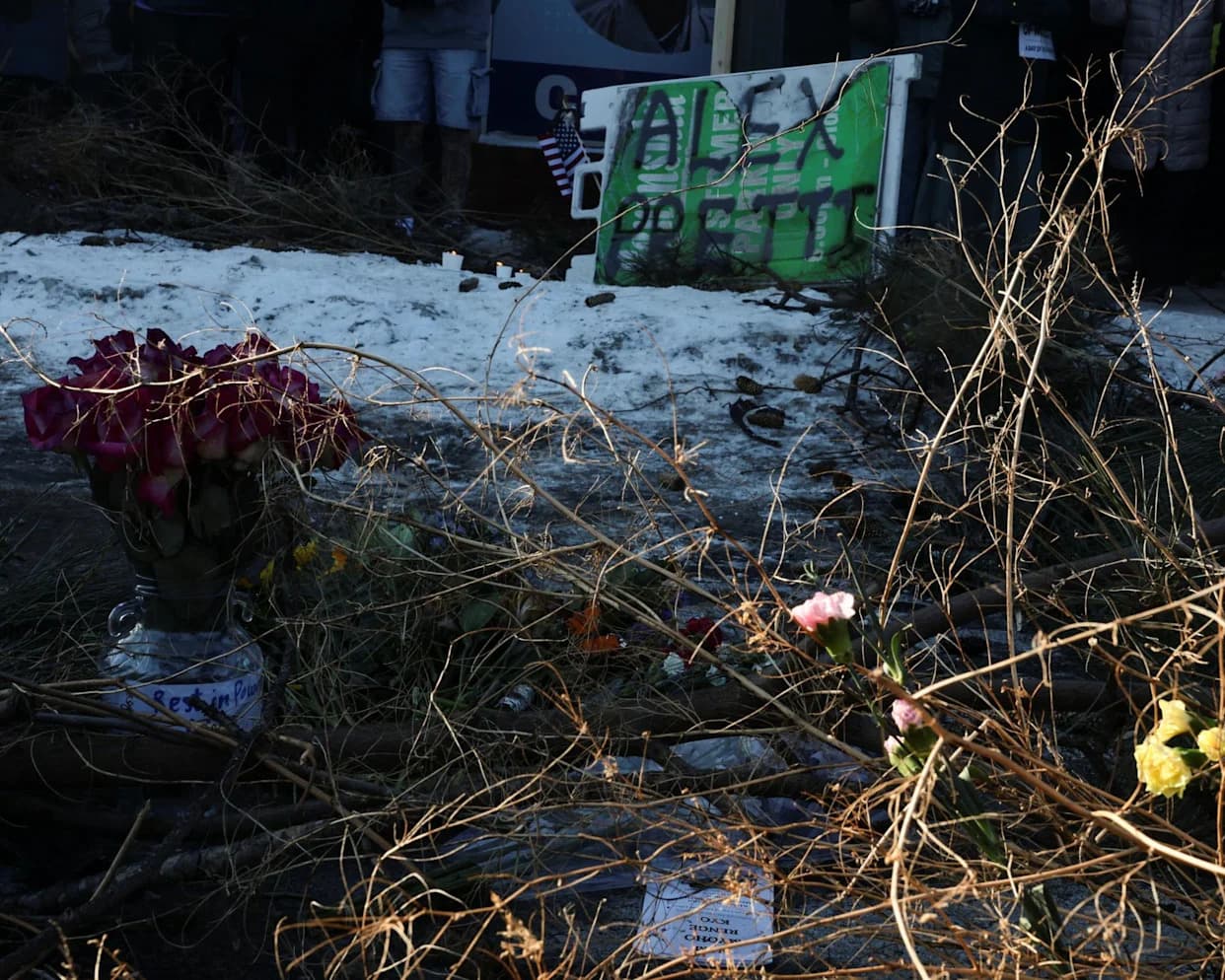
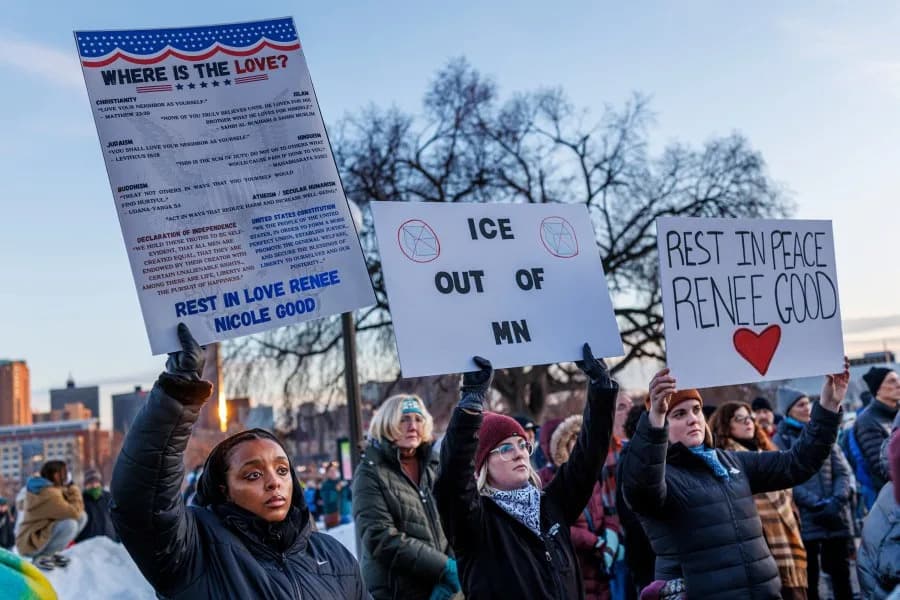
In recent weeks, ordinary people have filmed protests and tense encounters with federal immigration officers across the city. The fatal shootings of Renée Good and Alex Pretti were recorded on shaky bystander video as witnesses stood in the cold within shouting distance of the victims. Those cellphone clips quickly ricocheted across social media, being reshared, scrutinized and debated by journalists, politicians, lawyers, activists and millions of internet users.
A Quinnipiac University poll published Jan. 13 found that 82% of registered voters had seen video of the Good shooting — a figure that has likely grown since then. While raw footage does not resolve every factual or legal question, it has become foundational to the public's perception of the incidents and to the political debate that followed.
From Bystanders to Political Pressure
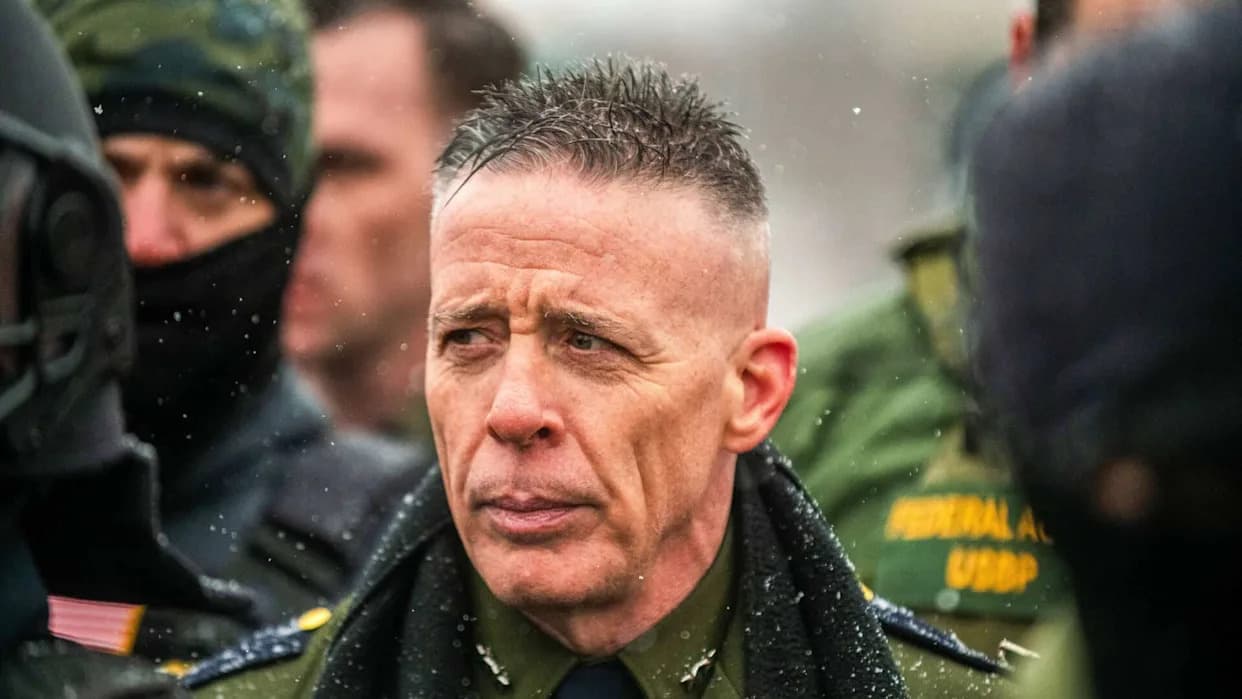
By documenting these encounters, Minneapolis eyewitnesses pushed the Trump administration's Operation Metro Surge into the national spotlight. The videos helped spark bipartisan criticism and contributed to the White House removing a senior law-enforcement official from the city. News organizations analyzed the footage and, in some instances, published reporting that contradicted official statements from federal authorities.
"No longer attached to activism in community associations or local parties, so many people feel that all they can do when angry, outraged, now appalled, is share an image. It is a new political ecosystem," said Sherry Turkle, a clinical psychologist at MIT who studies technology and the internet.
Contested Act: Filming Federal Agents
Recording immigration agents has itself become a contentious act. Some view it as a civic duty and a form of accountability; some federal officials have criticized such recordings as an impediment to enforcement. In early July, before the Minnesota operation intensified, Homeland Security Secretary Kristi Noem warned that violence against federal officers could include "videotaping them where they're at." After Good's death, Minnesota Gov. Tim Walz urged residents to "take out that phone and hit record," and later called for a database of recordings to preserve evidence for possible prosecution.
What the Videos Show—and What Investigators Are Reviewing
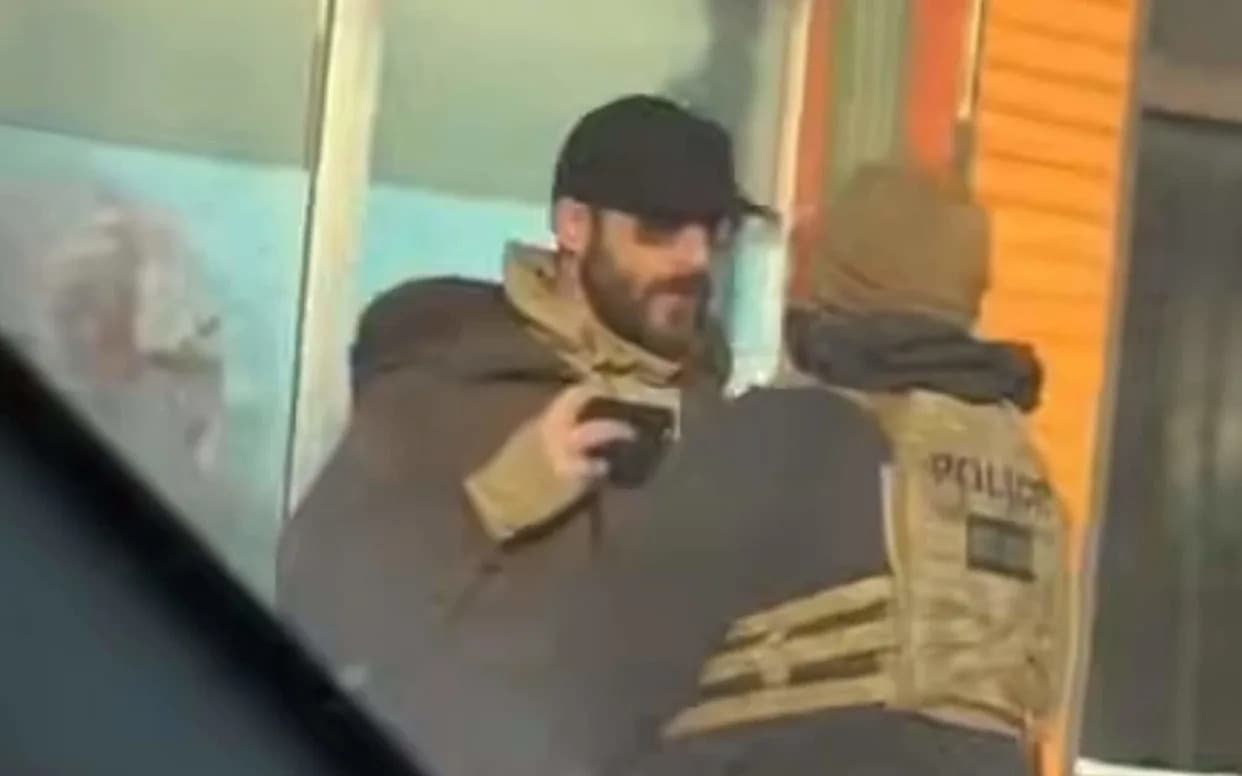
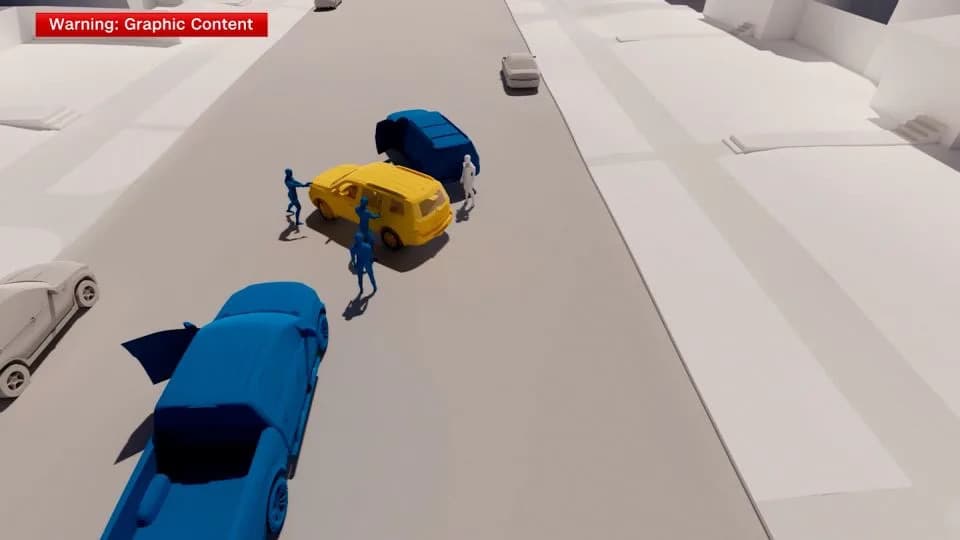
The footage from Minneapolis includes more than chaos: it documents protests, community solidarity, and grassroots organizing in a Midwestern center of progressive politics. It also captured details that have become important to investigators and the public. Alex Pretti was holding a phone moments before he was shot; officials said he had a holstered firearm he was legally permitted to carry, and some video appears to show an agent removing the gun from Pretti's waist before the shooting.
Investigators are not relying solely on bystander clips. Good’s encounter with ICE officer Jonathan Ross was partially recorded on the officer’s own phone and later released. Department of Homeland Security officials say they are reviewing body-camera video from multiple Border Patrol agents involved in the Pretti killing, though that footage has not been made public and the agents have not been identified.
Broader Context and Impact
The Minneapolis videos are part of a global pattern in which ubiquitous smartphone cameras allow civilians to document unrest and challenge official narratives. The widespread circulation of dramatic visual imagery on platforms such as TikTok, YouTube and Instagram can move public opinion fast; media theorists note that younger audiences in particular often consume news through short video clips.
Local voices behind the cameras have also come forward. Stella Carlson, the Minneapolis resident who recorded the footage of Pretti’s fatal encounter, told CNN she stayed at the scene because of the "collective actions" and organizing across the city after thousands of federal officers arrived. "I knew that this was a moment, and we all have to be brave and we all have to take risks," she said.
Officials and the public will continue to weigh citizen-shot video alongside officer-held recordings, body-camera footage and other evidence as investigations proceed. Meanwhile, the viral clips have already influenced public debate, political pressure and calls for accountability.
Help us improve.