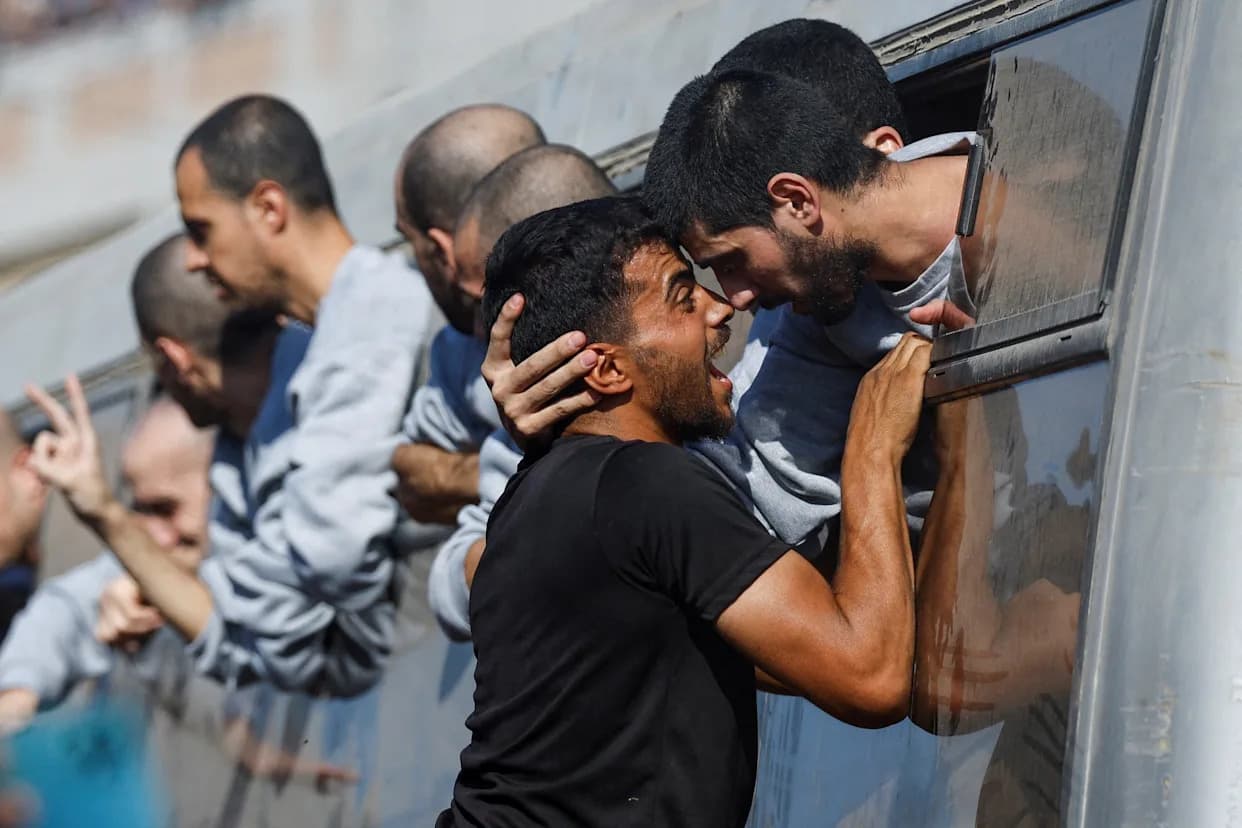
The Gaza Health Ministry says Israel handed over the remains of 15 Palestinians on Thursday, completing the final prisoner-body exchange required by the first phase of the U.S.-brokered ceasefire. The transfer followed Israel's discovery of the remains of the last Israeli hostage, Ran Gvili. Despite the phased ceasefire, violence has continued: Gaza health officials report approximately 492 deaths since the truce began, and recent strikes killed three Palestinians. The Rafah crossing may open soon for limited medical evacuations, but Israel says it will remain closed to goods.
Israel Returns 15 Palestinian Bodies in Final Exchange of Ceasefire's First Phase as Gaza Toll Continues
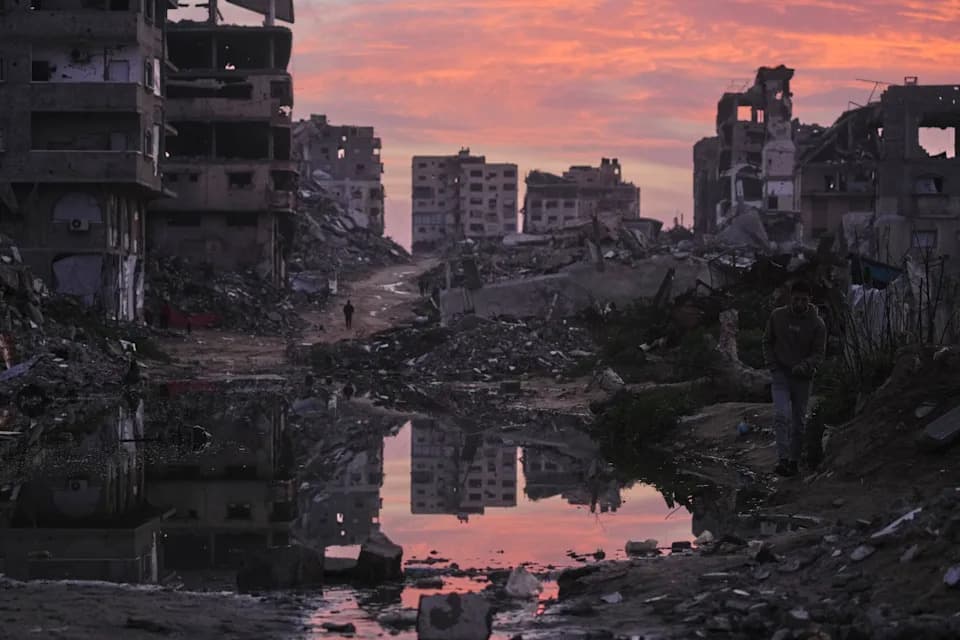
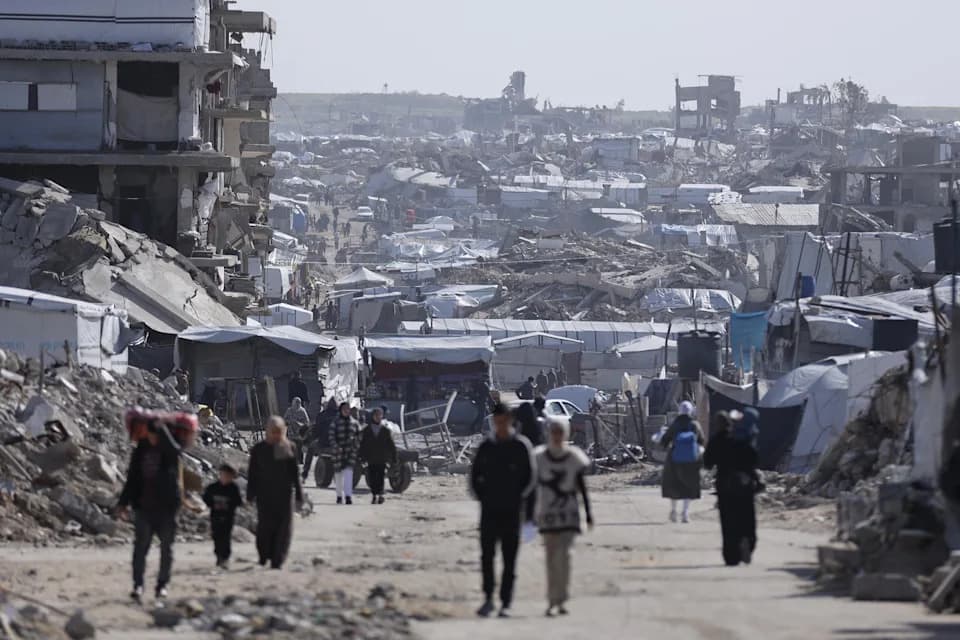
Palestinians walk amid buildings destroyed by Israeli air and ground operations in Gaza City, Thursday, Jan. 29, 2026. (AP Photo/Jehad Alshrafi)(ASSOCIATED PRESS)
DEIR AL-BALAH, Gaza Strip — Israeli authorities on Thursday handed over the remains of 15 Palestinians, Gaza Health Ministry officials said, completing the final prisoner-body exchange called for in the first phase of the U.S.-brokered ceasefire agreement reached in October.

Palestinians watch the sun set over the Mediterranean Sea in Gaza City, Thursday, Jan. 29, 2026. (AP Photo/Jehad Alshrafi)(ASSOCIATED PRESS)
International Committee of the Red Cross personnel helped facilitate the transfer, and the bodies were taken to Shifa Hospital in Gaza City, Zaher al-Wahidi, a health ministry spokesperson, said.
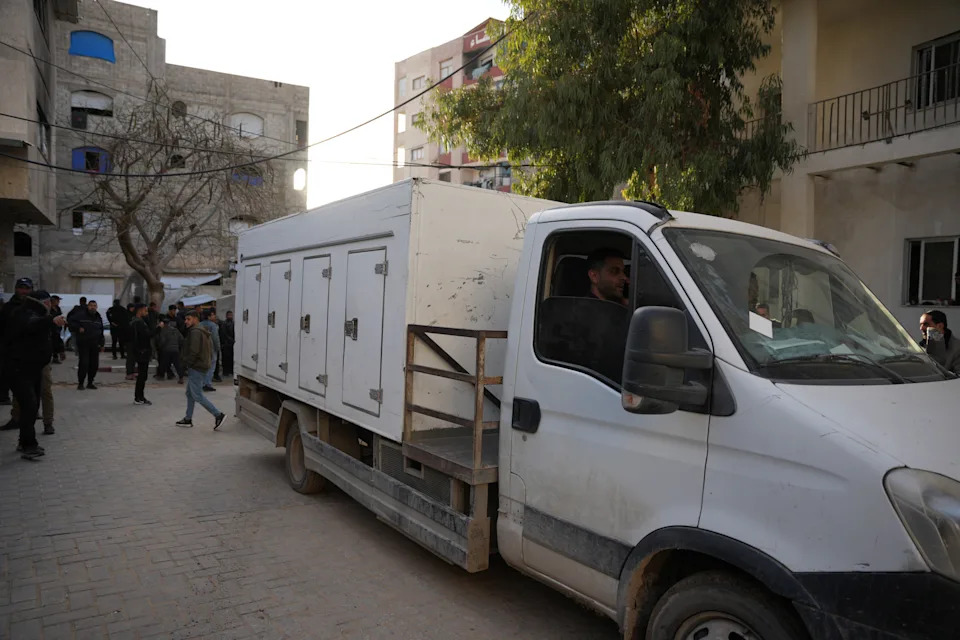
Red Cross vehicles transport bodies of Palestinians returned from Israel as part of the ceasefire deal to Shifa Hospital, in Gaza City, Thursday, Jan. 29, 2026. (AP Photo/Abdel Kareem Hana)(ASSOCIATED PRESS)
Exchange Terms and Context
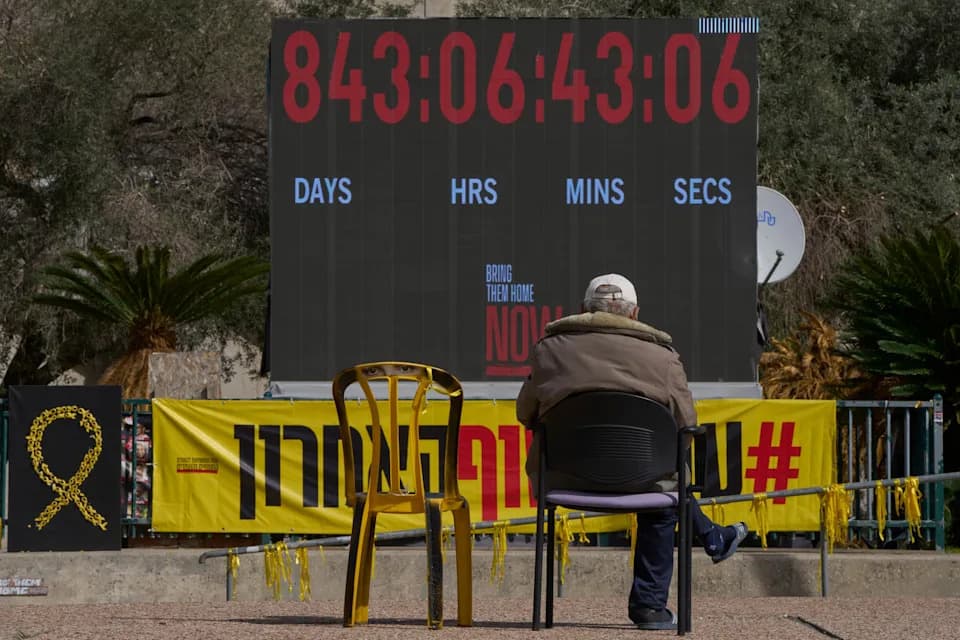
Under the ceasefire terms, Israel agreed to return 15 Palestinian bodies for each Israeli hostage recovered. The handover followed Israel's discovery of the remains of the last Israeli hostage, police officer Ran Gvili, found earlier this week after a lengthy search in northern Gaza.
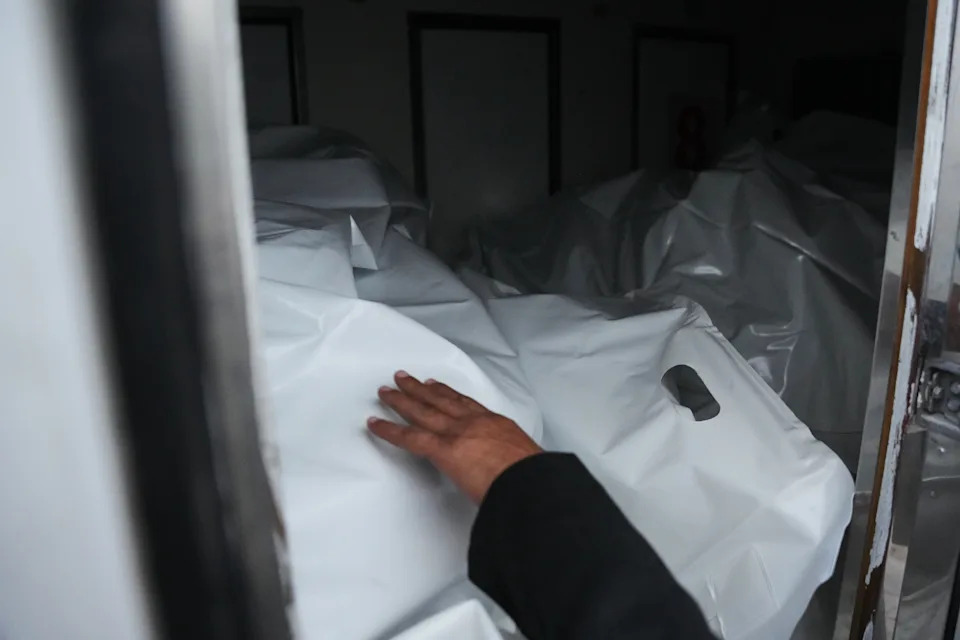
Bodies of Palestinians returned from Israel as part of the ceasefire deal are brought to Shifa Hospital, in Gaza City, Thursday, Jan. 29, 2026. (AP Photo/Abdel Kareem Hana)(ASSOCIATED PRESS)
It remains unclear whether the bodies returned Thursday were of Palestinians who died in Israeli custody or of people whose remains were removed from Gaza during military operations. As part of the ceasefire deal, Israel has released roughly 2,000 Palestinian prisoners and returned the remains of about 360 Palestinians to Gaza; Gaza officials say many of those bodies have been difficult to identify.
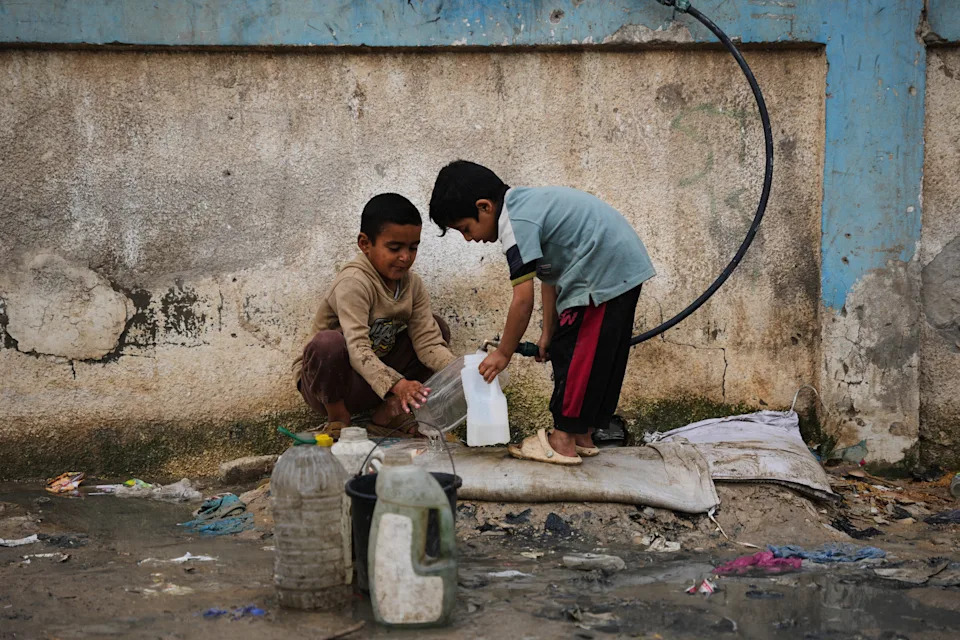
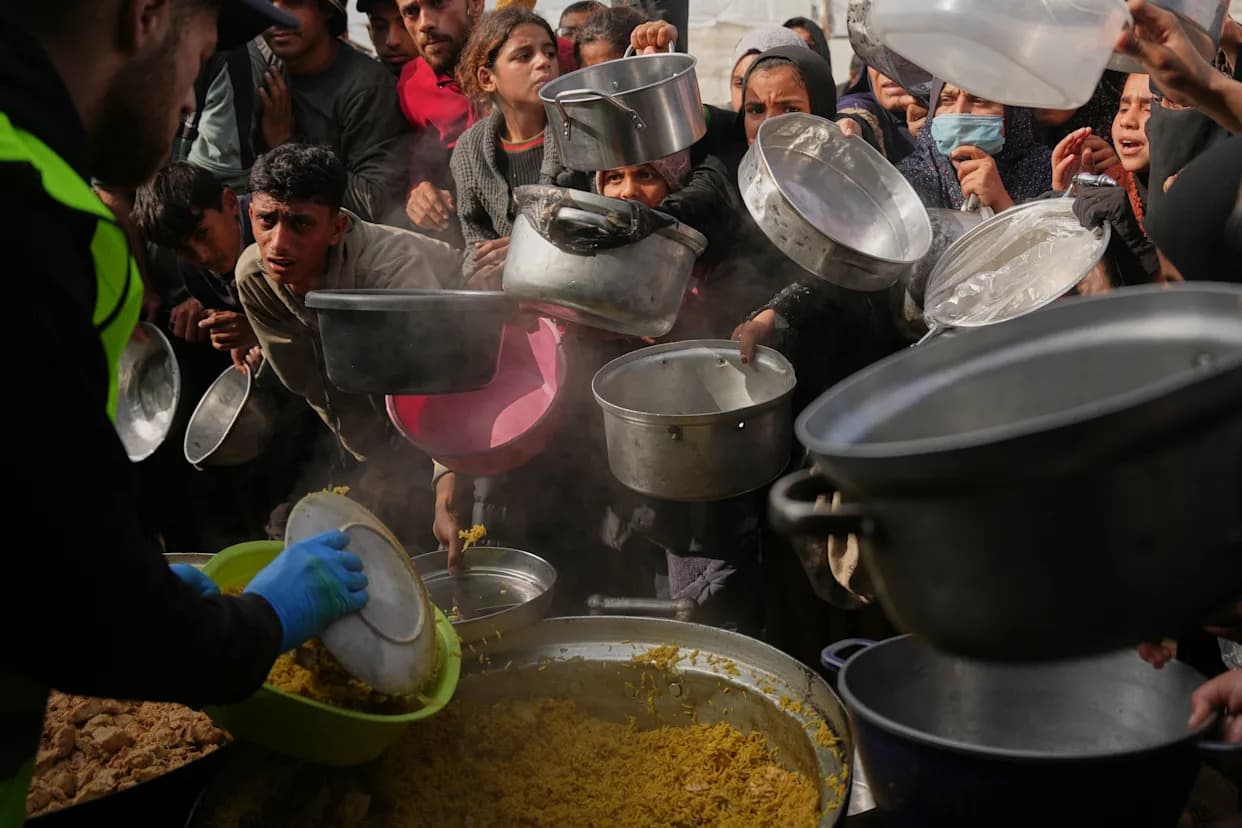
Palestinian children fill plastic bottles with water at a tent camp in Deir al-Balah, Gaza Strip, Thursday, Jan. 29, 2026. (AP Photo/Abdel Kareem Hana)(ASSOCIATED PRESS)
Casualties and Ongoing Violence
Despite the formal transition toward a second phase of the ceasefire, which envisions steps such as an international security force, disarming Hamas, a pullback of Israeli troops and reconstruction efforts, exchanges have not ended the violence. Gaza's Health Ministry reports some 492 Palestinians have been killed since the ceasefire began; its figures do not distinguish between civilians and fighters. U.N. agencies and independent experts generally regard the ministry's records as detailed and reliable.
On Thursday, Israeli fire killed two Palestinians in Khan Younis in southern Gaza, Nasser Hospital reported. Another Israeli strike in central Gaza killed one person and wounded others, according to Al-Aqsa Martyrs Hospital.
Rafah Crossing And Humanitarian Movements
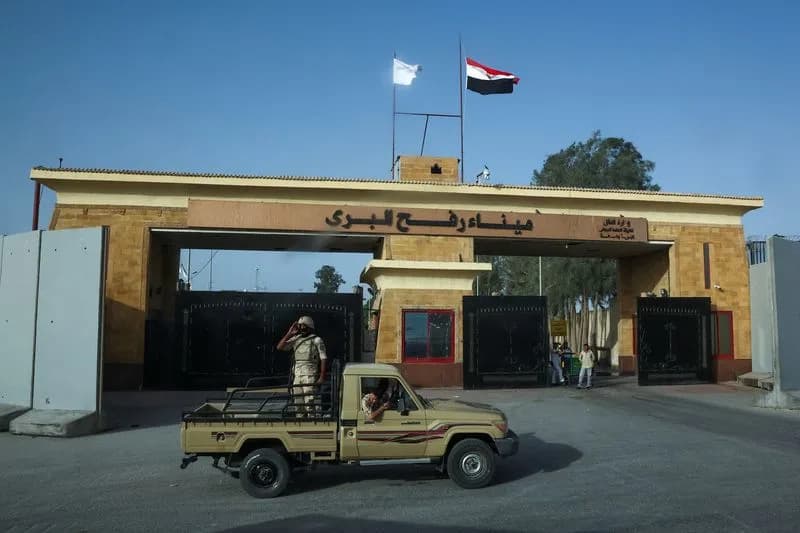
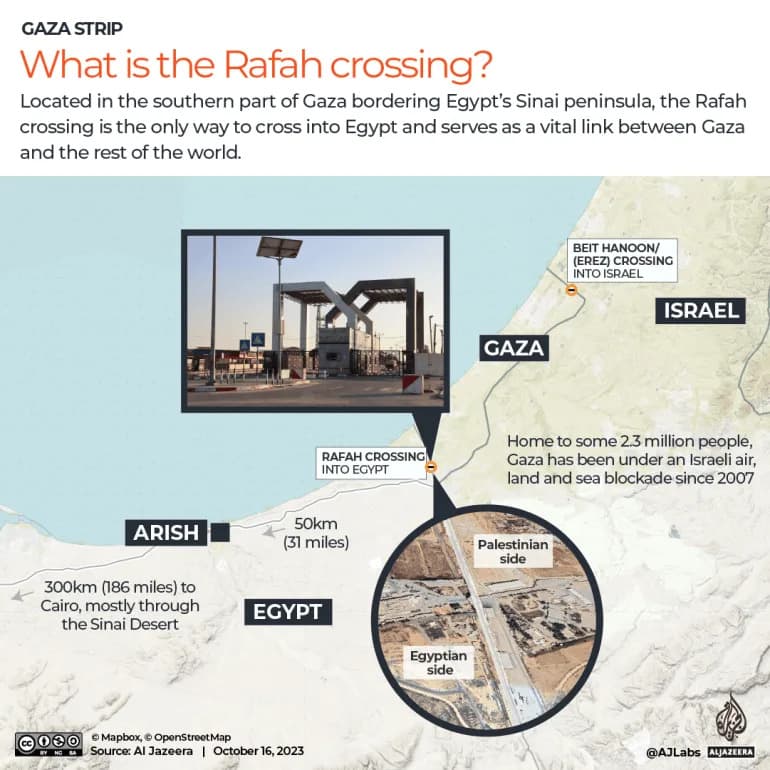
Many Palestinians separated from loved ones and tens of thousands living outside Gaza are awaiting the reopening of the Rafah crossing with Egypt. Israeli officials have said the crossing could open soon for a limited number of people, primarily medical evacuees who require treatment abroad, but Prime Minister Benjamin Netanyahu said it would not reopen to commercial goods for now. The crossing has been largely closed since May 2024.
Background: The Oct. 7, 2023 attack that precipitated the war killed about 1,200 people and left 251 people taken hostage. The identification of the last hostage's remains was described by Israeli authorities as closing a painful chapter and allowing negotiations to move to the next phase of the ceasefire.
The Red Cross and multiple hospitals in Gaza continue to assist families seeking to identify returned remains; Gaza health officials say roughly 100 of the returned bodies have been identified by relatives so far.
Associated Press contributions: Ezzidin reported from Cairo. Samy Magdy in Cairo contributed reporting.
Help us improve.