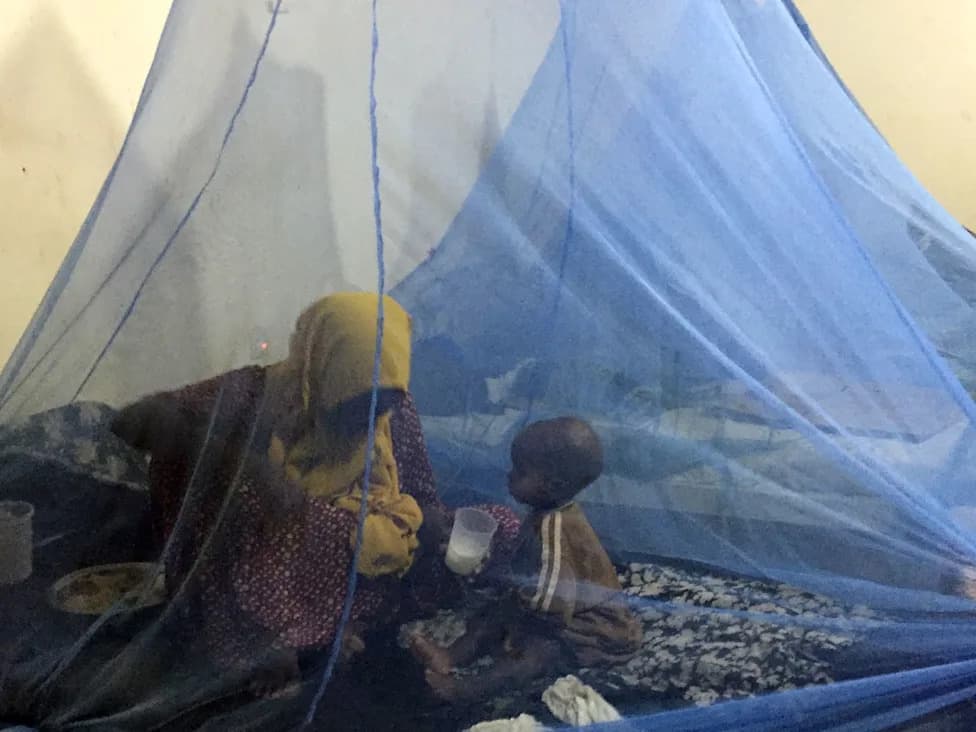
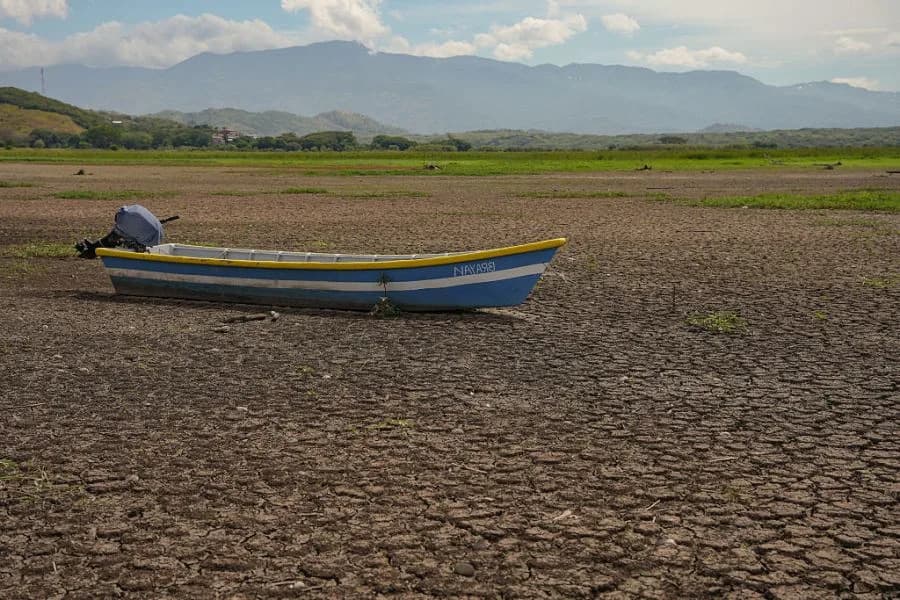
I spent much of the month reporting on consecutive climate emergencies in eastern and southern Africa: a severe drought in Mandera, Kenya, and catastrophic floods in southern Mozambique. In Mandera, rivers have dried, livestock are dying, and communities depend on infrequent, brown water deliveries from aid agencies. In Mozambique, highways, farmland and homes were submerged and residents face weeks or months of displacement, with additional flood risk from upstream dam releases. The events show how climate extremes can strike simultaneously across regions.
From Drought to Deluge: Climate Extremes Batter Eastern and Southern Africa
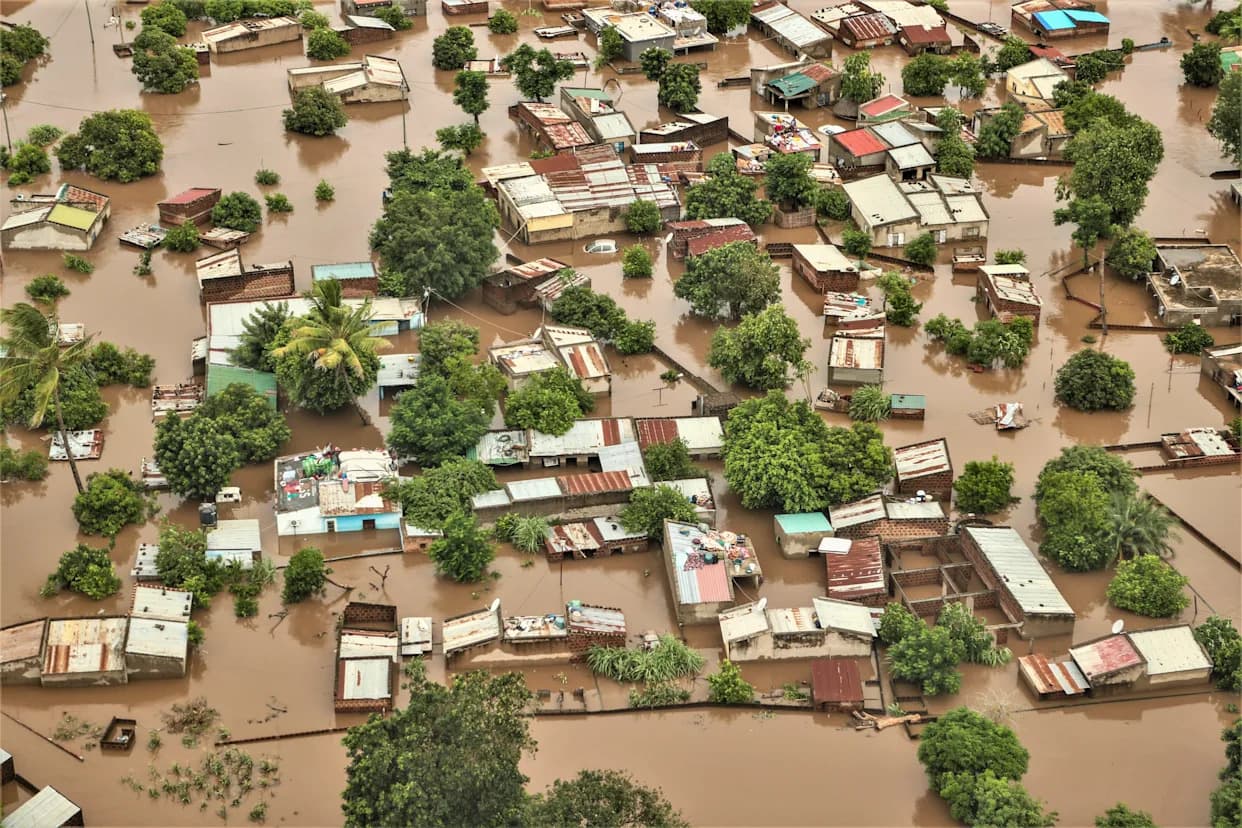
An aerial view shows a flooded neighbourhood between the Maputo and Gaza regions, Mozambique, in January 2026 [Luisa Nhantumbo/EPA]
Chokwe District, Mozambique – I spent almost an entire month reporting on consecutive climate emergencies in eastern and southern Africa. What began as a routine assignment to cover drought in northern Kenya quickly turned into a broader story about extremes: parched landscapes and collapsing livelihoods in Mandera, followed days later by vast floods in southern Mozambique.
Mandera: A Stretch Of Drought
As we drove into remote parts of Mandera County toward the Kenya–Somalia border, the signs were unmistakable: dry riverbeds, emaciated camels and communal graveyards where dead livestock had been dumped and burned.
Water was the central, daily struggle. With several rivers gone dry, aid agencies were forced to deliver water by bowser on a rigid schedule. "Some communities receive water once a week, others twice," said a member of the Kenya Red Cross Society accompanying our team. Missed deliveries mean no water until the next truck arrives, and the brown water that comes must be shared with livestock.
“Our animals started dying in July last year, and they are still dying,” said Adan Molu Kike, a quiet elder and local chief in Mandera.
Pastoralist Mohamed Hussein gave a stark personal account: "I had 100 animals, but now I have only 20 left… My crops in the field are dead." He showed us a recently dead goat, brushed into a bush. There is little time for ceremony or grief when survival is at stake: keeping remaining animals alive is directly tied to feeding his family.
Mozambique: Roads, Farms and Homes Under Water
A few days after returning home I was sent to Mozambique, where heavy rains and swollen rivers had triggered severe flooding. In Maputo I waded through dirty, foul-smelling water between submerged homes. The scenes grew worse as I travelled south.
In Marracuene a large toll gate stood nearly submerged and highway signs were visible only as tips above the waterline. In Xai Xai, the capital of Gaza Province, wide tracts of farmland lay underwater and parts of the city centre—shops, restaurants and businesses—sat amid stagnant water.
“Now, the water must go down first, and then we must start cleaning,” said Richard Sequeira, a boat captain who guided our reporting. "There are a lot of snakes and animals around. Maybe 45 days to two months, we will be out of our houses and living like this."
Authorities in neighbouring South Africa’s Mpumalanga Province ordered immediate evacuations in low-lying areas because a full dam may have to release water. Mozambique lies downstream, so any upstream releases could compound flooding in already devastated communities.
What This Means
These back-to-back emergencies—severe drought in the Horn of Africa and catastrophic flooding in southern Africa—illustrate how climate variability and change are producing simultaneous extremes across regions. Communities face immediate humanitarian needs: clean water, shelter, sanitation and safe food. Recovery will take weeks to months, and the risk of further flooding or extended drought remains.
As journalists we move on, but the scenes remain: brown water deliveries in Mandera, burned livestock in communal graves, submerged highways in Marracuene, and flooded fields in Xai Xai. These are real, ongoing human crises that demand attention and coordinated response.
Help us improve.