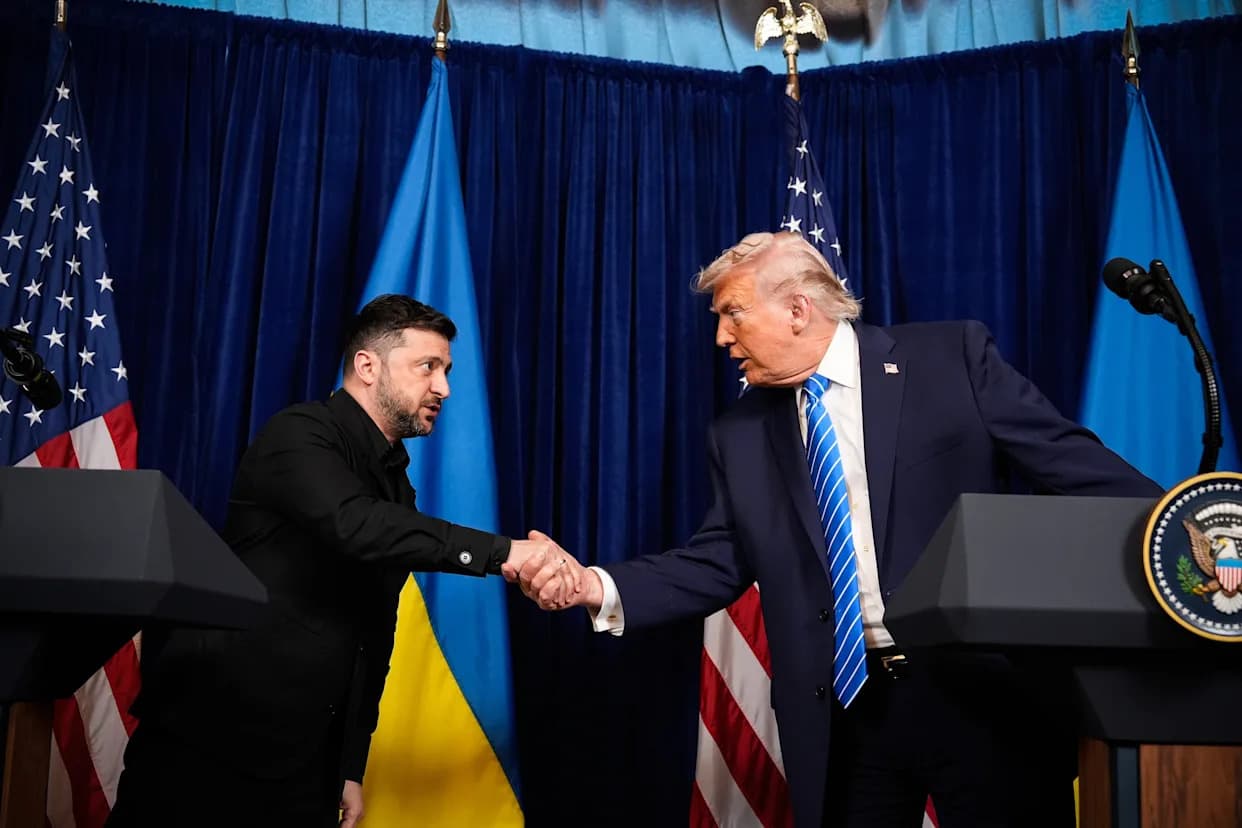
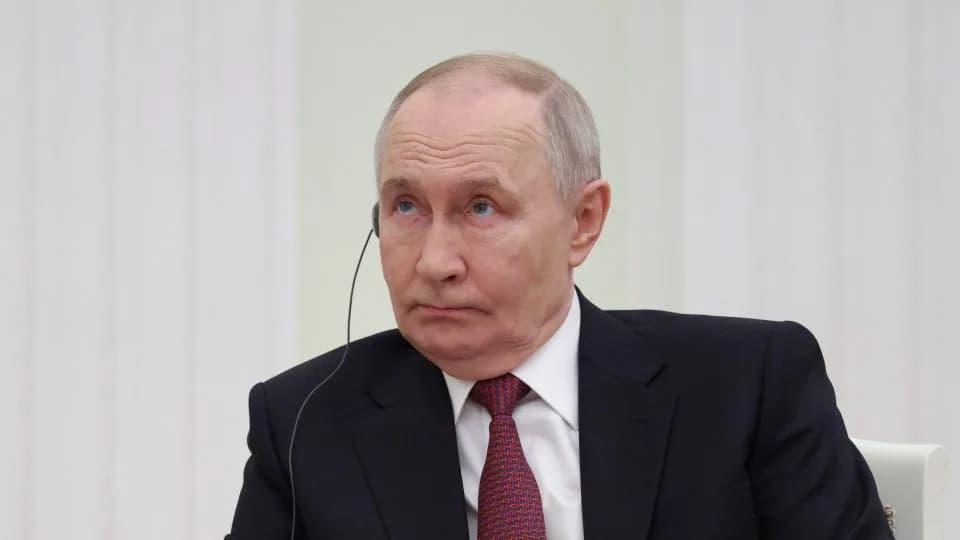
US President Donald Trump said that Russian President Vladimir Putin agreed to a one-week pause in long-range strikes on Ukrainian cities during an exceptionally cold spell, following a phone call between the two leaders. Trump told his cabinet he had asked Putin to refrain from attacks that have repeatedly cut power and heating across wide areas of Ukraine, and that Putin accepted the request.
“We’re very happy that they did it because on top of everything else, that’s not what they [Ukraine] need is missiles coming into their towns and cities,” Trump said, describing the pause as “very nice” and intended to protect civilians during an “extraordinarily cold, record-setting… pile of bad weather.”
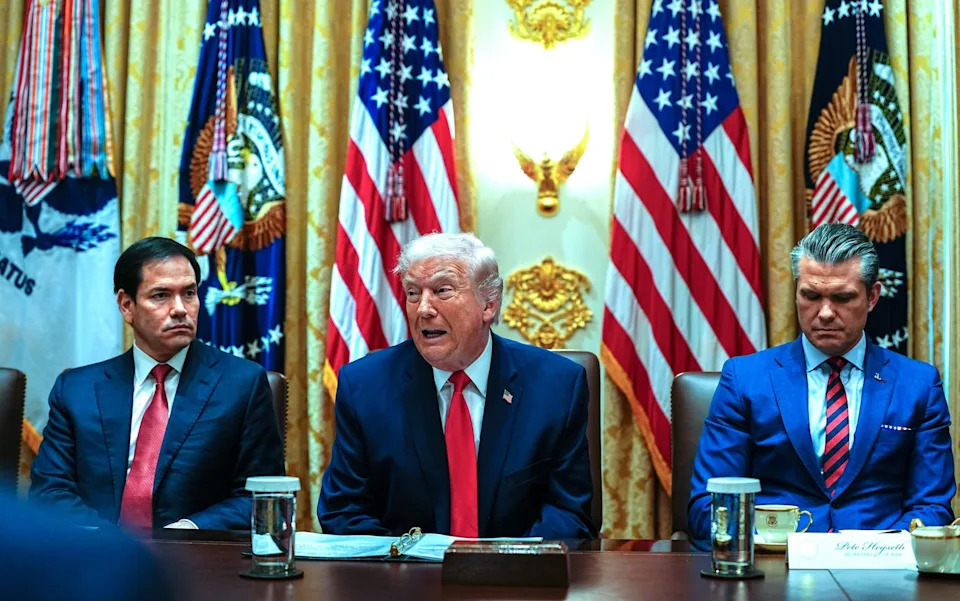
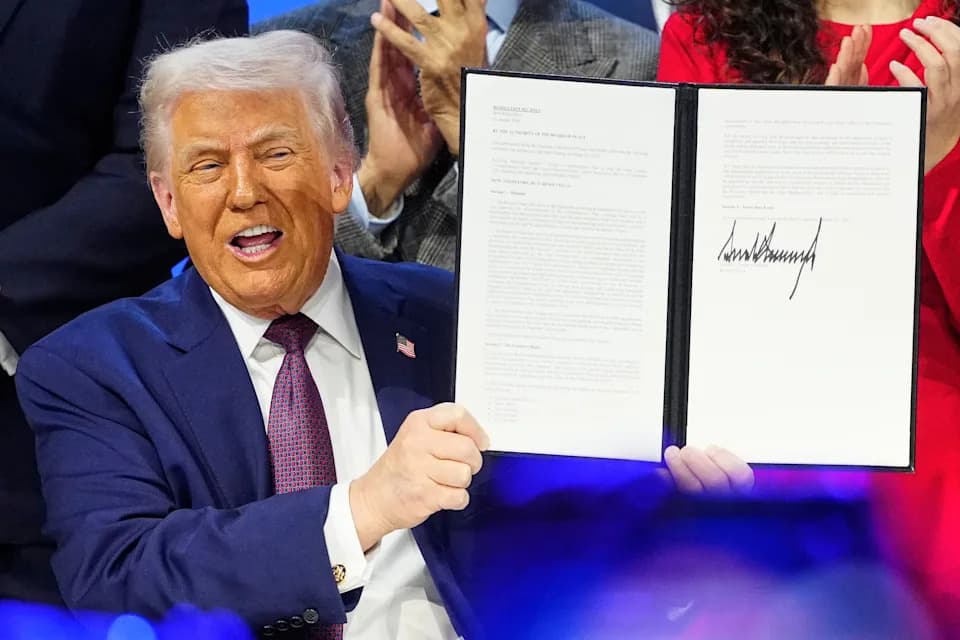
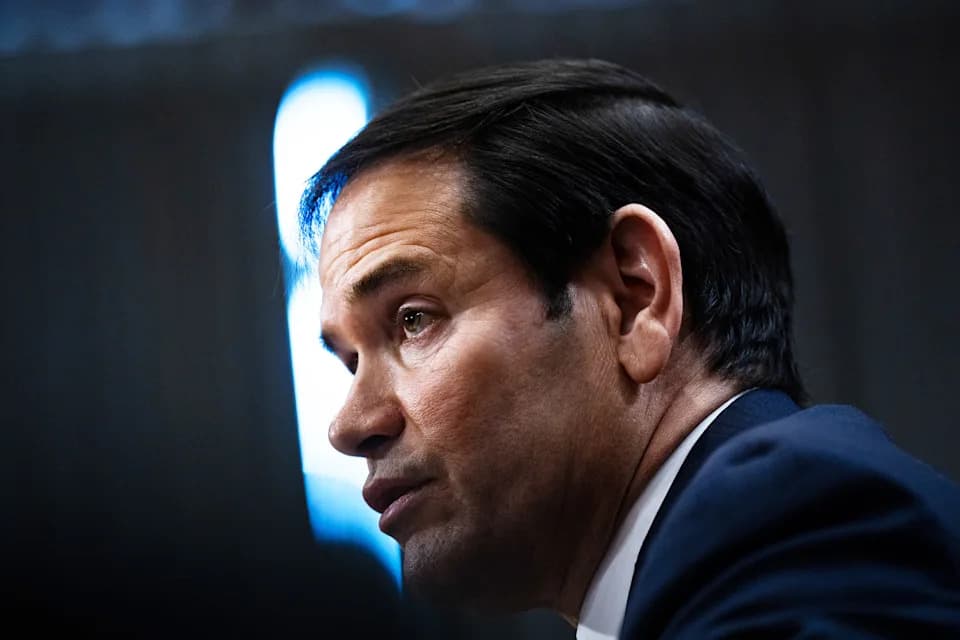
Donald Trump announced the ceasefire at a cabinet meeting in the White House on Thursday - AARON SCHWARTZ/POOL/EPA/Shutterstock
It is unclear exactly when the call took place. Pro-Kremlin military bloggers reported possible orders to avoid striking Ukrainian infrastructure from 7 a.m. on Thursday, while the Kremlin’s spokesman Dmitry Peskov declined to comment when asked by Russian reporters.
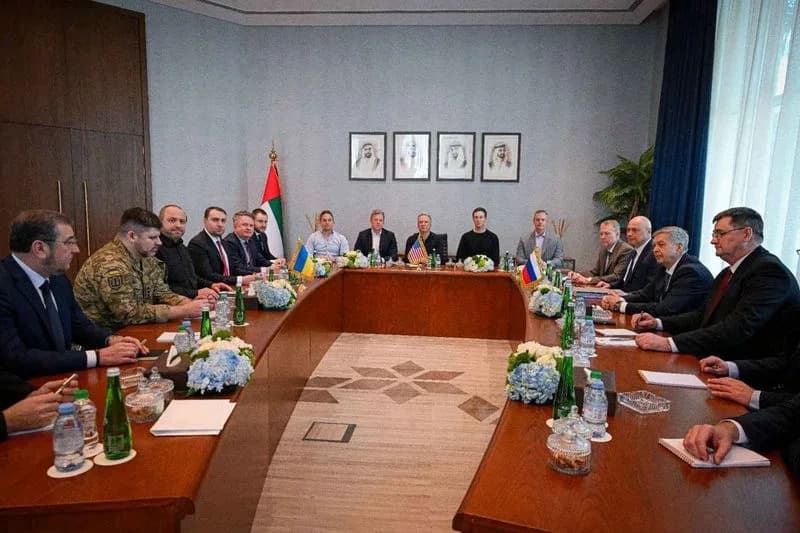
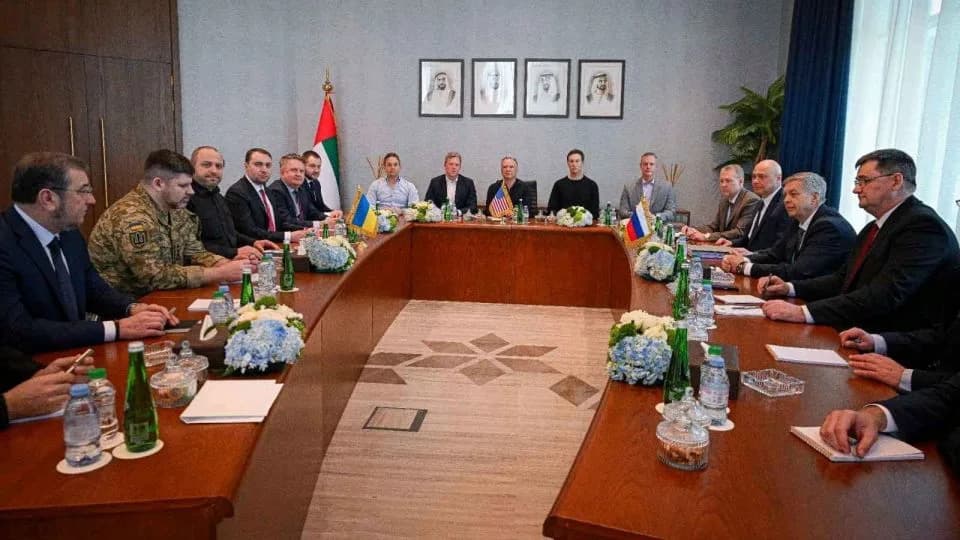
The idea of suspending strikes on energy facilities was first raised during US–Ukraine talks in Abu Dhabi last week, the Financial Times reported, citing a senior Ukrainian official. The United States proposed a temporary moratorium on attacks against energy infrastructure as a confidence-building measure ahead of further trilateral negotiations in the Gulf expected this weekend.
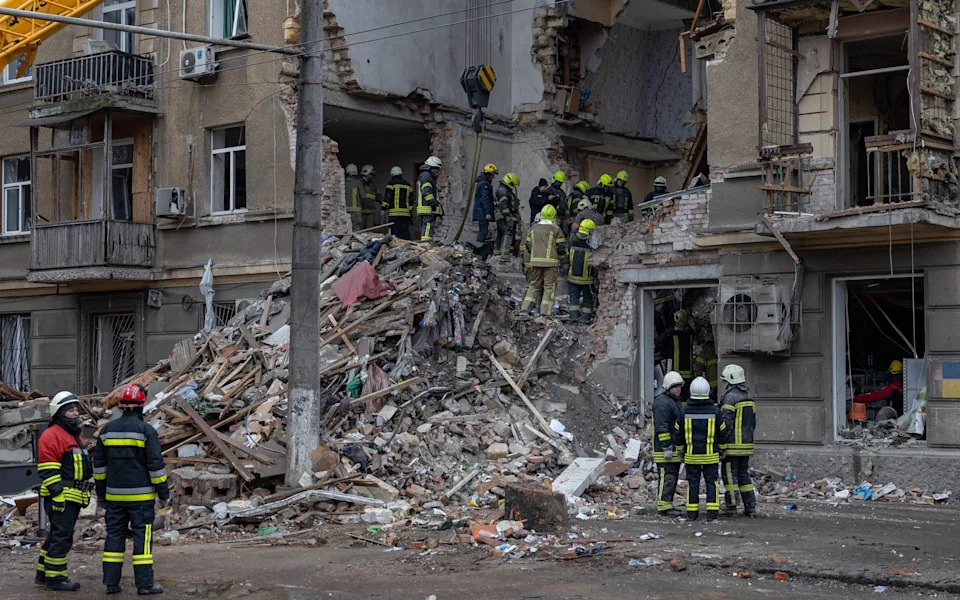
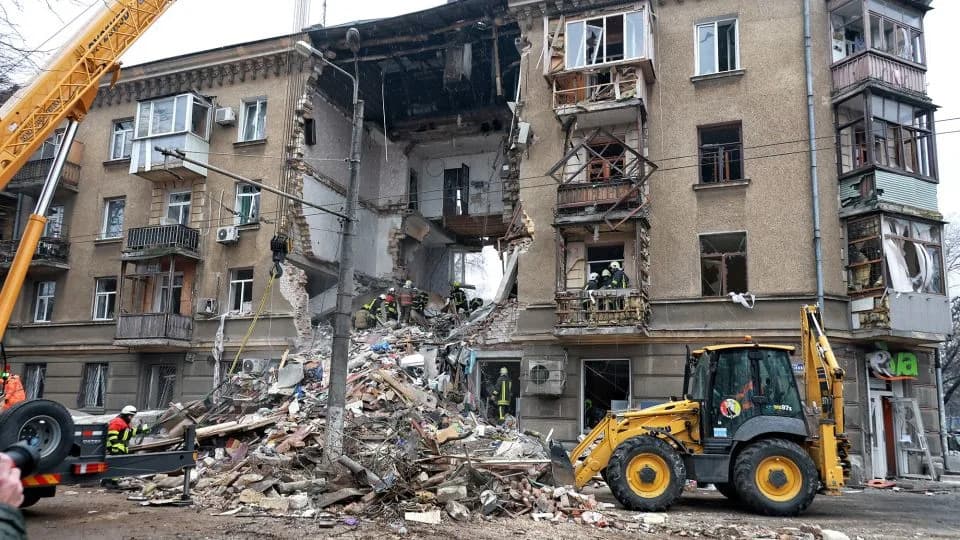
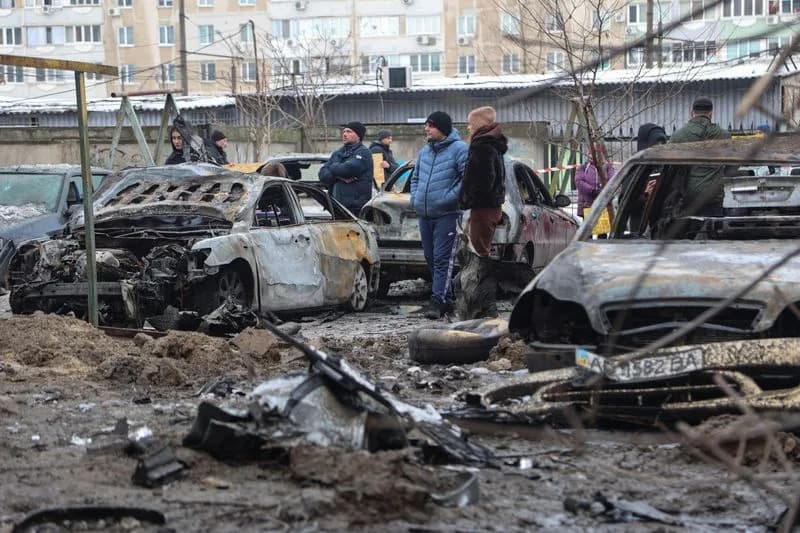
A residential building partially destroyed by a Russian airstrike in Odesa, Jan 27 - Andrew Shugsun/Global Images Ukraine via Getty Images
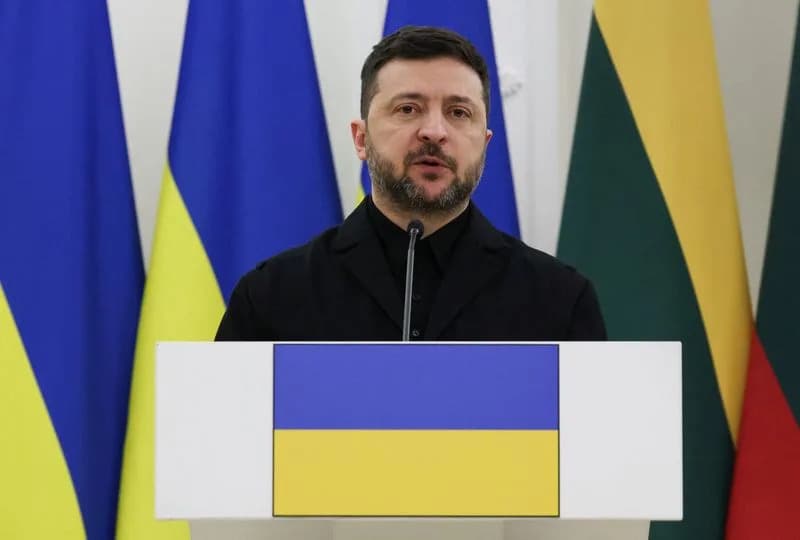
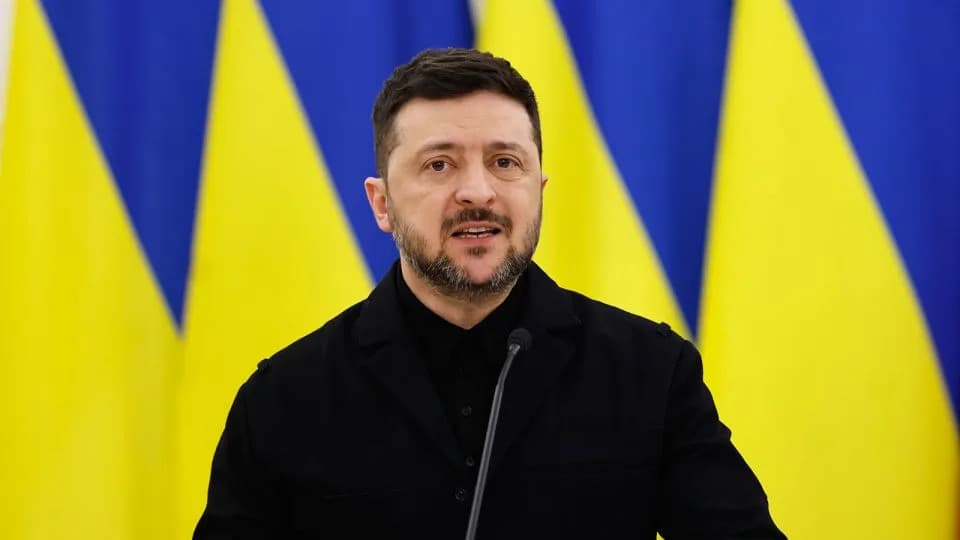
Ukrainian President Volodymyr Zelensky welcomed Trump’s statement as an “important statement,” thanking the US president for “providing security for Kyiv and other Ukrainian cities during this extreme winter period.” He added that teams had discussed the issue in the United Arab Emirates and expressed hope the agreement would be implemented. Kyiv officials, however, remained cautious because previous temporary pauses have repeatedly broken down.
Background: Russia has repeatedly targeted Ukraine’s energy grid in an apparent effort to pressure the population by leaving millions without light, heating and water. The unusually severe winter — combined with nearly four years of conflict — has magnified the humanitarian impact of those strikes this season.
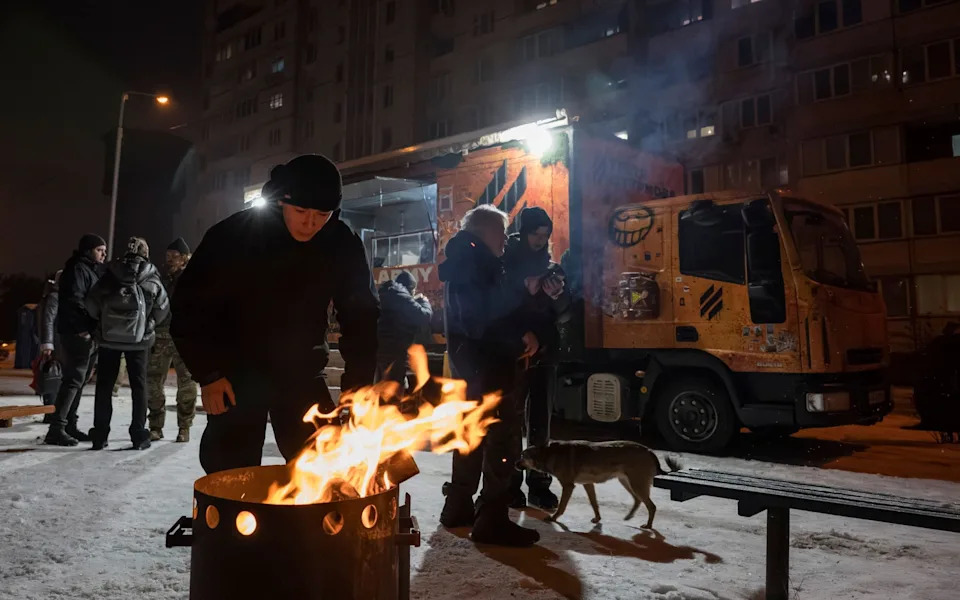
Kyiv residents gather around a fire at a mobile kitchen, which provides food and warmth to those left without power because of Russian strikes - MAXYM MARUSENKO/EPA/Shutterstock
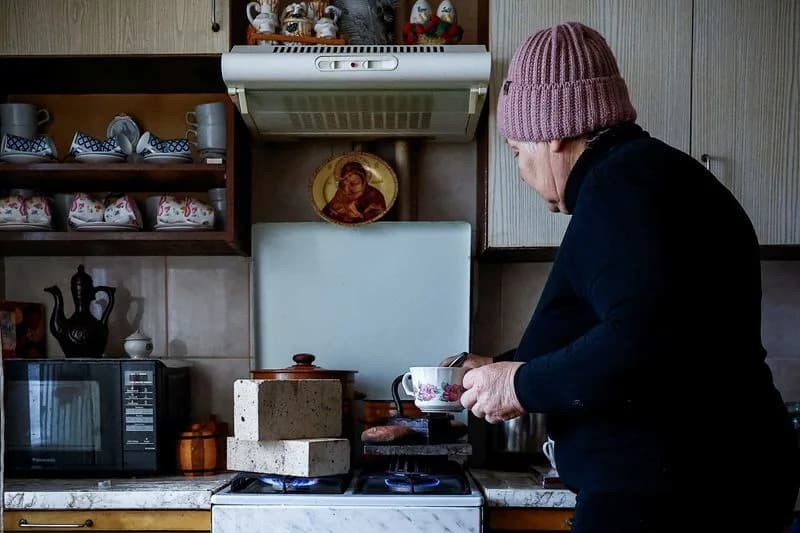
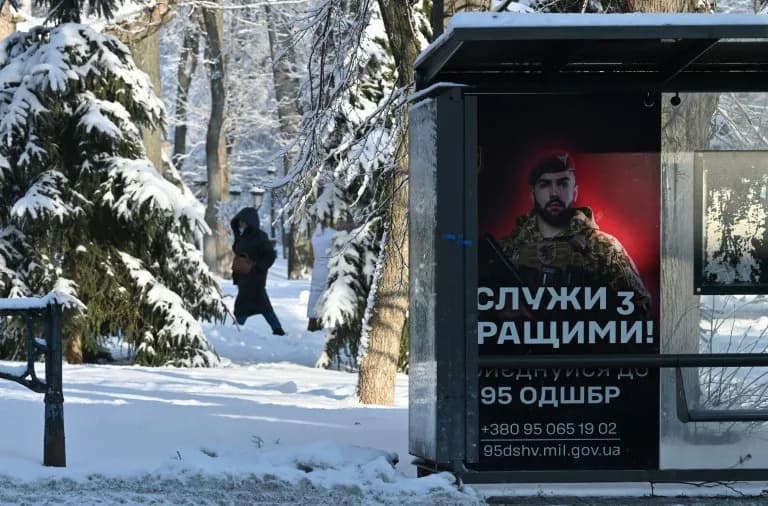
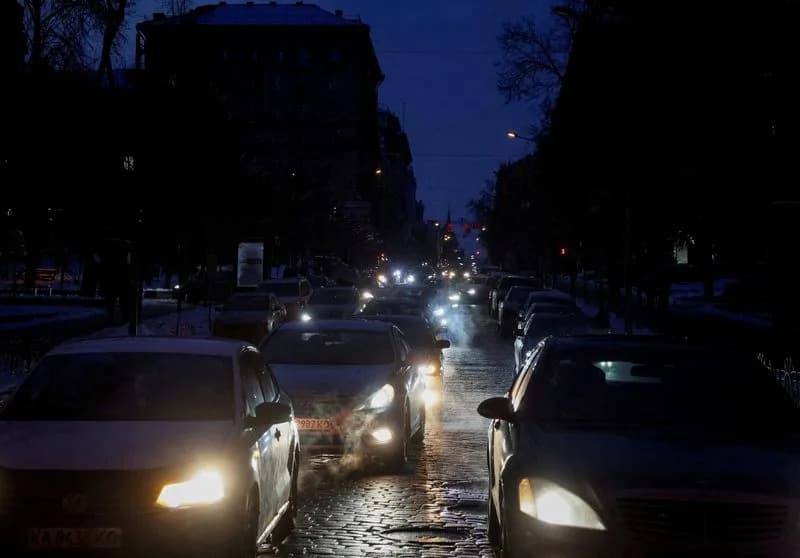
Kyiv is facing severe conditions: outside temperatures have fallen to around -20°C while indoor temperatures in many homes hover near 8°C. Rolling power cuts that previously followed fixed schedules have become erratic; some households report power outages lasting up to 30 hours, and hundreds remain with no heating, most acutely on the city’s left bank. Authorities have opened about 1,300 “invincibility points” (heated tents, rail carriages and public buildings) where residents can charge devices, get hot food and warm up. Schools have been closed until February because classrooms cannot be kept warm enough for pupils.
Mayor Vitali Klitschko urged those able to leave Kyiv to do so and said roughly 600,000 people had departed the city this month. Energy Minister Denys Shmyhal described the situation as the most severe energy crisis since the winter of 2022. EU foreign policy chief Kaja Kallas warned the situation threatens a humanitarian catastrophe.
Past attempts to secure temporary pauses have failed: a US-mediated March agreement last year to halt strikes on energy infrastructure was not observed, and a later unilateral ceasefire announced by Putin around May 9 commemorations likewise went unobserved by forces on the ground.
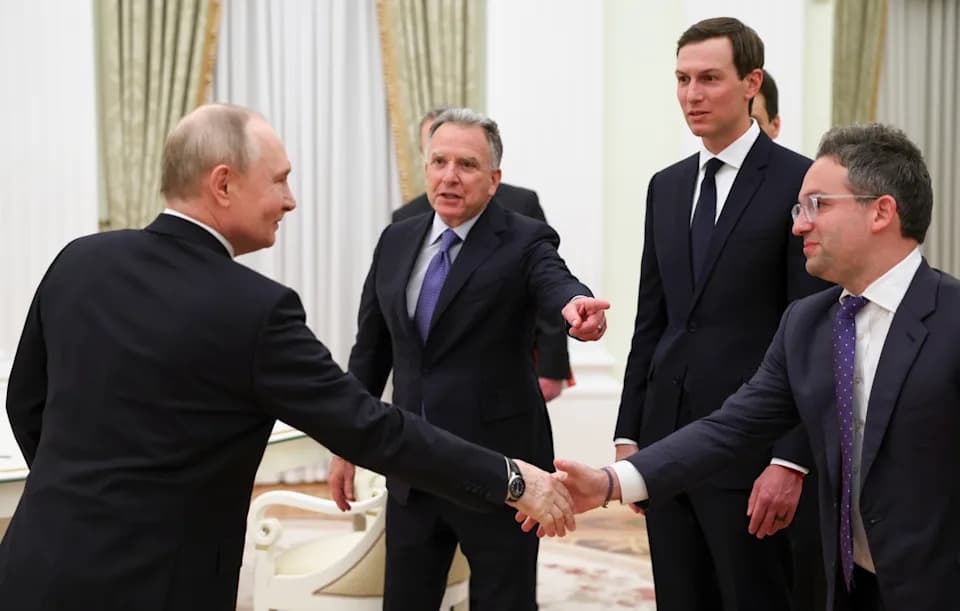
Further US–Ukraine–Russia talks are expected in Abu Dhabi this weekend. US peace envoy Steve Witkoff said he was “hopeful and expecting that we’re going to deliver a peace deal sometime soon.” The reported pause, if implemented and verified, could offer temporary relief for civilians; however, Kyiv officials stress that verification and accountability will determine whether the moratorium effectively protects people and infrastructure.
Note: This account is based on official statements and media reports; details remain subject to confirmation as negotiations and reporting develop.