British farmers reported more than £800 million ($1 billion) in crop losses in 2025 after historic spring heat and a severe lack of rain cut grain yields by about 20% versus the ten-year average. England recorded its second-poorest harvest since records began in 1984, and three of the five weakest harvests have come since 2020. Weather-driven shocks have pushed commodity prices higher worldwide, and farmers are turning to soil-building practices like cover crops to boost resilience.
UK Farmers Report £800m+ Crop Losses After Heat and Drought Devastate 2025 Harvest

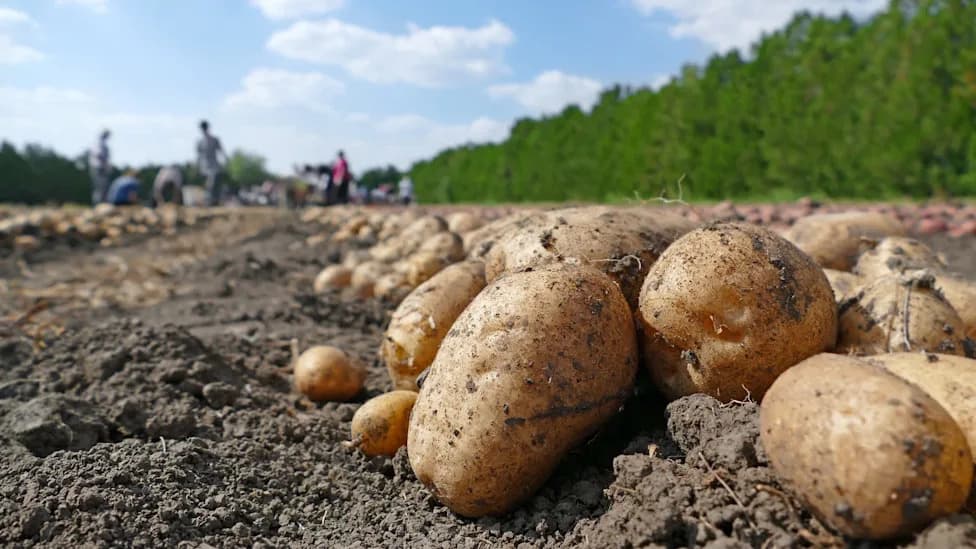
Photo Credit: iStock
British farmers lost more than £800 million (about $1 billion) in crops in 2025 after historic spring heat and a prolonged lack of rainfall severely damaged grain production across the country. The season ranks among the worst in recent memory for UK grain yields.
Impact on Harvests
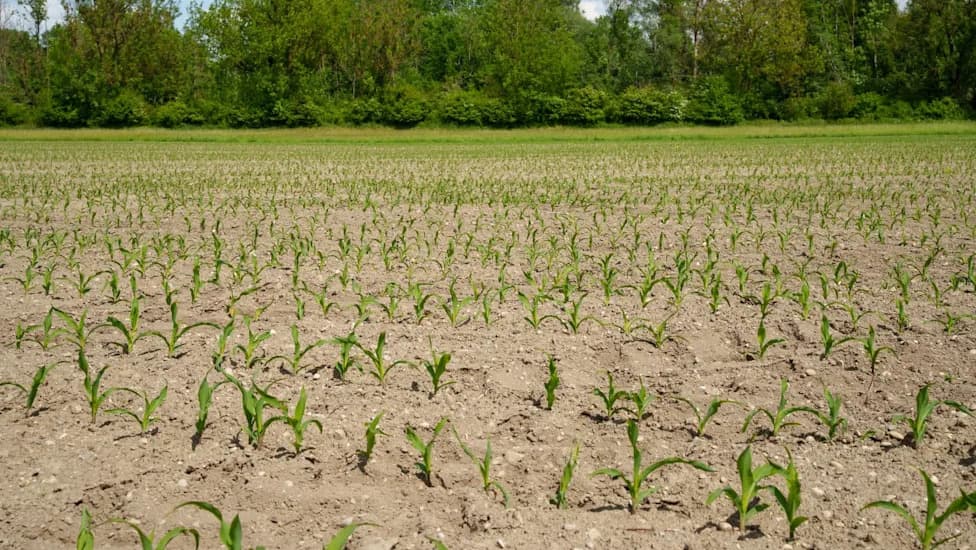
Yields for wheat, oats, barley and other staple grains fell by roughly 20% compared with the ten-year average, leaving England with its second-poorest harvest since national records began in 1984. Experts say three of the five weakest harvests on record have occurred since 2020.
“This has been another torrid year for many farmers in the U.K., with the pendulum swinging from too wet to too hot and dry,” said Tom Lancaster of the Energy and Climate Intelligence Unit. He added that four-fifths of farmers are now worried about their ability to make a living as the climate shifts.
Recent Weather Trends
The U.K. has experienced alternating extremes: heavy winter floods in 2019–20 and again in 2023–24 prevented planting in many areas, while subsequent scorching summers destroyed much of what was sown. Since 2020, weather extremes have cost U.K. farmers more than £2 billion (around $2.5 billion).
Global Ripple Effects
Crop failures and production shocks abroad push up global commodity prices. Over the past year, items most exposed to weather volatility — including coffee, cocoa (chocolate), milk, beef and butter — have risen by roughly 15.6% on average, compared with a 2.8% increase for other grocery items. Similar dry spells in Brazil and Vietnam helped lift coffee prices, while intense heat in parts of West Africa pressured cocoa supplies.
How Farmers Are Adapting
Many growers are changing practices to increase resilience. Sowing cover crops in cooler months builds soil organic matter, which improves moisture retention during droughts and helps fields absorb excess water during storms. Other measures include diversifying crop rotations, investing in water-management infrastructure and using targeted soil-restoration techniques.
What Consumers And Policymakers Can Do
Consumers can support resilience by buying from local producers when possible, reducing household food waste and occasionally choosing plant-forward meals to ease pressure on vulnerable livestock and grain supplies. Policymakers can help by funding farmer adaptation programs, improving risk-management tools and strengthening supply-chain resilience.
Bottom line: The 2025 losses underline the growing economic and food-security risks posed by increasingly erratic weather, reinforcing calls for both on-farm adaptation and policy action.
Help us improve.