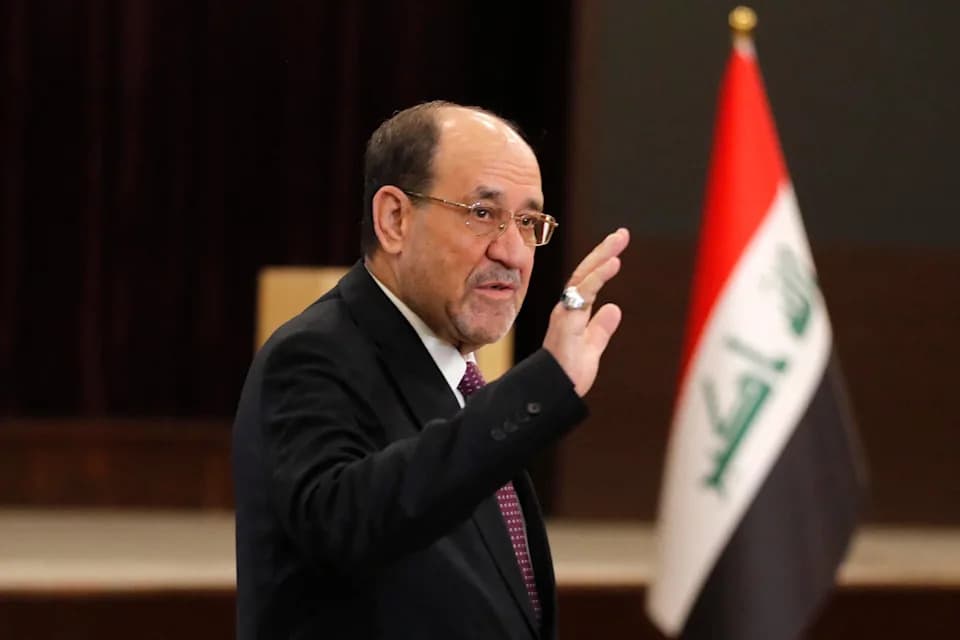
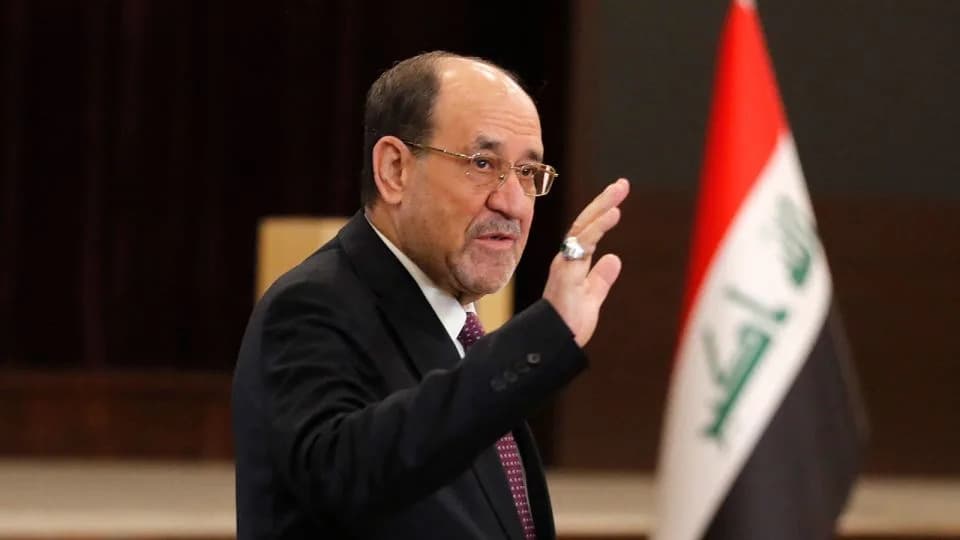
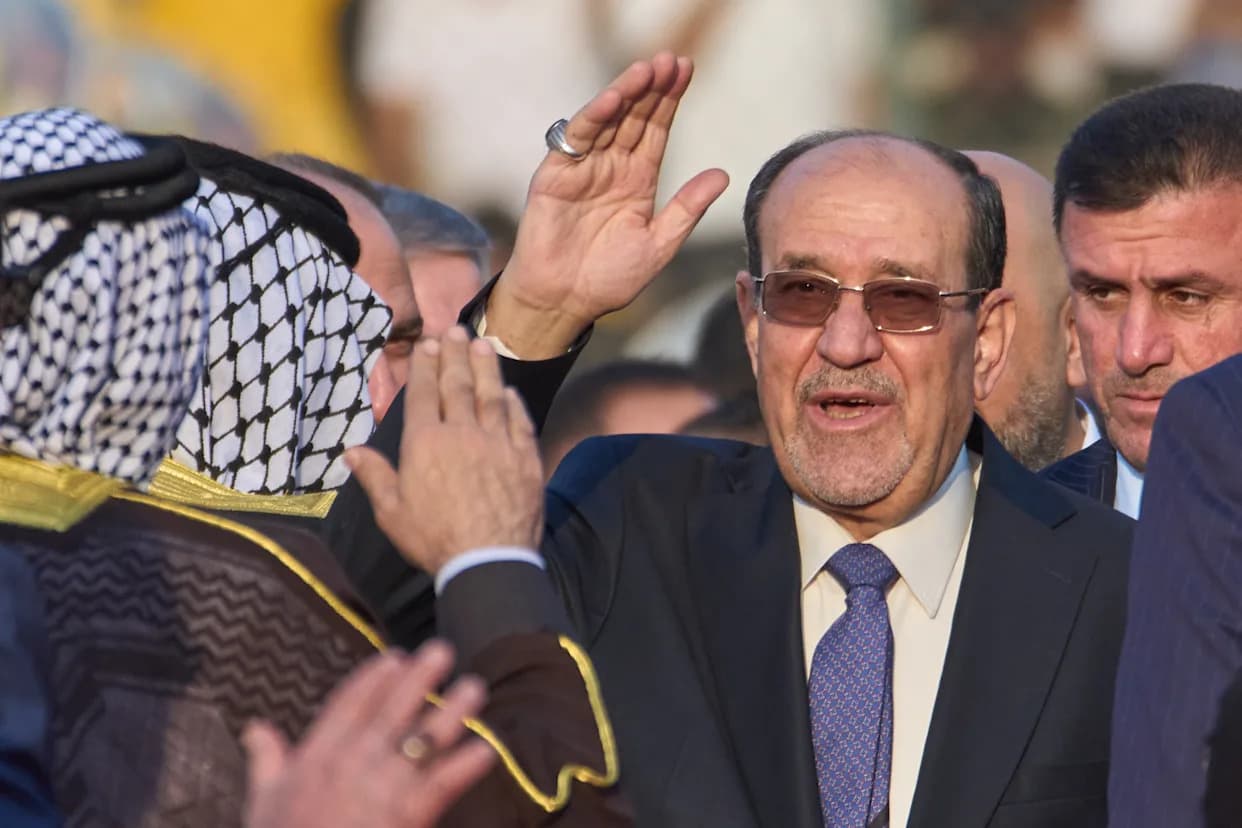
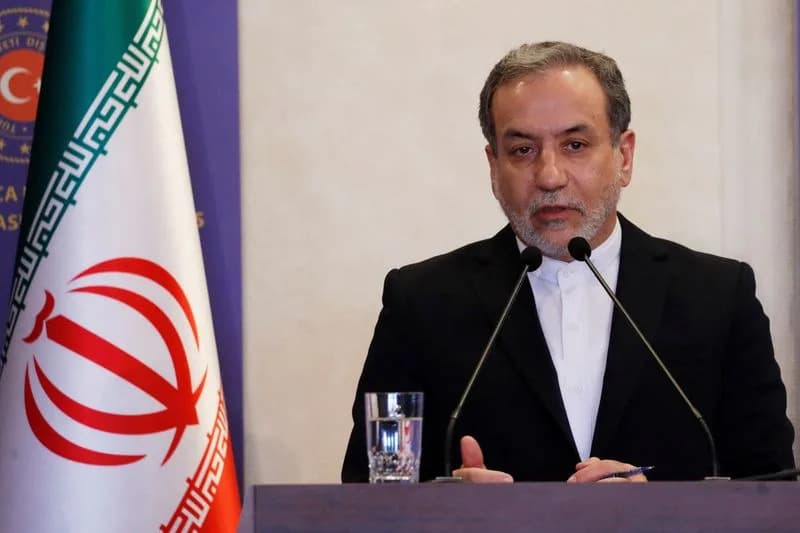
Erbil, Iraq — President Donald Trump has warned he would suspend U.S. assistance to Iraq if the country returns former Prime Minister Nouri al‑Maliki to power for a third term, raising fresh concerns about Baghdad’s fragile politics and its ties with Iran.
What Trump Said
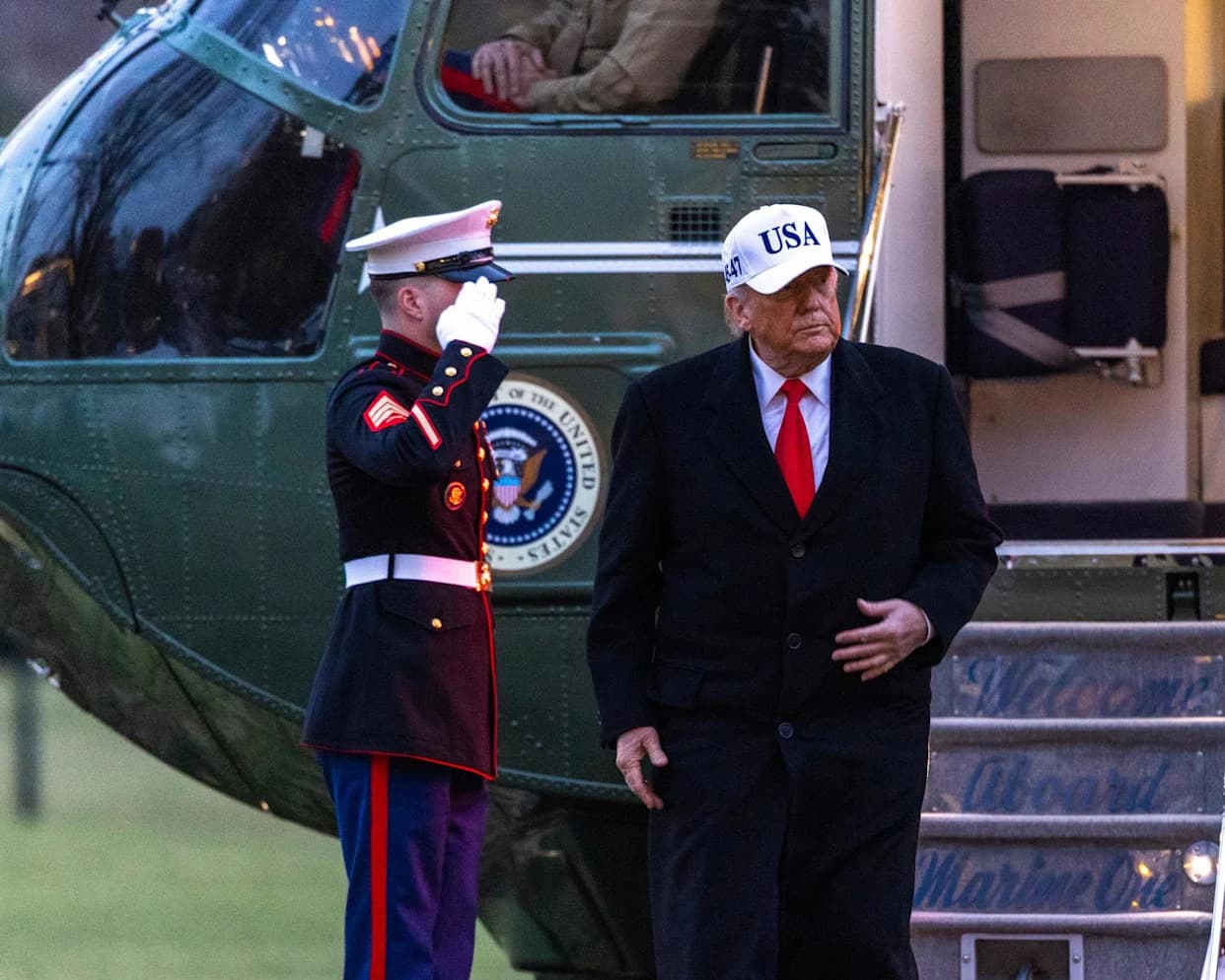
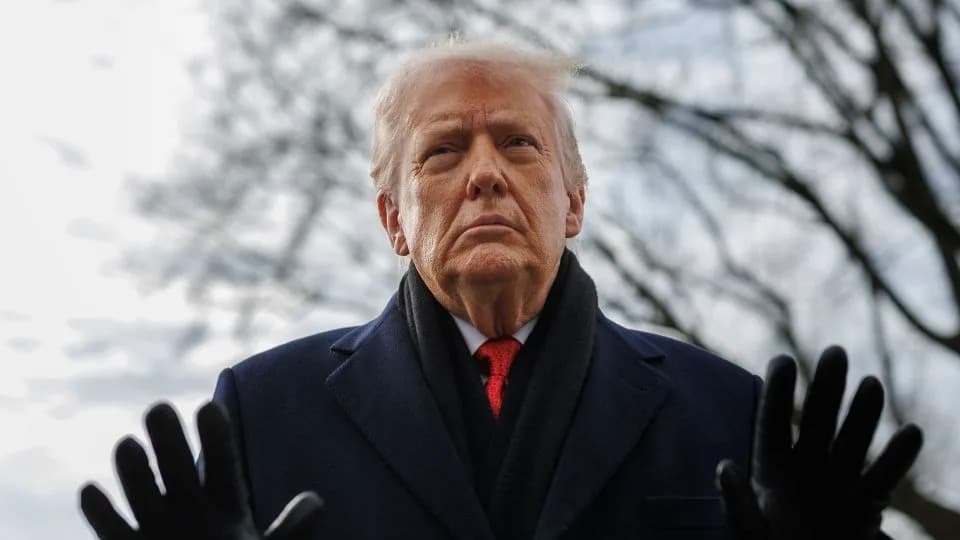
In a Truth Social post on Jan. 27, Trump called al‑Maliki a "very bad choice" and said his earlier tenure from 2006 to 2014 was marked by "poverty and total chaos." Trump added that "Because of his insane policies and ideologies, if elected, the United States of America will no longer help Iraq and, if we are not there to help, Iraq has ZERO chance of Success, Prosperity, or Freedom."
Trump (Truth Social, Jan. 27): "Because of his insane policies and ideologies, if elected, the United States of America will no longer help Iraq..."
Al‑Maliki responded on social media rejecting what he called "blatant U.S. interference in Iraq's internal affairs," saying such comments violate Iraqi sovereignty and contradict the country's post‑2003 democratic framework.
Why Washington Objects
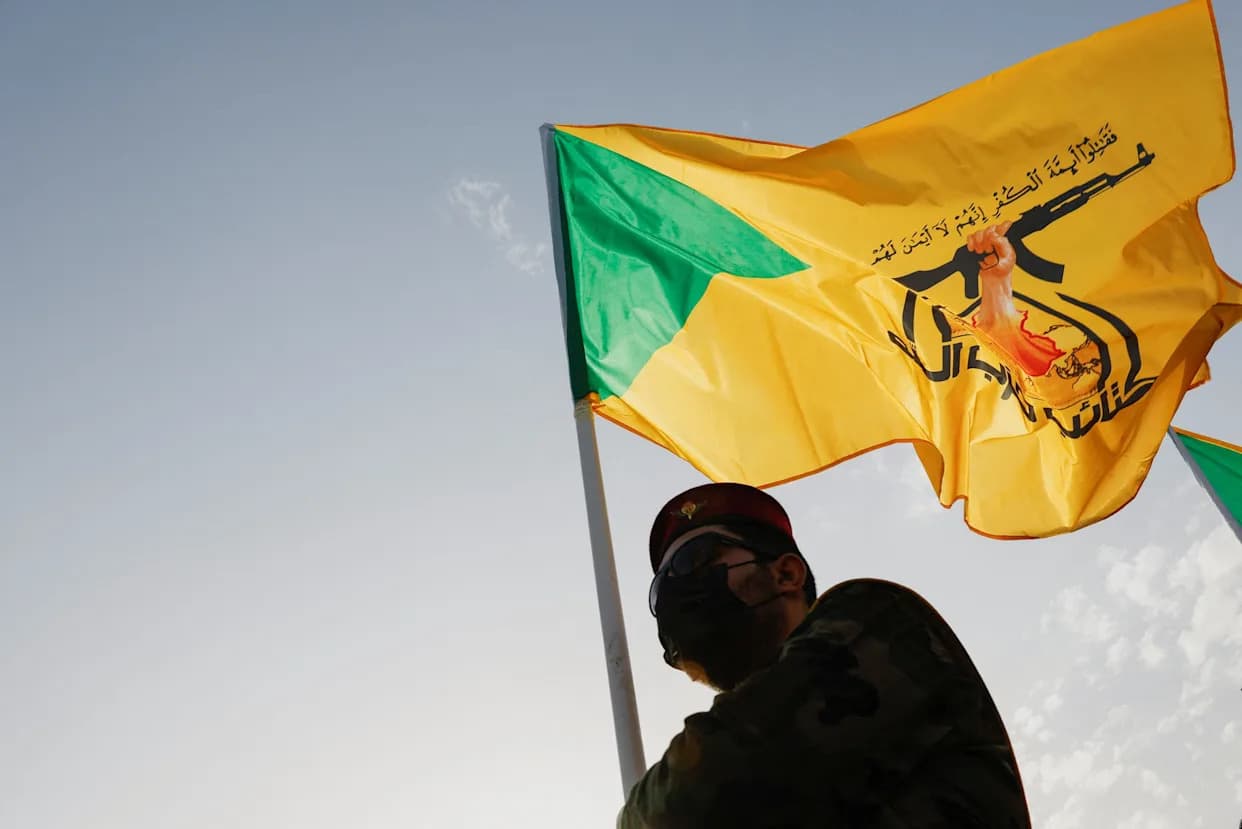
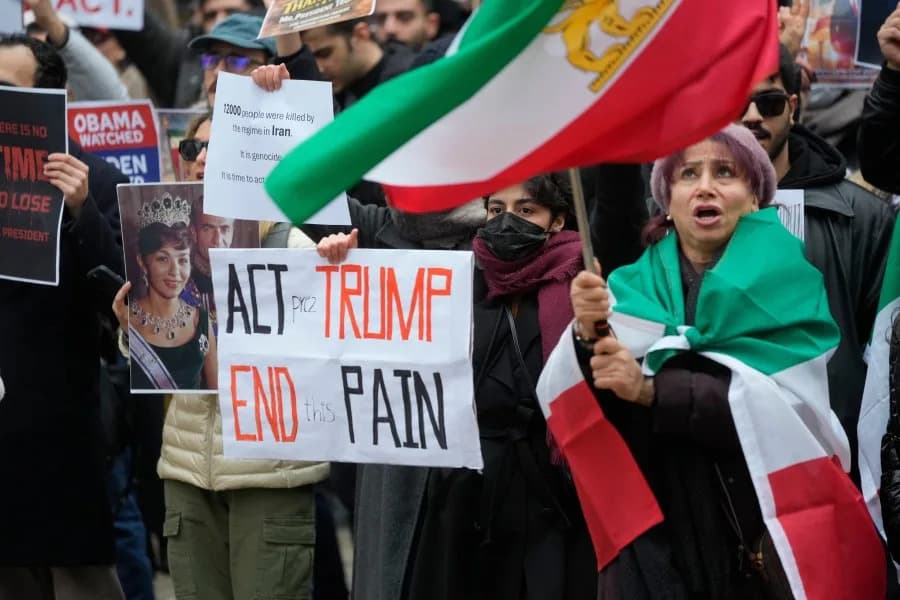
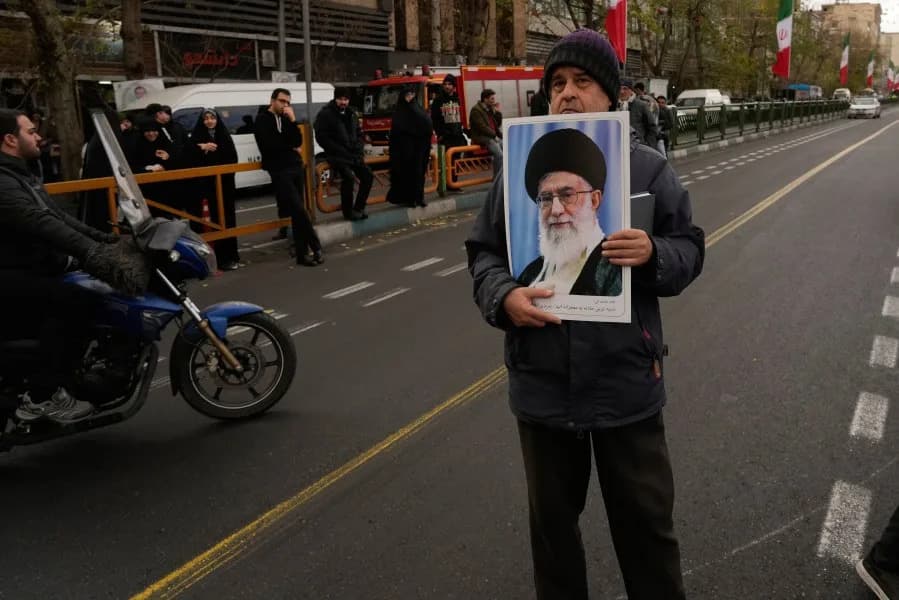
U.S. officials and analysts say the underlying concern is Iran's influence over Iraq's Shiite political parties. After the 2003 U.S. invasion toppled Saddam Hussein, Tehran expanded its political and security ties inside Iraq — a dynamic Washington is keen to limit.
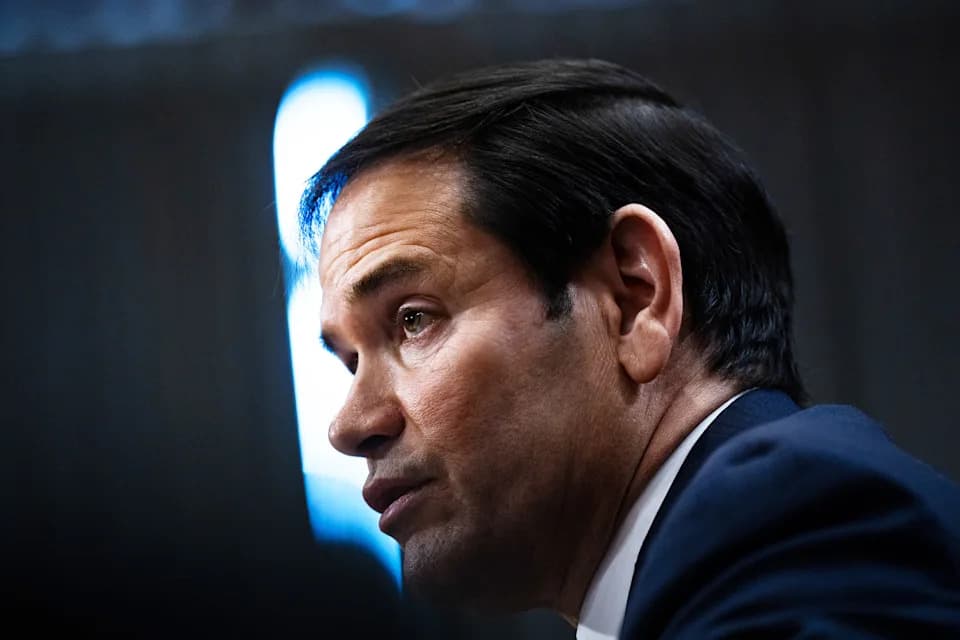
U.S. figures, including Senator Marco Rubio during a Jan. 25 exchange with Iraq’s outgoing prime minister, warned that a government seen as controlled by Iran would struggle to prioritize Iraq's interests, avoid regional entanglements, or sustain a productive U.S.‑Iraq partnership.
Al‑Maliki's earlier premiership was widely criticized by opponents for sectarian policies that marginalized the Sunni minority; critics also say he cultivated close ties with Tehran. Supporters credit him with political skill and crisis management, which helps explain his enduring influence despite leaving office in 2014.
Could Al‑Maliki Return?
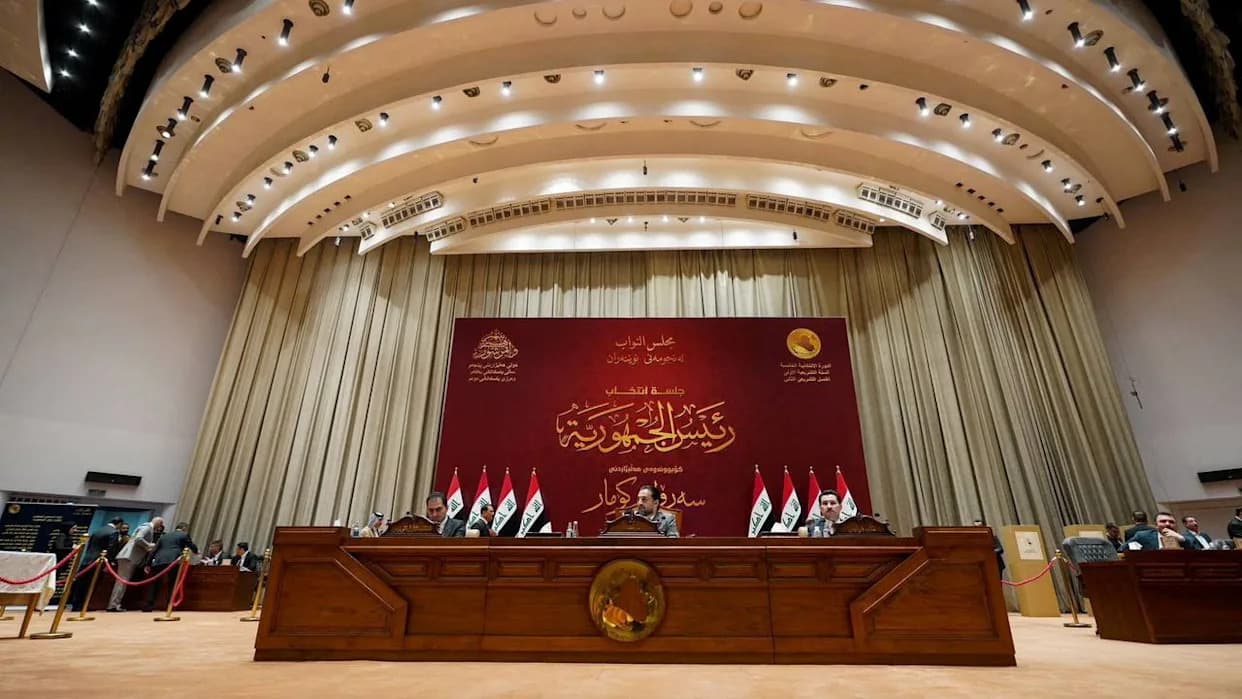
The Shiite Coordination Framework — the largest bloc in parliament — recently agreed by majority to nominate al‑Maliki for a third term. Iraq lacks reliable national polling, so his actual popularity is difficult to measure publicly. The nomination now sets a political test for Baghdad: whether to embrace a figure with an established power base or to seek a compromise acceptable to Baghdad’s broad sectarian and ethnic balance.
What’s at Stake for Iraq
Trump’s warning poses a difficult choice for Iraqi leaders. Any stable government must balance Shiite, Sunni and Kurdish interests to preserve internal security and political legitimacy.
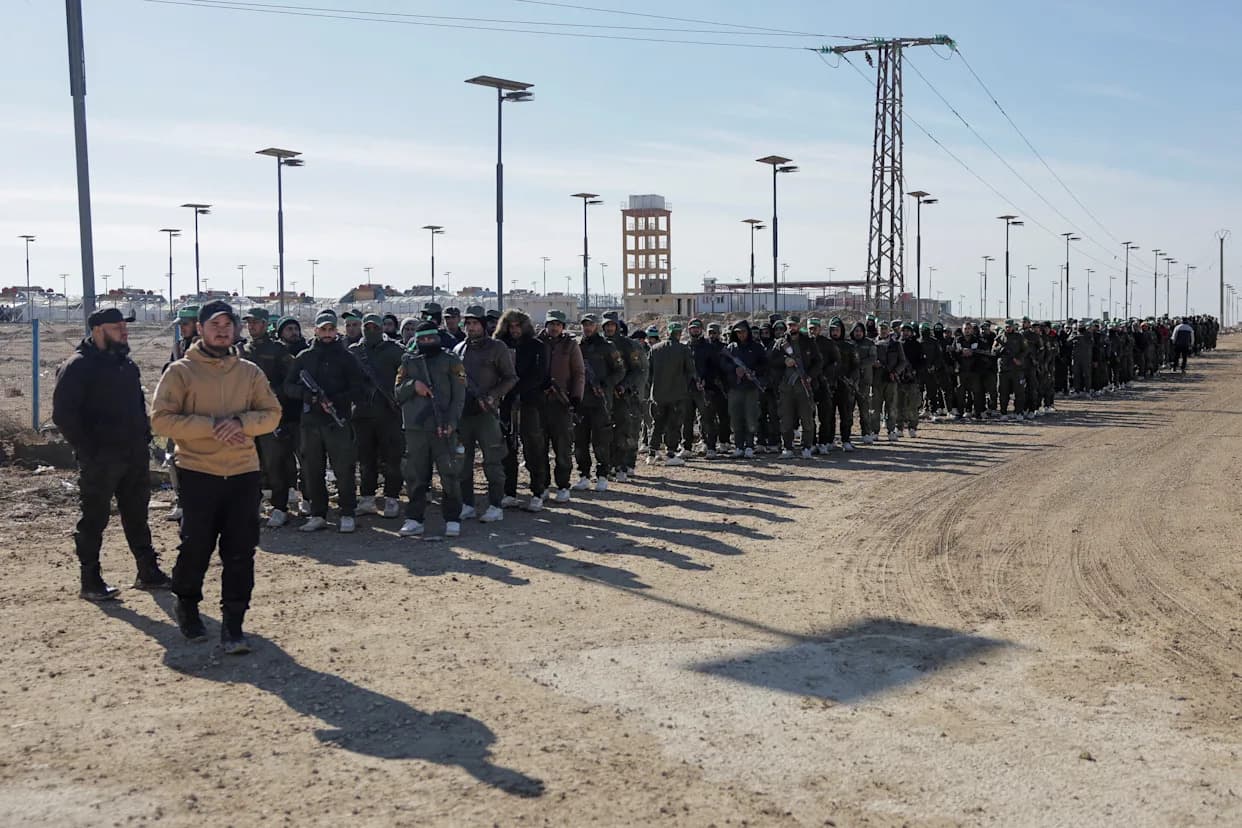
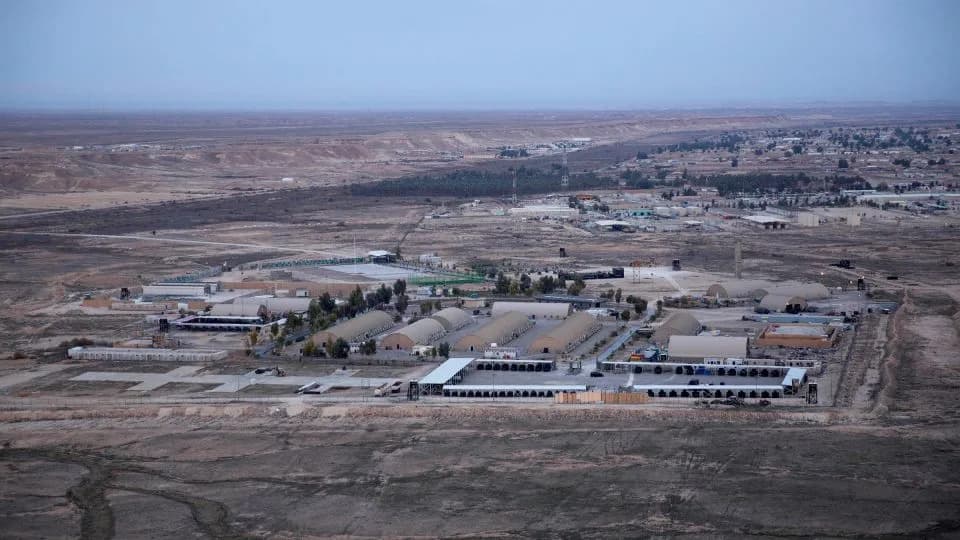
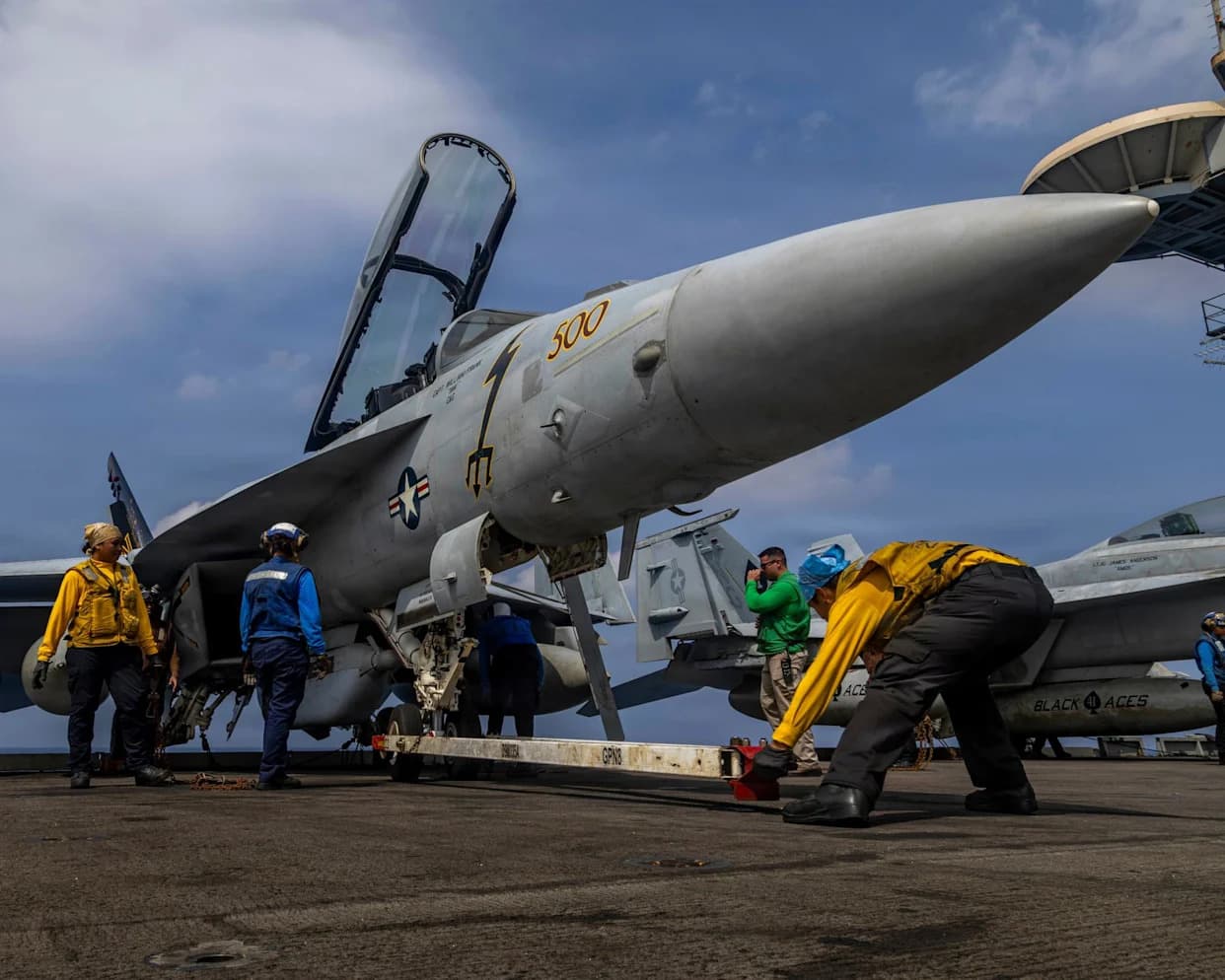
According to U.S. government figures, Iraq received roughly $31 million in direct U.S. assistance in 2025; about $20 million of that supported security‑related activities and nearly $9 million supported government operations and civil society. That figure does not reflect the full cost of the U.S. military presence that helps contain the residual ISIS threat.
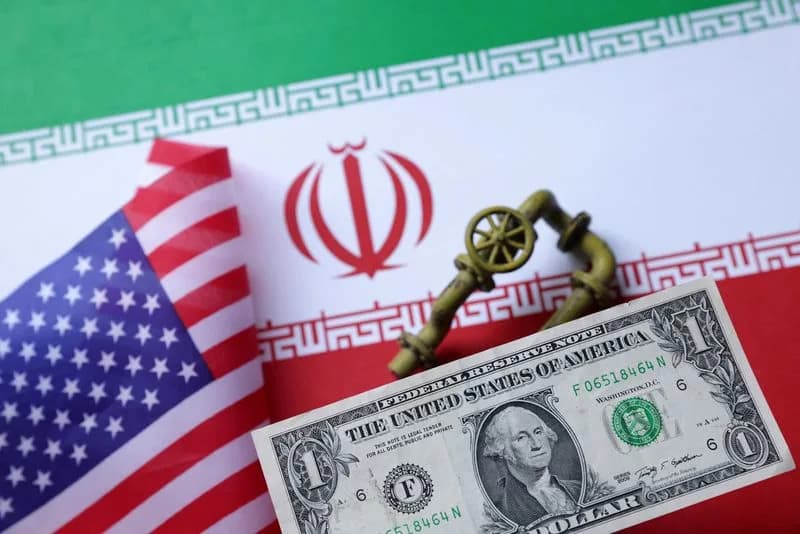
Beyond direct aid, a crucial lever is financial access: Iraq’s oil revenues are processed through accounts at the Federal Reserve Bank of New York. If U.S. authorities judged Baghdad to be acting at Tehran’s direction, Washington could consider measures to restrict or ringfence access to those funds — a step with major economic and political consequences.
Outlook
It remains unclear how far the U.S. would go — diplomatically, economically or militarily — to block an al‑Maliki return. For Iraqis, the episode underscores how domestic politics are tightly entangled with regional rivalries and international leverage.