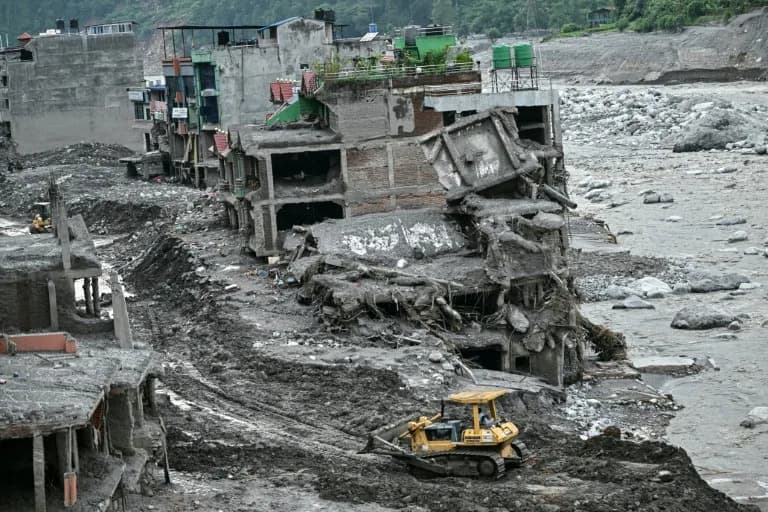
Nepal's crops were hit by an "unprecedented" July monsoon failure in Madhesh Province followed by intense October rains, cutting harvests and destroying fields. The country boosted rice and paddy imports by 46% between July and November—an extra 185,198 tons costing Rs 10.18 billion (~$70.5M). Experts link the extreme weather to rising global temperatures and urge measures such as automated irrigation, climate-resilient varieties, crop rotation and stronger government support to protect yields.
Nepal Faces Crop Crisis After 'Unprecedented' Monsoon Failure; Rice Imports Jump 46%
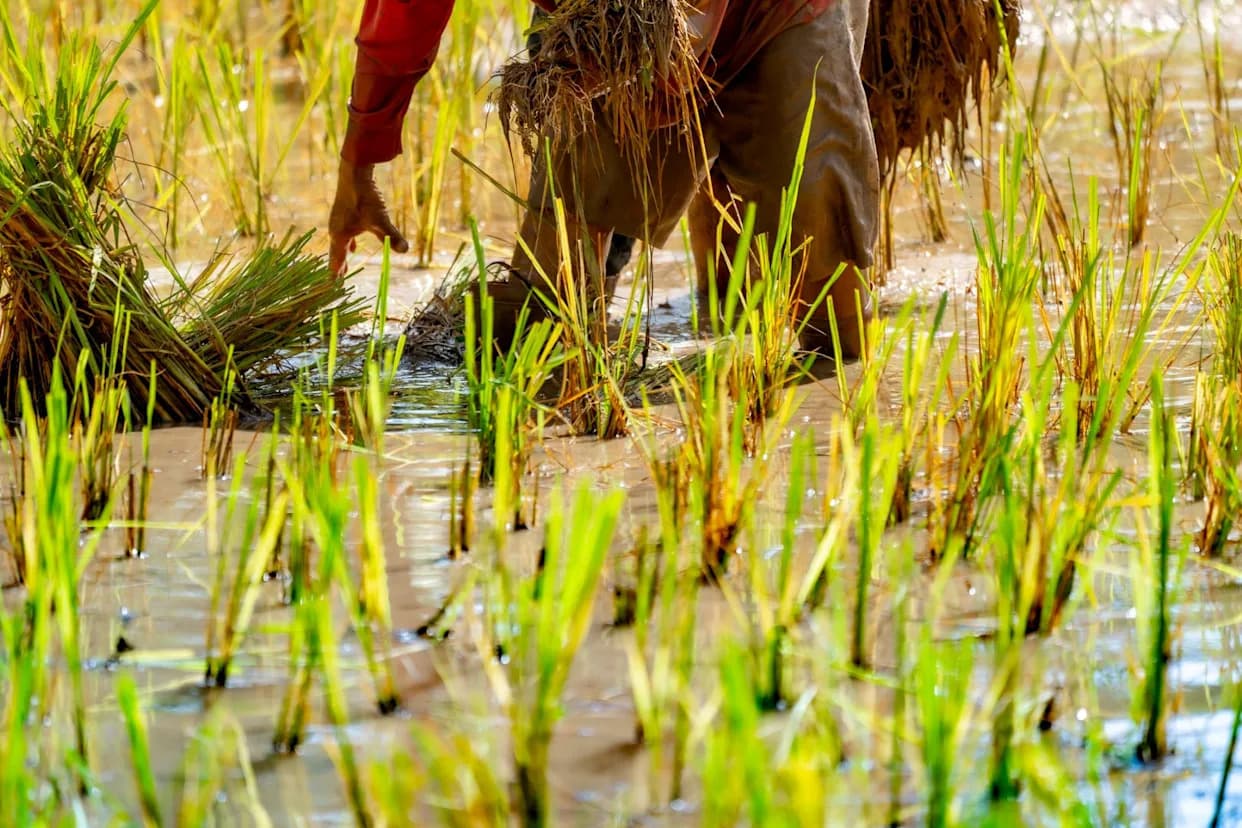
Photo Credit: iStock
Erratic monsoon rains and later October floods have dealt a serious blow to Nepal's harvests, forcing the country to supplement domestic supplies with large-scale imports of rice and paddy.
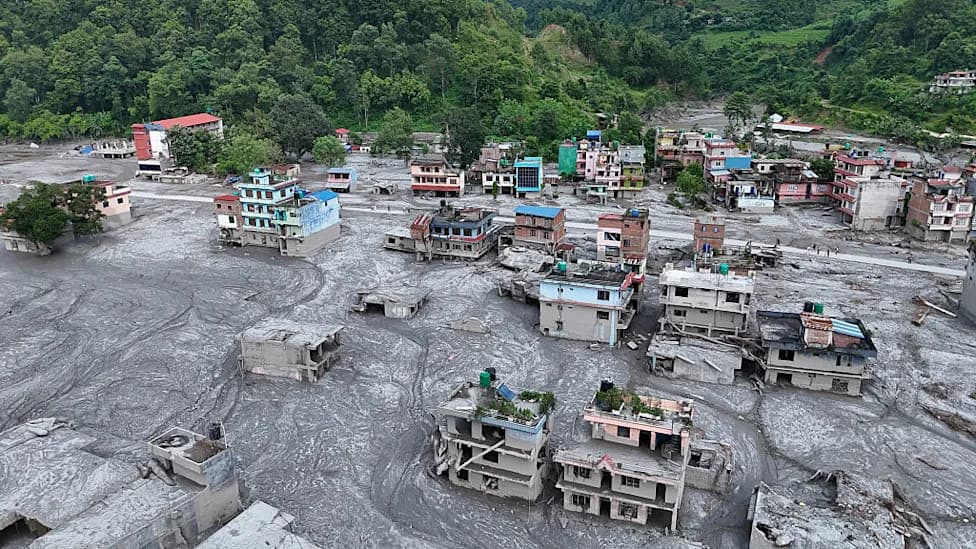
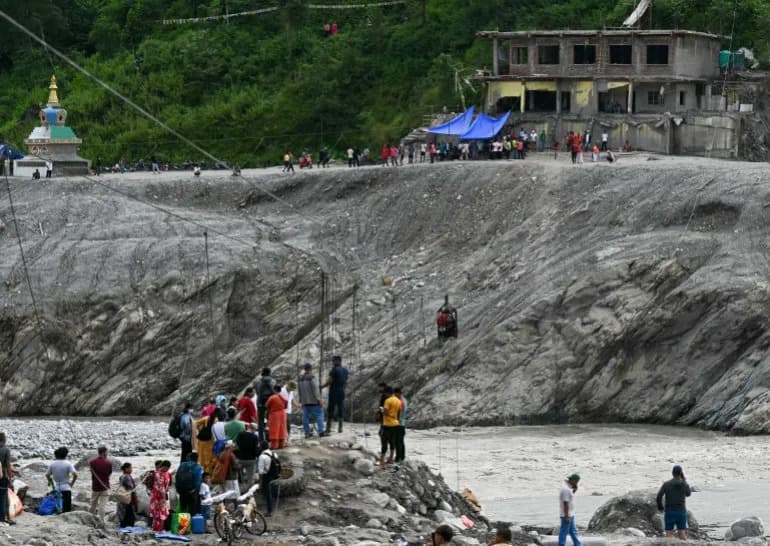
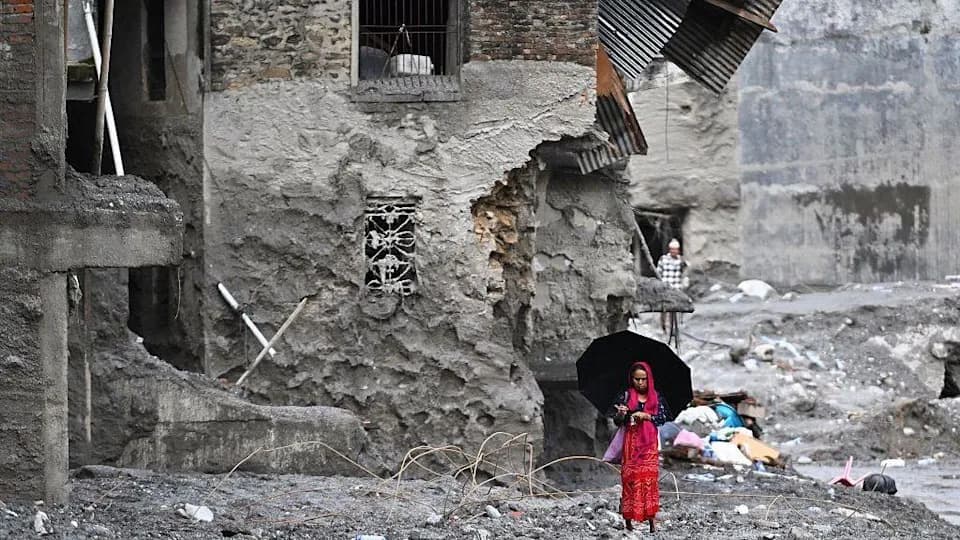
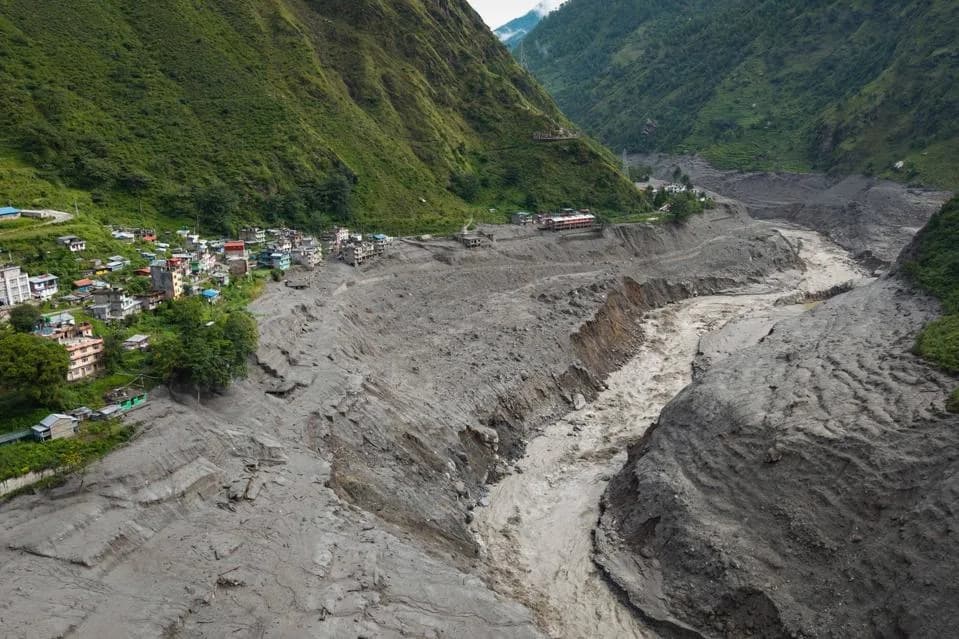
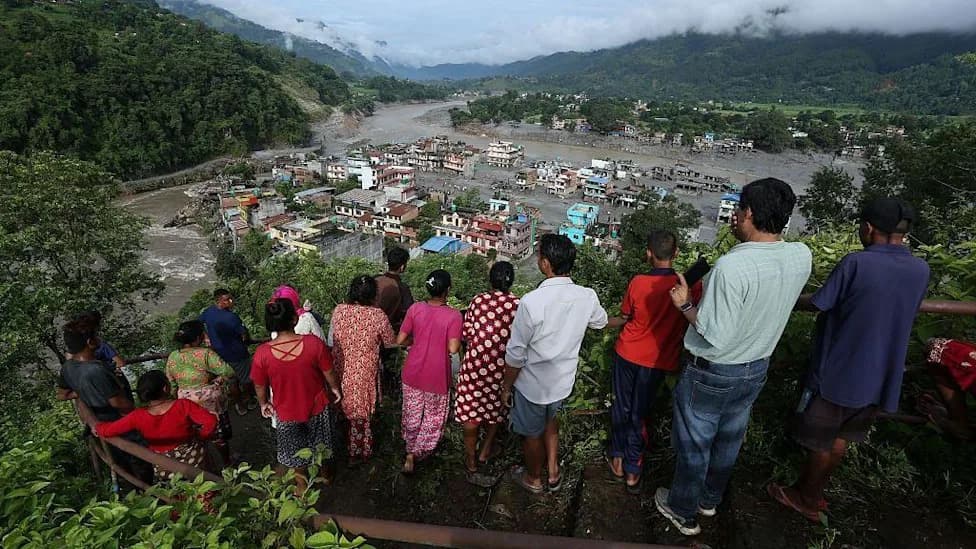
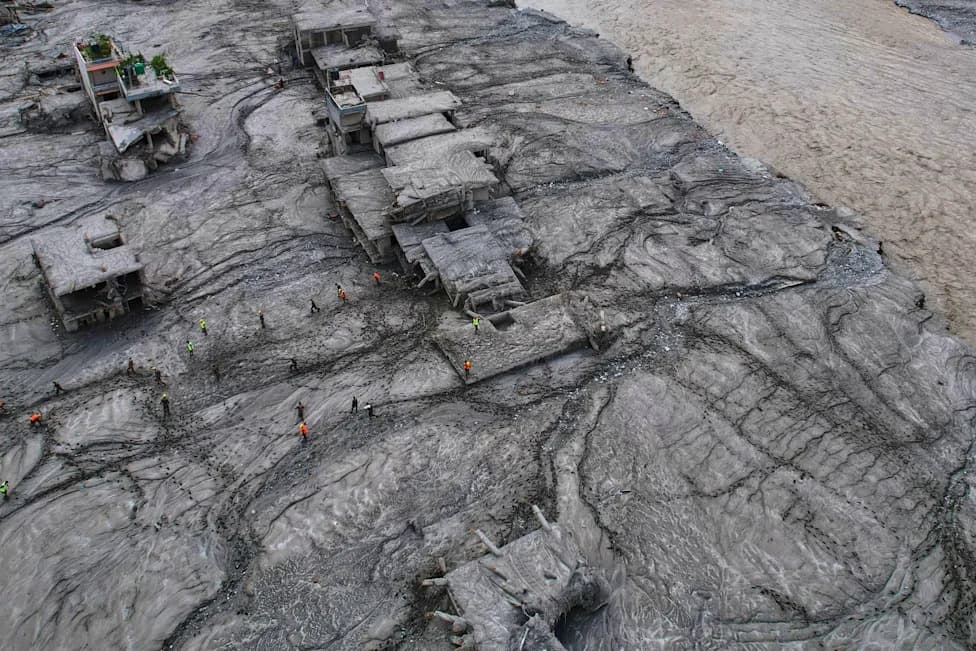
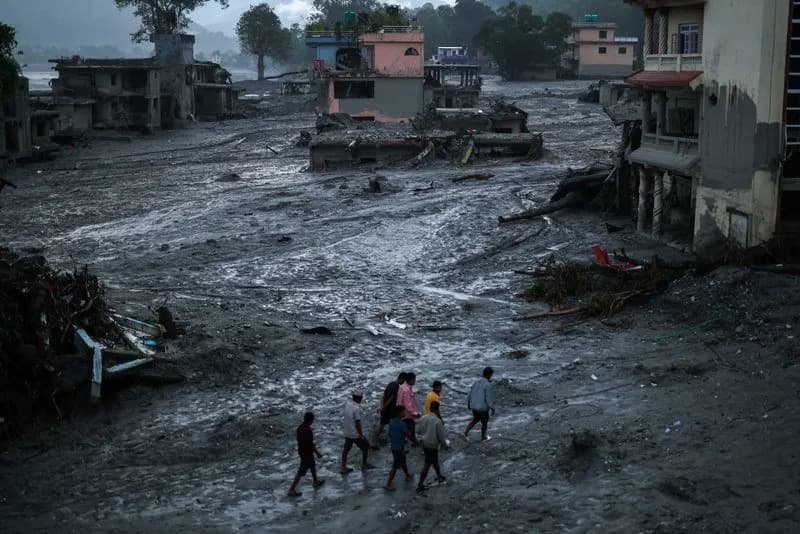
What happened: The International Center for Integrated Mountain Development (ICIMOD) described a July monsoon failure in Madhesh Province — the country's traditional "Grain Basket" — as "unprecedented," triggering a severe drought that interrupted germination and early growth for staple grains. Weeks later, heavy, sometimes deadly, October rains inundated fields that were ready for harvest, destroying standing crops and causing substantial food loss.
Impact on supply and cost: To make up shortfalls, Nepal increased rice and paddy imports by 46% between July and November compared with the same period last year, according to Nepal Republic Media. That increase totaled 185,198 tons and cost Rs 10.18 billion (approximately $70.5 million).
Climate link: Rising global temperatures—driven primarily by the burning of fossil fuels—are increasing the frequency and intensity of extreme weather events. Both prolonged droughts and sudden intense rainfall now threaten predictable growing seasons, raising the risk of repeated crop failures, wasted inputs and greater food insecurity for farming households.
Local and global consequences: Beyond the immediate harm to farmers' incomes and food availability in Nepal, repeated domestic shortfalls can ripple through international supply chains and contribute to higher food prices for consumers abroad.
Ways to reduce risk now: While the long-term solution is global emissions reduction, farmers and policymakers can take practical steps today to build resilience: adopt automated and precision irrigation to conserve water, plant climate-resilient crop varieties, implement crop rotation and soil conservation techniques, and expand access to farm equipment, subsidies and crop insurance. Strengthening early warning systems and investing in flood- and drought-tolerant infrastructure can also reduce future losses.
Outlook: As extreme weather becomes more common, Nepal's agricultural sector faces mounting pressure to adapt. Coordinated action—combining smart farming practices, targeted government support and global climate mitigation—will be critical to protect food supplies and farmers' livelihoods.
Help us improve.