Turkey’s 2025 harvests suffered dramatic losses after an April frost and prolonged drought. Fruit, beverage and spice crop output fell 30.9% to about 19.6 million tonnes, with apples down 48.3%, peaches 46.1% and cherries 70.6%. Experts link the collapse to long-term declines in Mediterranean rainfall and warn that rising global temperatures will further cut food production. Solutions include limiting warming, improving farm water efficiency and reducing food waste.
Turkish Farmers Suffer Major Losses as Unusual Frost and Drought Cut 2025 Crop Yields
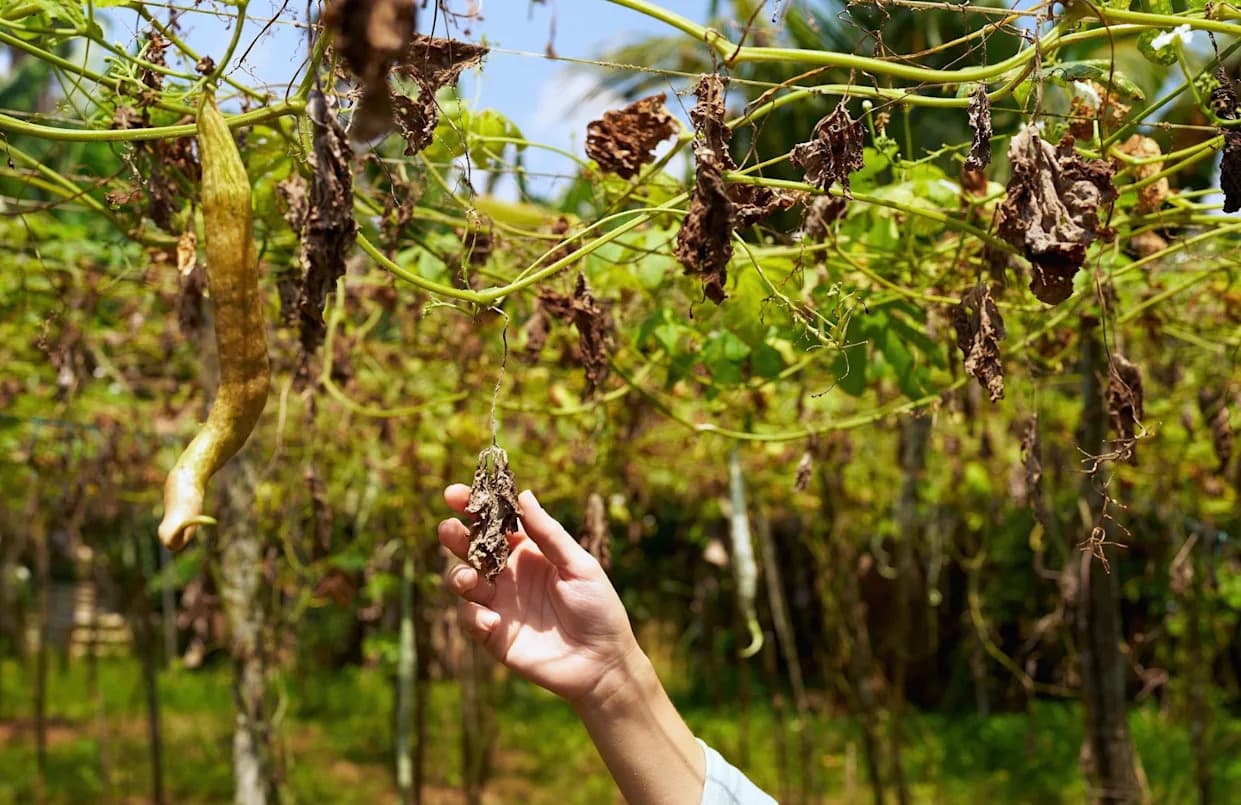
Photo Credit: iStock
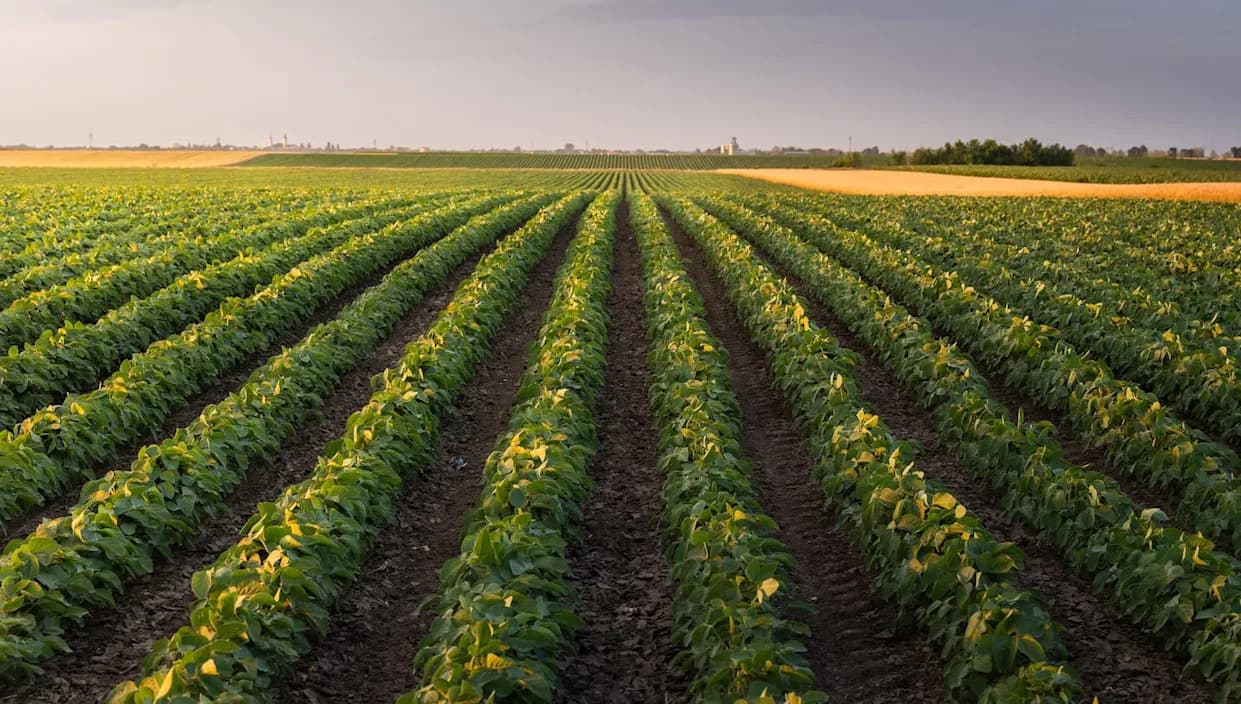
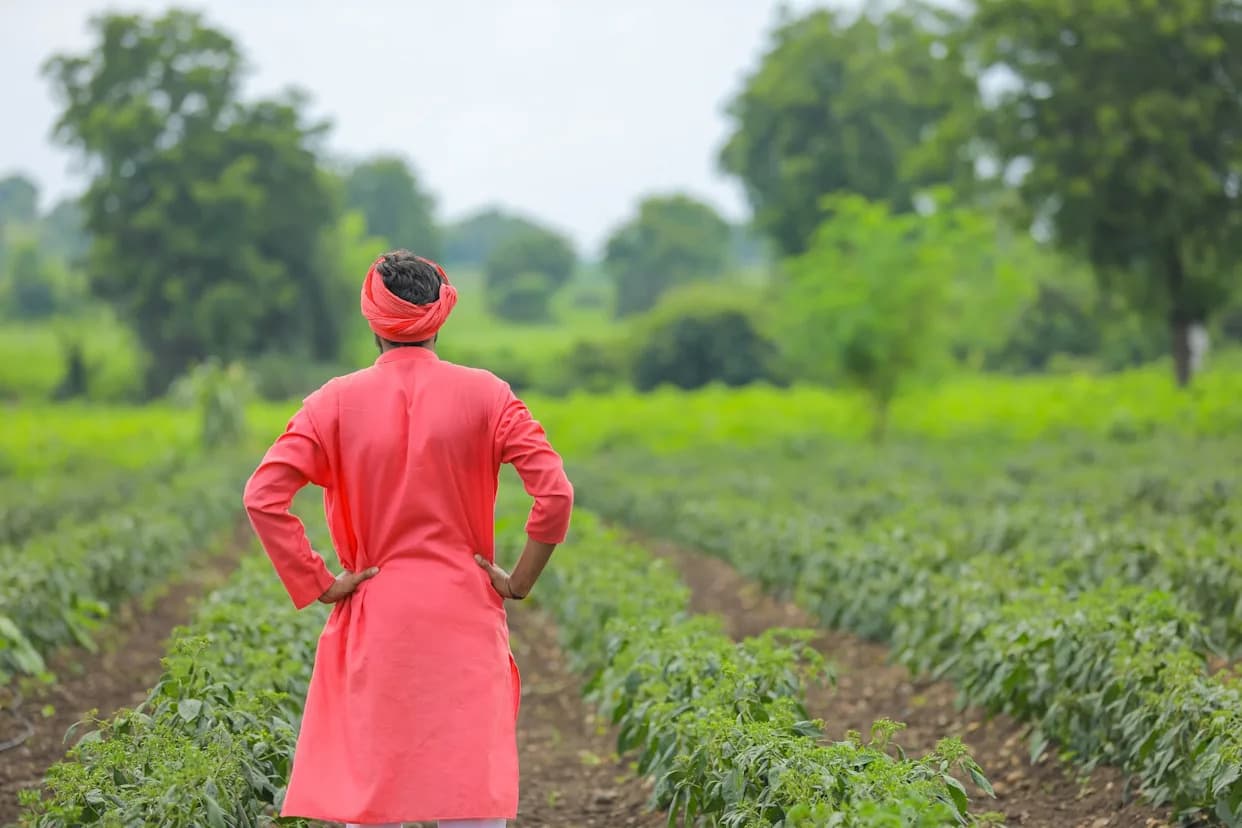
Farmers across Turkey saw sharp declines in several staple crops in 2025 after an unusual combination of a widespread April frost and an extended drought sharply reduced yields.
Official figures from the Turkish Statistical Institute, cited by Bianet, show total fruit production fell roughly 30% in 2025. Overall production of fruit, beverage and spice crops dropped 30.9%, bringing combined output to about 19.6 million tonnes.
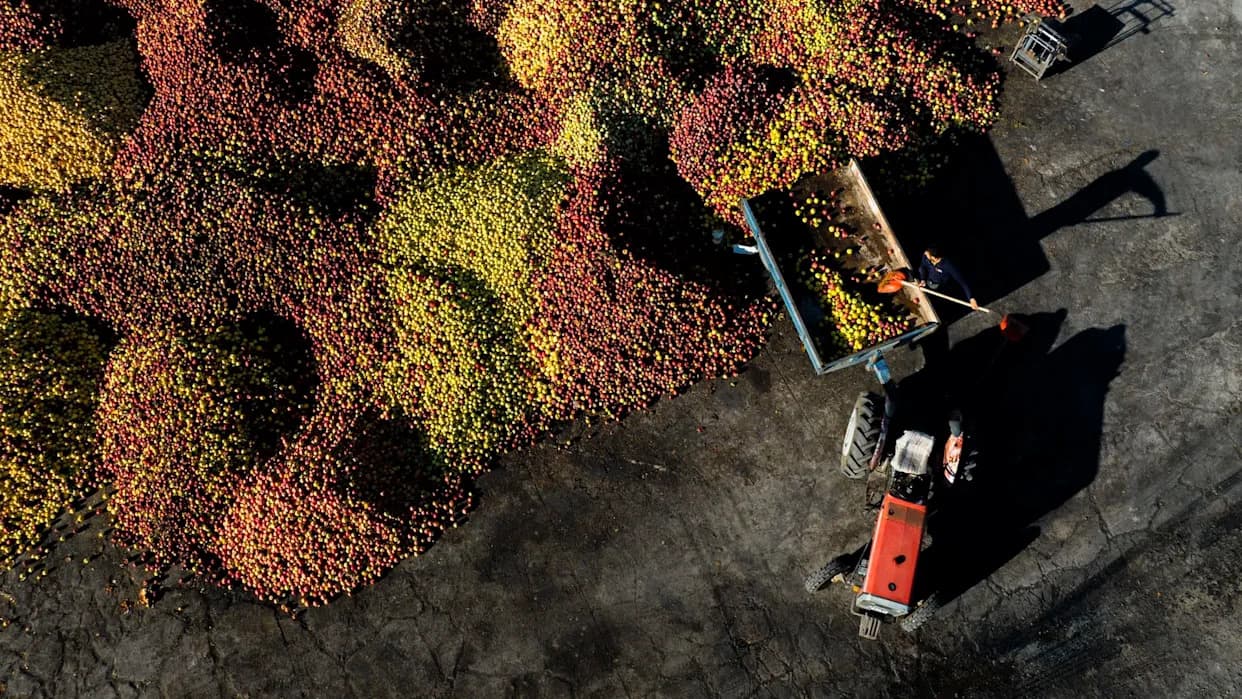
Major fruit losses were severe: apple production fell 48.3%, peaches dropped 46.1%, and cherries plunged 70.6%. Other affected crops included cereals, chickpeas, green and red lentils, and potatoes.
Experts say the two main drivers were an atypical spring frost that damaged early blossoms and an extended period of low rainfall that followed. The dean of the Faculty of Agriculture at Atatürk University noted that precipitation across the Mediterranean Basin has declined by roughly 20% over the past 25 years, contributing to persistent dry conditions that make farmers more vulnerable to extreme seasonal events.
Analysts warn these losses are consistent with broader trends linked to global warming. A study published in Nature and summarized by Stanford University estimates that each additional degree Celsius of global warming reduces global food production capacity by about 120 calories per person per day (roughly 4.4% of average daily consumption).
Those production shortfalls translate into higher prices for consumers and greater hardship for food-insecure populations; the United Nations reported that about 9% of the world experienced food insecurity in 2023.
How Farmers and Consumers Can Respond
Long-term solutions require limiting the rise in global temperatures to reduce the frequency and severity of extreme weather. On the ground, farmers can increase resilience by adopting sustainable practices, shifting crop varieties, improving soil health, and investing in efficient irrigation and water-management technologies. Households can help by reducing food waste and supporting policies and programs that build agricultural resilience.
Bottom line: Turkey’s 2025 harvest shortfalls are a stark example of how changing weather patterns and long-term drying in the Mediterranean are already affecting food production, farmer livelihoods, and food prices.
Help us improve.