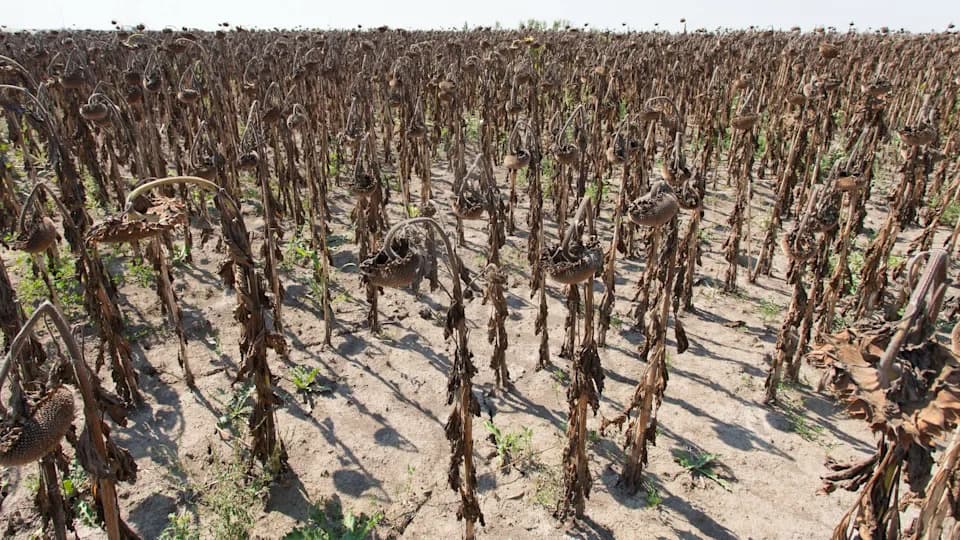
The Turkish apple harvest has fallen by about 40% after early-season frost and other adverse weather, squeezing exports and raising prices for processors and consumers. Similar climate-driven disruptions have hit regions such as Maine and China, worsening yields and food costs. Scientists are pursuing climate-resilient crops—like heat-tolerant apples and "super potatoes"—while individual actions and supportive policies can help reduce future risks.
Turkish Apple Harvest Plummets ~40% After Early Frost — Prices Rise and Exports Threatened
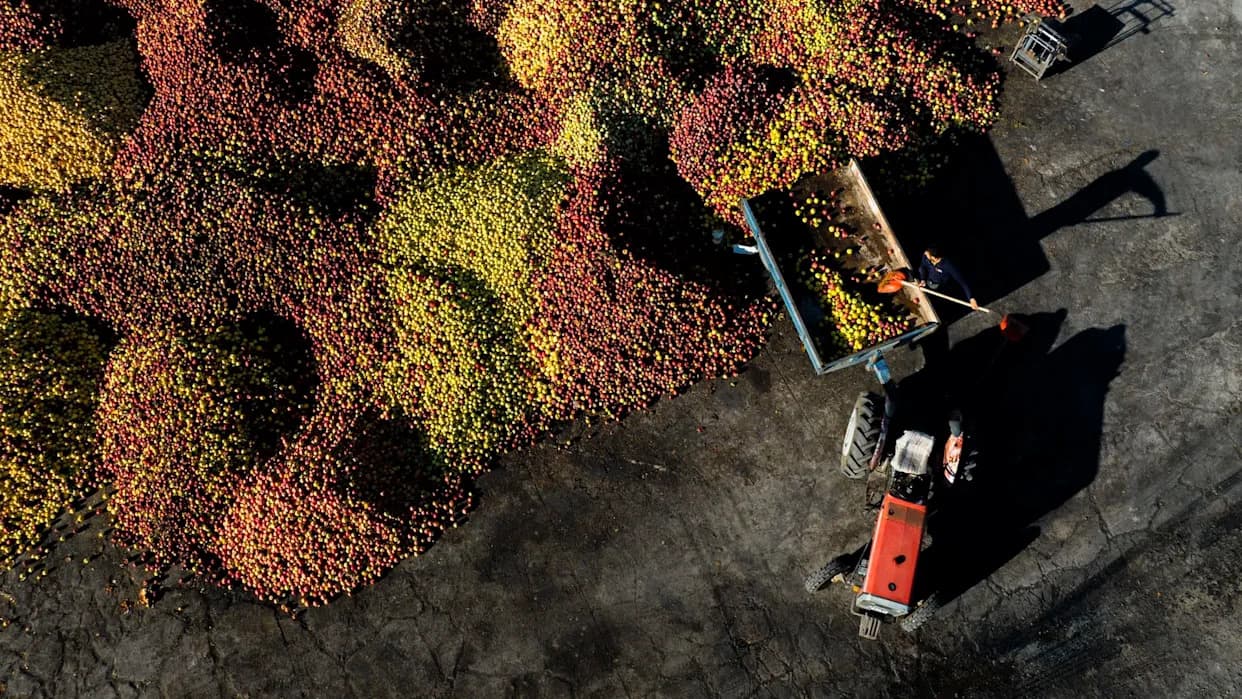
Photo Credit: iStock
The Turkish apple sector is facing a severe setback after early-season frost and other adverse weather reduced production by roughly 40%, according to Fresh Plaza. Growers report smaller, damaged fruit and lower yields during critical stages of development, squeezing both domestic markets and export prospects.
Crop Losses and Market Impact
Fresh Plaza said the fall in output has pushed wholesale prices higher and created pressure for processors that depend on steady volumes for juice, purees and other products. One industry expert quoted in the report called the season "a complete disappointment," reflecting the scale of the losses and the frustration among producers.
Global Context: Climate-Linked Disruptions
This is not an isolated event. Farmers worldwide increasingly face unpredictable and extreme conditions linked to a warming climate. For example, a severe drought and dry growing season in Maine reduced apple and blueberry yields, while heavy flooding in parts of China destroyed millions of hectares of crops and contributed to sharp spikes in produce prices.
Building Resilience Through Research
To reduce future shortages and protect farm incomes, researchers are accelerating work on climate-resilient crops. Promising initiatives include trials of so-called "super potatoes" bred for variable weather and disease resistance, and experimental programs to develop heat-tolerant apple varieties that can better withstand warming temperatures and extreme events.
What Consumers Can Do
Individual actions cannot solve climate change alone, but they help. Supporting candidates who prioritize climate policy, reducing reliance on high-emission vehicles, and choosing active or public transport can lower emissions and improve local air quality. Small changes in daily routines—combined with systemic policy shifts—make a measurable difference over time.
Why it matters: Crop shocks like Turkey's apple loss raise food prices, threaten export earnings, and make farming livelihoods more precarious. Strengthening plant resilience and cutting emissions are parallel paths to greater food security.
Help us improve.