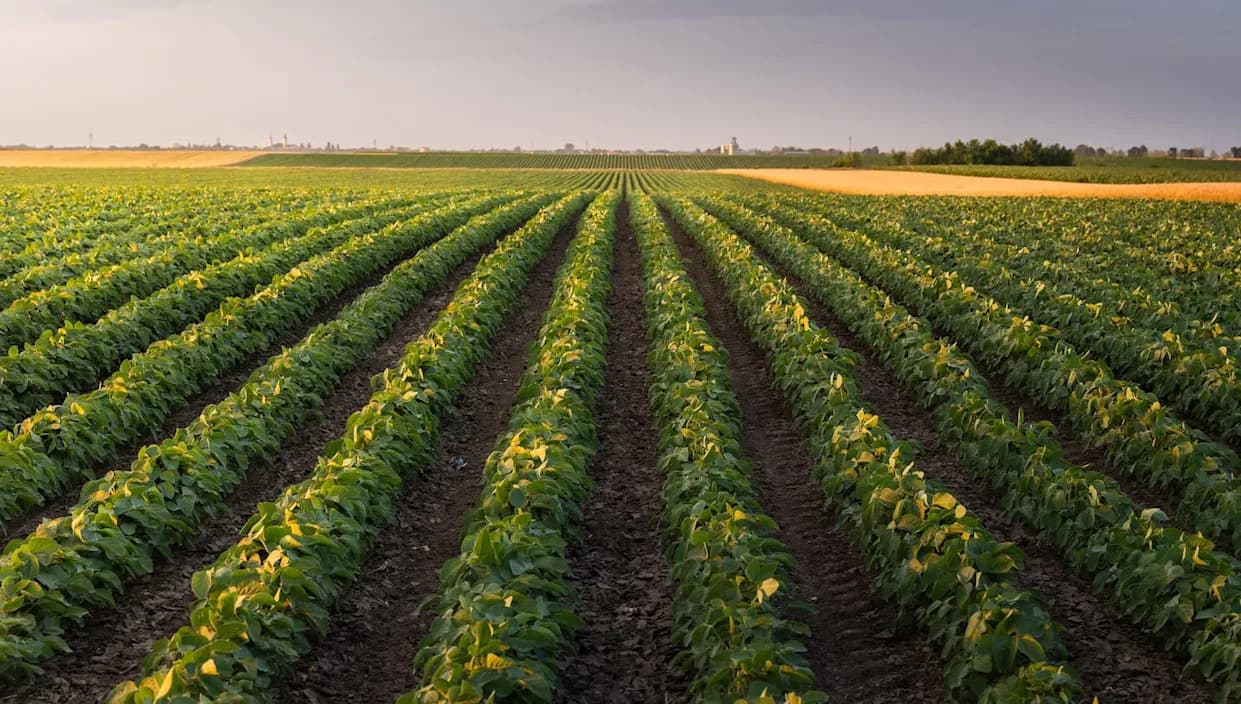
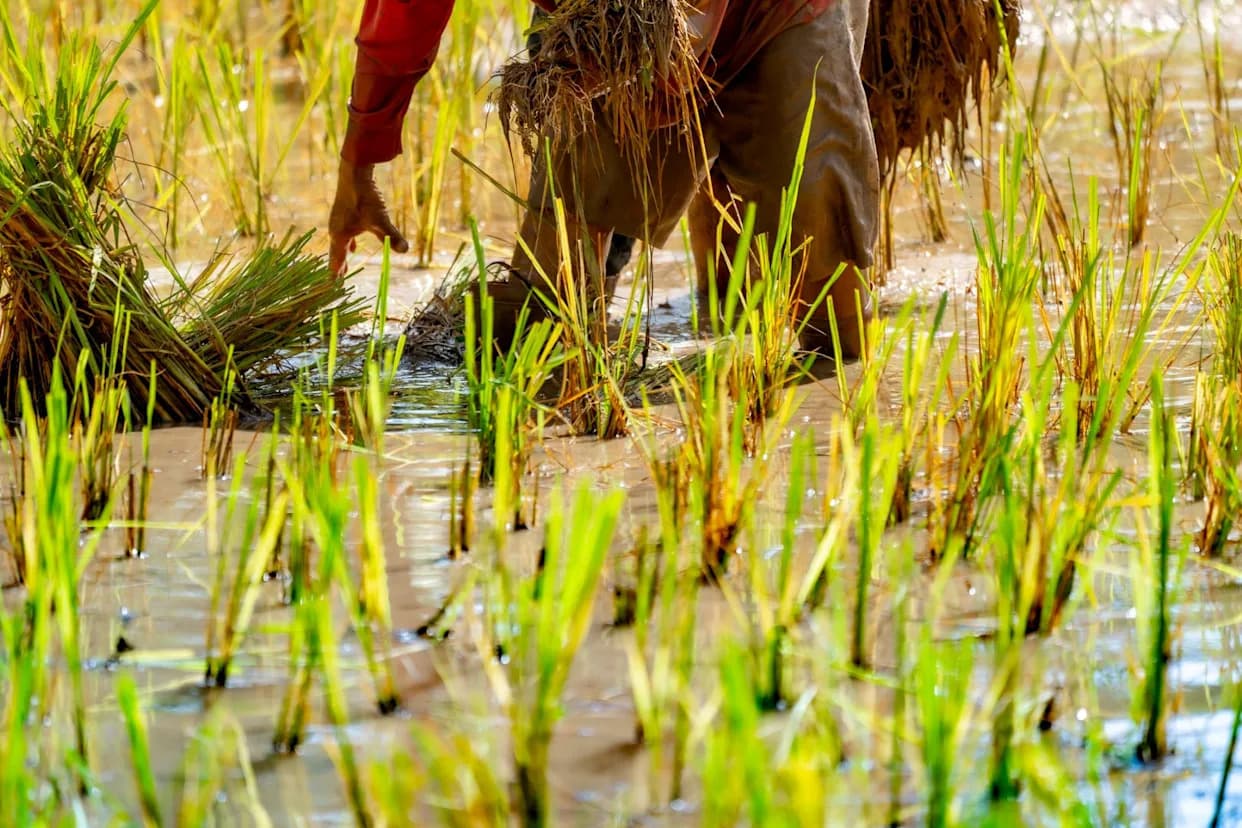
Rising temperatures are increasing crop pest damage worldwide. A study in Nature Reviews Earth & Environment estimates that 2°C of warming could raise wheat losses by ~46%, maize by ~31% and rice by ~19%, though these figures are conservative. Pests are moving into higher altitudes and northern latitudes, and temperate regions may face the sharpest increases. Experts recommend boosting biodiversity and shifting to more diverse, resilient farming practices to protect food supplies.
Experts Warn 2°C Warming Could Dramatically Increase Crop Pest Damage — Threatening Global Food Supply
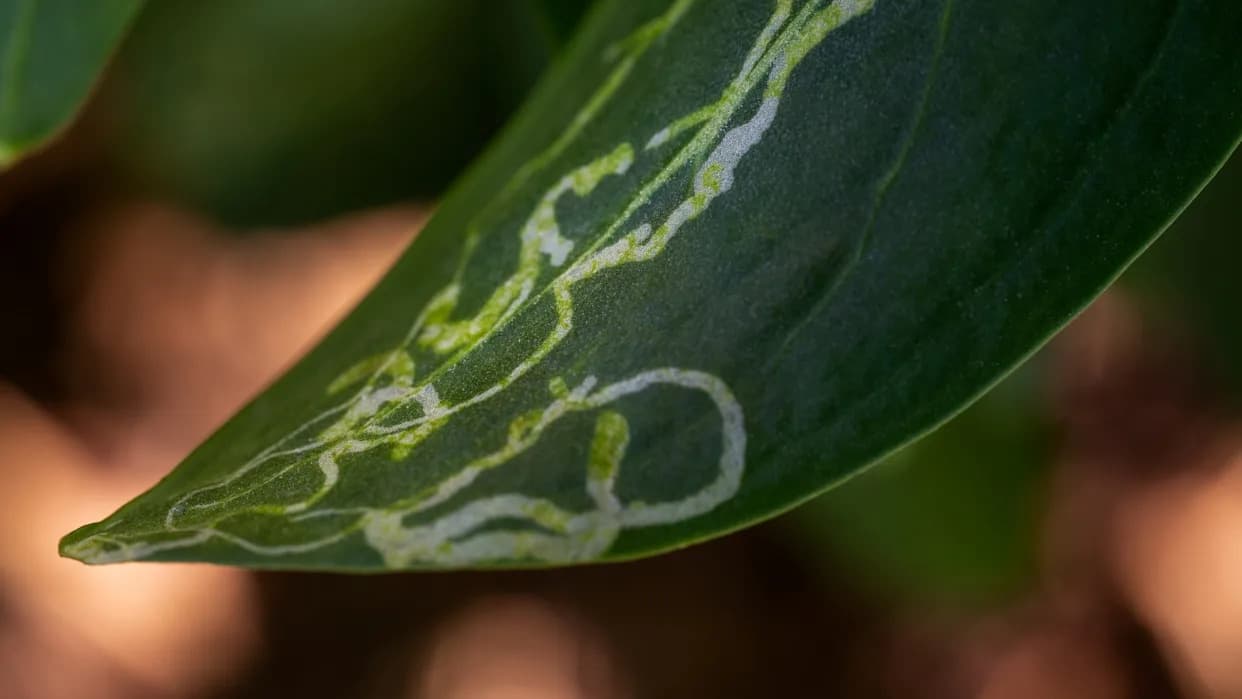
Photo Credit: iStock
Rising global temperatures are amplifying damage to staple crops from insects and plant diseases, researchers warn. A new analysis in Nature Reviews Earth & Environment finds that a 2°C (3.6°F) increase in average temperature could boost pest-related losses for wheat by about 46%, maize by roughly 31%, and rice by nearly 19%.
Why Pests Are Winning
Many crop pests — including aphids, caterpillars, locusts and planthoppers — benefit from warmer conditions. Higher average temperatures speed up insect life cycles, enable more broods per year and extend feeding seasons as winters become milder. These shifts are already pushing pest populations into higher mountain zones and farther north than they could previously survive.
“The world is focused on these major grains, wheat, rice, maize, soybean, and it’s a very simplified and vulnerable system,” said Professor Dan Bebber of the University of Exeter.
Scale Of The Problem
The study’s estimates are conservative because researchers examined only insects that attack grain crops. Even so, insects and plant diseases are already responsible for destroying about four in ten harvested crops worldwide — a loss scale the authors call “a major challenge for global food security.” When harvests shrink, food prices rise, squeezing household budgets and threatening farm livelihoods.
Who Will Be Hardest Hit?
Temperate regions, including much of Europe and the United States, are likely to see the steepest increases in pest activity. The report also highlights that modern, simplified agricultural systems — heavily reliant on a small number of major grains and chemical controls — have weakened the natural predators and biodiversity that historically kept pests in check.
Practical Responses
Experts urge a shift toward strategies that bolster ecological resilience: restoring and protecting biodiversity, adopting diversified crop systems, and using integrated pest management instead of heavy reliance on chemical pesticides. At the household level, planting native flowers and shrubs to attract beneficial insects, avoiding garden pesticides, and supporting local farmers who use diversified or agroecological methods can help.
Bottom line: Warming-driven pest expansion poses a growing threat to global food supplies. Strengthening biodiversity and farming diversity is one of the most effective ways to reduce risk and protect harvests.
Help us improve.