Cashew yields around Mangaluru have plunged, leaving Karnataka producing about 50,000 tonnes against a state demand of roughly 500,000 tonnes and importing nearly 90% of its supply. Farmers blame erratic weather, weak market support and pest pressures, while the Cashew Research Centre distributes higher-yielding, pest-resistant varieties. The shortfall mirrors global crop declines driven by warming temperatures; the WMO warns that 2025 will likely rank among the hottest years on record, heightening risks to food security and ecosystems.
Cashew Yields Collapse in Mangaluru — Karnataka Now Imports 90% of Its Supply
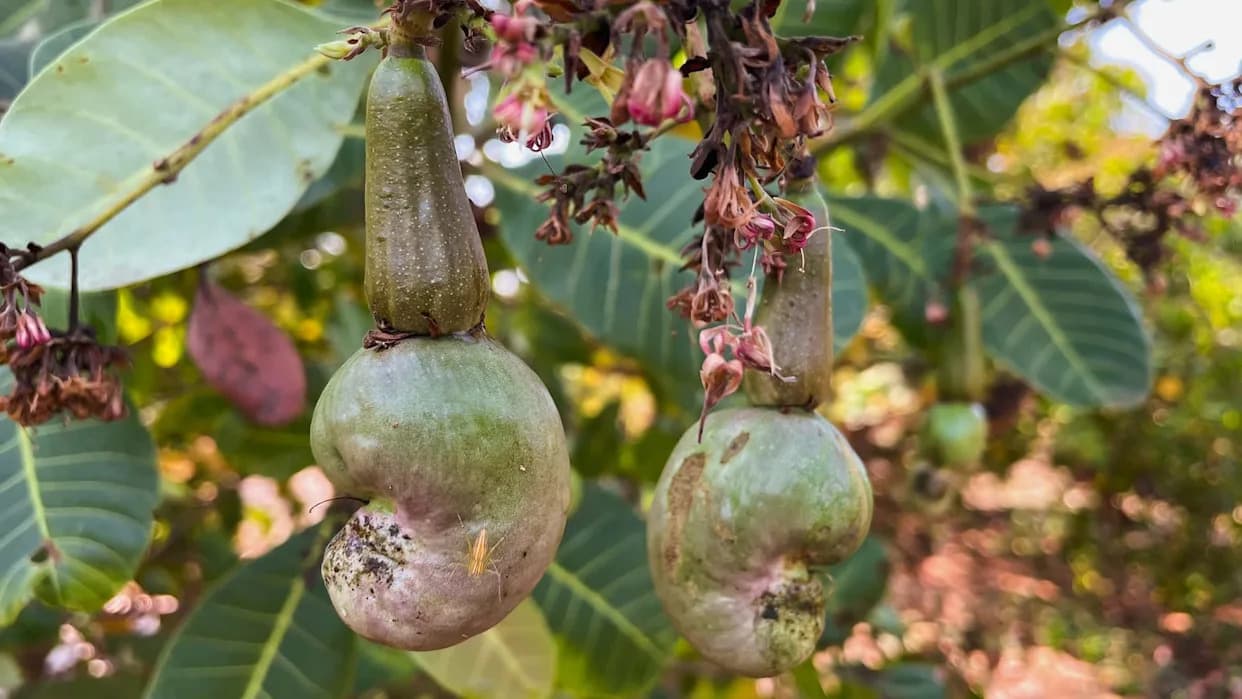
Photo Credit: iStock
Mangaluru, on India’s west coast, is facing a sharp decline in cashew production as local yields fall to extremely low levels. The shortfall has pushed Karnataka to rely heavily on imports and forced many growers to abandon cashew cultivation.
What Happened
Local reporting and industry figures indicate that Karnataka consumes roughly 500,000 tonnes of cashews each year but currently produces only about 50,000 tonnes within the state. That gap means the state now imports nearly 90% of the cashews it needs.
Causes
Farmers and experts point to a combination of factors behind the collapse in yields:
- Erratic weather: Unpredictable rainfall, heatwaves and shifting seasonal patterns have damaged flowering and nut set.
- Weak market support: Low prices, limited access to finance and poor supply-chain incentives have discouraged cultivation.
- Pest and disease pressures: Outbreaks and weaker crop resilience have reduced productivity for some orchards.
Local And Global Impact
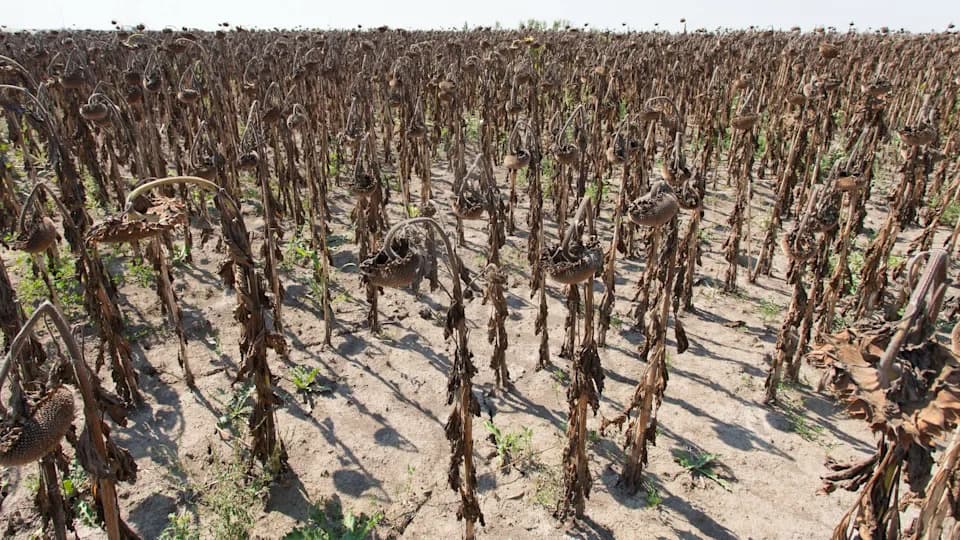
The decline in Mangaluru reflects a broader global pattern of crop losses linked to warming temperatures and climate volatility. Reports from other regions cite dramatic reductions in yields — for example, some areas in Greece have reported chestnut yields falling by as much as 90%.
The World Meteorological Organization projects that 2025 will likely be the second- or third-hottest year on record. More frequent heatwaves and sustained high temperatures threaten farmers’ livelihoods and raise the risk of food-price spikes and supply squeezes for consumers.
There are also ecological consequences: wild animals that rely on cashew nuts, such as local monkey populations, may face food shortages that cascade through the ecosystem.
Research, Responses And Options
The Cashew Research Centre is responding by distributing higher-yielding varieties and developing strains with improved pest resistance. Experts say additional steps that could help restore production include improved irrigation and soil management, targeted farmer support programs, better market linkages and investment in post-harvest handling.
Beyond nut production, the cashew tree also bears edible cashew apples. Growing local demand and processing for these fruits could create new income streams and reduce reliance on imports if developed effectively.
What This Means For Consumers
Reduced local production can translate into higher prices or limited availability for cashew products. Households and communities may consider diversifying local food production — for example, small-scale gardening — as one buffer against volatile global markets, where practical.
Bottom line: Restoring cashew productivity in Mangaluru will require coordinated action — from research and improved farming practices to market and policy support — to protect farmers’ livelihoods and regional food security.
Help us improve.