Russian forces are reported to be fitting Starlink satellite terminals on low-cost attack drones, allowing them to evade Ukrainian jamming systems and extend flight ranges — officials estimate up to about 500 km (310 miles). Ukrainian experts say they have evidence of hundreds of Starlink-equipped strikes, including swarms of inexpensive Molniya drones. Kyiv has reached out to SpaceX for help, while analysts warn the tactic increases risks to civilians and brings some NATO-border regions into range.
Russia Reportedly Fitting Starlink Terminals to Attack Drones, Extending Range and Evading Jamming
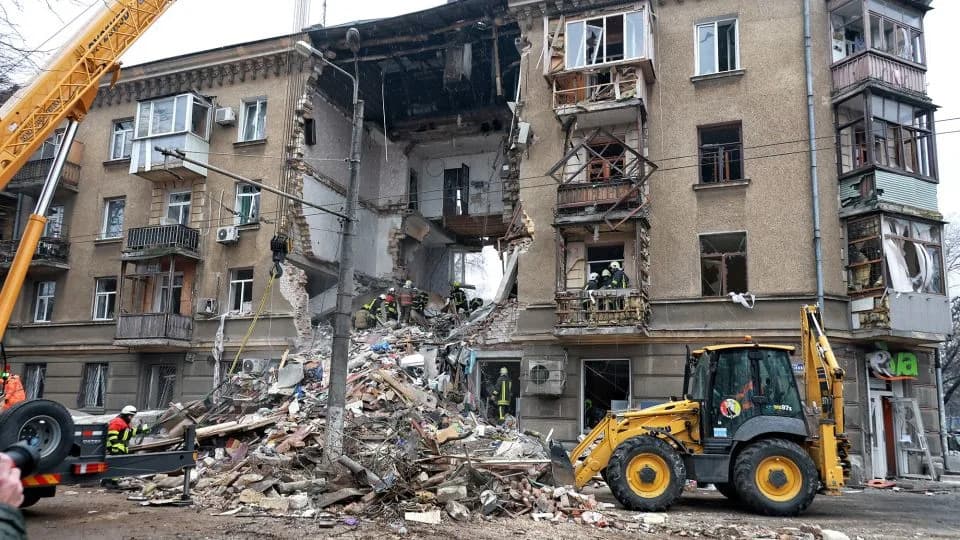
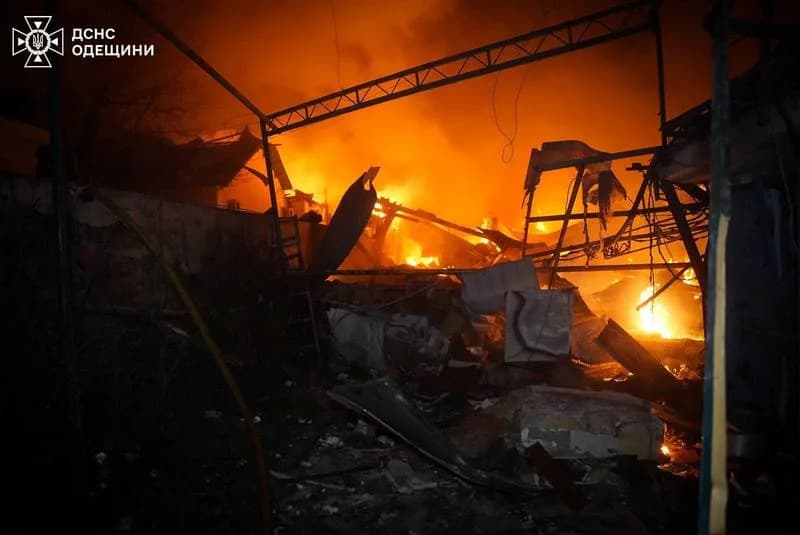
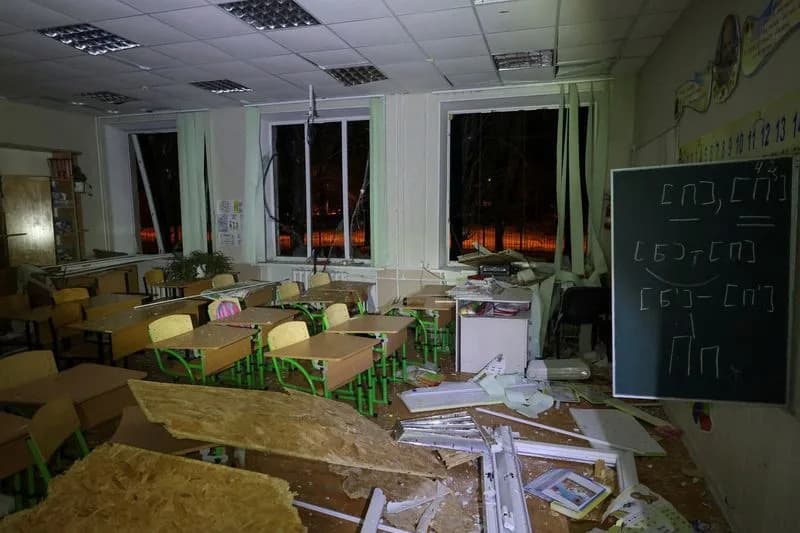
Emergency responders clear out the rubble of a residential building damaged by a Russian drone strike in Odesa, Ukraine, on January 27, 2026. - Ukrinform/NurPhoto/Getty Images
Russian forces have reportedly been mounting Starlink satellite terminals on low-cost attack drones, enabling strikes to penetrate deeper into Ukraine and potentially reach areas close to NATO borders, Ukrainian officials and analysts say.
What Officials Say
Serhii Beskrestnov, a military-technology adviser to Ukraine’s Defence Ministry known by the callsign "Flash," told reporters that Ukraine has collected evidence of "hundreds" of strikes carried out by drones using Starlink terminals. He said many of the strikes hit civilian rear and frontline cities, including residential buildings.
"These attacks are not aimed at military positions but at civilian areas. This is terrorism using modern civilian communications technology," Beskrestnov said.
How Starlink Changes Drone Capabilities
Ukrainian specialists say that integrating Starlink lets operators bypass Ukraine’s electronic warfare systems that typically jam GPS and radio links. Previously, some Russian drones relied on fibre-optic tethers to avoid jamming, but tethered systems are limited by cable length. Starlink-equipped drones can reportedly fly much farther, resist local jamming and be controlled in real time from within Russia.
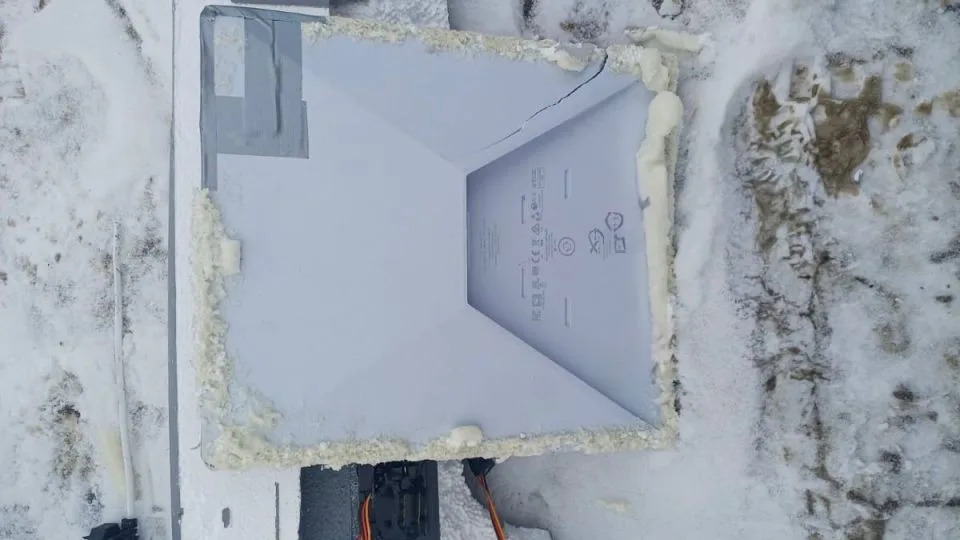
A handout photo from Ukrainian officials shows remnants of the Russian drone equipped with a Starlink. - Serhii Beskrestnov
Beskrestnov has shared images and estimates suggesting some Starlink-enabled UAVs — including a reported BM-35 strike near Dnipro — could reach distances up to about 500 kilometres (310 miles). He also said a Shahed-class strike that hit a moving civilian train may have used a mesh radio modem or a Starlink terminal to penetrate defences and be steered to a precise impact point.
Swarm Tactics and Cost Dynamics
Analysts say Starlink reduces the need for larger, more expensive missiles and drones that are easier to detect. A simple drone fitted with an inexpensive Starlink Mini (reported costs vary but have been cited in the low hundreds of dollars) can be a low-cost alternative. Beskrestnov reported that plywood-built Molniya drones equipped with Starlink were used against energy infrastructure in Chernihiv and that roughly one in three such drones struck its target when using the technology.
Responses, Sanctions, and Risks
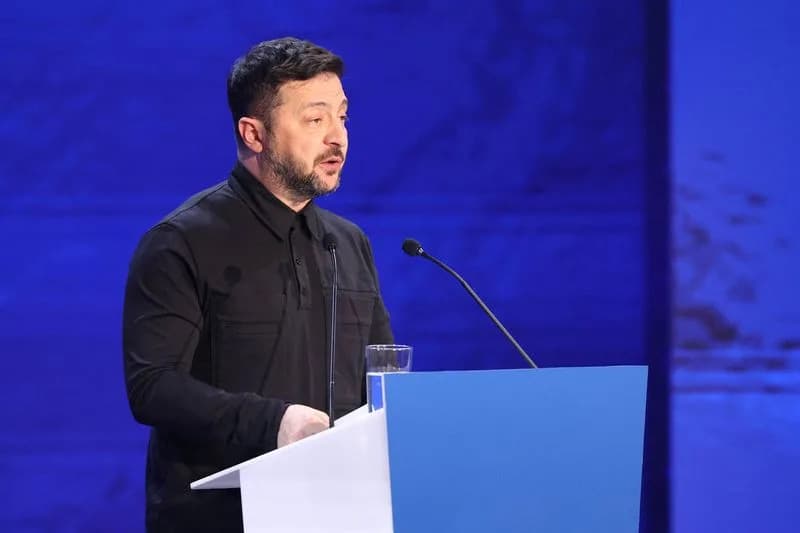
Ukraine’s newly appointed Defence Minister Mykhailo Fedorov said Kyiv must respond quickly to this development and that his ministry has contacted SpaceX with proposals to prevent misuse of the network. Fedorov said Russia launched more than 6,000 drones in the past month — a marked increase year-on-year — and warned that the enemy keeps adapting tactics daily.
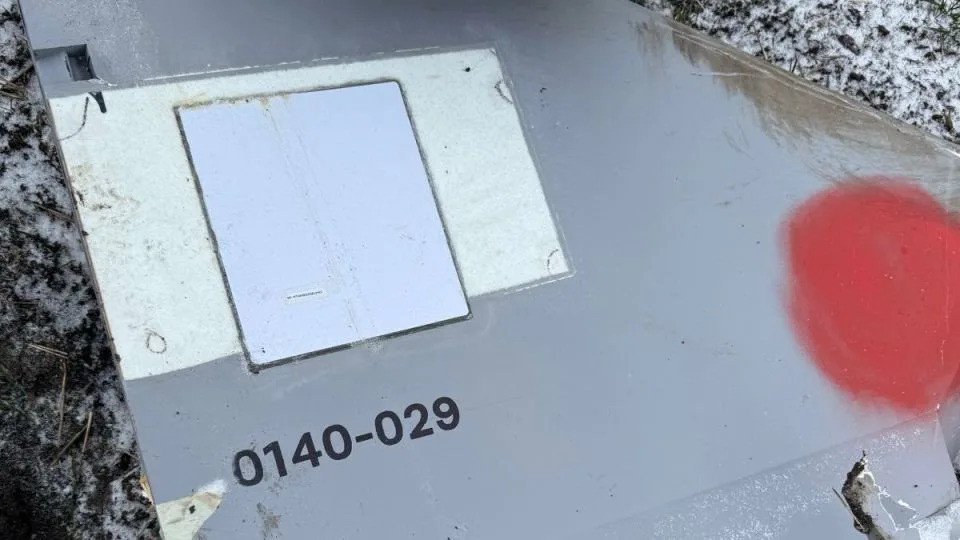
The Starlink technology makes the drones resistant to Ukraine's electronic warfare tools. - Serhii Beskrestnov
CNN sought comment from Starlink/SpaceX and had not received a response at the time of reporting. Starlink hardware is subject to U.S. sanctions and is not authorized for sale or use in Russia. Starlink has previously said it will deactivate any terminal found to be used by sanctioned or unauthorized parties.
The U.S.-based Institute for the Study of War (ISW) warned that, if the reported 500-kilometre range is accurate, most of Ukraine — plus all of Moldova and parts of Poland, Romania and Lithuania — could be within reach of BM-35 drones launched from Russia or occupied areas.
Public Exchange and Wider Context
Poland’s Deputy Prime Minister Radosław Sikorski publicly asked Elon Musk on X why Starlink terminals were not being disabled to prevent Russian strikes. Musk replied by insulting Sikorski and reiterated that Starlink is "the backbone of Ukraine military communications," without addressing the specific question about disabling terminals used by Russia.
Since the start of the war, Ukraine has become heavily reliant on Starlink for military communications, drone operations and civilian services, including hospitals and government institutions. Officials warn that this reliance complicates both humanitarian and military responses to any misuse of the network.
What Remains Unclear
Independent verification of every specific incident remains challenging in an active conflict zone. Reports are based on Ukrainian investigations, analyst assessments and open-source imagery. SpaceX/Starlink's internal measures and any further technical mitigations remain subject to company and governmental review.
Help us improve.