Tel Aviv University researchers provide the first direct evidence that plants and animals can communicate acoustically: female moths detect ultrasonic emissions (20–100 kHz) from stressed plants and avoid laying eggs on them. Playback, deafening, and control-sound experiments confirm that the plant-produced ultrasound drives the behavior. Consistent signals across multiple plant species suggest broader ecological and agricultural implications as climate-driven stress increases.
Plants May 'Speak' in Ultrasound — Moths Hear and Avoid Stressed Plants

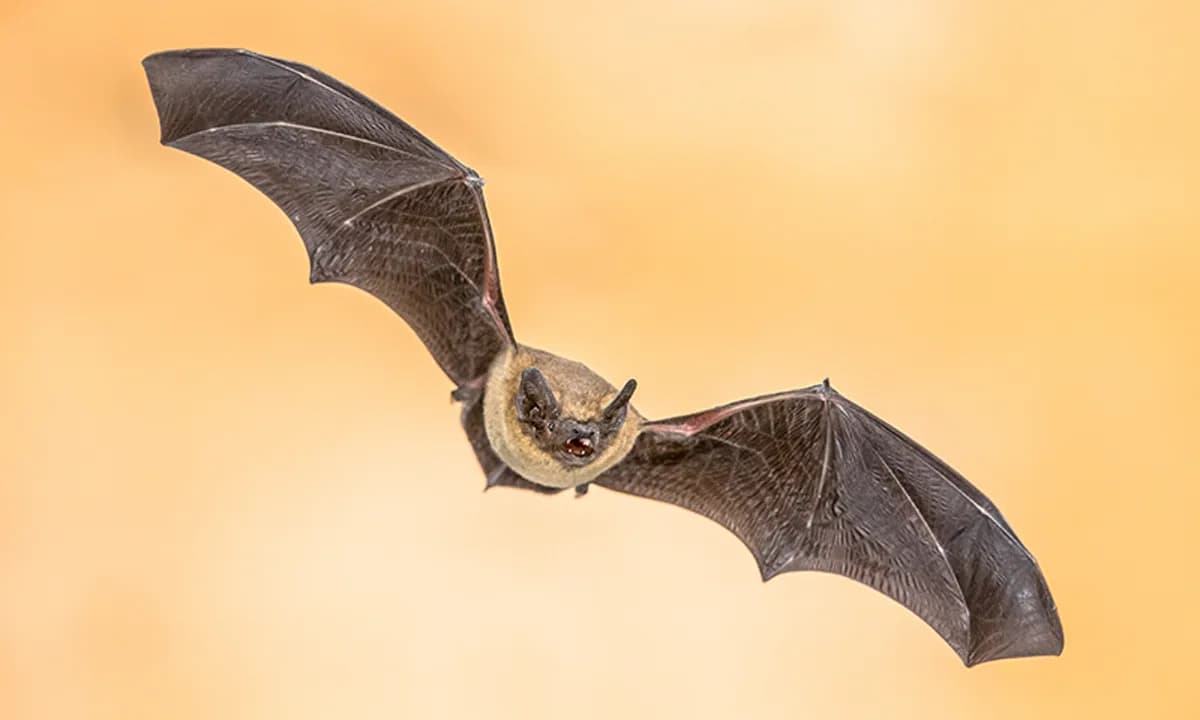
Photo Credit: iStock
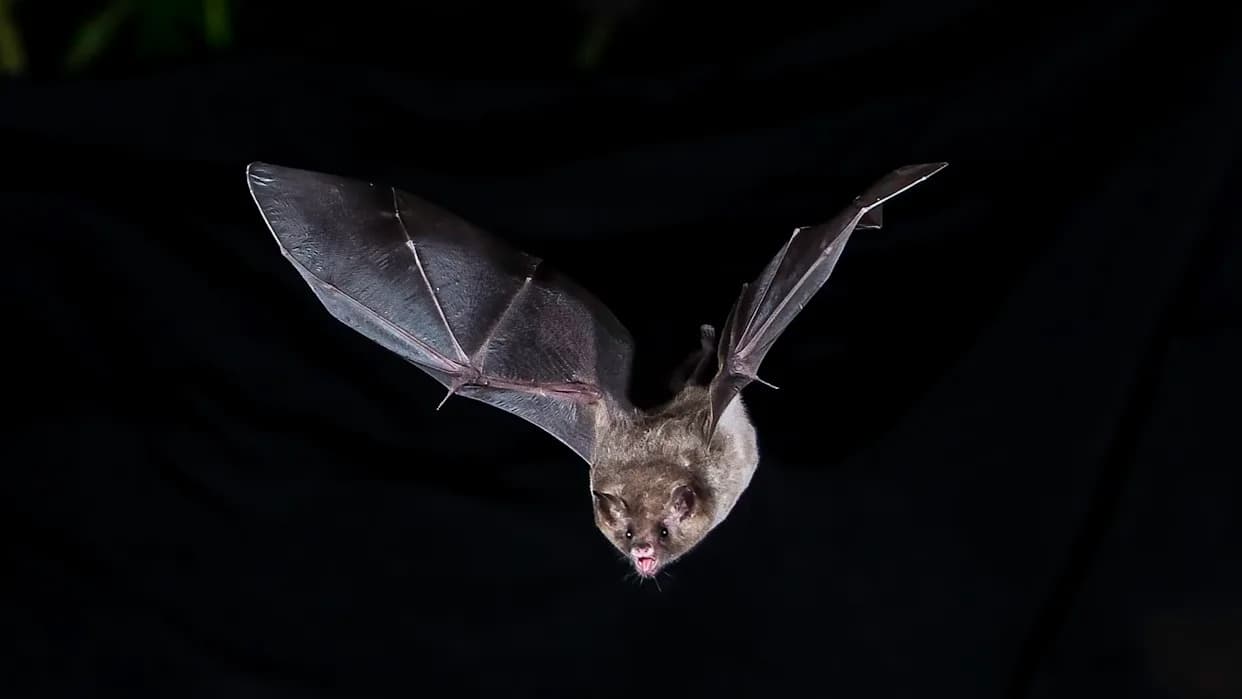
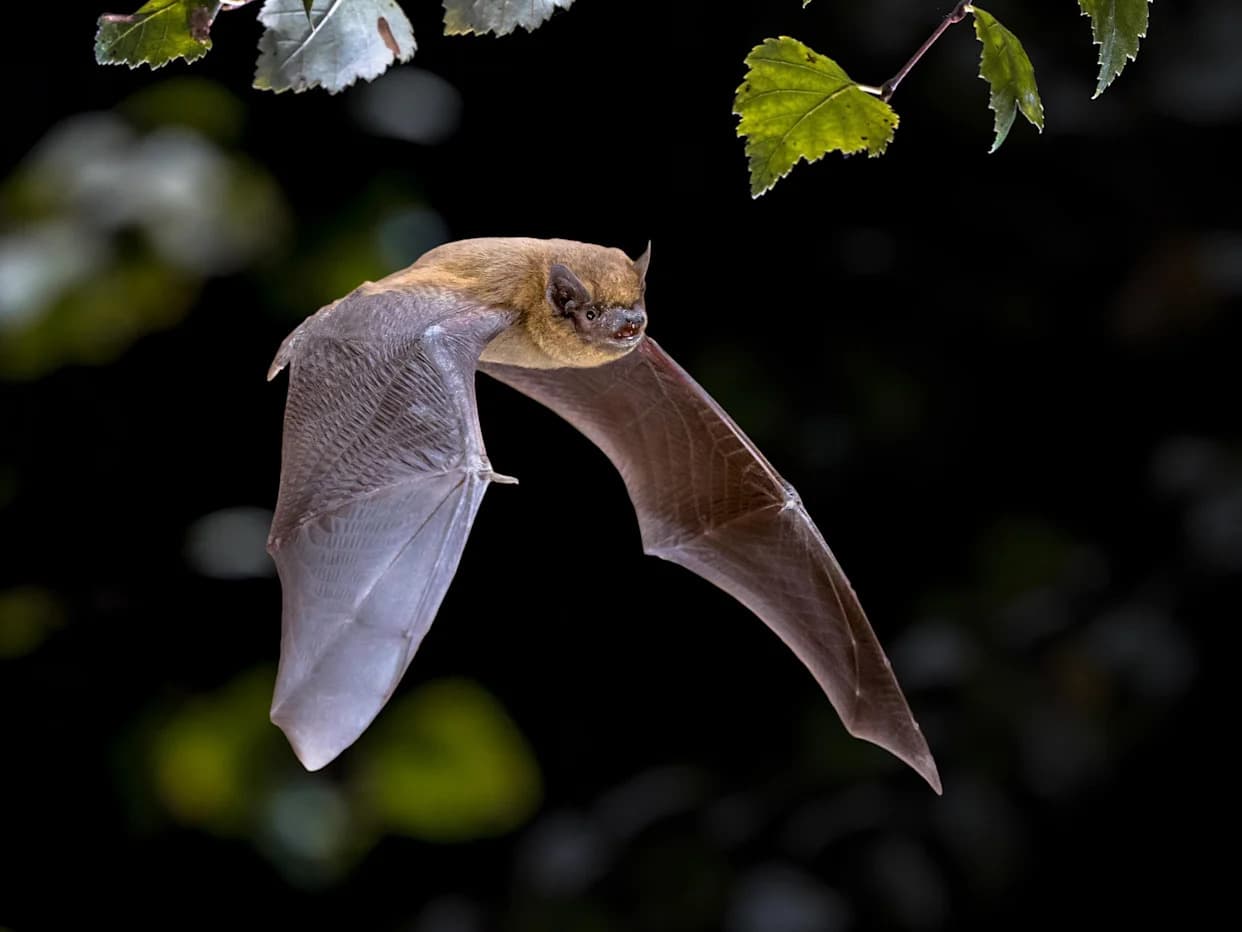
Researchers at Tel Aviv University have produced the first direct evidence that plants and animals can interact acoustically: female moths detect ultrasonic emissions from stressed plants and actively avoid laying eggs on them.
How the Study Worked
The team recorded ultrasonic emissions from plants subjected to heat stress and drought, then played back those recordings to female moths. The moths avoided plants producing the same ultrasonic signatures. When the researchers temporarily deafened the moths, the avoidance behavior disappeared, and control sounds that were not plant emissions did not produce the same response — supporting the conclusion that the plant-produced ultrasound was the key cue.
What the Sounds Are
Stressed plants emitted pulses in the ultrasonic range, roughly 20–100 kHz, well above human hearing. The researchers documented consistent acoustic patterns across several plant species, suggesting that these ultrasonic signatures may be widespread and could influence other animals beyond moths.
"We revealed the first evidence for acoustic interaction between a plant and an insect," the research team said, adding that this discovery likely represents just the beginning of uncovering plant-animal acoustic exchanges.
Why It Matters
The finding opens new directions for ecological research and practical applications. Sound-based approaches could potentially be developed to deter pests, attract pollinators, or monitor plant stress across landscapes—offering nonchemical tools for agriculture and biodiversity conservation.
As global temperatures rise and droughts become more common, plant stress — and the ultrasonic emissions that accompany it — may increase, with cascading effects on insect behavior and ecosystem dynamics. The study highlights a previously hidden channel of interspecies communication and underscores the value of studying multiple sensory modes in nature.
What You Can Do
Individuals can support ecosystem resilience by reducing carbon footprints, planting native species to support local wildlife, cutting single-use plastics, and choosing secondhand goods to promote a circular economy.
The authors call for further experiments to map which species produce and respond to these signals, how emissions change with different stressors, and whether sound-based management tools can be scaled responsibly.
Help us improve.