CSIS estimates about 1.2 million Russian casualties (killed, wounded or missing) since the 2022 invasion of Ukraine — losses not seen for a major power since World War II. Despite that toll, Russia’s territorial gains have been limited: roughly 12% since 2022, but under 1.5% in the past two years, with some advances measured in yards per day. Battlefield deaths are estimated at 275,000–325,000 for Russia versus 100,000–140,000 for Ukraine, and the conflict is straining Russia’s economy and technological standing. CSIS warns stronger Western pressure will be needed to push Moscow toward a negotiated end to the war.
CSIS Report: Russia Suffers an Estimated 1.2 Million Casualties in Ukraine, Gains Minimal Territory
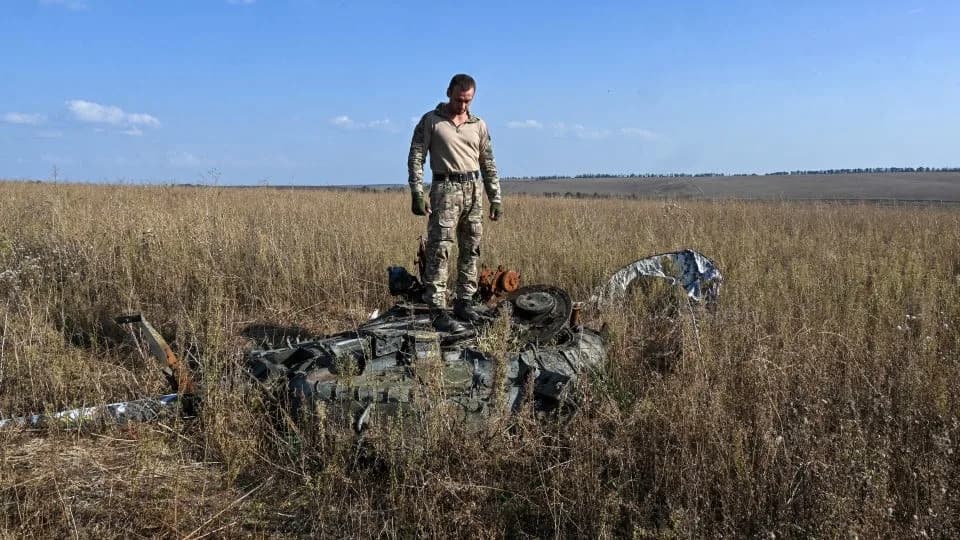
Volunteer Jan Artyukhov inspects a destroyed Russian tank in the field near the town of Derhachi, Kharkiv region, on October 1, 2023. - Sergey Bobok/AFP/Getty Images
A major new report from the Center for Strategic and International Studies (CSIS) estimates that roughly 1.2 million Russian service members have been killed, wounded or declared missing since Moscow launched its invasion of Ukraine nearly four years ago — a level of losses for a major military power not seen since World War II.
Key Findings
The study emphasizes that these enormous human costs have produced only modest territorial returns. CSIS finds Russia has increased the area of Ukrainian land under its control by roughly 12% since 2022; however, over the past two years advances have been extremely limited, totaling less than 1.5% of Ukrainian territory and in many sectors amounting to only yards per day.
Casualties and Battlefield Dynamics
Because neither side publishes comprehensive, verifiable casualty data, CSIS provides estimated ranges. The report estimates total Russian casualties (killed, wounded, missing) at about 1.2 million, while Ukrainian total casualties are estimated at roughly 500,000–600,000.
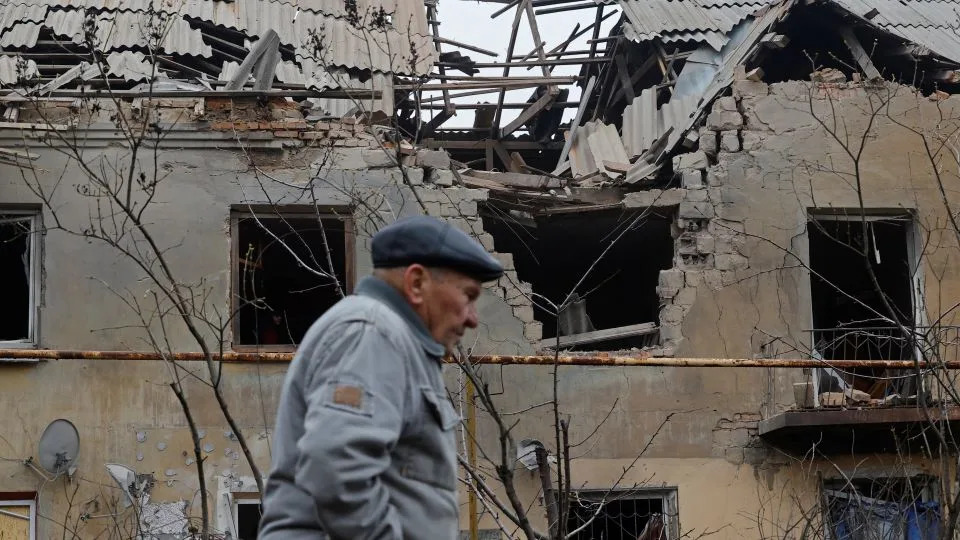
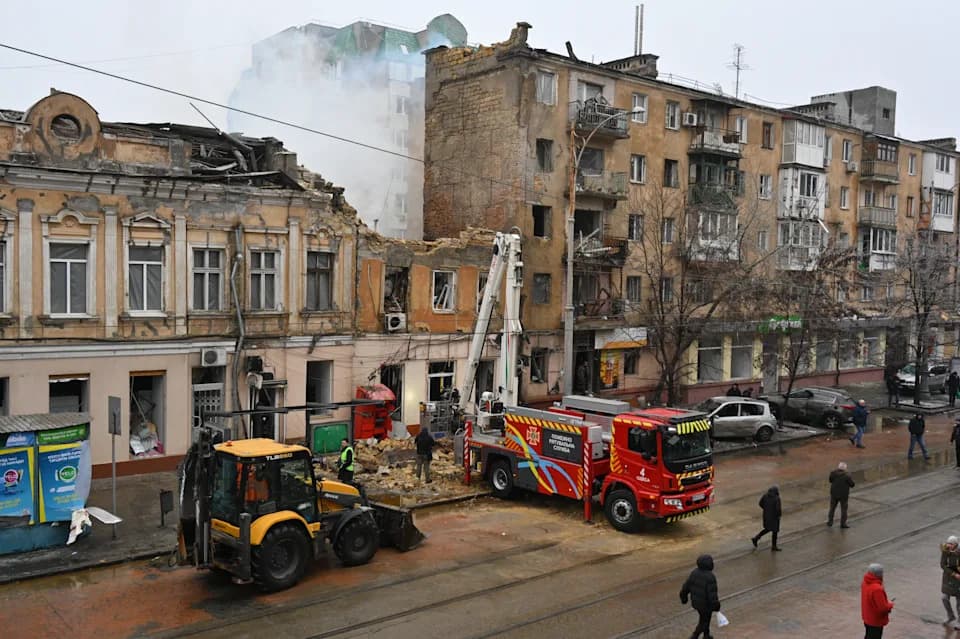
A man walks past a damaged apartment building in Donetsk, a Russian-controlled city of Ukraine, on November 30, 2025. - Alexander Ermochenko/Reuters
When focusing on battlefield deaths, CSIS estimates Russia has suffered between 275,000 and 325,000 fatalities versus an estimated 100,000 to 140,000 Ukrainian battlefield deaths. Overall casualty ratios on the front lines favor Ukraine by roughly 2-to-1 to 2.5-to-1.
“The data suggests that Russia is hardly winning,” the CSIS authors write.
Slow Territorial Gains
CSIS documents how Russian advances in many sectors have been measured in yards per day: for example, 16 yards/day in Chasiv Yar, 25 yards/day in Kupiansk and 76 yards/day in Pokrovsk. Those paces are, the report notes, lower than some daily advances observed in parts of World War I. Overall, Russian forces have captured under 1.5% of Ukrainian territory during the last two years despite heavy personnel losses.
Strategic and Economic Consequences
CSIS credits Kyiv’s defensive measures — a layered “defense-in-depth” system of trenches, anti-tank obstacles, minefields, drones and concentrated artillery — with blunting many Russian offensives and forcing high casualty rates for attacking formations.
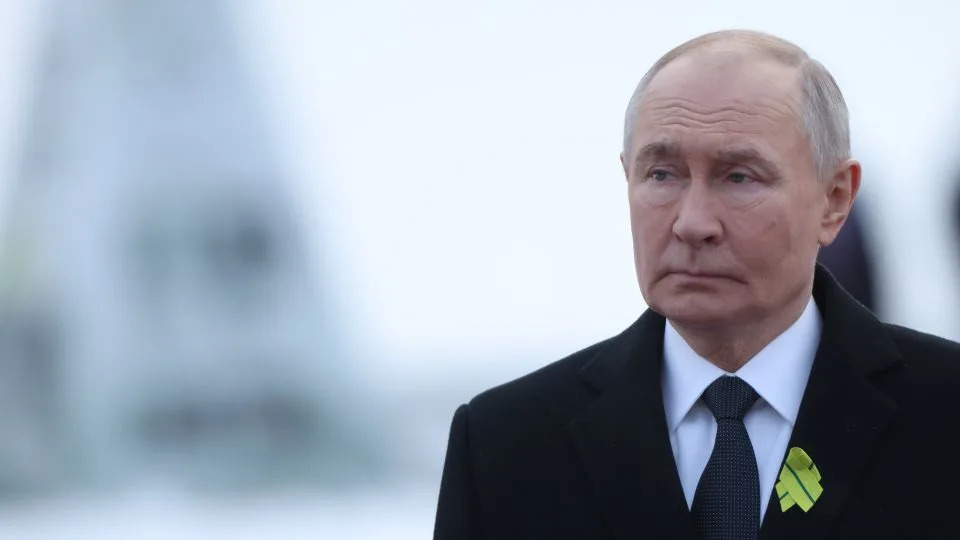
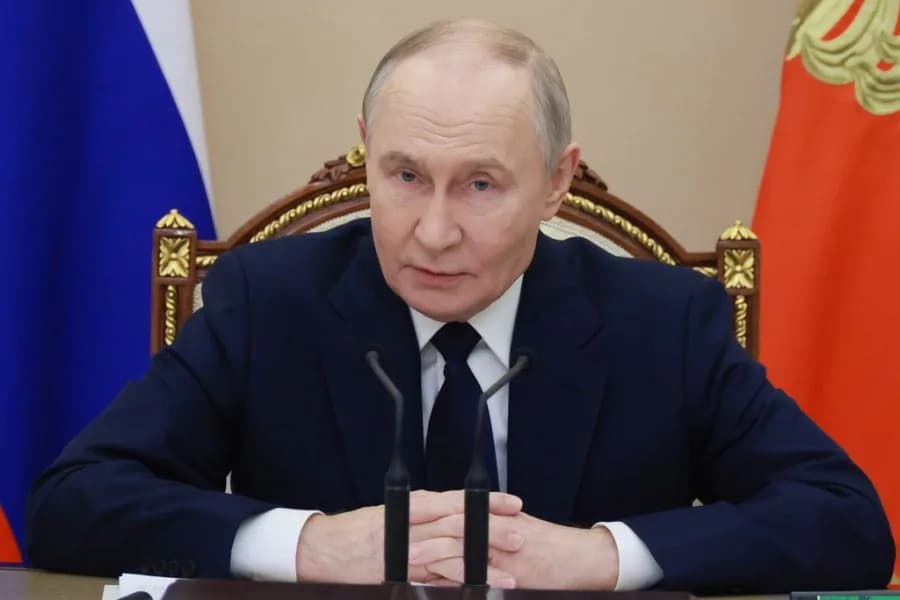
Russian President Vladimir Putin follows honour guards carrying a wreath at Piskaryovskoye Memorial Cemetery, dedicated to the victims of the siege of Leningrad, in Saint Petersburg, on January 27, 2026 - Contributor/Getty Images Europe/Getty Images
The report also links the human toll of the war to economic decline in Russia. It says Russia is effectively becoming a second- or third-rate economic power, pointing to falling manufacturing, weak consumer demand, high inflation, labor shortages and a reported GDP growth rate of only 0.6% in 2025. Wartime spending may boost short-term GDP but does not improve long-term welfare or capital formation.
On technology, CSIS notes that no Russian firm appears in the world’s top 100 technology companies and that a recent Stanford ranking places Russia 28th of 36 countries on AI capability.
Political Implications
Public statements cited in the report include U.S. political figures asserting Russian advantages; CSIS counters that Ukraine still holds defensive advantages and that Russia’s manpower losses exceed sustainable replacement rates. The report quotes foreign officials, including Dutch Prime Minister Mark Rutte at the World Economic Forum, who said Russian losses in some months reached roughly 1,000 troops per day in December (referring to killed).
CSIS concludes that without stronger Western economic and military pressure, President Vladimir Putin may continue fighting rather than accept a negotiated settlement: “Without greater pain, Putin will drag the talks out and keep fighting — even if it means millions of Russian and Ukrainian casualties.”
Sources: Center for Strategic and International Studies report; statements by international officials and analysts cited within the CSIS study.
Help us improve.