Republicans, led by President Donald Trump, have launched an unprecedented mid‑decade effort to redraw congressional maps to protect a narrow House majority, prompting Democrats to respond with their own mapmaking and spawning legal battles nationwide. A Virginia judge recently blocked a Democratic redistricting plan that might have allowed voters to enable a legislative redraw capable of flipping up to four seats. Because Republicans control more state governments, they currently have more opportunities to gain seats; advocates warn that many challenged maps disproportionately target Black and Latino representatives. Ongoing court cases and potential Supreme Court decisions weakening the Voting Rights Act could accelerate aggressive redistricting and reshape the 2026 House landscape.
How Republicans' Unprecedented Mid‑Decade Redistricting Push Could Reshape the 2026 House
President Donald Trump and Republican lawmakers have launched an unprecedented mid‑decade campaign to redraw congressional maps in an effort to protect the party’s narrow House majority ahead of the midterm elections. Democrats have mounted their own redistricting responses, setting off a wave of legal and political battles nationwide that could determine control of Congress.
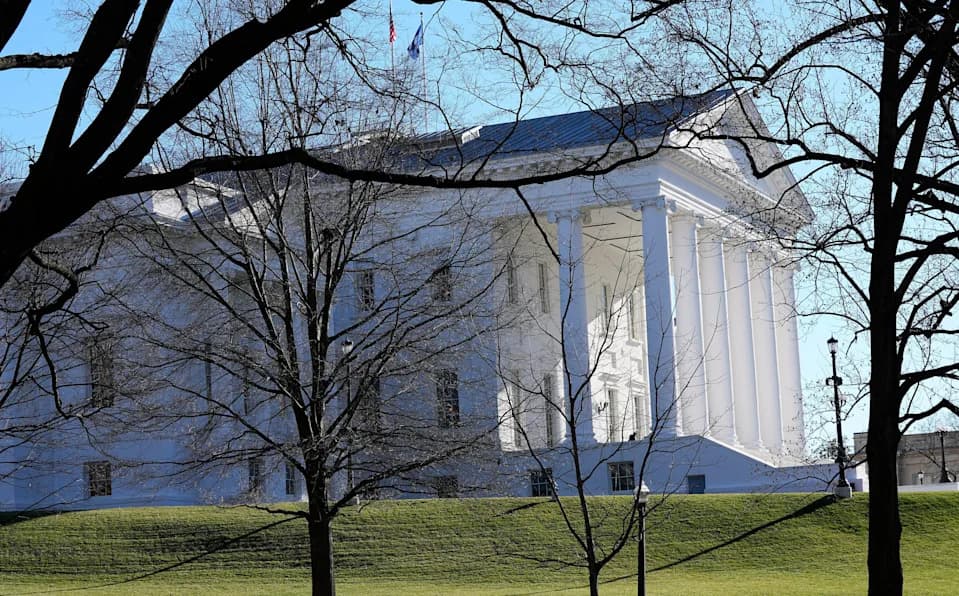
Recent Developments: A Virginia state judge recently blocked a Democratic redistricting initiative, finding legislators did not follow required procedures. Voters had been expected to vote in April on whether to allow the legislature to adopt a new map — a change that could have helped Democrats flip as many as four Republican-held seats. Legislative leaders have said they will appeal the decision.
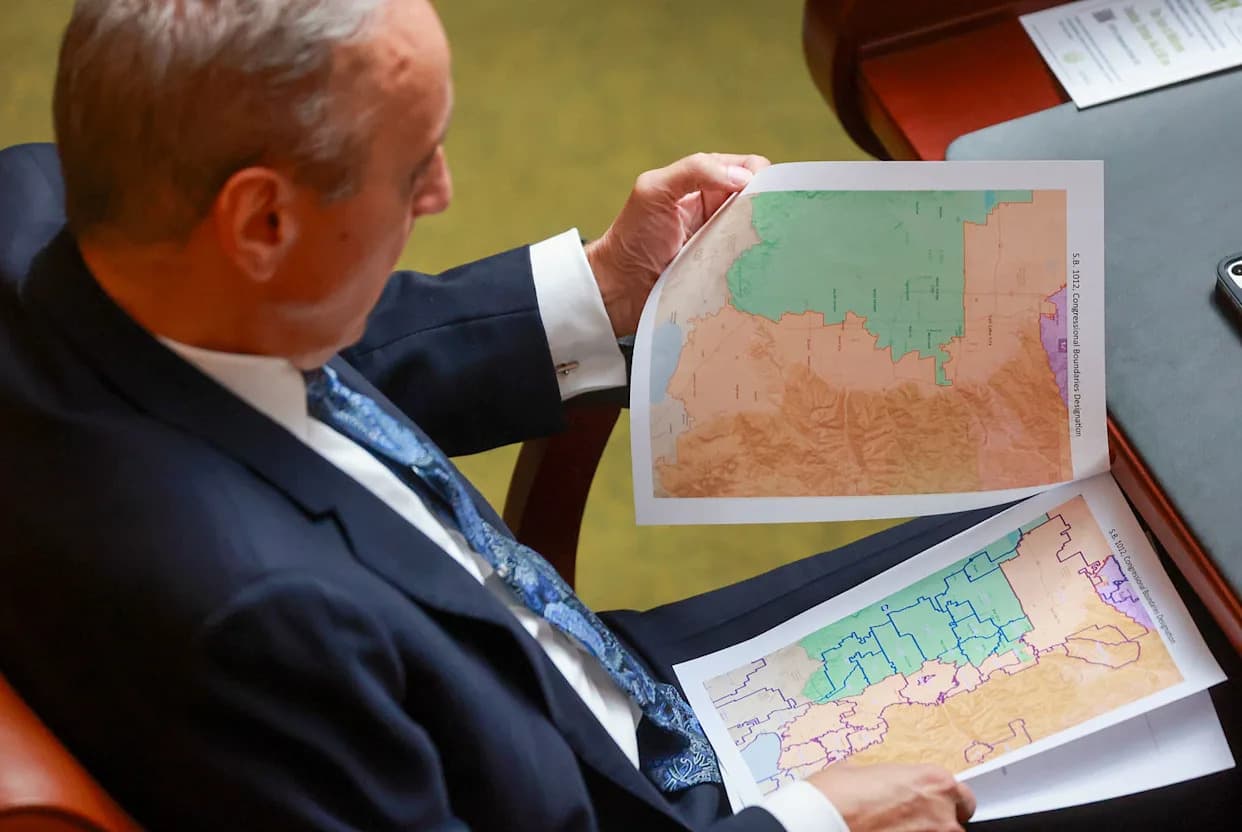
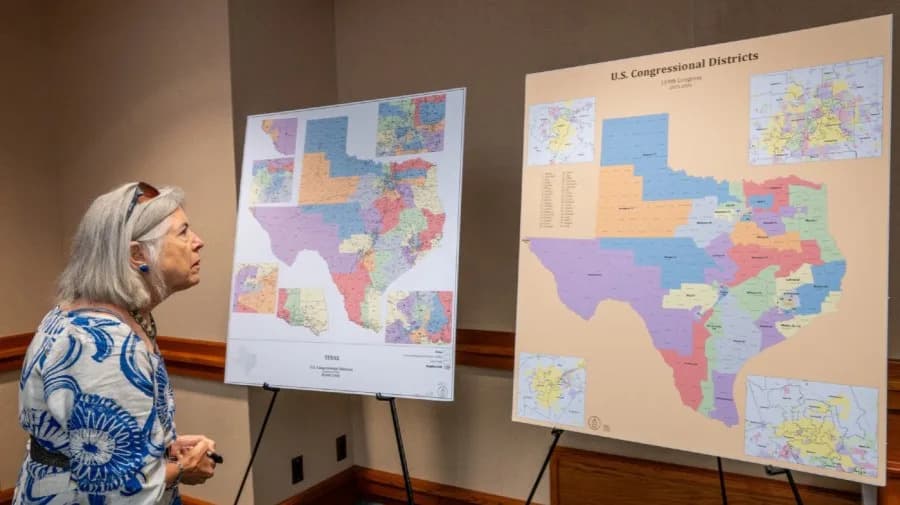
What Redistricting Means Now: Redistricting—typically done once a decade after the decennial census—has become a high-stakes tool in a narrowly divided House. With control hinging on just a handful of seats, both parties are using mapmaking to try to shape competitive districts before the next nationwide contest.
State-by-State Variation: The authority to redraw districts differs by state. In some states, legislators can redraw maps if they hold partisan majorities. In others, changes require constitutional amendments, voter referendums, or independent commissions — procedures that are lengthier and more transparent. Several Democratic‑led states previously transferred mapmaking to independent commissions; some jurisdictions are now seeking to reverse those reforms.
Political and Racial Implications: Overall, Republicans currently appear to have more opportunities to gain seats through mid‑decade maps because they control more state governments. Advocates warn that many of the new Republican‑enacted maps target members of Congress of color: six of nine House members targeted nationwide under recent Republican maps are Black or Latino.
Legal Stakes and the Supreme Court: Dozens of legal challenges across multiple states aim to block or overturn aggressive new maps. At the same time, the Supreme Court may soon consider cases that could weaken key protections of the Voting Rights Act — a move that experts say would open the door to even more partisan mapmaking and put additional seats held by people of color at risk.
CNN is tracking new maps and will continue to update coverage as states propose changes and courts issue rulings.
EDITOR’S NOTE: This story has been updated with additional information.
—CNN’s Molly English, Arit John and Dianne Gallagher contributed to this report.
Help us improve.