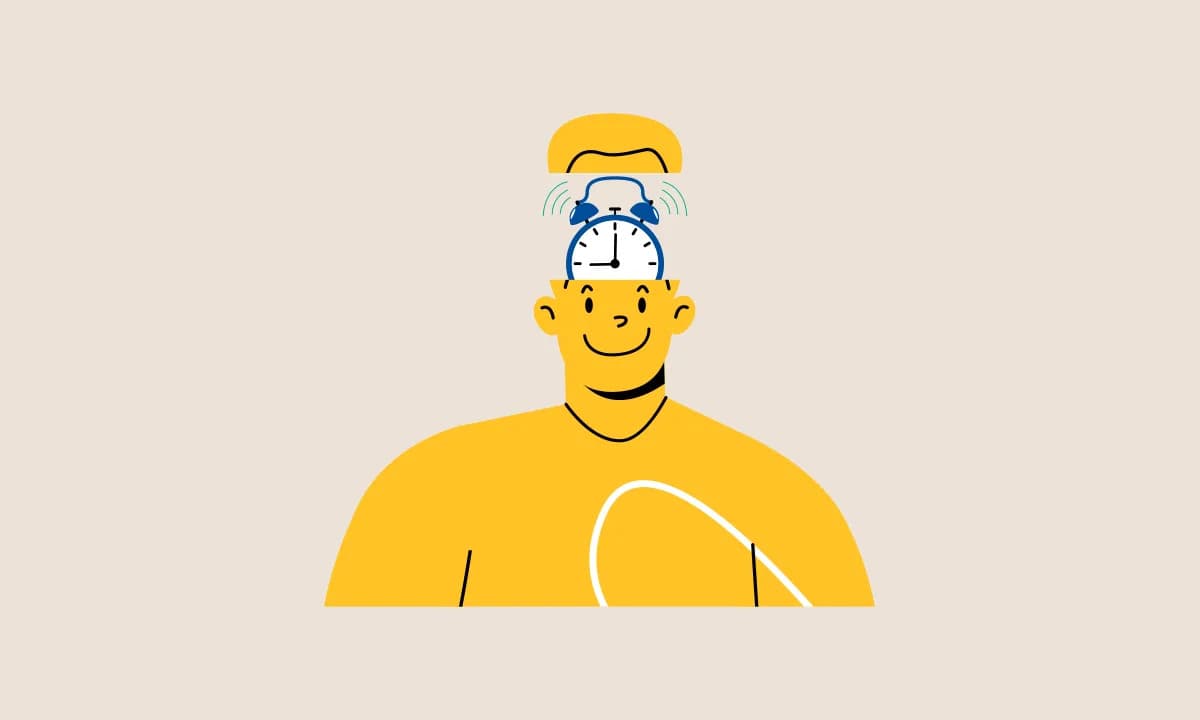
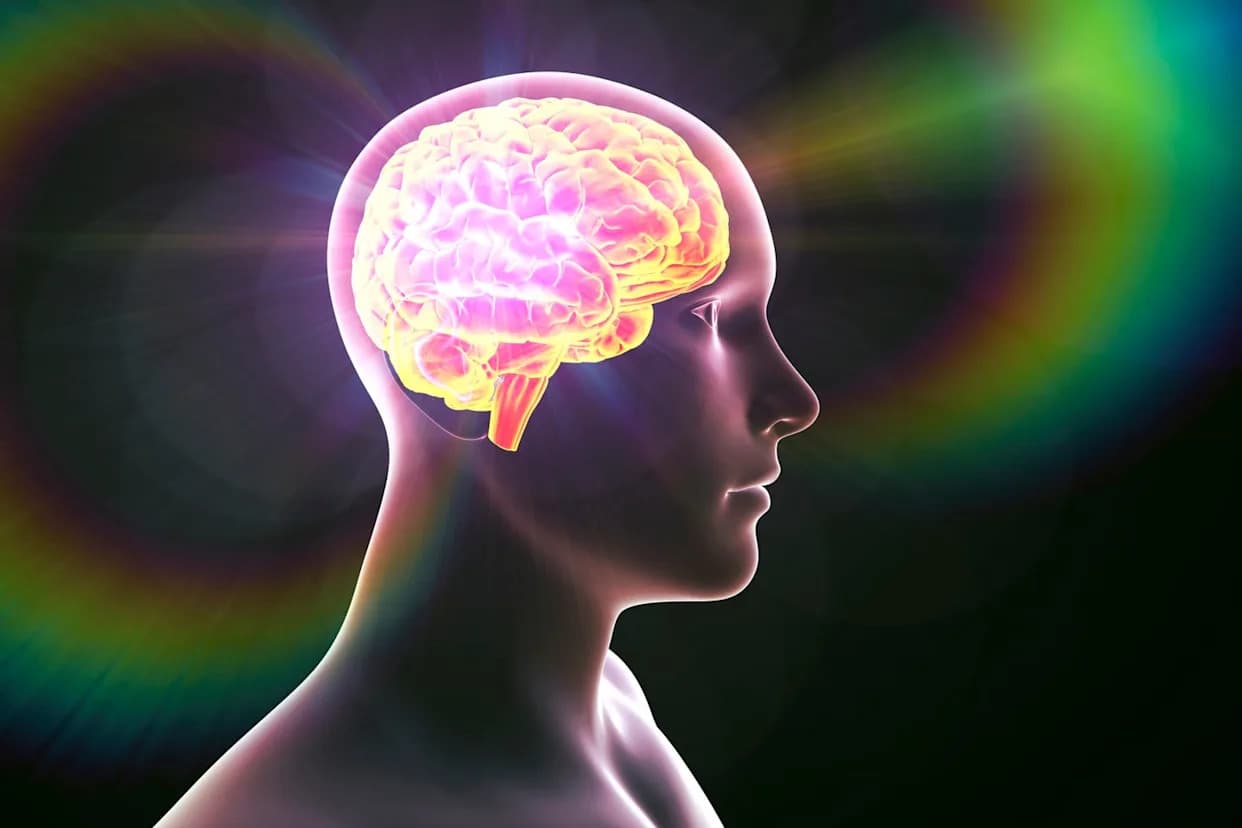
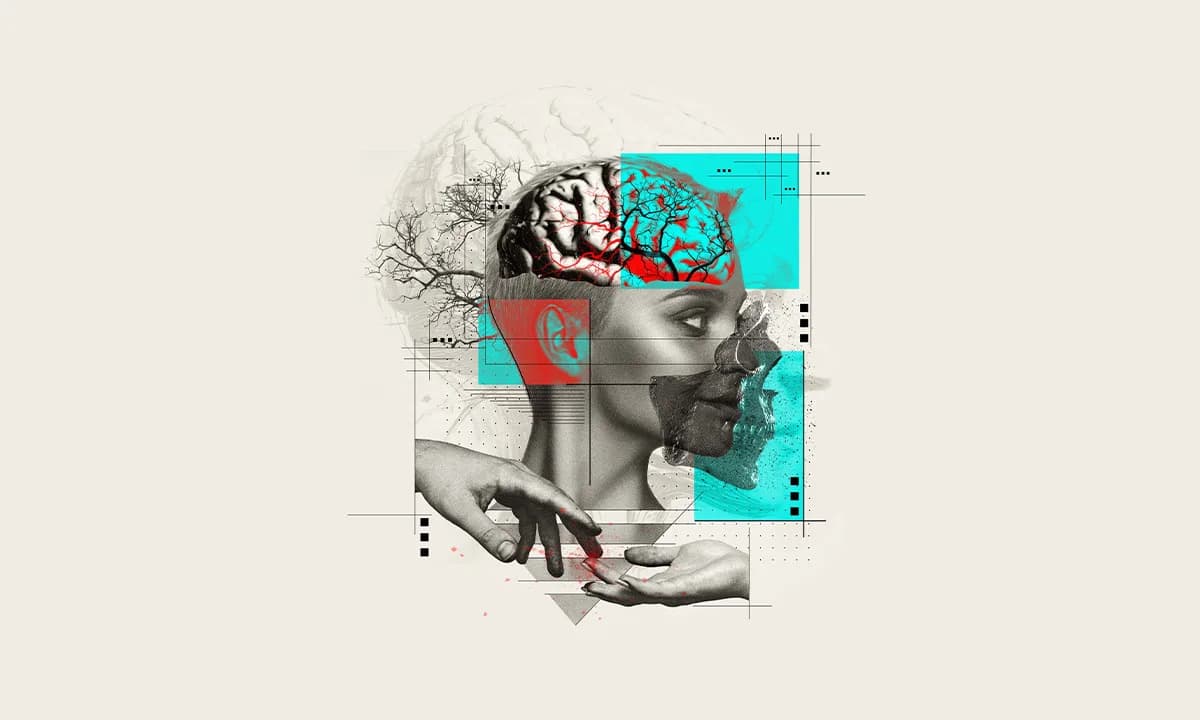
Nikolas Alejandro Francis, a University of Maryland assistant professor and practicing jazz drummer, studies how brains detect and interpret sound. His lab records single neurons in the auditory cortex of mice, including under psychedelic compounds, and last year he co-authored the first single-neuron psilocybin study targeting auditory processing. Francis explains how neural networks amplify attended sounds and suppress irrelevant ones, how music interacts with psychedelic therapy, and how auditory experiences can leave long-lasting memory traces.
Your Brain on Jazz: How Psychedelics Reshape Sound Perception and Memory

Nikolas Alejandro Francis, 44, is an assistant professor in the University of Maryland’s Biology Department and a member of the Brain and Behavior Institute. A working jazz drummer as well as a neuroscientist, Francis combines animal behavior, neurophysiology and data analysis to probe how brains detect, interpret and respond to sound.
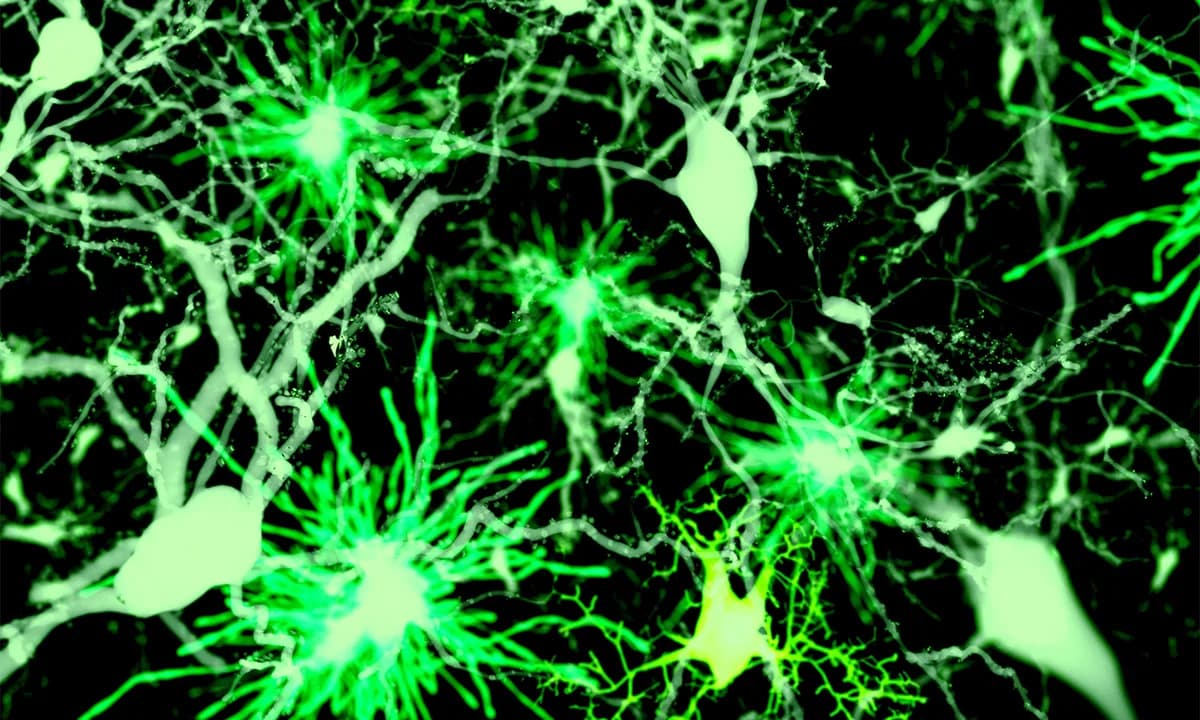
Francis earned his Ph.D. from the Massachusetts Institute of Technology and joined the University of Maryland as a researcher in 2011. He studied neural mechanisms that allow brains to focus on relevant sounds and suppress background noise. After his appointment as an assistant professor in 2021, his lab began recording the activity of individual neurons in the auditory cortex of mice, including experiments in which those animals were exposed to psychedelic compounds.
Note: This conversation has been edited for clarity and length.
Q&A
What first drew you to study neurology?
It started with an undergraduate course at the University of Iowa about how the brain processes sound. The class encouraged students to join a research lab, so I reached out to faculty doing hearing research. I eventually joined a new professor’s lab where I was given freedom to learn techniques and run experiments — that hands-on exposure hooked me.
How did you get into jazz?
I had piano lessons as a child, mostly classical, but I also taught myself to make computer-generated music. At Iowa I was often sitting in with bands, manipulating sound in real time—adding effects and moving audio across speakers—learning how to be an interactive member of an ensemble. Frustrated by the distance that electronic manipulation sometimes introduced, I returned to acoustic instruments and settled on the drum kit.
How do you connect jazz playing with your neuroscience work?
On stage you must constantly listen to other musicians and decide, in real time, how to respond. That interplay—detecting a sound, evaluating it, and acting—is the same basic problem I study in the lab: how an organism perceives auditory information and turns it into meaningful behavior. My musical experiences often inspire hypotheses that we then test experimentally.
What is your most important contribution to understanding listening, cognition and music?
One key insight from our work is how neurons coordinate to represent multiple possible targets of attention. Different neurons can encode different sound types simultaneously; networks of neurons then amplify signals we attend to and suppress irrelevant inputs. Metaphorically, there’s a dial that turns down responses to unimportant sounds and turns up responses to important ones—this helps explain the neurophysiology of selective listening.
I’ve also investigated how psychedelics change auditory perception and neural encoding. Psychedelic compounds are associated with altered perception—people may experience novel meanings for familiar objects or sense sounds differently—and these changes can link to therapeutic effects. Historically, music has accompanied psychedelic experiences across cultures, and contemporary clinical studies suggest that pairing music with psychedelic-assisted therapy can improve outcomes. Yet we still lack detailed knowledge about exactly how music interacts with brain activity during a psychedelic state.
Last year, a colleague and I published the first study tracking how a single neuron in auditory brain regions responds during a psilocybin or similar psychedelic experience. That study is an early step toward mapping why and how sound perception changes under these compounds.
People say music can 'bypass' the thinking brain. Is that true?
There are pathways from the brainstem to the amygdala that bypass much of the frontal cortex, so music can evoke emotional responses without full cognitive analysis. That helps explain why music can produce powerful feelings that are hard to put into words.
Does that relate to how a song can bring back a memory from decades ago?
Yes. A major theme in our work is long-term sensory memory: how the brain stores and later retrieves sensory experiences. In mice we can train an animal to hear a sound and perform a behavior in response; months later—an extended interval for a mouse—we still see behavioral evidence of memory and neural signatures consistent with a memory trace. Similar persistent markers occur in humans. Combining a highly emotional musical experience with a psychedelic session could, in theory, strengthen memory traces, but that remains speculative and an area for further research.
If you have a news tip, contact Karl Hille at 443-900-7891 or khille@baltsun.com.
Help us improve.