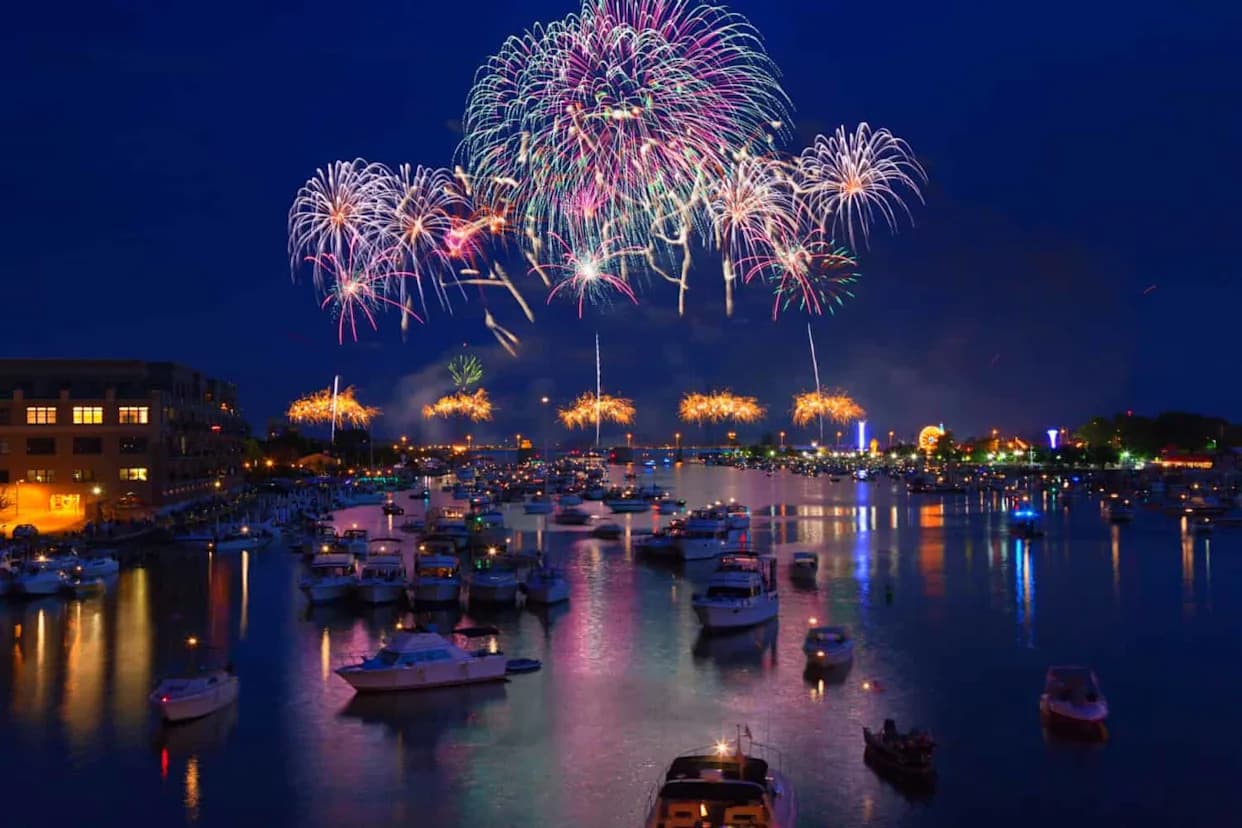
Researchers monitored how a New Year fireworks display affected coastal wildlife at the Victoria and Alfred Waterfront in Cape Town, South Africa, using synchronized audio and video recordings to capture both air- and underwater sound as well as animal behaviour.
Animals get used to the continuous sound of traffic.©ssguy/Shutterstock.com(ssguy/Shutterstock.com)
Background
Fireworks are high-intensity, impulsive sounds that differ from continuous urban noise such as traffic or vessel engines. While many animals habituate to steady background sounds, sudden, loud, and unpredictable noises can trigger an acoustic startle reflex and other stress responses. Repeated exposure may also produce sensitization, hearing-threshold shifts, or behavioural disruption.
Dogs and horses can become stressed by fireworks.©Billion Photos/Shutterstock.com(Billion Photos/Shutterstock.com)
Study Methods
Scientists from Stellenbosch University and the University of Cape Town collected data during the New Year fireworks on 31 December 2023 and into 1 January 2024 at the busy Victoria and Alfred Waterfront. The team used:
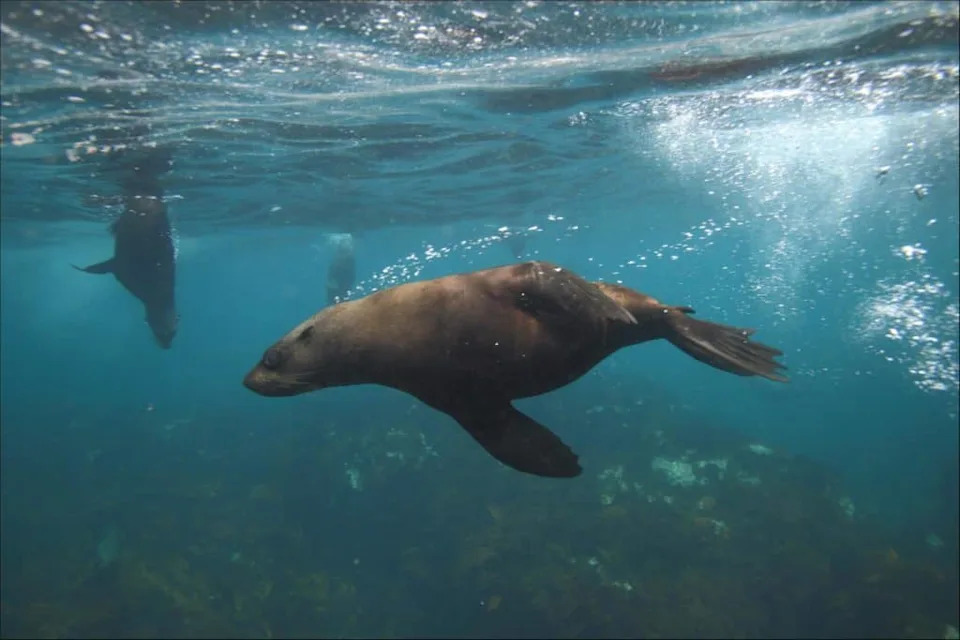
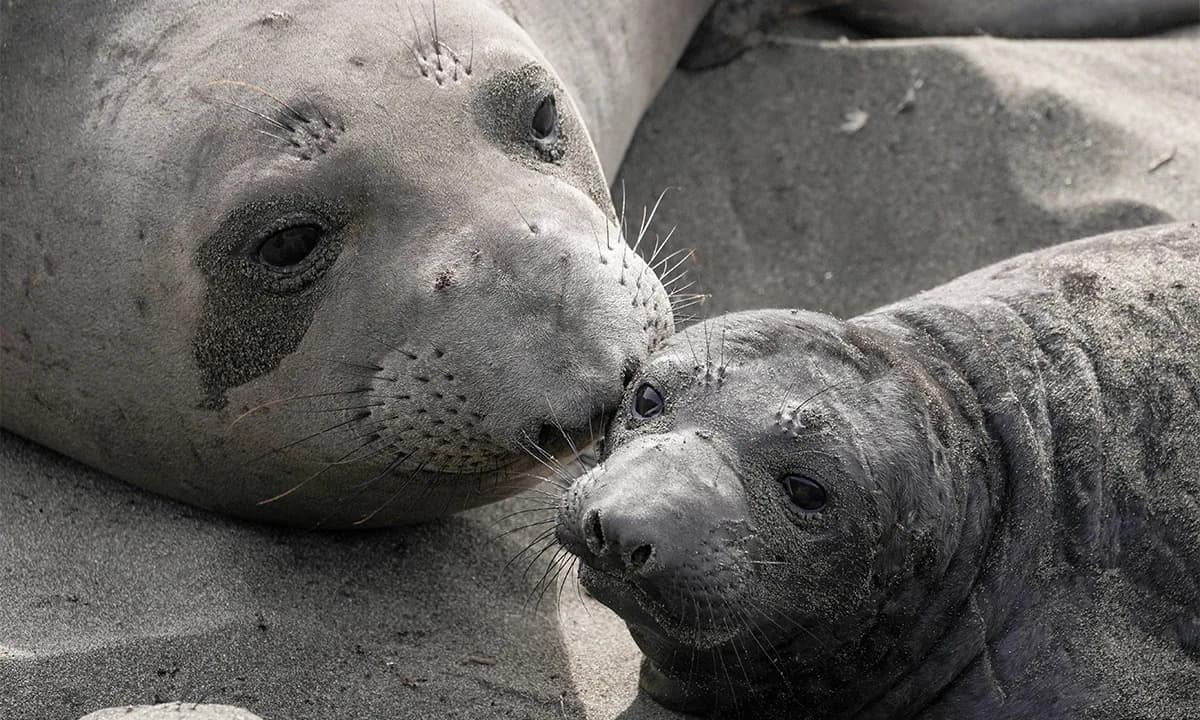
Seals can detect firework sounds under the water.©Alessandro De Maddalena/Shutterstock.com(Alessandro De Maddalena/Shutterstock.com)
- In-air microphones to record the fireworks and the vocalizations of Cape fur seals, Cape cormorants, and Hartlaub’s gulls.
- Hydrophones to capture underwater sound and assess how airborne fireworks transmit into the marine environment.
- Cameras to document seal behaviour and activity patterns.
Key Findings
The researchers observed short-term behavioural responses consistent with stress or disturbance:
- Cape fur seals shifted from sleeping to increased vigilance and locomotion during the fireworks and showed elevated vocal activity soon after the display ended.
- Hartlaub’s gulls increased calling after the fireworks stopped, likely to re-establish contact within flocks after the disturbance.
- Acoustic analysis showed fireworks produced energy roughly between 50 Hz and 4 kHz, overlapping with the call frequencies of both seals and gulls—making these sounds perceptible and potentially intense for the animals.
- Hydrophone recordings demonstrated that firework noise can propagate into the ocean; airborne-to-underwater transmission depends on frequency, source level, and incident angle at the water surface.
Context and Consequences
The Waterfront is a year-round, anthropogenically noisy environment (boats, live music, traffic), so local animals are already exposed to human-made sound. Nonetheless, impulsive events like fireworks produced acute behavioural changes. Such disturbances can carry costs: fleeing burns energy, and for nesting birds repeated disturbance can cause egg damage or nest abandonment—serious risks for sensitive and endangered species. Prior studies of domestic animals (dogs and horses) have documented stress responses to fireworks, including trembling, elevated cortisol, gastrointestinal upset, and prolonged fear in some individuals.
Legal and Management Implications
Many species near the Waterfront are legally protected. The short-term behavioural responses observed in this study could meet definitions of harassment under several legal frameworks. The authors recommend further targeted research—especially to quantify longer-term impacts, potential hearing effects, and consequences for reproductive success—to guide decisions about organising fireworks displays near wildlife habitats.
Recommendations
Options to reduce wildlife impacts include restricting fireworks near sensitive habitats, scheduling displays away from breeding seasons, using quieter pyrotechnic alternatives, increasing buffer zones from colony sites, and improving monitoring of animal responses.
Conclusion
This study shows that New Year fireworks at Cape Town’s Victoria and Alfred Waterfront produced measurable behavioural changes in seals and gulls and that firework noise transmits into the marine environment. While urban-dwelling animals may tolerate some continuous background noise, unpredictable impulsive events like fireworks provoke short-term stress responses that can have energetic and ecological consequences. The researchers call for additional studies to better quantify risks and inform policy.