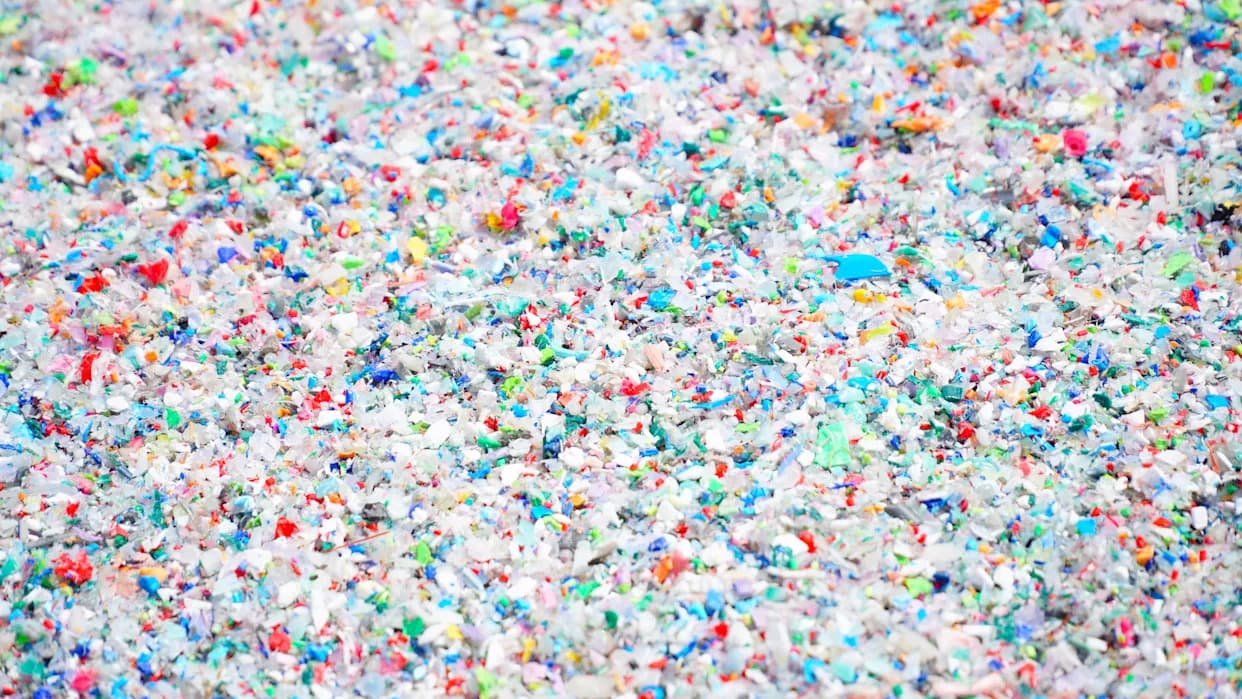
A new Lancet Planetary Health modelling study finds that healthy years of life lost (DALYs) attributable to plastics could more than double — from 2.1 million in 2016 to 4.5 million by 2040 — under a business-as-usual scenario. Greenhouse gas emissions from production are the largest contributor, with air pollution and toxic chemicals also significant. Recycling alone yields limited benefits; the most effective approach is reducing unnecessary plastic production. The authors note the model likely underestimates total harm because it omits many impacts such as microplastics and chemical leaching.
Plastics’ Global Health Toll Could More Than Double by 2040 — Study
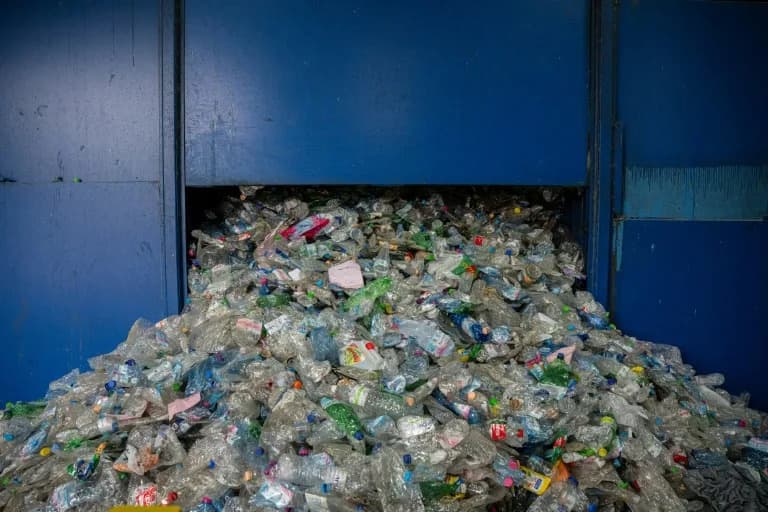
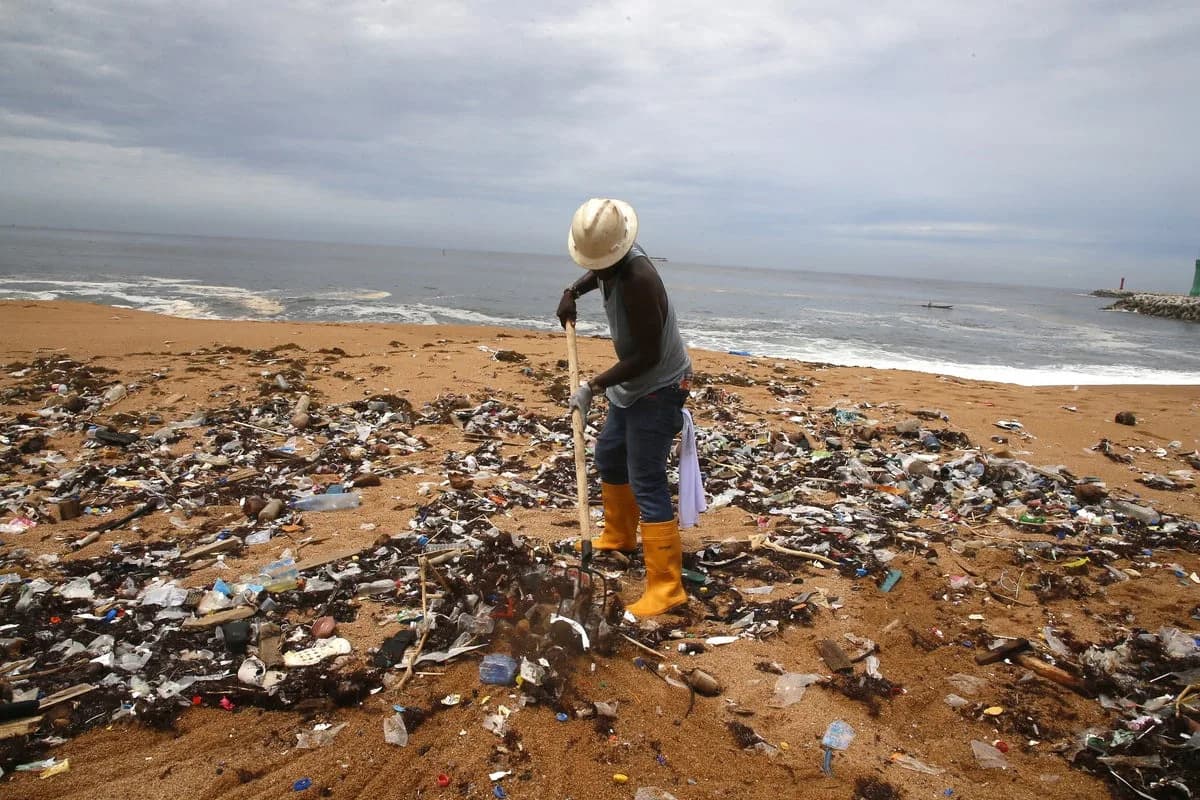
The world's addiction to plastic is a 'global public health crisis', a researcher warned (Angelos TZORTZINIS)(Angelos TZORTZINIS/AFP/AFP)
A major new modelling study warns that the health harms linked to plastics — from oil and gas extraction to disposal — are likely to surge unless governments act to curb production and pollution.
Key Findings
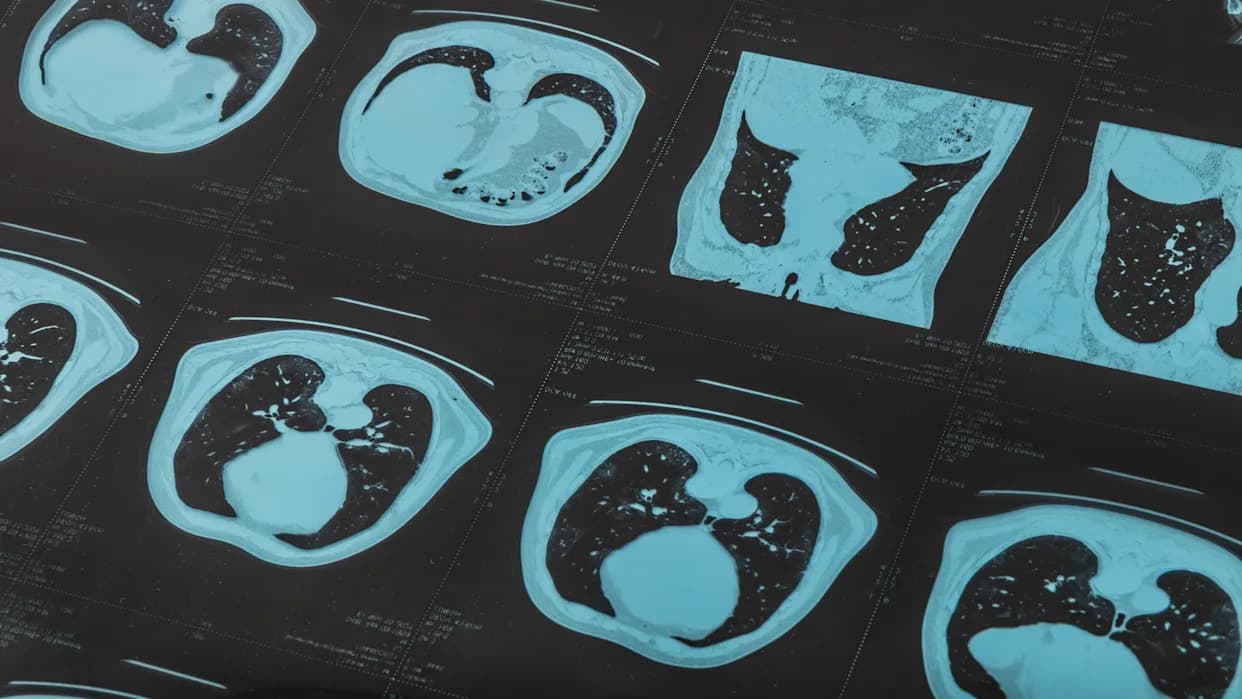
Published in The Lancet Planetary Health, the British–French research team estimated healthy years of life lost across the full lifecycle of plastics using Disability-Adjusted Life Years (DALYs). Under a business-as-usual scenario, DALYs attributable to plastics rise from about 2.1 million in 2016 to 4.5 million by 2040, more than doubling within two decades.
What Drives the Health Burden
The study finds that greenhouse gas emissions associated with plastic production create the largest share of health damage via climate impacts. Air pollution from production and transport, plus direct exposures to toxic chemicals released during manufacture and disposal, are also important contributors.
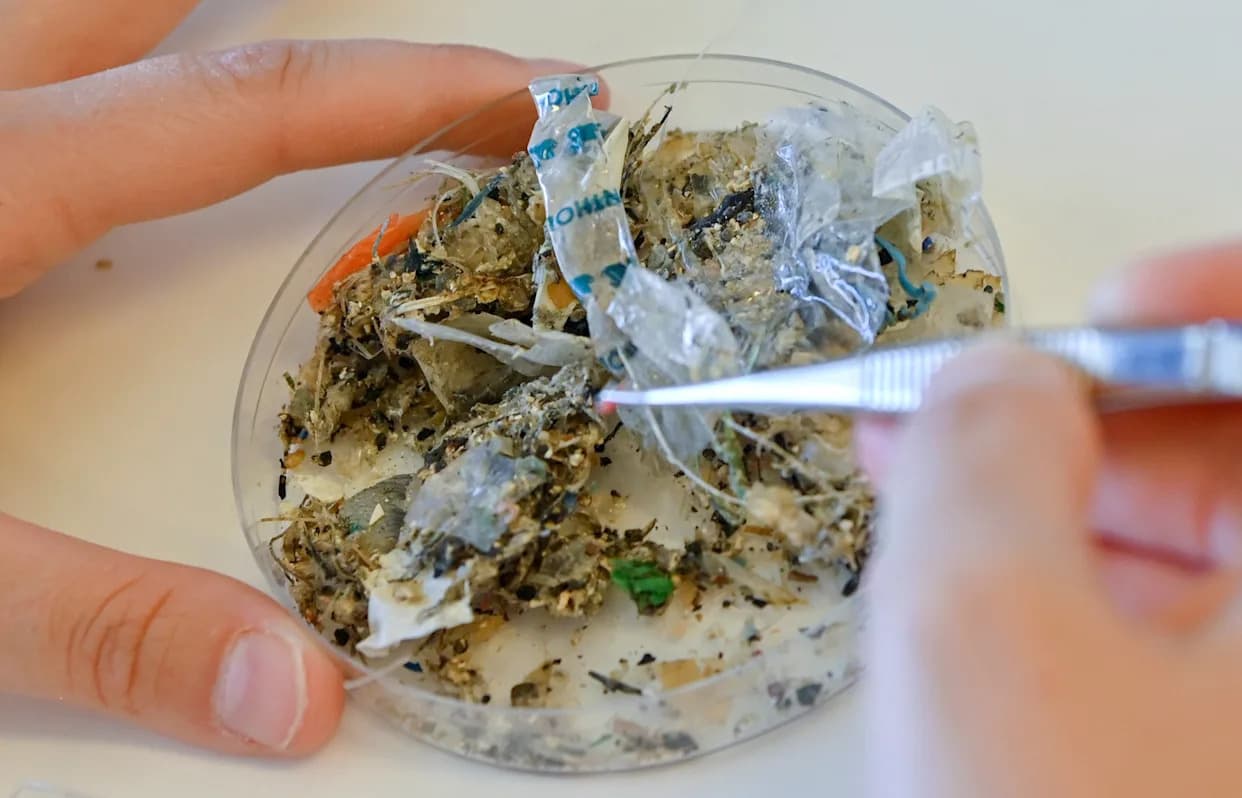
“This is undoubtedly a vast underestimate of the total human health impacts,” said lead author Megan Deeney of the London School of Hygiene & Tropical Medicine, noting the model did not fully capture harms from microplastics or chemical leaching from food packaging.
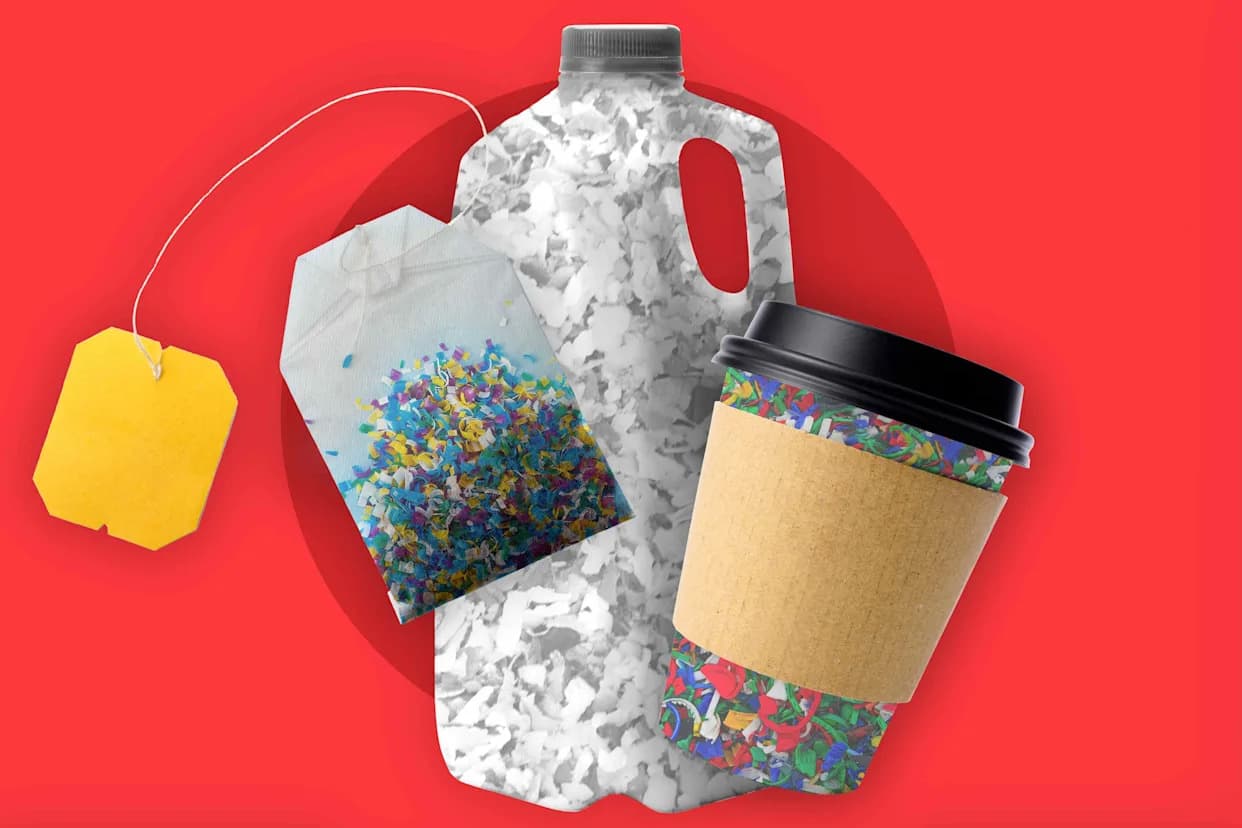
To illustrate, the researchers use the example of a single PET water bottle: its lifecycle begins with oil and gas extraction, moves through petrochemical processing (many plants concentrated in regions such as Louisiana’s so-called “cancer alley”), then global distribution and, ultimately, disposal in landfills where plastics can persist for centuries and leach toxins.
Policy Scenarios and Solutions
The team modelled alternatives to business as usual and found that increasing recycling alone produces only modest reductions in health impacts. The most effective strategy is to reduce production of unnecessary or single-use plastics at source, combined with broader climate and pollution controls.
Negotiations earlier in the year toward a world-first treaty on plastic pollution stalled amid opposition from some oil-producing nations, but the authors stress national and regional policies — from production limits to stronger pollution controls — can still reduce the projected health burden.
Limitations
The study is the first to estimate DALYs across the global plastics lifecycle, but the authors acknowledge important gaps: exposures to microplastics, many chemical leachates, and poorly understood long-term effects were not fully quantified, so the reported figures likely understate the true human health cost.
Implication: Cutting unnecessary plastic production, alongside climate and pollution policies, is the most impactful and urgent public-health strategy to limit future harm.
Help us improve.