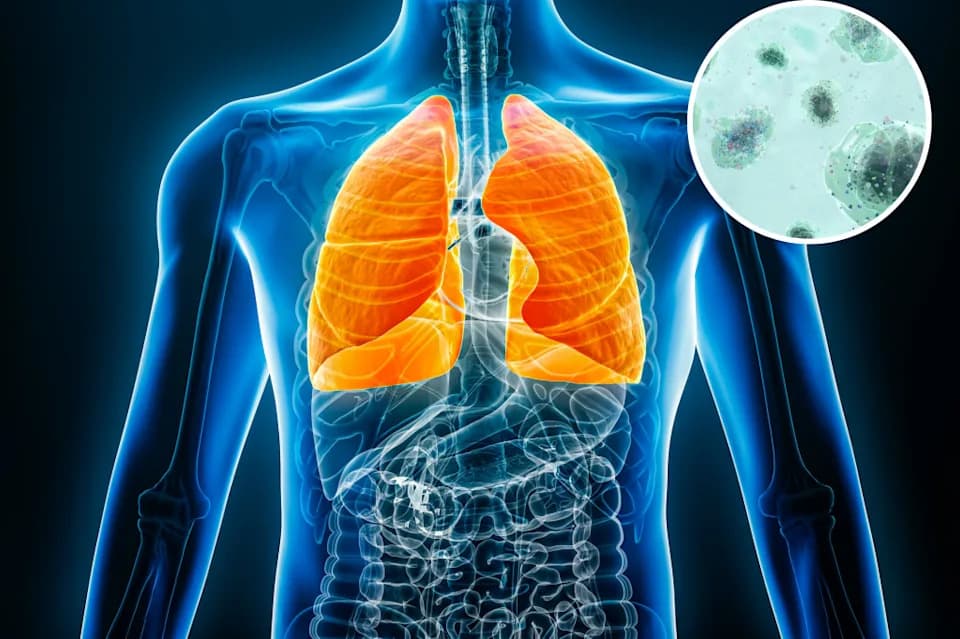
Recent reporting has raised methodological concerns about high-profile studies claiming microplastics are pervasive throughout human tissues, citing potential lab contamination and tissue-related false positives. While prevalence estimates may be uncertain, experimental and population research still links plastic-associated chemicals to adverse health outcomes such as higher mortality and cardiovascular risk. Microplastics science is evolving — expect methods and estimates to improve — and individuals can take low-burden steps to reduce exposure without panicking.
Don't Panic Over Every Microplastics Headline — What the Evidence Actually Shows

Ahhh! An evil black spatula!
You may have seen alarming headlines claiming microplastics are present in our brains, hearts and even the testicles of most men. High-profile studies published in major journals prompted widespread concern, but recent reporting and expert reviews raise important questions about how confidently those prevalence numbers can be interpreted.
What the Guardian Reporting Found
Investigations summarized by the Guardian and debated in the pages of Nature Medicine highlight methodological problems in several widely reported studies. Critics — including independent scientists and systematic reviews — say some results could be inflated by sample contamination from the laboratory environment or by biological tissues that produce misleading signals (for example, fatty brain cells that can mimic polyethylene particles).
Why These Concerns Matter
The papers under scrutiny attempted to quantify how much microplastic is present in human tissues. Measuring microscopic particles at the molecular level is extremely challenging, and tiny errors or sample contamination can substantially change conclusions. That helps explain why dramatic headlines can outpace the underlying certainty of the science.
What We Still Know About Plastics And Health
Prevalence studies are only one part of the research landscape. Experimental toxicology and large population studies show that chemicals associated with plastics — for example, phthalates and some additives — can be harmful. Cohort studies have linked certain plastic-associated chemical exposures with higher overall mortality and increased cardiovascular risk. So: even if particle counts in tissues are uncertain, concerns about plastic-related chemicals remain valid.
How Science Moves Forward
Microplastics research is young and methods are evolving. As Matthew Campen, a co-author of the brain study, told reporters: combining best practices should yield more accurate, consistent data in time. The scientific process — data, critique, replication, refinement — is working as intended, even if early reports generated undue certainty.
Practical Advice: Avoid Panics, Take Low-Cost Steps
You don't need to overreact to every new paper, but you also shouldn't ignore reasonable precautions. Simple, low-burden measures can reduce exposure without upending daily life. The NRDC suggests practical steps such as drinking tap water when it's safe, avoiding microwaving food in plastic, choosing glass or bamboo rather than plastic cookware and checking cosmetics for ingredients like polyethylene or nylon-12.
Bottom line: Methodological critiques suggest some high-profile prevalence studies may overstate how much microplastic is lodged in human tissues. That does not erase established concerns about plastic-related chemicals. Take sensible precautions, watch for stronger methods and replication, and avoid panicking at every headline.
Help us improve.