President Trump said he is raising U.S. tariffs on South Korean imports from 15% to 25%, blaming the South Korean legislature for not enacting a trade agreement. The announcement comes despite a previously finalized deal that included a reported $350 billion South Korean investment pledge and a November fact sheet that capped reciprocal U.S. tariffs at 15%. Economists say tariffs have helped sustain higher inflation and that consumers have borne most of the costs. The Supreme Court is currently reviewing the administration's expansive trade authority.
Trump Announces Tariffs On South Korean Imports Raised To 25%
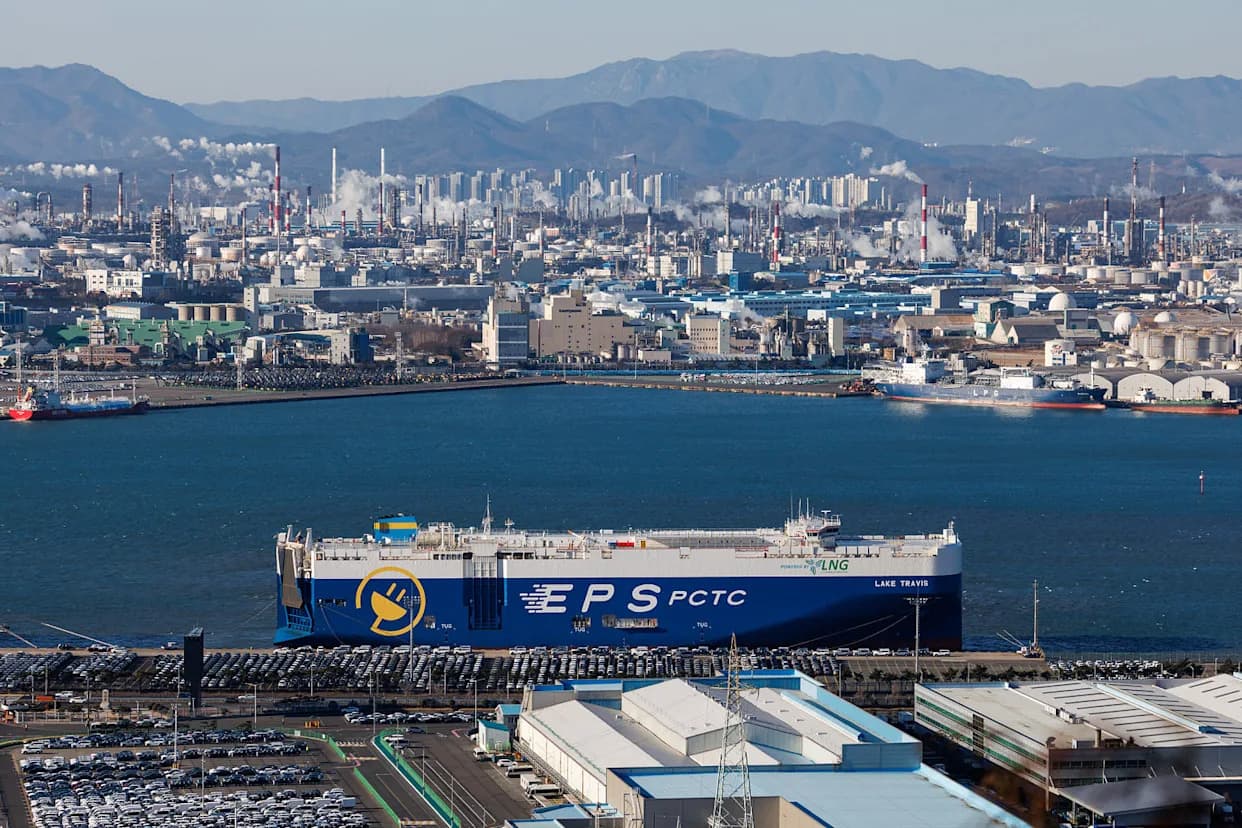
A carrier cargo ship docked in Ulsan, South Korea, last week. (SeongJoon Cho / Bloomberg via Getty Images)(SeongJoon Cho)
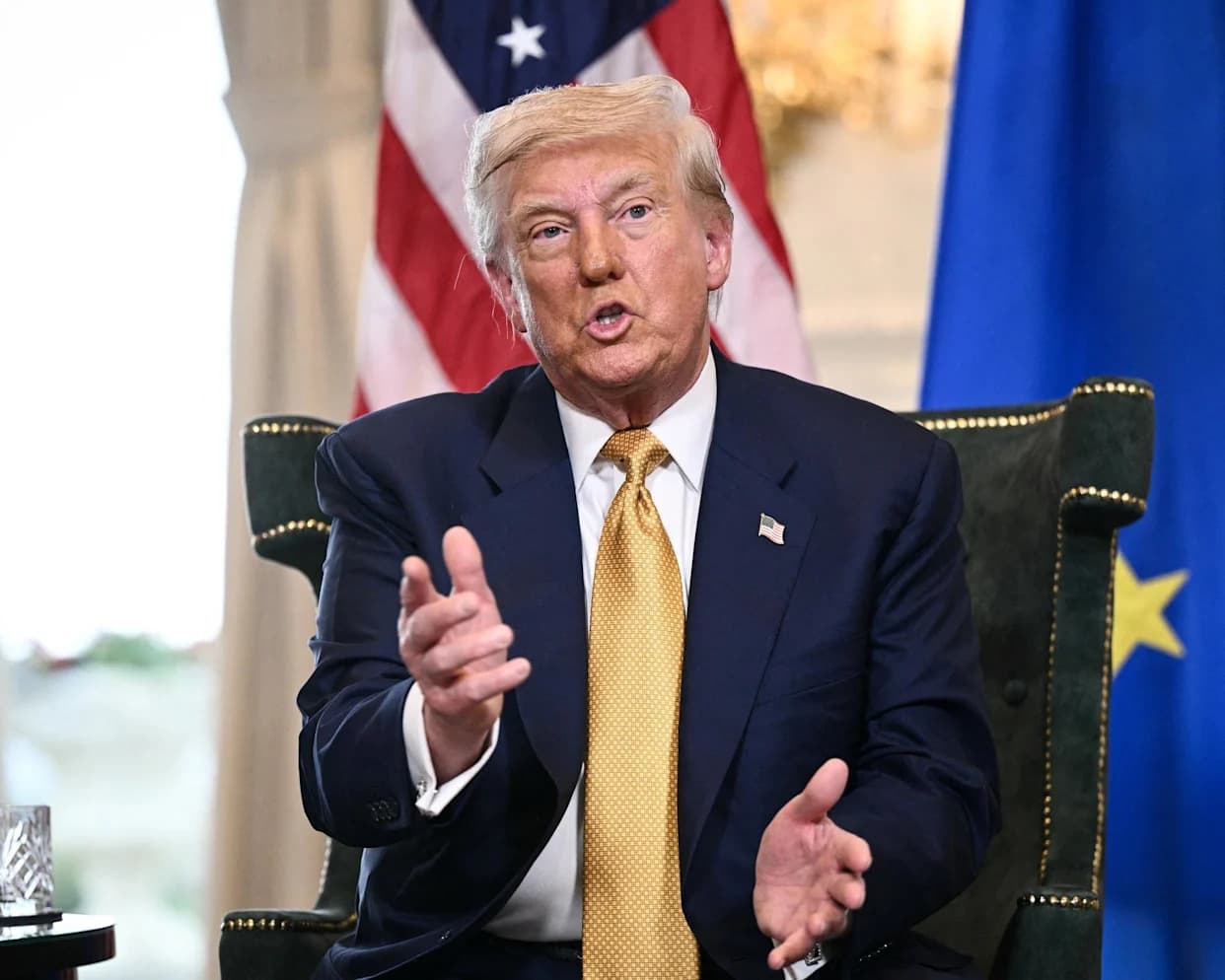
President Donald Trump announced on Monday that he is increasing U.S. tariffs on imports from South Korea from 15% to 25%, blaming the South Korean legislature for failing to enact a trade agreement reached last year.
Posting on social media, Trump wrote:
"Because the Korean Legislature hasn't enacted our Historic Trade Agreement, which is their prerogative, I am hereby increasing South Korean TARIFFS on Autos, Lumber, Pharma, and all other Reciprocal TARIFFS, from 15% to 25%."
The move comes amid growing voter concern over affordability and the rising cost of living. Economists and recent studies say that tariff policy has contributed to persistent price inflation and that U.S. consumers have absorbed most of the additional costs imposed by duties.
Trade Ties and Economic Impact
South Korea is a major trading partner of the United States, consistently ranking among the top 10 sources of U.S. imports. American businesses and consumers import roughly $150 billion worth of South Korean goods each year, including automobiles, electronics and pharmaceuticals—sectors specifically named in the president's announcement.
Background On The Deal
Earlier this year, Trump said he had secured a trade agreement with South Korea. Negotiations stalled for months over an investment pledge the United States sought, but during an October visit the two presidents—Trump and South Korean President Lee Jae Myung—finalized an agreement that reportedly included a commitment for South Korea to invest about $350 billion in the United States.
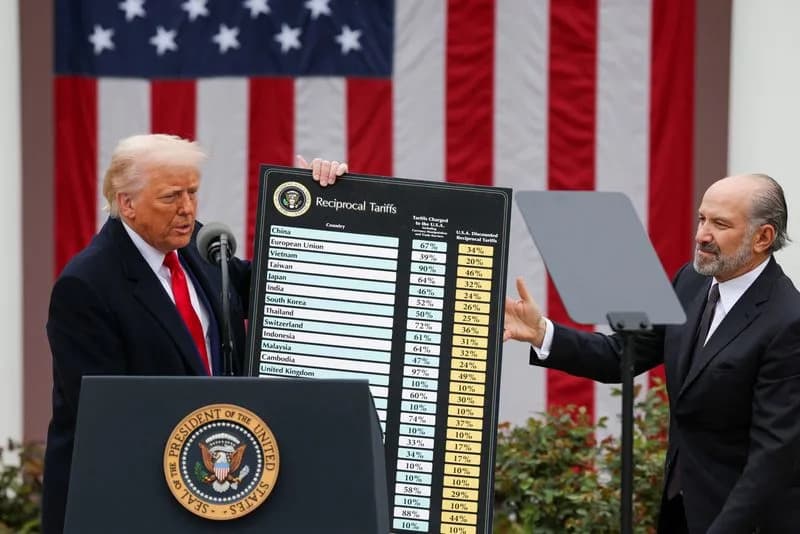
In November, the White House and South Korea published a "fact sheet" intended to move the deal forward. That document featured reciprocal tariff caps for goods entering the U.S. set at 15%—a reduction from a 25% duty the administration announced in April, a move that briefly unsettled markets.
Political Context And Legal Review
Trump's latest tariff declaration follows several earlier threats that the administration did not implement, including proposed duties on Canada and threatened measures affecting European countries. Critics have argued that tariffs are sometimes used as a tool of personal retaliation; last week, Trump said he raised tariffs on Switzerland because its president "rubbed me the wrong way."
The legality of the administration's broad trade authorities is currently before the U.S. Supreme Court, which could issue a ruling in the coming weeks. Administration lawyers have defended their trade powers in court as necessary for protecting U.S. economic interests.
Note: This article was originally published on NBCNews.com.
Help us improve.