The Guardian reported that several scientists have filed post-publication critiques of seven peer-reviewed papers that reported microplastics in human tissues. Critics point to methodological issues—such as fatty tissue producing false positives—that can complicate detection. While isolated study flaws were highlighted, a broad body of research and an International Science Council review of ~7,000 studies conclude that microplastics are a widespread environmental concern that warrants global action.
Researchers Raise Major Questions About Several High-Profile Microplastics Studies — What We Know and What’s Unclear
Photo Credit: iStock
Several scientists have publicly questioned a small number of peer-reviewed studies that reported finding microplastics in human tissues, The Guardian reported on Jan. 13. The coverage highlights a broader scientific debate: isolated methodological concerns have been raised, but a large body of evidence and a major review conclude that microplastics are an environmental and potential human-health concern.
What Was Challenged
The Guardian identified seven studies that drew post-publication critiques (letters and commentary submitted after a paper appears in a journal). Such post-publication objections are a routine part of scientific discourse but are not subject to the same peer-review process as original research. Critics say some methods could generate false positives or otherwise misidentify environmental contamination as human exposure.
Key Examples
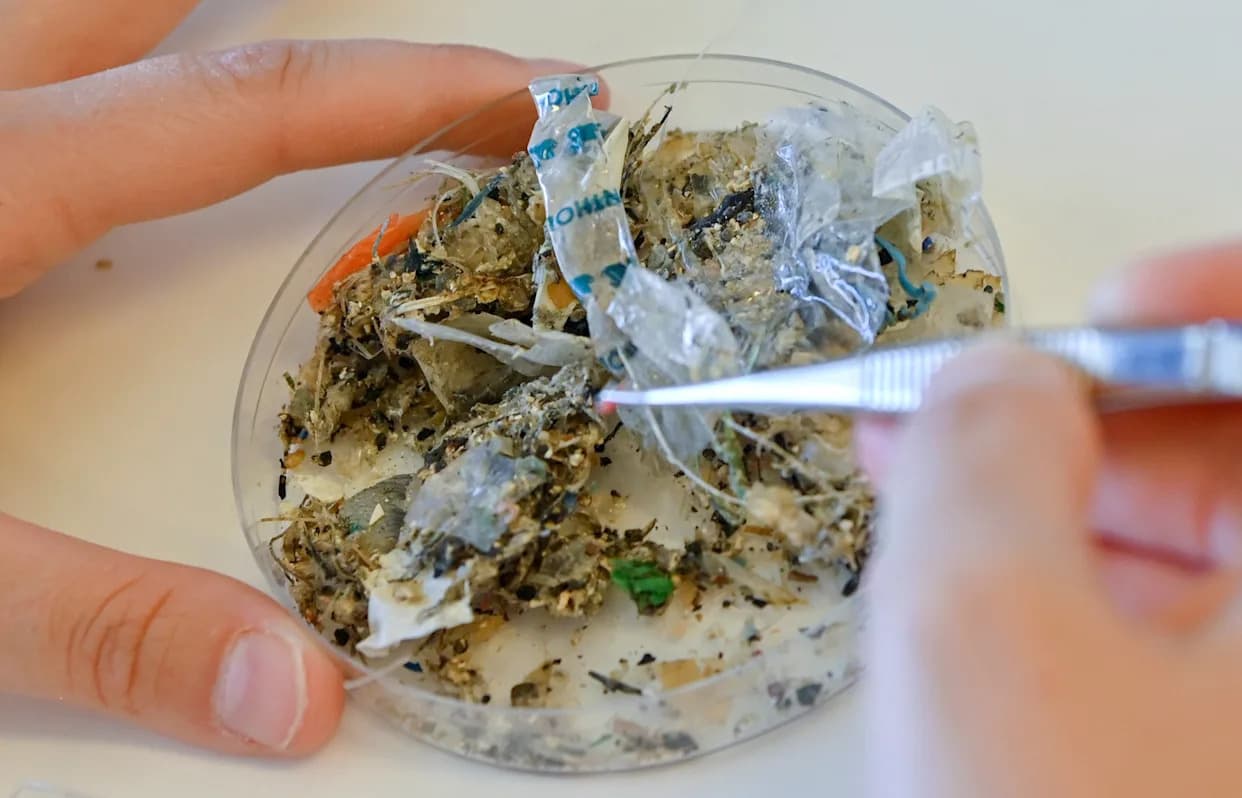
Methodological concern: Dr. Dušan Materić, an expert on micro- and nanoplastics, argued in a public LinkedIn post that a study claiming microplastics in the human brain may have produced false positives because fatty tissue can mimic signals for common plastics like polyethylene. Materić noted that brain tissue is high in fat content, which can complicate analyses.
Public reaction and responsibility: Environmental chemist Dr. Cassandra Rauert warned that sensational or weakly supported findings can alarm the public and spur expensive, unproven treatments aimed at "purging" microplastics from the body. She emphasized scientists' responsibility to communicate robust, carefully qualified results.
Industry perspective: Roger Kuhlman, a former Dow chemist quoted by The Guardian, described the objections as a "bombshell" and said they necessitate re-evaluating some conclusions about microplastics in humans. Dow has previously questioned the strength of evidence linking microplastics to harm, arguing in 2023 that the risks had not been demonstrated.
Broader Evidence and Consensus
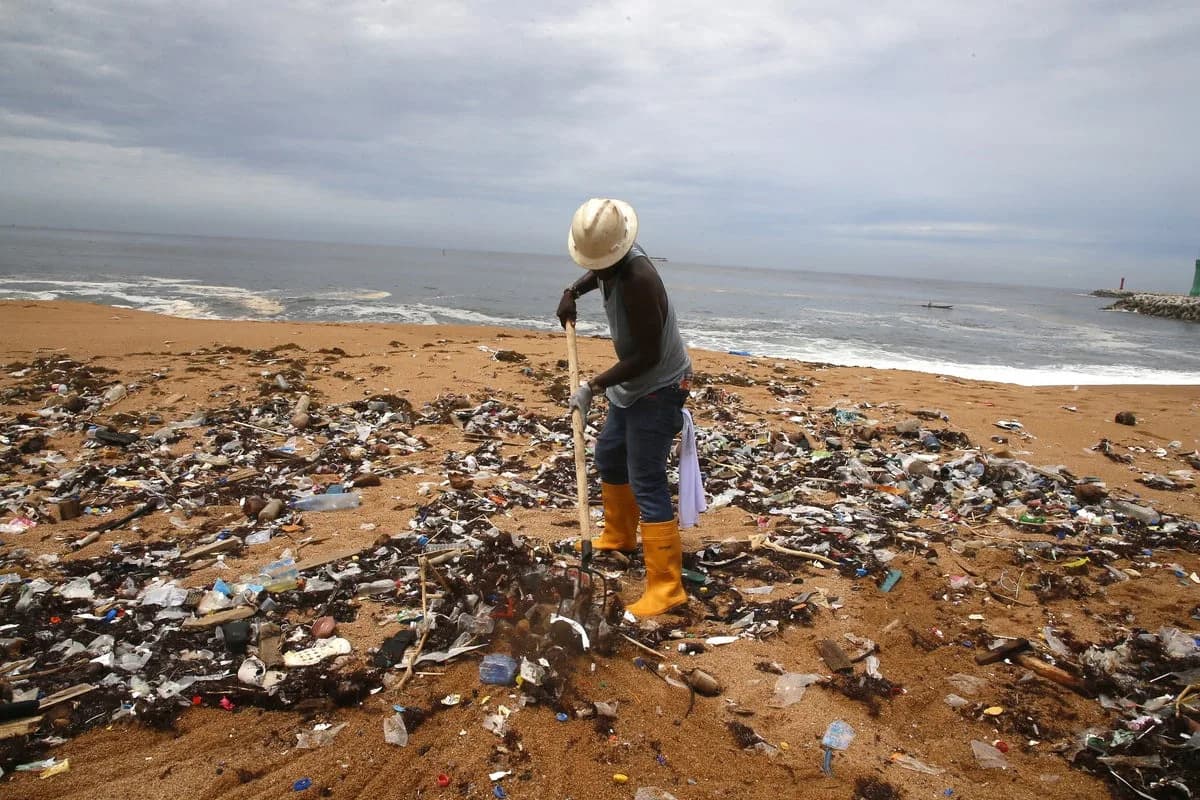
Despite methodological debates around specific papers, a large body of peer-reviewed research documents widespread environmental contamination by microplastics and potential risks to wildlife and human health. In October, an International Science Council review of roughly 7,000 studies concluded that the evidence base is now strong enough to call for collective global action to address microplastics.
What This Means For Readers
Scientific critique is normal and healthy; it helps refine methods and strengthen conclusions. Individual study flaws do not negate the larger evidence that plastic pollution and microplastics are pressing environmental problems.
If you are concerned about personal exposure, practical steps—such as reducing single-use plastics at home, avoiding unnecessary plastic packaging, and supporting policies that curb plastic pollution—can lower direct contact with microplastics while research continues.
Bottom line: Specific methodological questions have been raised about a handful of studies, but the wider scientific literature and major reviews support serious attention to microplastics as an environmental and public-health issue. Ongoing scrutiny and better methods will improve our understanding of how microplastics affect people and ecosystems.
Help us improve.