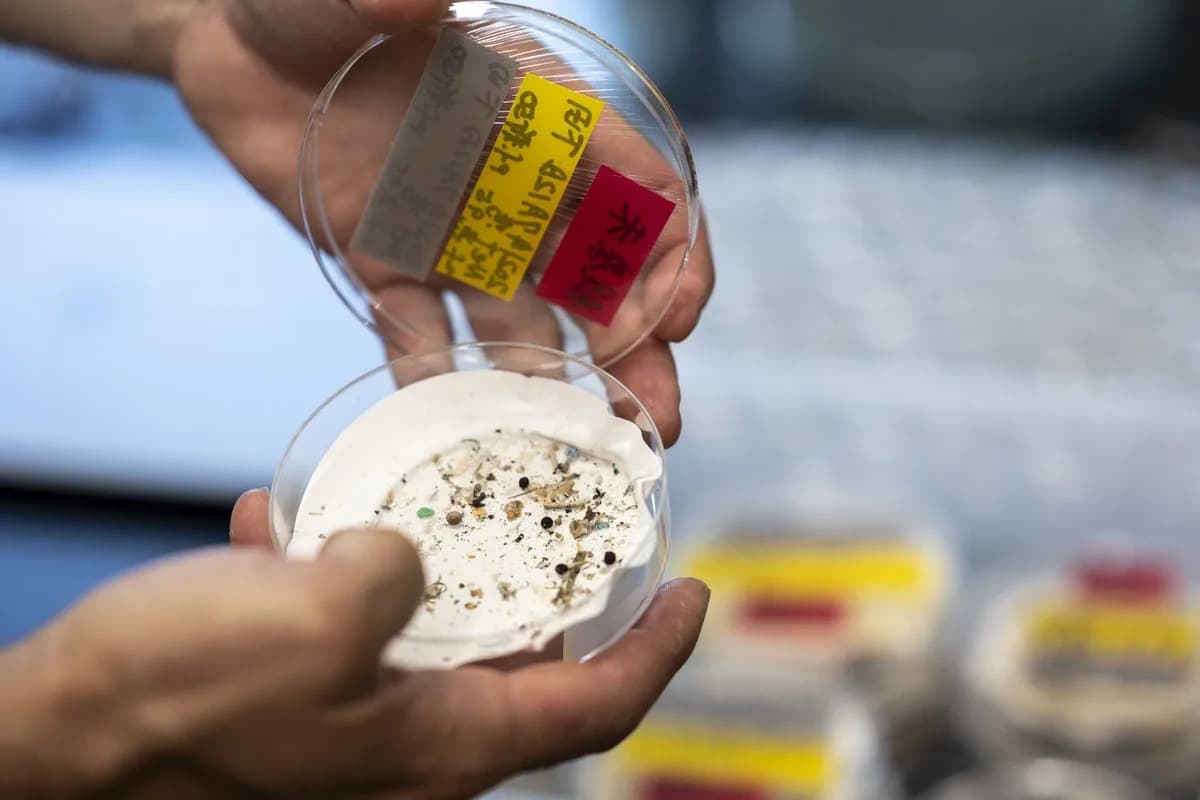
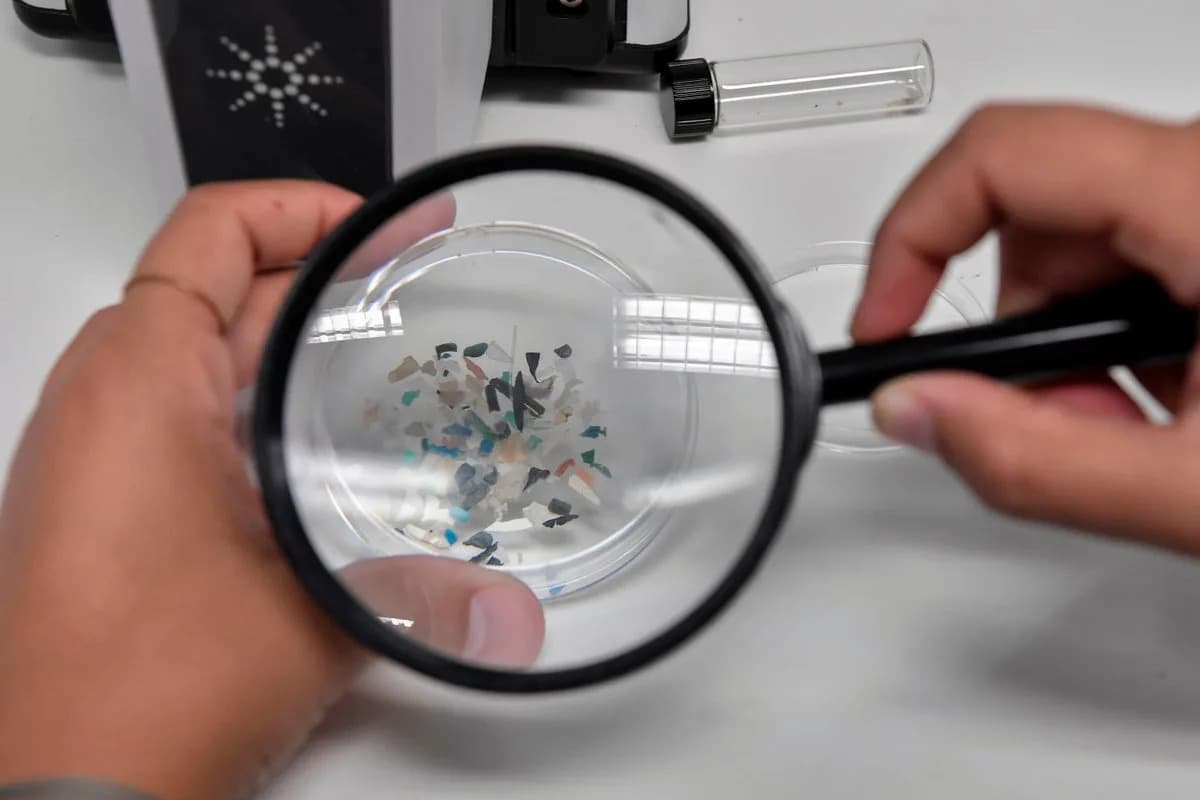
In 2025 researchers mapped how microplastics are turning up across everyday foods and drinks — from tea and takeout to bottled beverages and cheese. Studies linked heat, packaging materials, cap use and processing steps to increased contamination; one analysis detected particles in 26 of 28 Italian dairy products. Practical takeaways include avoiding reheating food in single-use plastic, choosing metal or glass containers, and preferring nonplastic tea options while science and regulation catch up.
2025’s Wake‑Up Call: Microplastics Found in Tea, Takeout, Water, Cheese and More
Food & Wine / Getty Images
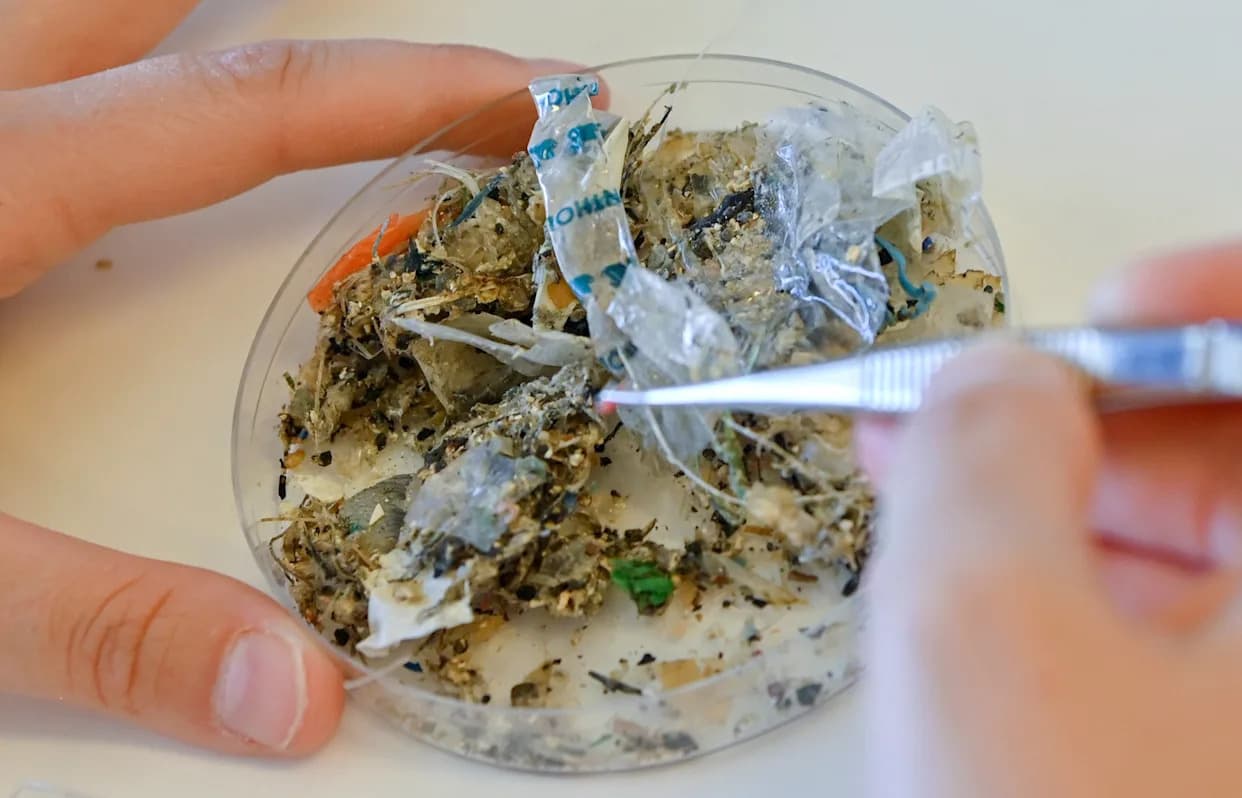
While scientists still work to determine the full health impact of microplastics, 2025 produced a steady stream of studies and investigations showing just how common these particles are in everyday foods and beverages. Ranging from roughly 1 nanometer to 5 millimeters in size, microplastics turned up in surprising places — and researchers identified several clear drivers of contamination, including heat, packaging materials, processing steps, and simple handling.
Photography By Tonelson / Getty Images
Top 10 Findings From 2025
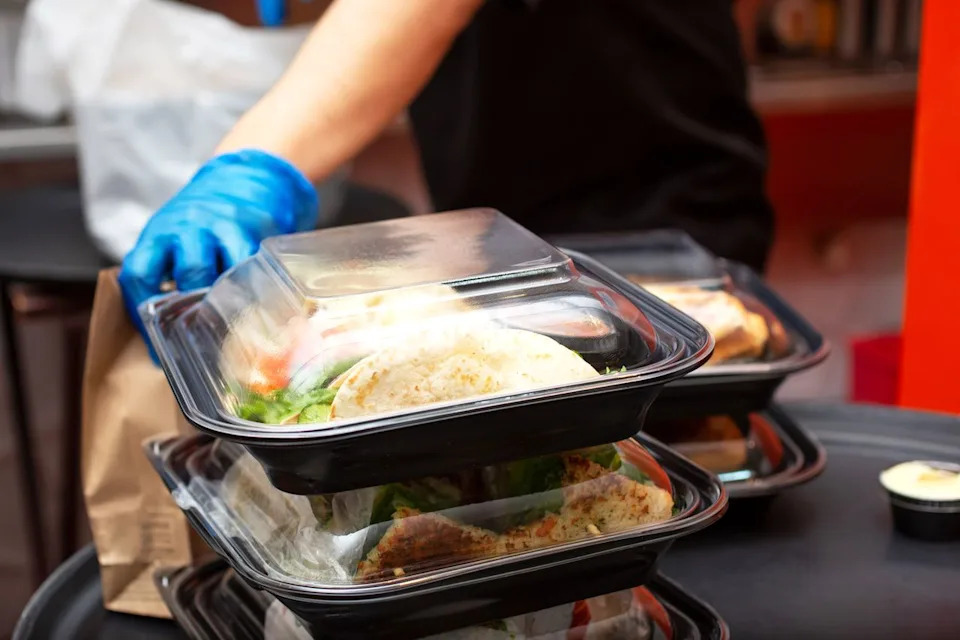
01. Takeout Containers Can Release Microplastics
A 2025 study in Environmental Pollution found that exposing plastic takeout containers to heat can accelerate breakdown and release microplastic particles, which can migrate into reheated food. Consumer tip: avoid reheating food in single-use plastic containers; transfer to glass or ceramic when possible.
ZikG / Shutterstock
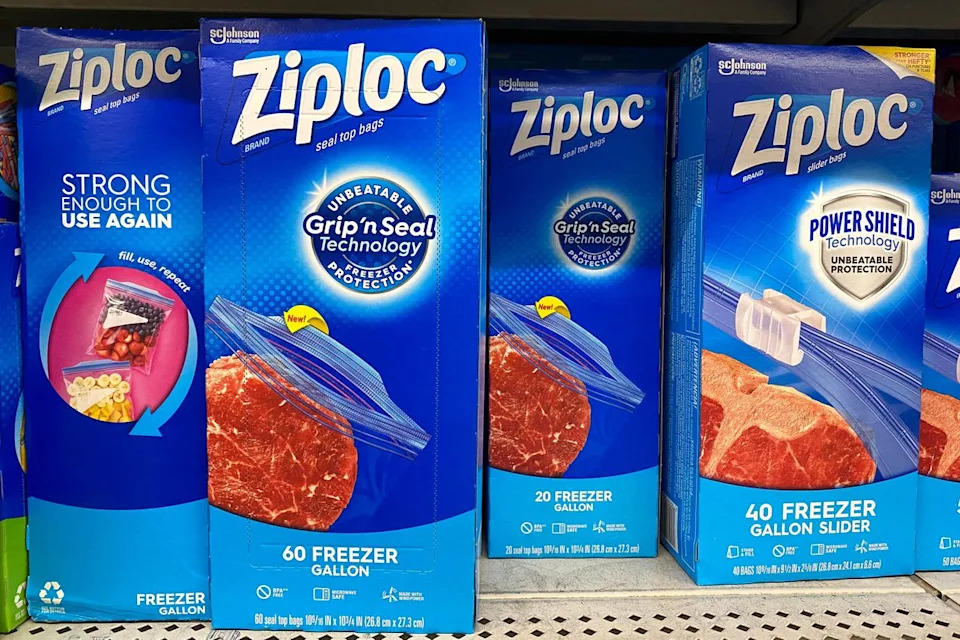
02. Ziploc Lawsuit Highlights Concerns About Microwave/Freezer Use
A class-action suit filed in 2025 alleges Ziploc bags labeled "microwave safe" shed microplastics when heated or frozen. The complaint cites common plastics used in food storage (polyethylene, polypropylene) and echoes broader questions about labeling and testing practices.
Food & Wine / Photo Illustration by Doan Nguyen / Getty Images
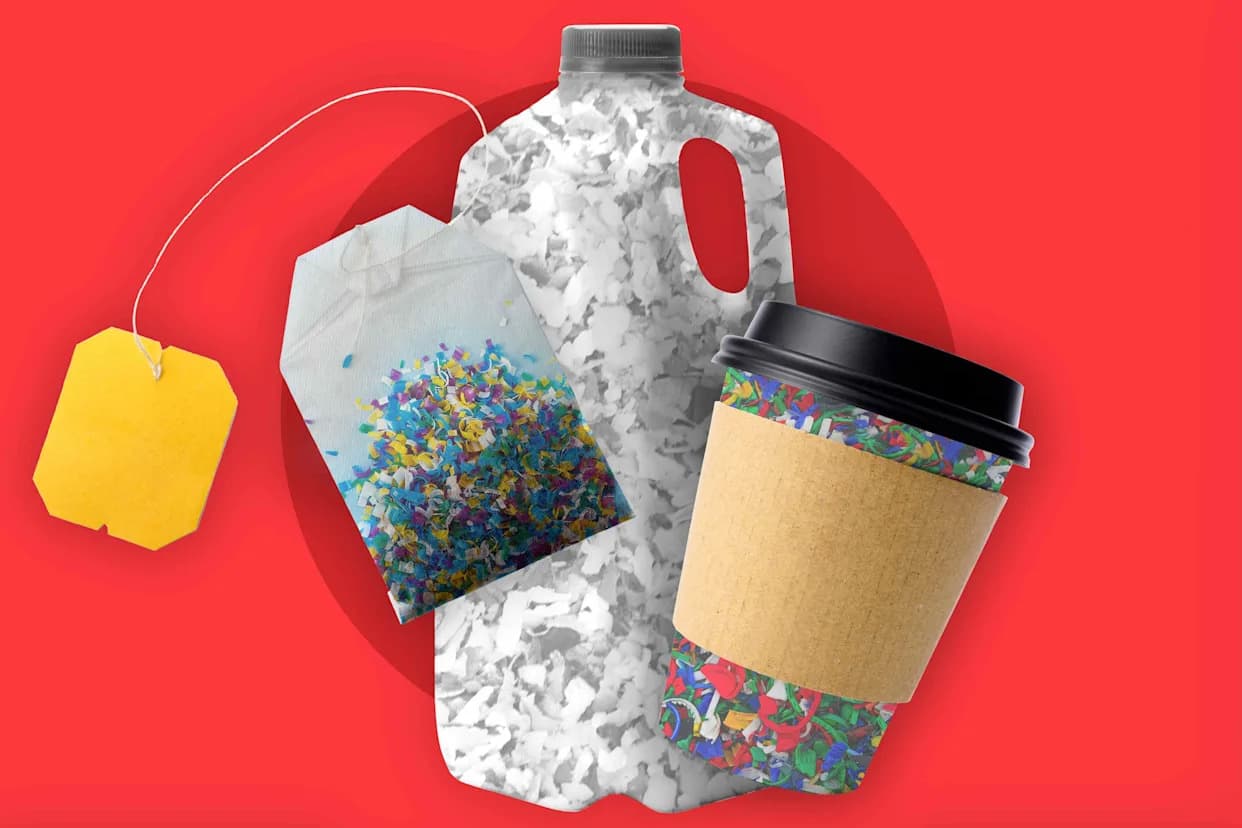
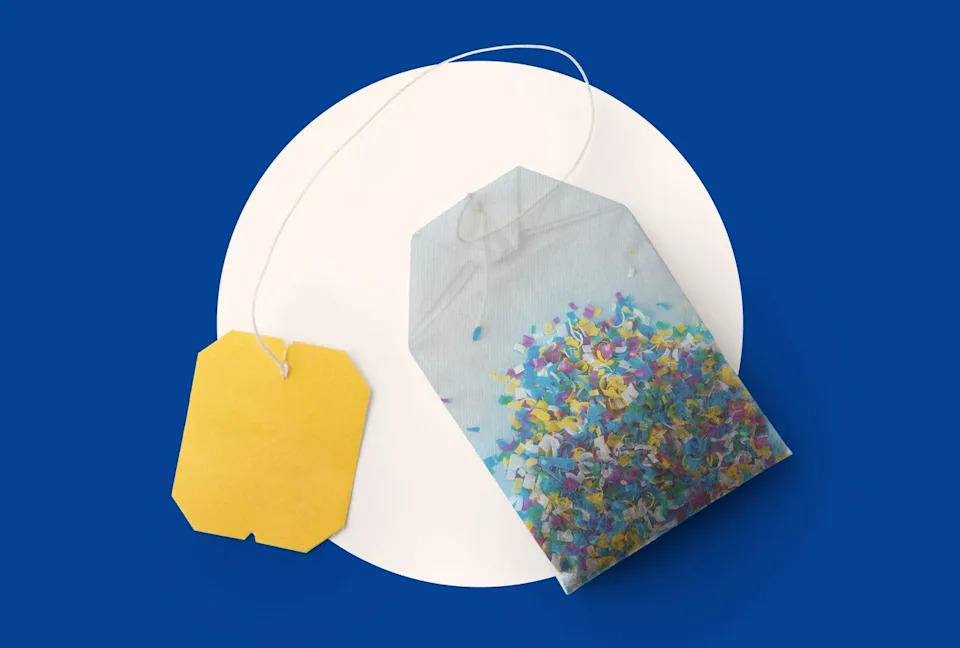
03. Some Tea Bags Release Microplastics During Steeping
Research published in Chemosphere found that certain plastic-based tea bags can fragment during steeping and release microscopic particles into the brew. Experts called for more studies and regulatory attention; consumers who worry about contamination may prefer loose-leaf tea or bags made from nonplastic materials.

Yana Iskayeva / Getty Images
04. Boiling Hard Tap Water Can Lower Microplastic Counts
One study reported that boiling tap water reduced microplastic levels when the source water was high in minerals ("hard water"). This approach is condition-specific and not a guaranteed solution for all water supplies, but it suggests simple household steps may sometimes help.
Amorn Suriyan / Getty Images
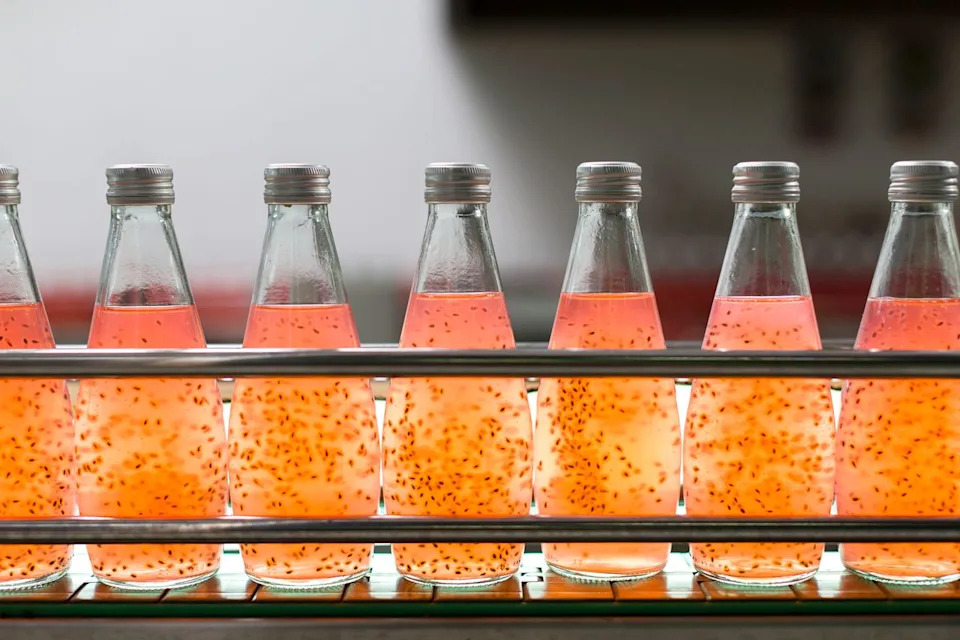
05. Glass Bottles Aren't Automatically Plastic-Free
Researchers found that beverages stored in glass containers can still contain microplastics originating from plastic caps, seals, linings, or labels. Glass generally remains preferable to plastic, but attention to closures and packaging components matters.
Food & Wine / Getty Images
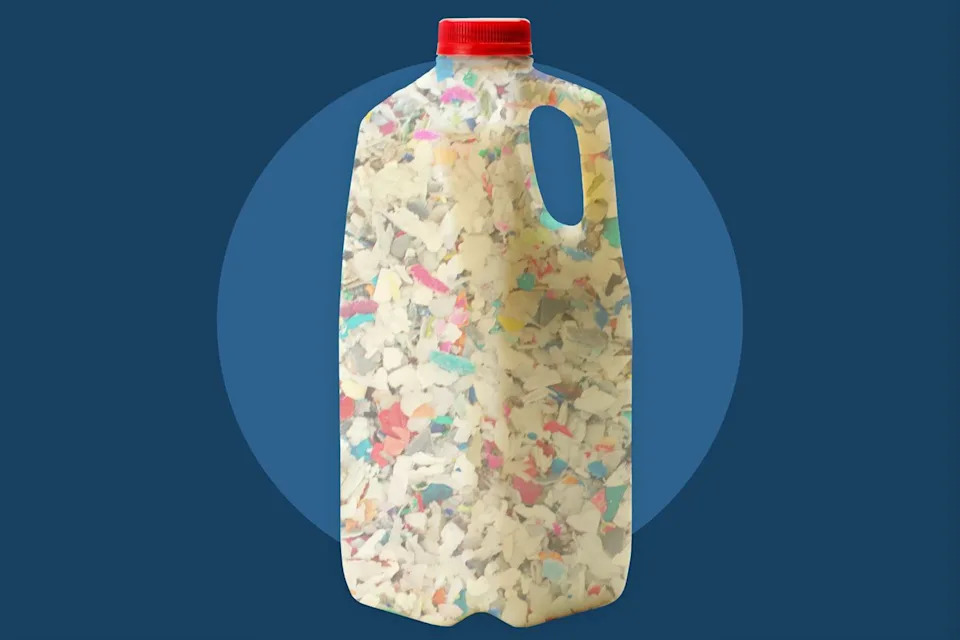
06. Microplastics Found In Most Italian Dairy Products Sampled
An analysis of milk and cheese samples from Italy detected microplastics in 26 of 28 products tested. The pattern — higher counts in cheese than in milk — points to processing and packaging as likely sources, highlighting opportunities for industry intervention.
Food & Wine / Getty Images
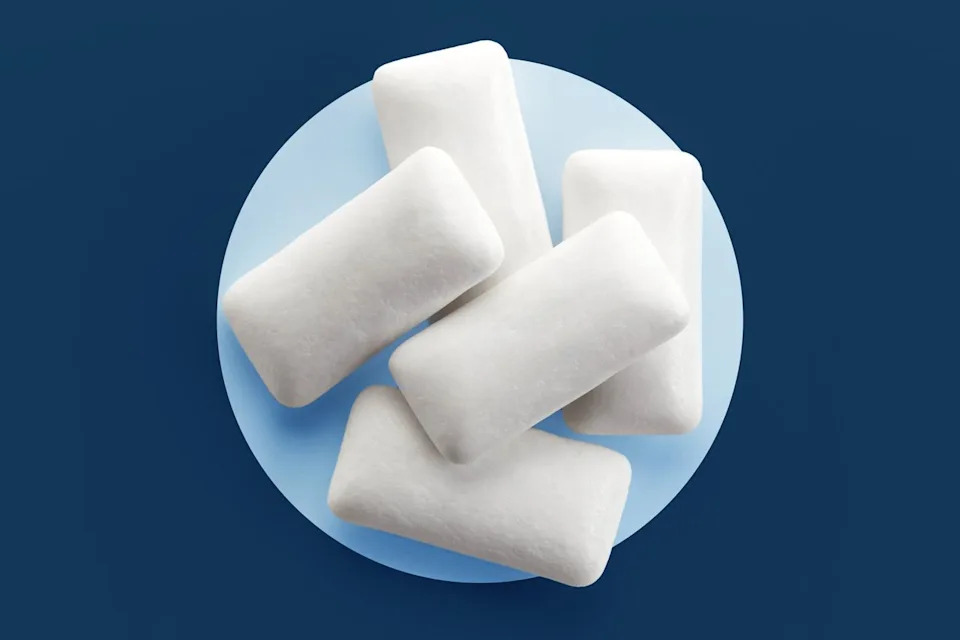
07. Chewing Gum Can Shed Microplastic Fragments
UCLA researchers measured that one gram of gum released an average of ~100 microplastic fragments during simulated chewing; some brands shed more than 600 fragments per gram. The study underscores synthetic polymers in gum bases as an exposure pathway worth further study.
mikroman6 / Getty Images
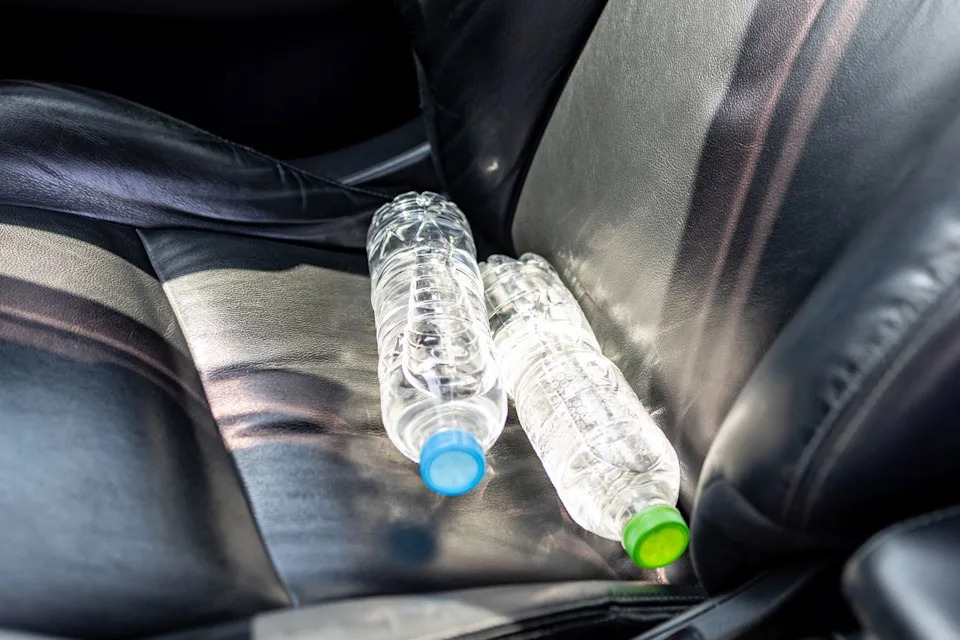
08. Heat, UV, And Hot Storage Increase Plastic Breakdown
Multiple studies reiterated a clear theme: heat and UV exposure speed plastic degradation. Disposable water bottles left in hot cars, long-term exposure to sunlight, and reheating foods in plastic containers all raise the risk of microplastic shedding. Use cool storage and switch to metal or glass reusable containers when possible.
Food & Wine / Getty Images
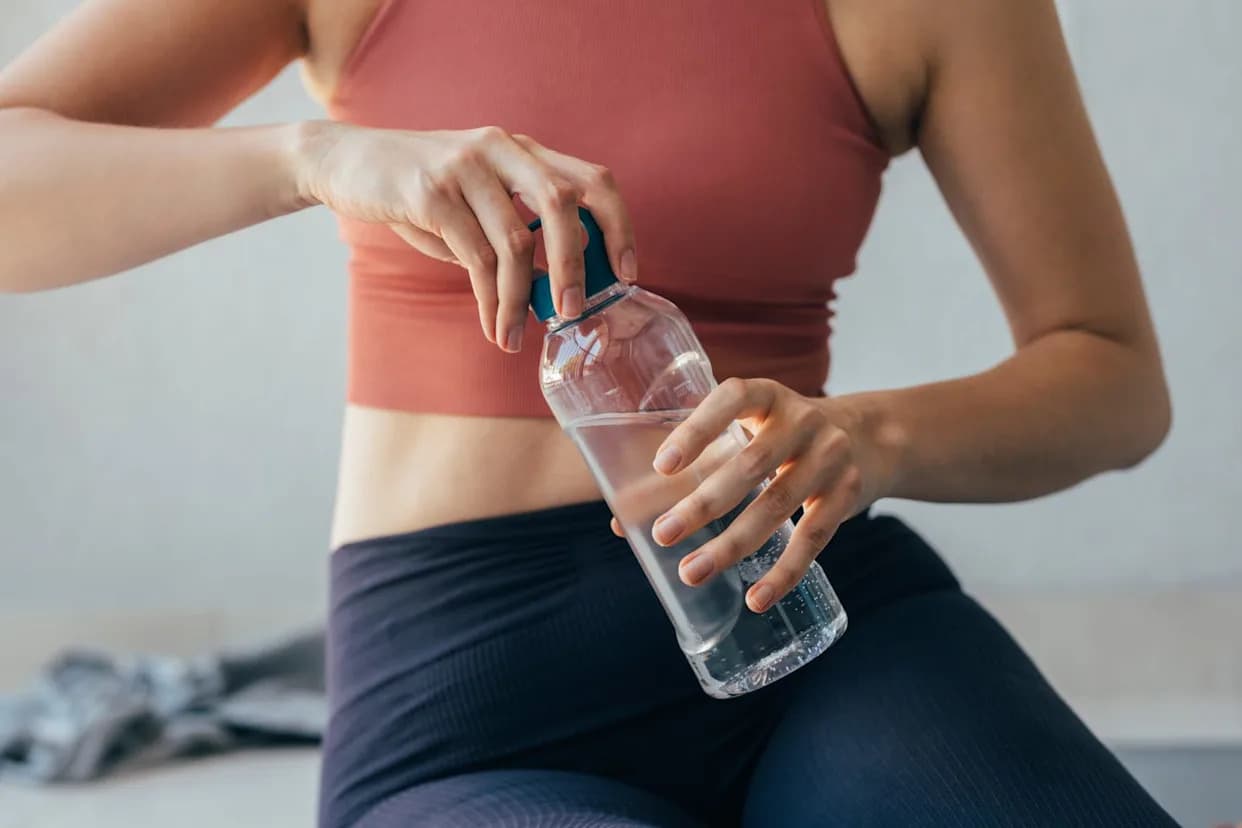
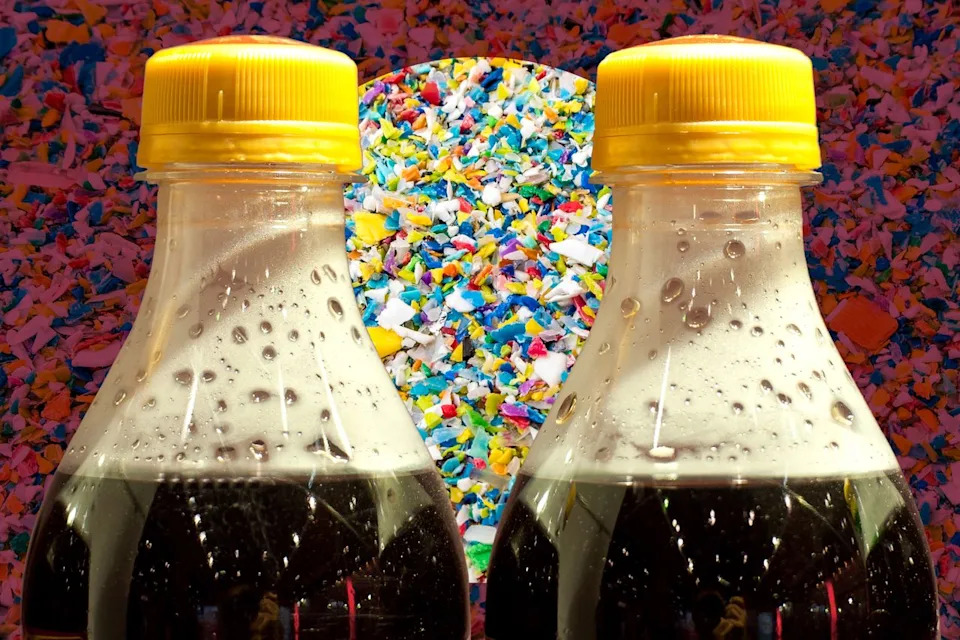
09. Repeated Opening And Closing Releases More Microplastics From Bottles
A French study showed that twisting bottle caps repeatedly (1, 10, 20 cycles) increased microplastic release — an everyday behavior with measurable effects. Sipping directly from a bottle with fewer cap cycles or pouring into a cup may reduce exposure.
vittaya25 / Getty Images
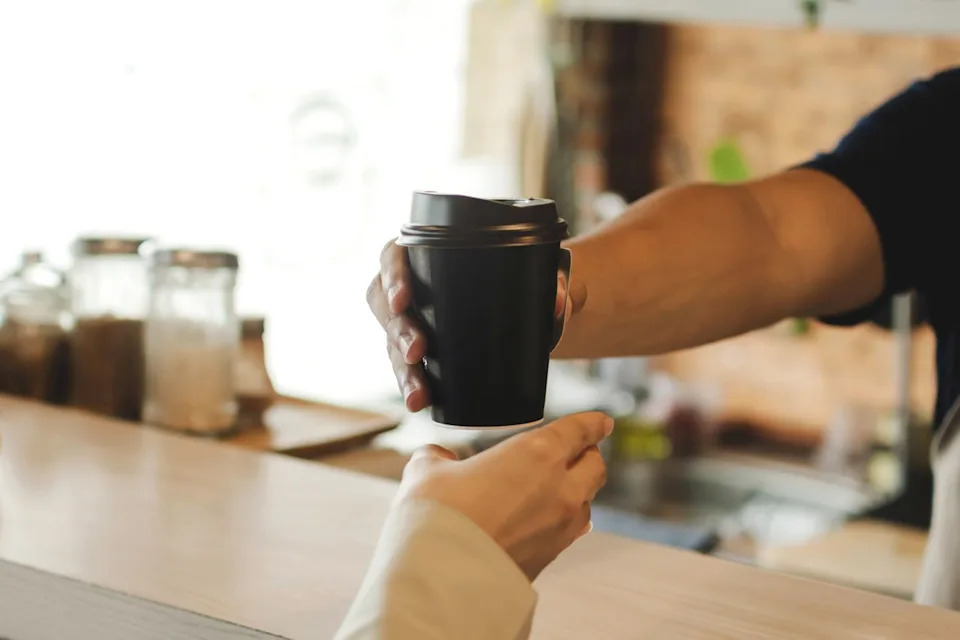
10. Hot Drinks Often Contain More Microplastics Than Cold Ones
An analysis of 155 beverages found higher microplastic concentrations in hot drinks, likely because heat accelerates breakdown of packaging or cup linings. Surprisingly, some pricier tea brands showed higher concentrations than cheaper ones, challenging assumptions about price and product safety.
What Consumers and Policymakers Can Do
2025's findings highlight practical steps and policy directions: avoid reheating food in single-use plastic, choose metal or glass reusable bottles, prefer loose-leaf tea or nonplastic tea bags, keep plastic containers out of hot environments, and encourage manufacturers to re-evaluate packaging materials and testing. Scientists and regulators also need standardized methods to measure microplastics and clearer guidance on acceptable exposure levels.
Bottom line: Microplastics are pervasive in the food chain in ways many consumers wouldn't expect. While the health implications are still being established, reducing avoidable exposures and pushing for better packaging and regulations are practical next steps.
Help us improve.