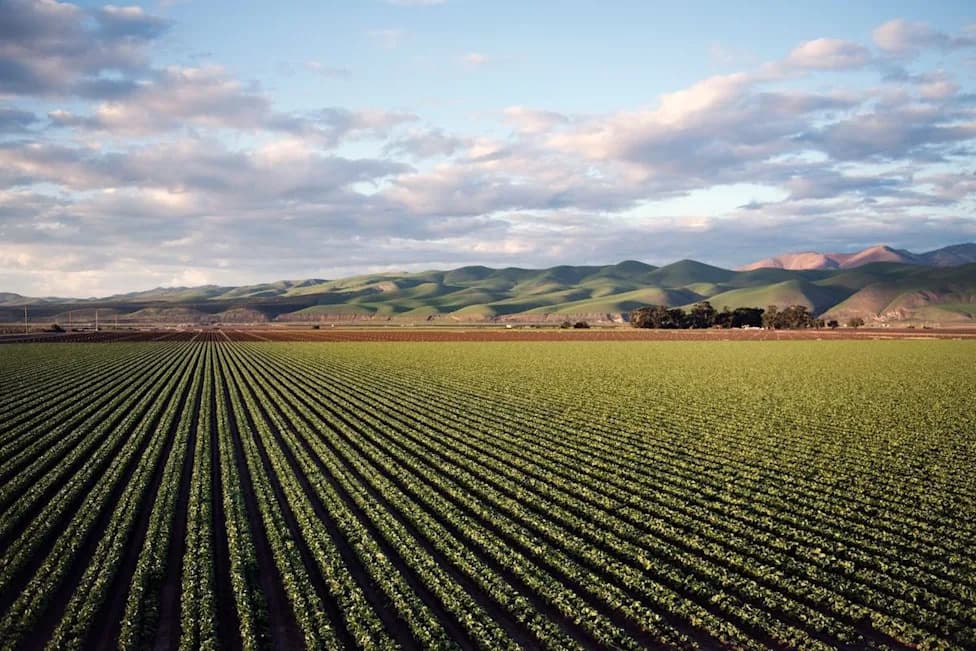
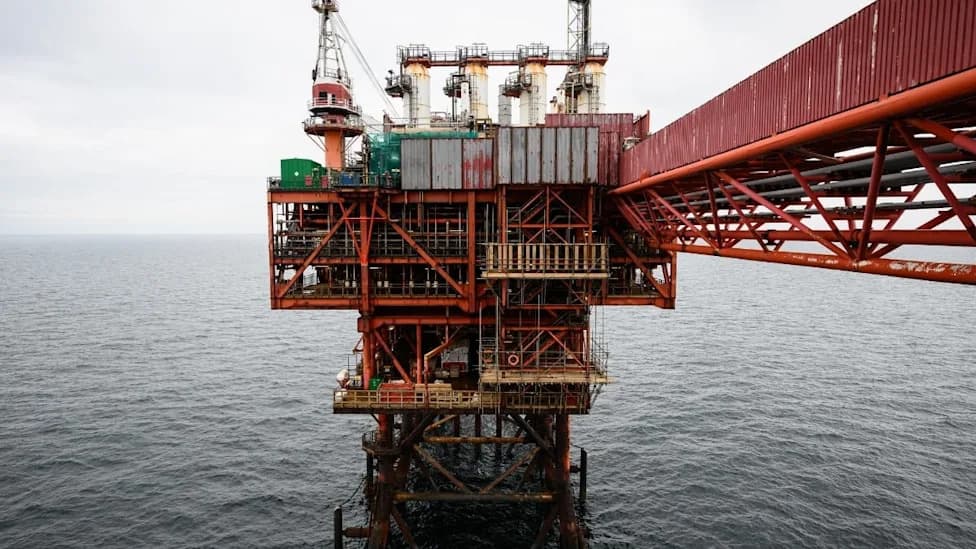
A new study in Nature estimates that land sources emit about 600 quadrillion microplastic particles into the atmosphere each year — roughly 20 times the ocean contribution (≈26 quadrillion). Median concentrations were 0.08 particles/m3 over land and 0.003 particles/m3 over sea. These totals are 100 to 10,000 times lower than many previous estimates, underscoring major uncertainties and the need for standardized global monitoring based on the study’s dataset of 2,782 measurements from 283 sites.
600 Quadrillion Microplastic Particles in the Air Every Year — New Study Points to Land as the Main Source
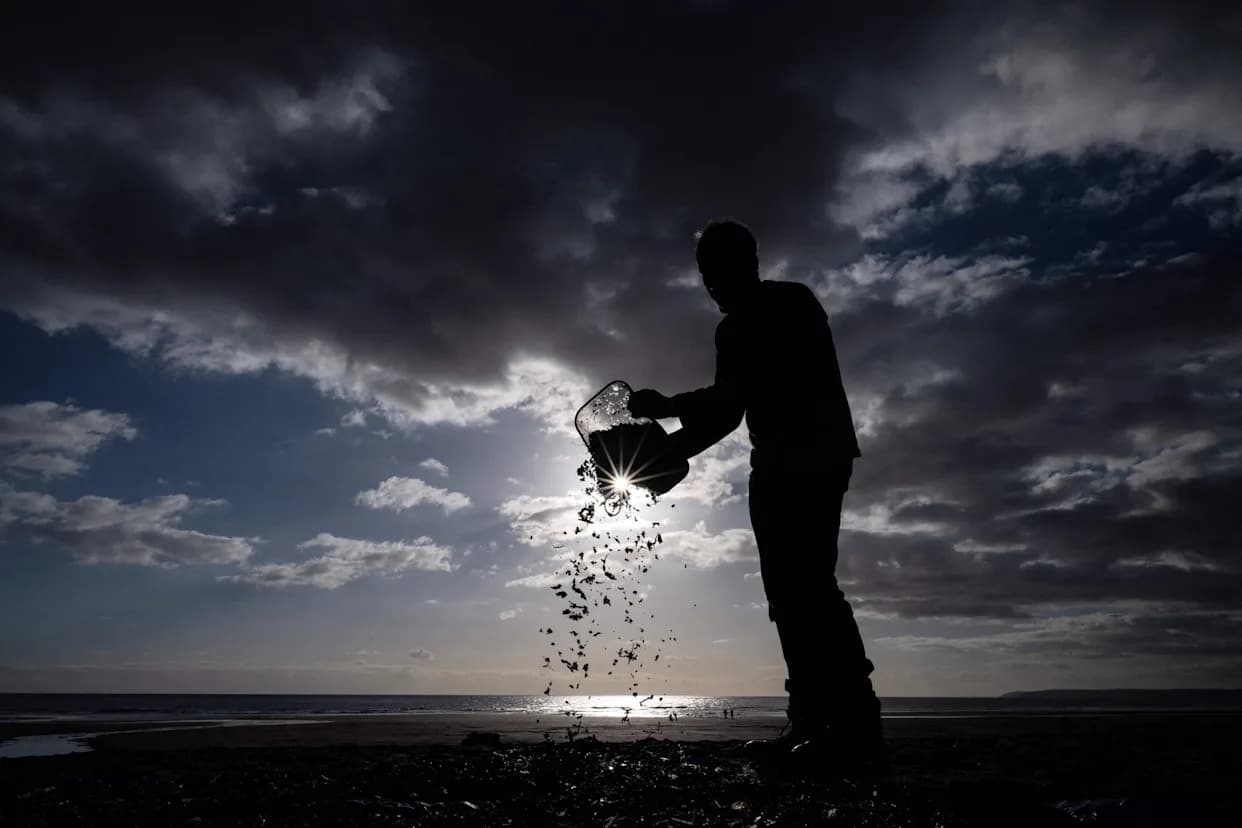
Microplastics travel by air and sea, turning up even in remote areas.(Ben Stansall/Getty Images)
Microplastics — tiny fragments of plastic between one micron and five millimetres in size — are now known to be virtually everywhere on Earth, from the Sahara to Arctic sea ice. A new analysis published in Nature provides the most comprehensive global estimate to date of how many of these particles are suspended in the atmosphere and where they come from.
Key Findings
The researchers estimate that terrestrial (land) sources emit roughly 600 quadrillion microplastic particles into the atmosphere each year (600,000,000,000,000,000), about 20 times more than the contribution from the oceans, which they estimate at roughly 26 quadrillion particles annually. The study reports median atmospheric concentrations of 0.08 particles per cubic metre (m3) over land and 0.003 particles per m3 over the ocean.
How the Estimate Was Made
To produce a more globally representative picture, the team compiled and reanalysed 2,782 airborne microplastic measurements taken at 283 locations worldwide. These observations were combined with atmospheric transport and emission models to generate global emission and concentration estimates.
“We knew that uncertainties of existing emission estimates were very large,” says Andreas Stohl, senior author and atmospheric scientist at the University of Vienna. “They are even still large after our study, but we could at least narrow down the uncertainty range, especially when it comes to the importance of land-based versus ocean-based emissions.”
Uncertainty and Variation
The new totals are substantially lower — between 100 and 10,000 times — than many earlier estimates. That large discrepancy highlights how difficult it is to measure microplastics consistently: sampling methods, detection limits, local sources and meteorology can all produce wildly different local results. For example, atmospheric microplastic counts recorded along the southeastern coast of China have ranged from 0.004 to 190 particles per m3 in different studies.
Why This Matters
Microplastics are small enough to be picked up by wind and transported long distances, and they are effectively impossible to remove once dispersed. The study’s authors present these figures as a baseline for future global assessments and for the development of improved monitoring methods that can detect even smaller particles and reduce uncertainty in estimates.
Bottom line: The atmosphere contains vast numbers of microplastic particles — with land-based emissions dominating — but better, standardized global measurements are needed to reduce uncertainty and understand potential health and environmental impacts.
Help us improve.