Recent research detected micro‑ and nanoplastics in human tissues, including the brain, prompting public concern and a market for remediation treatments. Laboratory studies show microplastics can trigger inflammation and DNA damage in cells, but definitive links to human disease are not yet established. Experts recommend modest, low‑cost exposure reductions — avoid hot plastic utensils, choose metal bottles, wash synthetics in cold short cycles and vacuum regularly — and advise caution about unproven medical procedures. More human studies are urgently needed to determine true health risks.
Do Microplastics Really Harm Your Health? Emerging Evidence and Practical Ways to Reduce Exposure
How Scary Are Microplastics?FreshSplash - Getty Images
Welcome to ELLE’s 2026 Modern Wellness Guide. Microplastics have moved from an environmental talking point to a personal-health concern — but what does the science actually show, and what can you reasonably do about it?
Earlier this year, a study published in Nature Medicine reported that human brains may contain roughly the mass of a plastic spoon in micro‑ and nanoplastic particles — tiny fragments smaller than five millimetres. The finding sparked public alarm: some people discarded dark-colored kitchen utensils, social-media “microplastic influencers” proliferated, and companies began offering costly remediation services. For example, a medical startup, Clarify Clinics, markets a blood‑cleaning procedure it says removes microplastics using activated carbon and a “proprietary plasma device” for about $13,000 — a treatment the press has reported was tried by actor Orlando Bloom.
What Are Microplastics?
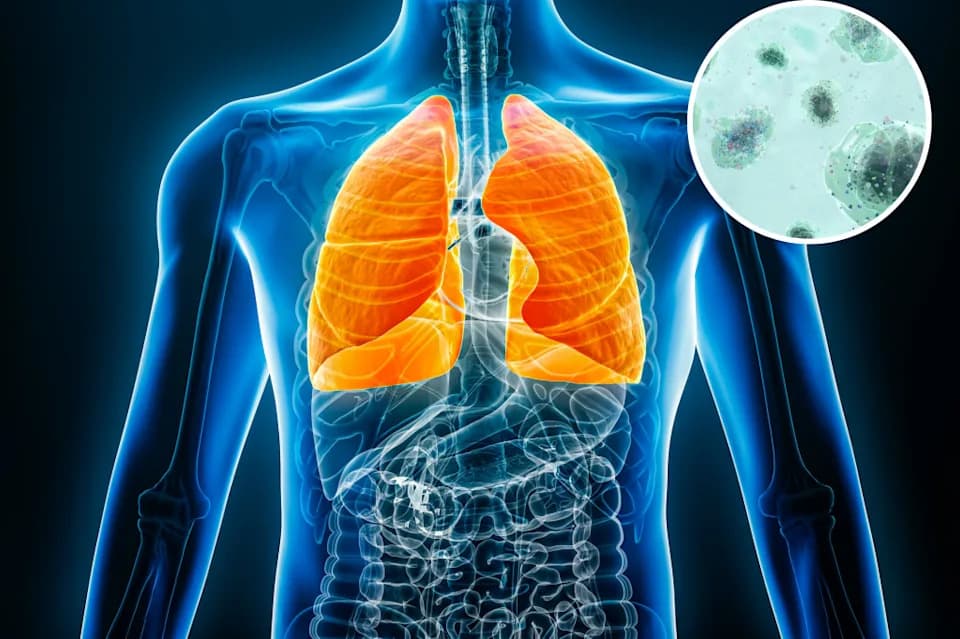
At a basic level, microplastics are plastic fragments under five millimetres in size (nanoplastics are much smaller). They’re not confined to the brain: researchers, including Dana Zhaxylykova, founder of the MicroplasticFree app, note that microplastics have been detected in blood and placentas. These particles are widespread — present in oceans, tap water, clothing fibers and household dust.
What Does the Science Say?
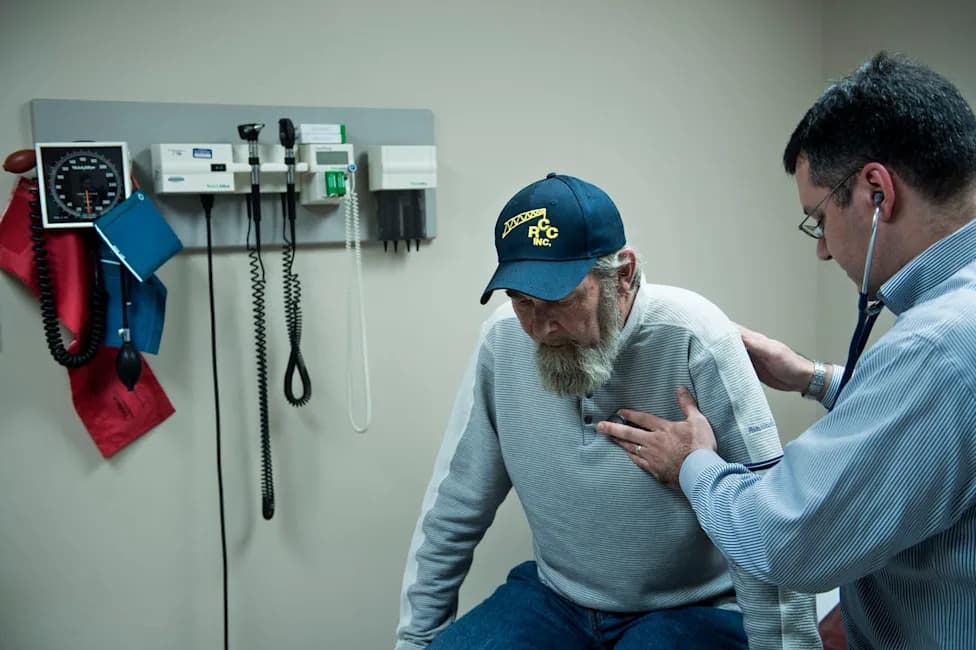
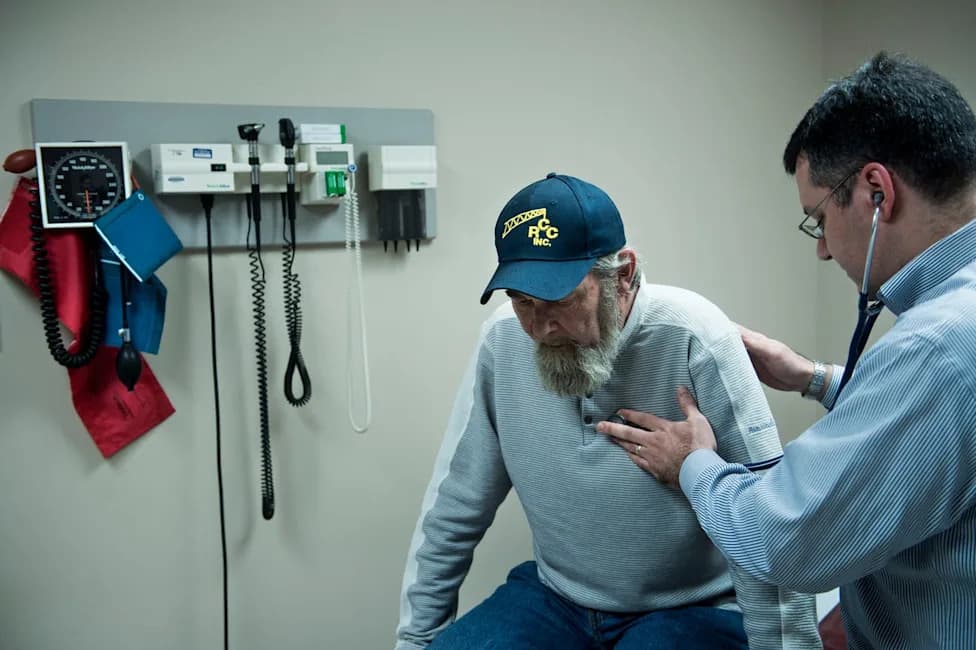
Experts emphasize that definitive evidence linking microplastics to specific human diseases is still limited. “A lot of what we know is still only emerging,” says Dr. Naomi Ko, a medical oncologist in New York. Laboratory studies, however, provide reasons for further study: a 2024 paper in Life Sciences found that environmental microplastics can provoke inflammation and cause DNA damage when they interact with cells. Those cellular effects raise concerns but do not yet amount to direct proof that microplastics cause cancer or other diseases in people.
“You’ve got to live your life,” Dr. Ko says. Until more human data are available, most specialists advise measured caution rather than alarm.
Practical Steps To Reduce Exposure
If the idea of plastics in your body worries you, experts recommend simple, low‑cost changes rather than drastic interventions:
- Avoid plastic cutlery and utensils, especially with hot foods, since heat accelerates plastic breakdown.
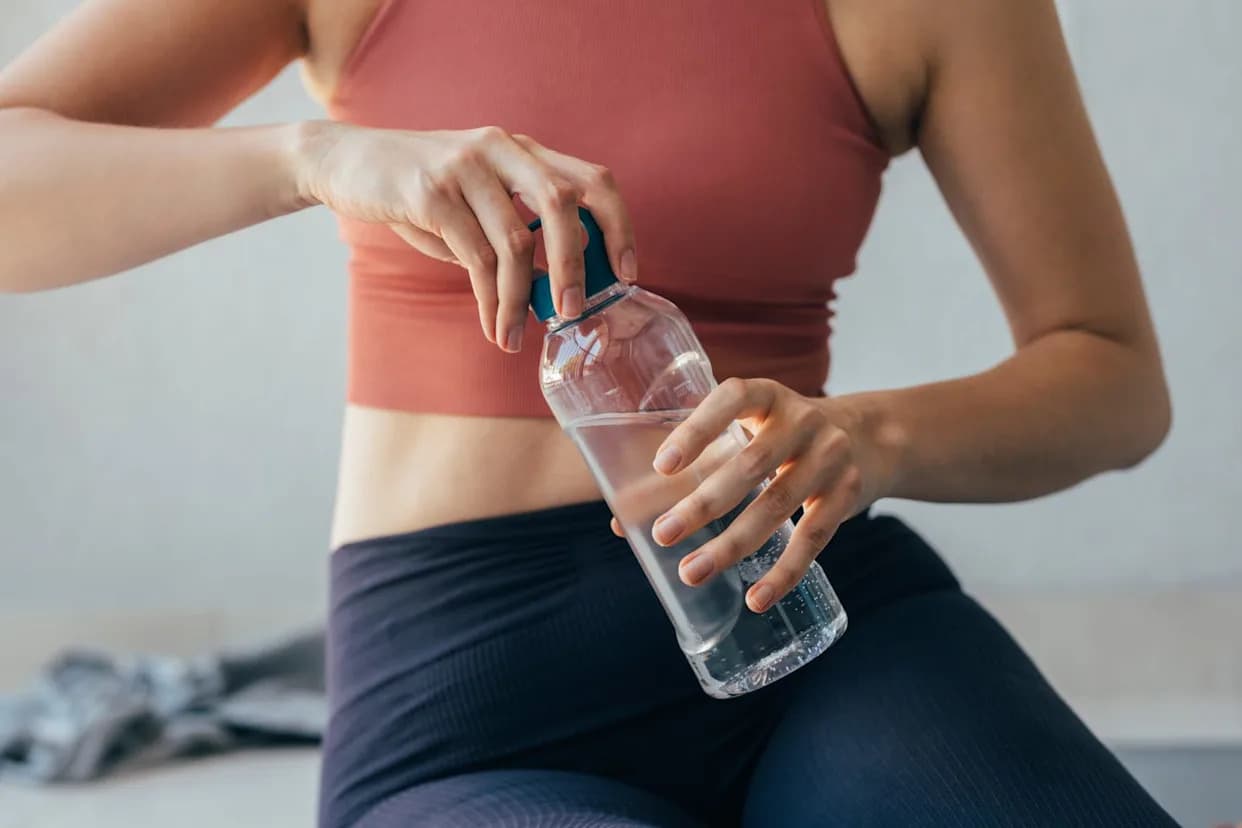
- Choose reusable metal water bottles and metal cutlery instead of single‑use plastic bottles or paper cups with plastic linings.
- Use wooden or glass cutting boards and cooking tools when practical.
- Wash synthetic clothing (most workout wear) in shorter, cold cycles and consider a guppy bag or filter to reduce fiber shedding.
- Vacuum frequently and clean dust regularly, because particles accumulate in household dust.
Experts caution against unproven, expensive medical procedures marketed to “remove” microplastics from blood; there is no reliable evidence yet that such treatments are necessary or effective.
The Bottom Line
Microplastics are pervasive and early lab research suggests they can affect cells. But the evidence that they cause disease in humans remains inconclusive. Practical exposure‑reduction measures are sensible and low‑risk, while invasive or costly “cleanse” procedures are not supported by current science. More rigorous human studies are needed to clarify the true health risks.
This article originally appeared in the December 2025/January 2026 issue of ELLE.
Help us improve.