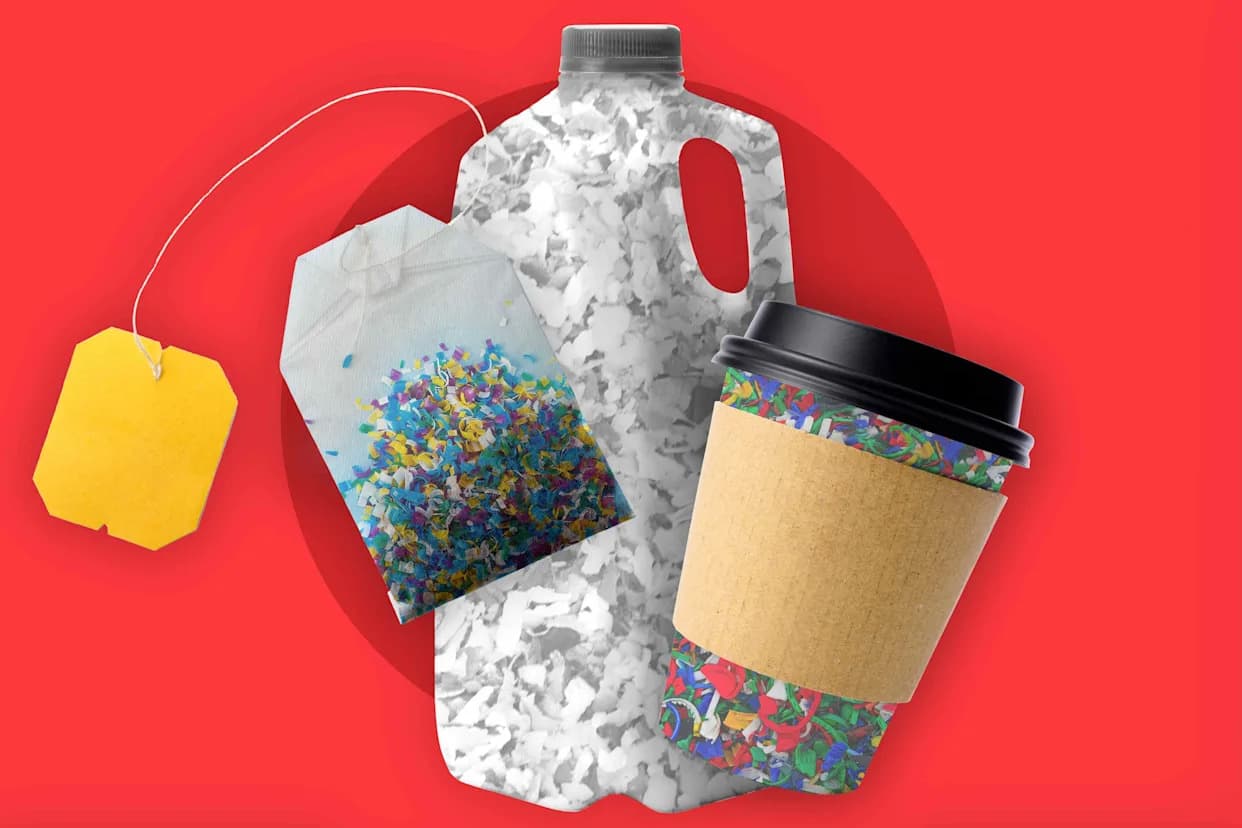
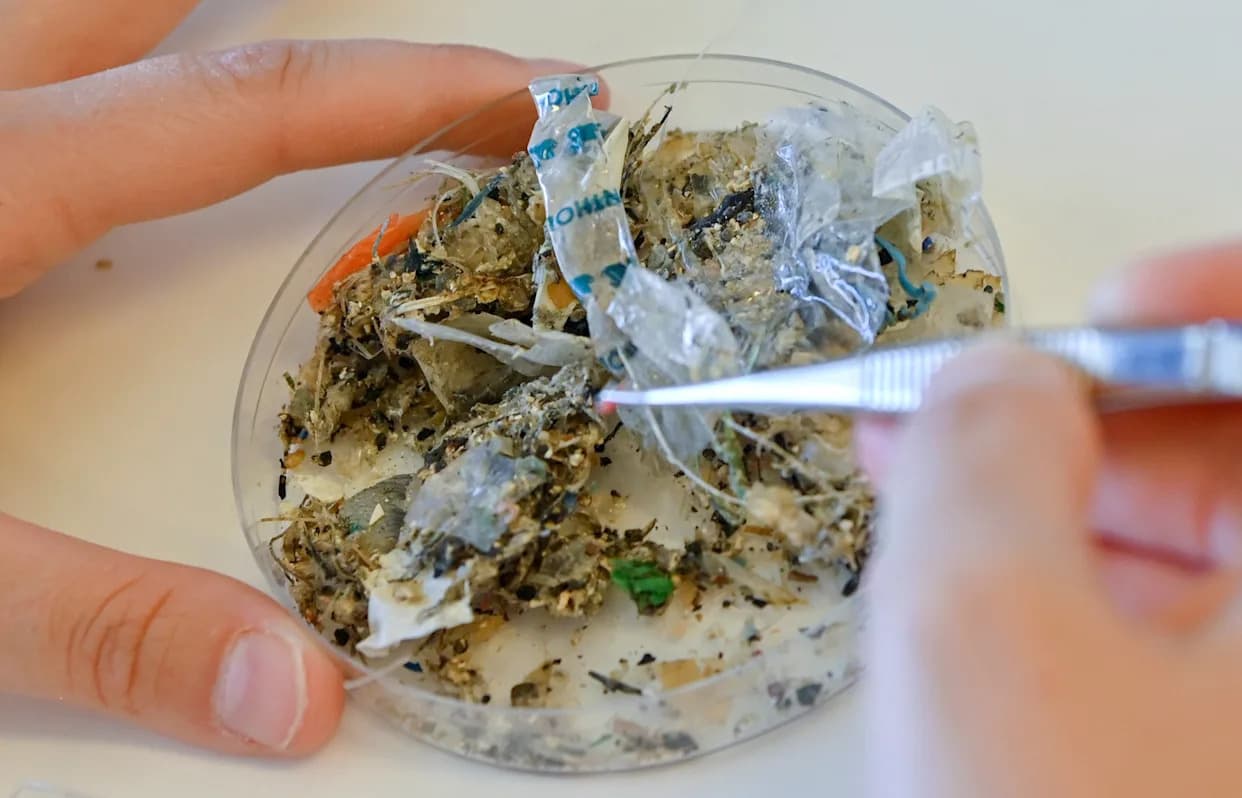
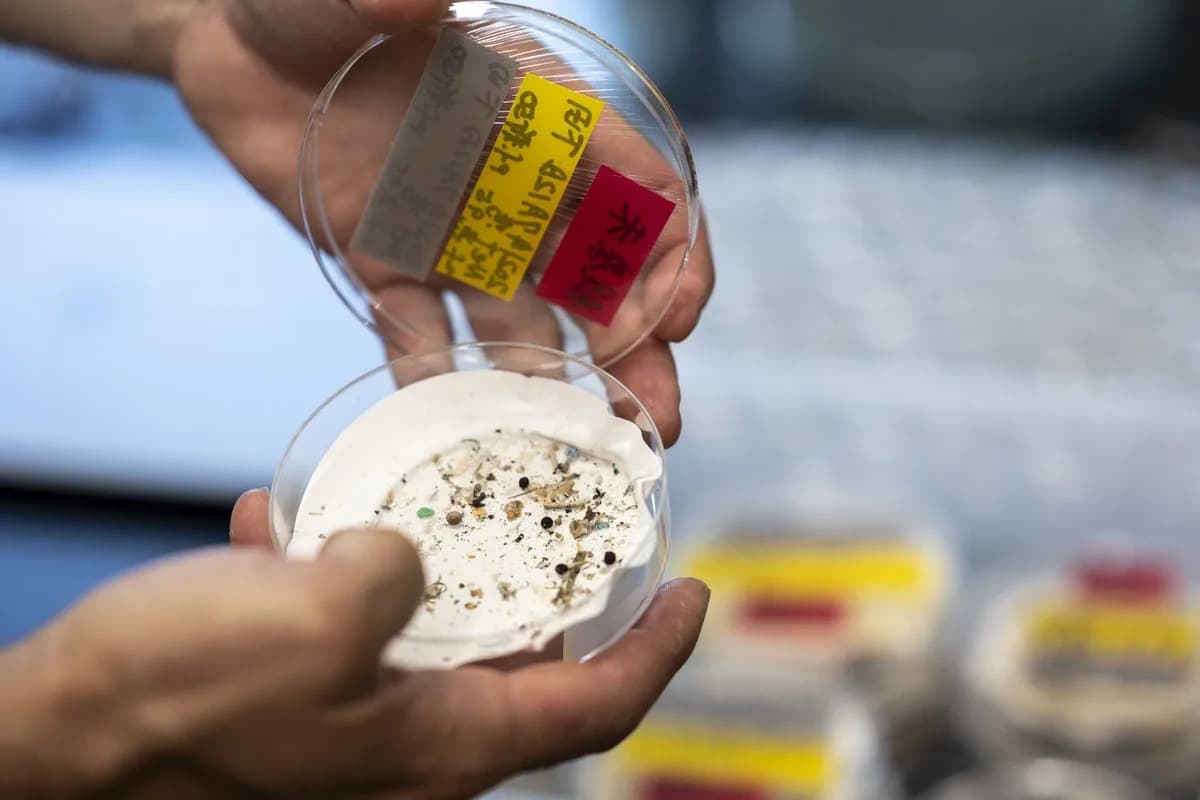
Recent high‑profile reports that micro‑ and nanoplastics pervade human organs are facing renewed scrutiny. Scientists have raised consistent concerns about contamination controls, lack of validation and method limits — particularly with Py‑GC‑MS — that can mistake tissue‑derived molecules for plastics. Experts call for agreed standards, cross‑disciplinary collaboration and improved methods, while advising modest precautions such as avoiding heating food in plastic and filtering drinking water.
Microplastics in Human Organs: New Scrutiny Casts Doubt on High‑Profile Findings
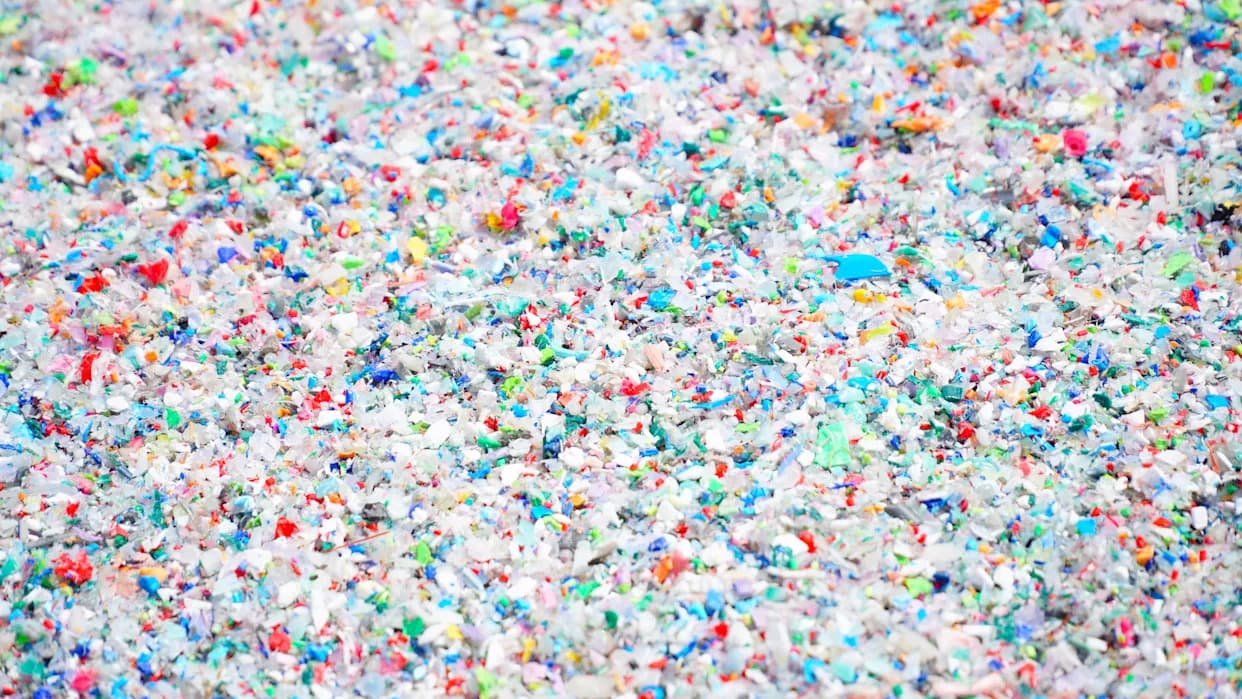
High‑profile studies reporting micro‑ and nanoplastics (MNPs) throughout human organs have prompted alarm — but many of those findings are now under serious scientific scrutiny. Experts warn that contamination, analytical artefacts and insufficient validation may explain a number of reported detections in tissues such as brain, testes, arteries and blood. The presence of plastics in the environment and our exposure to them is undisputed; the controversy centers on how much plastic truly accumulates inside the human body and what, if any, health effects arise.
Why Some Findings Are Being Challenged
Multiple letters, formal criticisms and review articles published in the same journals as the original studies have flagged recurring methodological problems: weak contamination controls, absence of blank samples, inadequate validation with known standards, and reporting of results that some experts consider biologically implausible. Critics say these gaps increase the risk of false positives — for example, signals produced by human fats being mistaken for polyethylene or PVC.
Key Technical Concerns
- Contamination Risk: Plastics are ubiquitous in labs, operating theatres and sampling equipment. Without rigorous blanks and controls, background contamination can be mistaken for tissue‑embedded plastic.
- Validation And Blanks: Repeating measurements, spiked recovery tests and procedural blanks are standard quality‑control steps that some studies did not fully report.
- Method Limitations — Py‑GC‑MS: Pyrolysis‑gas chromatography‑mass spectrometry (Py‑GC‑MS), a common technique used to estimate MNP mass, can produce pyrolysis products from biological fats that mimic plastic signals, increasing false‑positive risk.
- Biological Plausibility: Several experts question whether particles in the 3–30 µm range can cross biological barriers in quantities reported by some papers; nanoscale particles are more likely to penetrate tissues, yet current instruments often struggle to detect them.
Examples of Disputed Studies
Criticisms have targeted a number of widely covered papers, including a study reporting a rising trend of MNPs in human brain tissue (1997–2024), research linking MNPs in carotid artery plaques to increased heart attack and stroke risk, reports of plastics in testes, and studies detecting plastic particles in blood. In several instances the authors defended their methods and called for further collaboration rather than confrontation.
“This is really forcing us to reevaluate everything we think we know about microplastics in the body,” said Roger Kuhlman, a chemist formerly at Dow Chemical Company.
Where The Field Goes From Here
Researchers broadly agree on next steps: establish agreed standards for sampling and analysis, combine the expertise of analytical chemists and medical researchers, routinely use blanks and spiked samples, and validate methods across multiple laboratories. Many scientists emphasize that the field is still young and rapidly evolving; improved techniques and clearer protocols are already being developed.
Practical Takeaways For The Public
While robust evidence on the amounts of MNPs inside human tissues and their health impacts remains incomplete, experts advise modest, sensible precautions: avoid heating or cooking food in plastic containers, reduce use of plastics around food, ventilate indoor spaces to lower airborne particles, and consider filtering drinking water (activated charcoal filters are commonly recommended). Be skeptical of commercial treatments that claim to remove microplastics from the blood; such claims lack scientific support and may be unsafe.
Conclusion
It is reasonable to assume people carry some microplastics internally, given ubiquitous environmental contamination. But current disputes over high‑profile studies show that the quantitative evidence is still uncertain. Better laboratory standards, cross‑disciplinary collaboration and more robust, validated methods are needed before firm conclusions about human health risks can be drawn.
Further Reading: Reviews and formal correspondence in the scientific literature provide detailed critiques of methods and suggested best practices for future studies.
Help us improve.