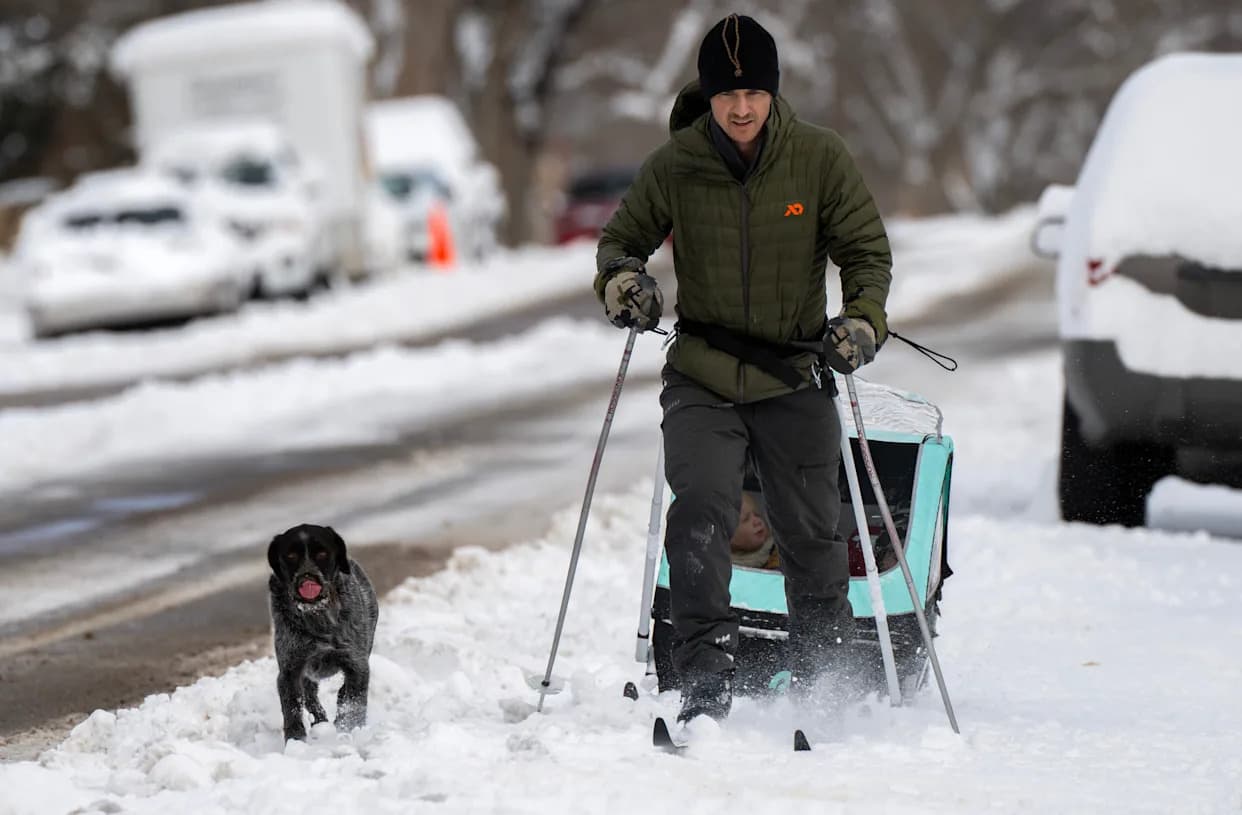
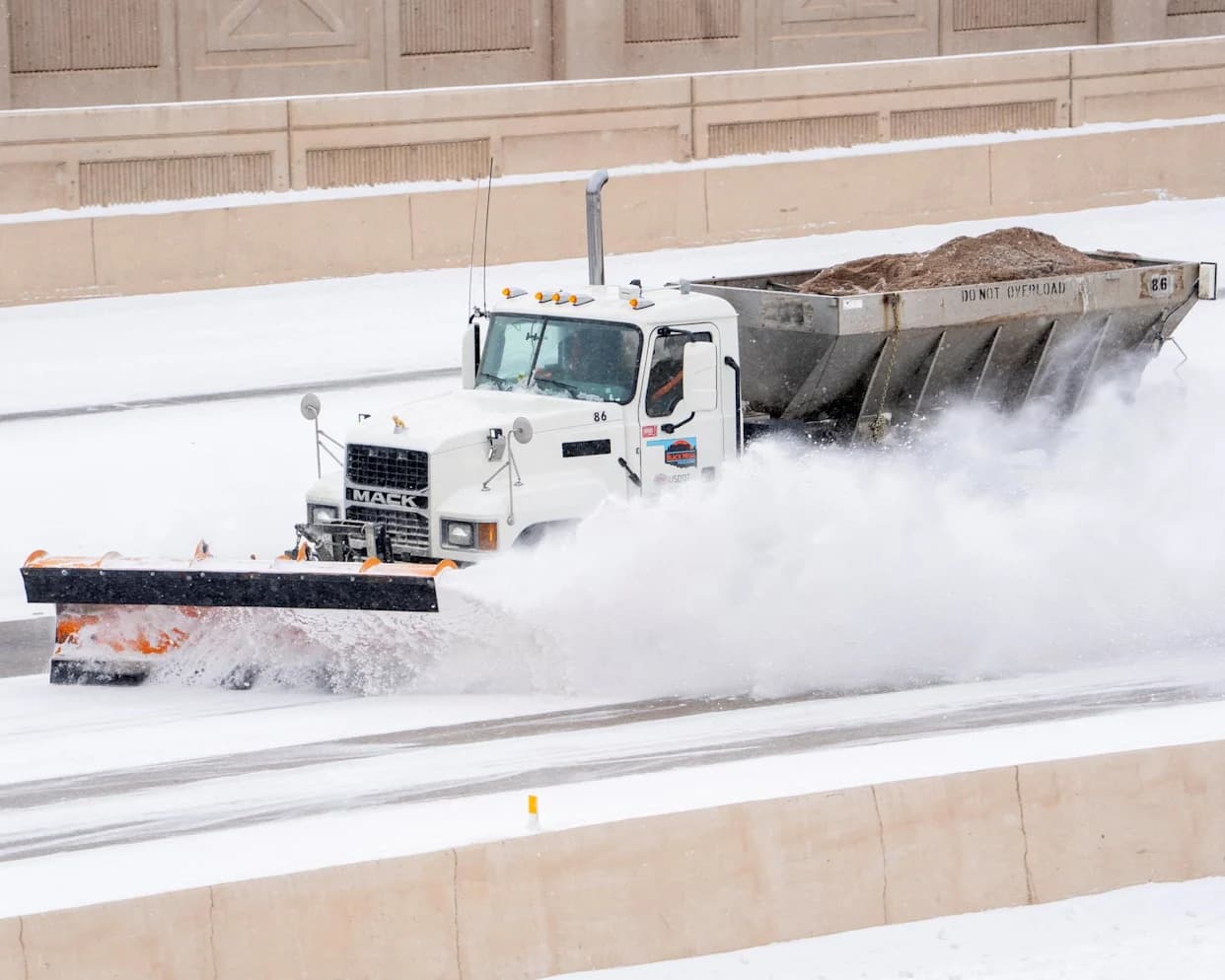
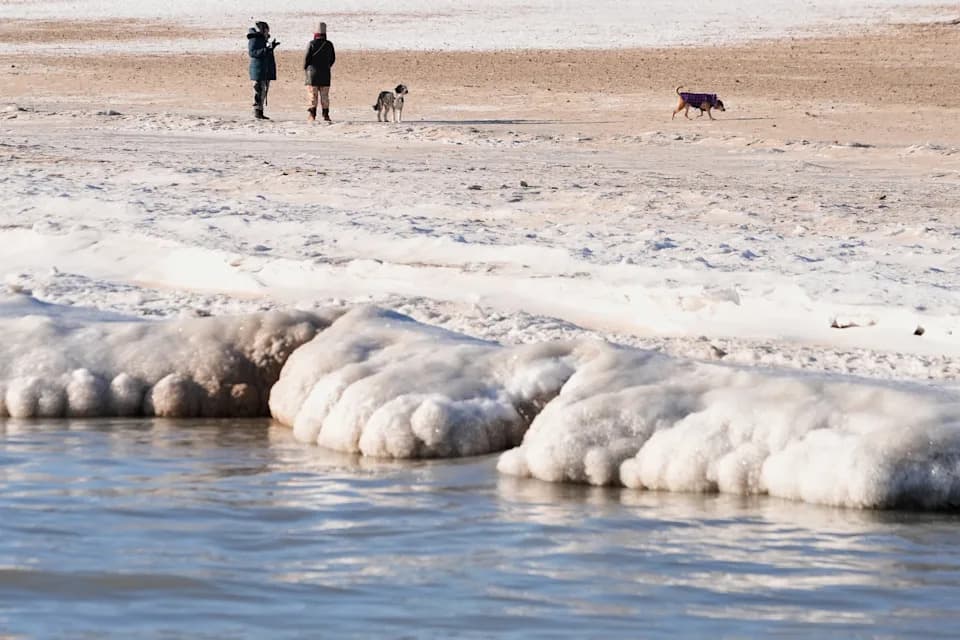
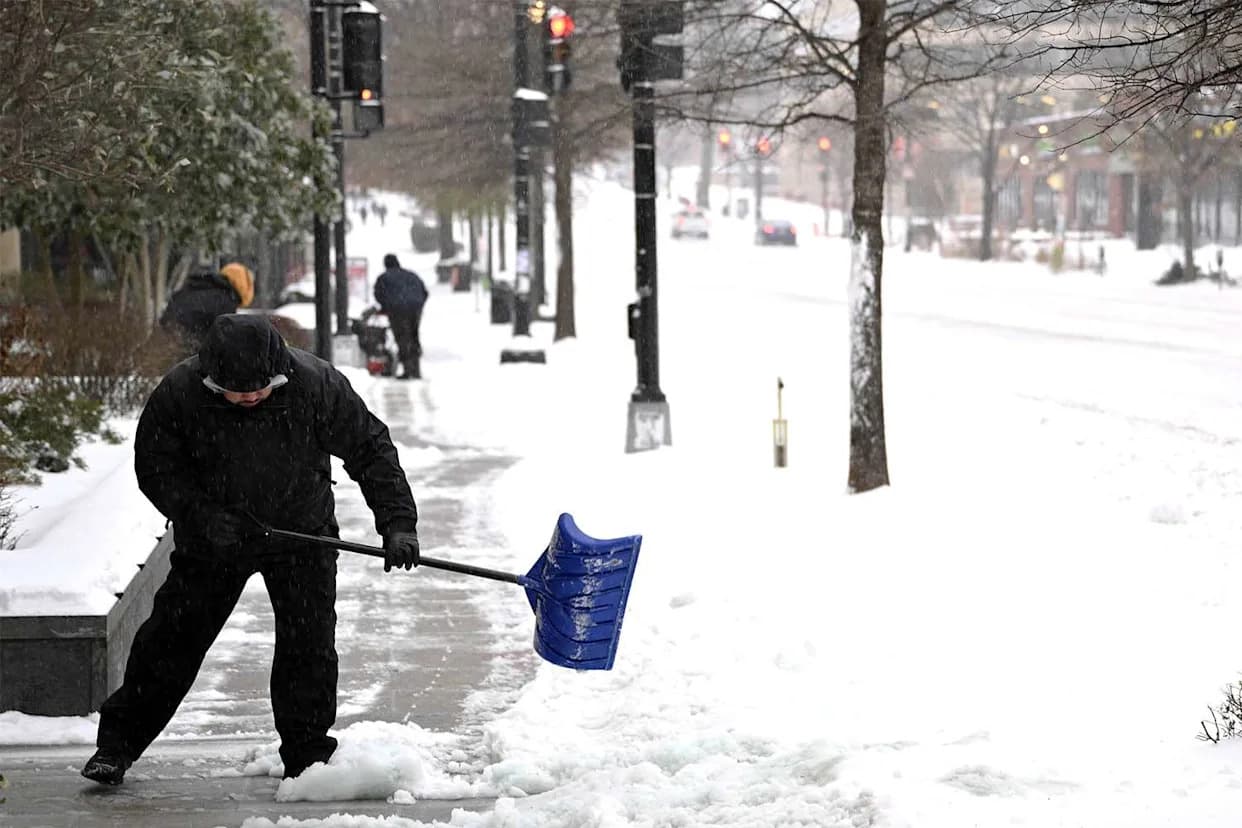
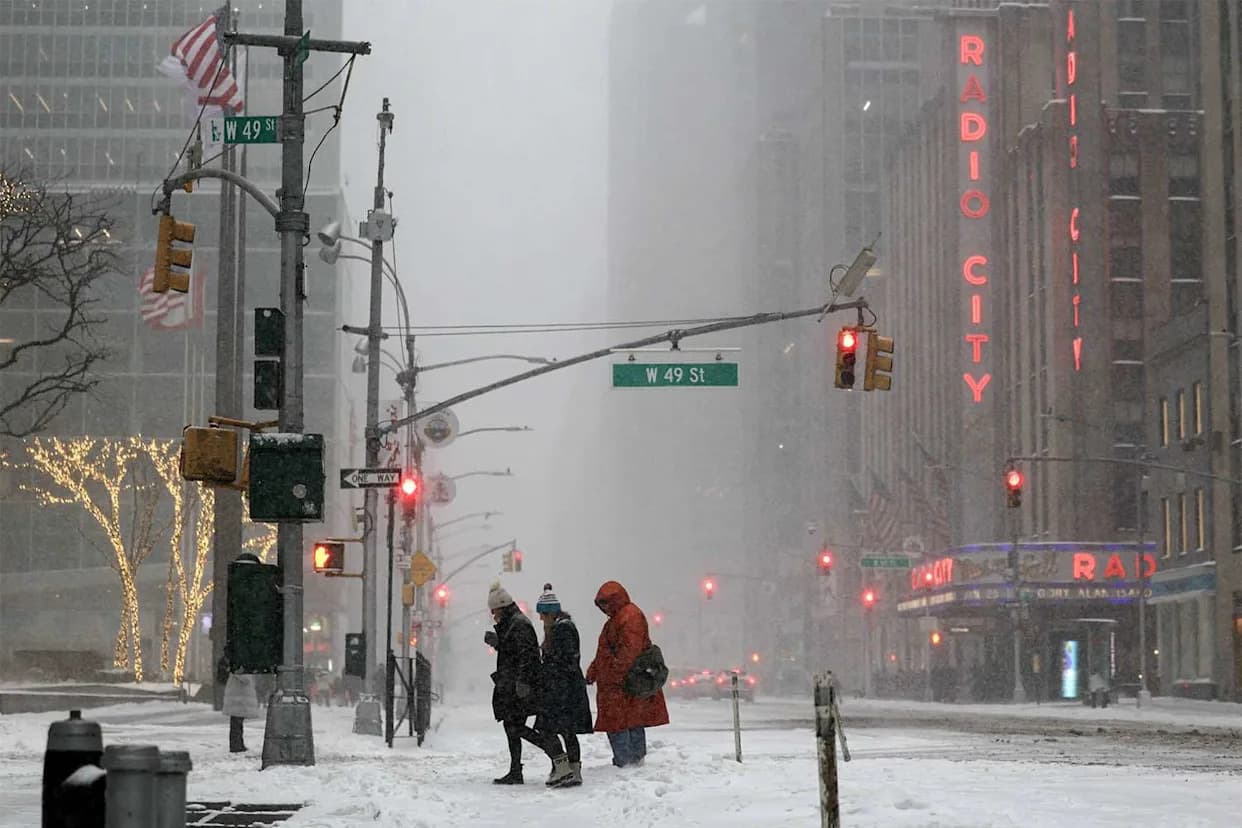
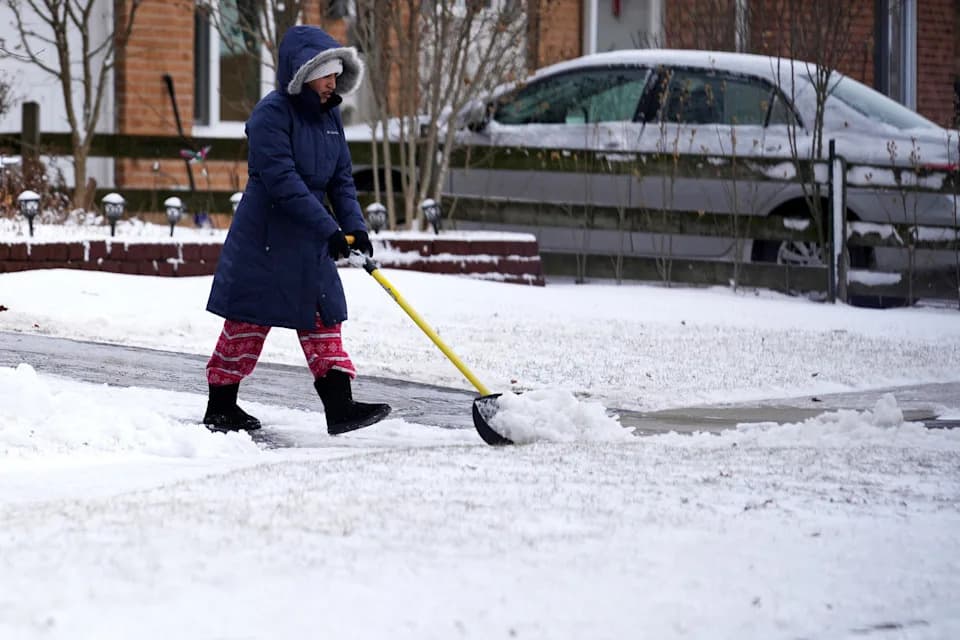
The U.S. faces life threatening cold following a major winter storm that has been linked to at least 23 deaths and widespread power outages. An Arctic air mass could keep much of the northern U.S. below freezing through February 1, hampering recovery from New Mexico to Maine. Southern states unaccustomed to severe winter weather were hit hard, prompting states of emergency and the opening of warming centers for affected residents.
Extreme Cold Grips Millions As U.S. Scrambles To Recover After Deadly Snowstorm
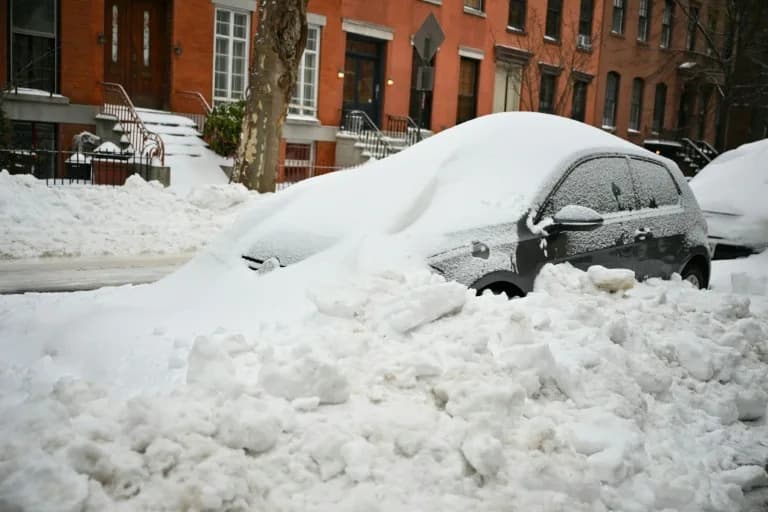
A car in Brooklyn, New York is plowed in with snow a day after a winter storm swept across the nation (ANGELA WEISS)(ANGELA WEISS/AFP/AFP)
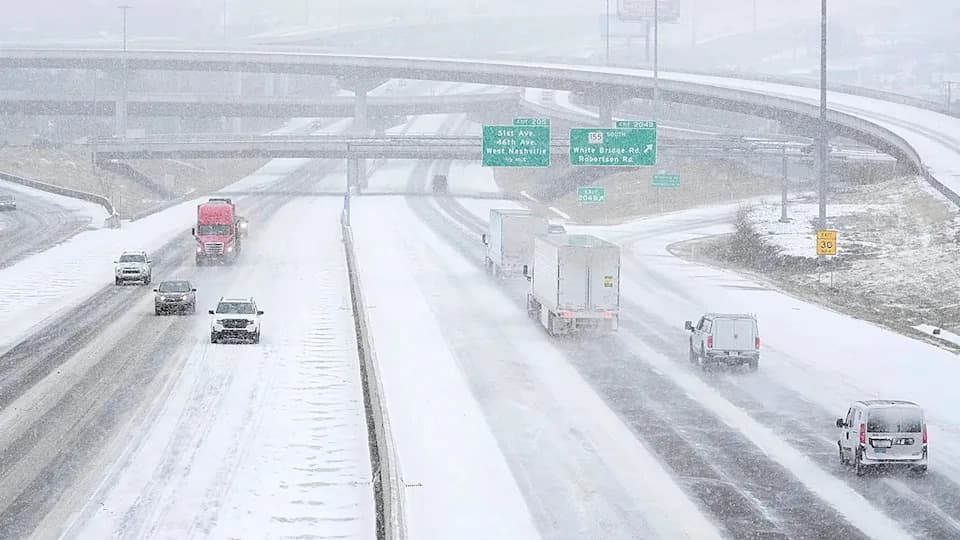
Perilously cold temperatures continued to threaten millions of Americans as communities dug out from a widespread winter storm that has been linked to at least 23 deaths and disrupted power and travel across large swaths of the country.
Storm Overview and Human Toll
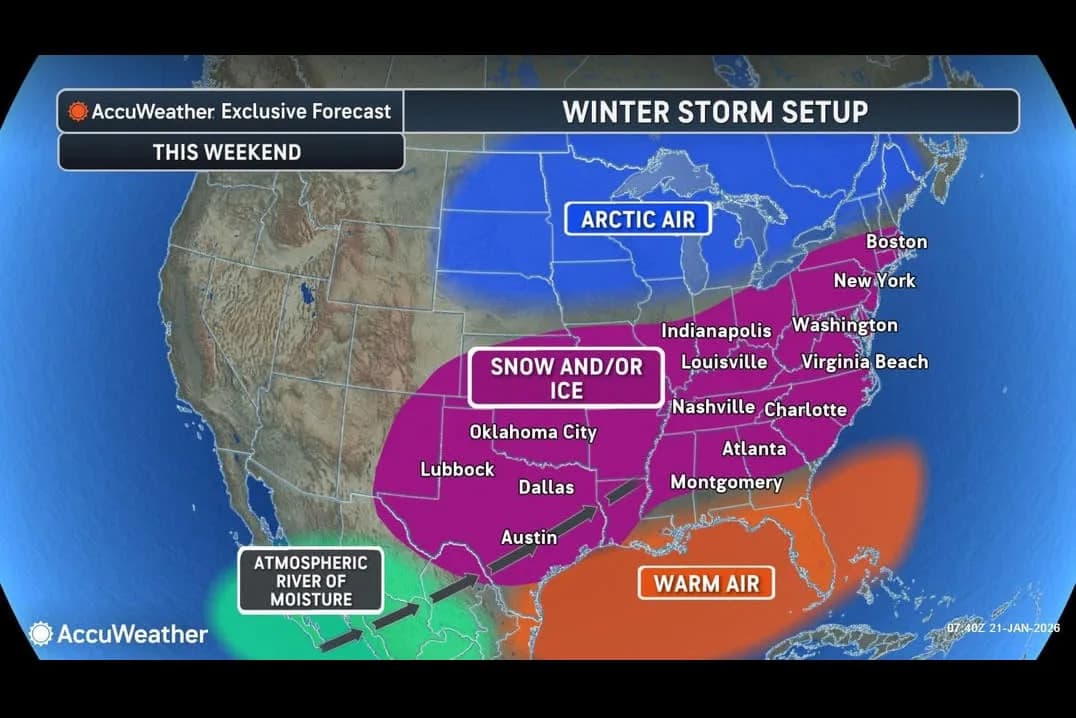
An Arctic air mass moved in behind the system, creating life threatening conditions and slowing recovery efforts from New Mexico to Maine. Officials and local media compiled reports attributing at least 23 fatalities to causes including hypothermia and accidents related to traffic, sledding, all terrain vehicles and snowplows. In one case a man was found unresponsive in the snow with a shovel in his hand.
Snow, Power Outages And Cold
Parts of the Northeast received heavy snowfall: some areas of Connecticut saw more than 22 inches, and Boston recorded over 16 inches. New Mexico's Bonito Lake reported the highest weekend total in the US with 31 inches. Across the South and other hard hit regions, infrastructure failures left more than 550,000 customers without power as of Monday evening, according to Poweroutage.com.
Dangerous Temperatures
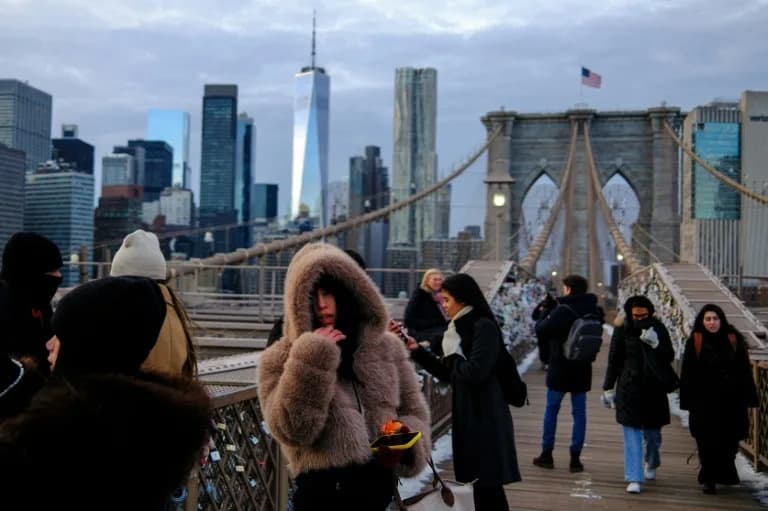
The National Weather Service placed roughly 190 million people under some form of extreme cold alert. Early Monday readings in parts of Minnesota and Wisconsin dropped to about -23 F, with wind chills that make exposed skin vulnerable to frostbite in minutes. Forecasters warned that much of the northern half of the country could remain continuously below freezing through February 1, complicating cleanup and recovery.
Local Impacts And Responses
Southern states unaccustomed to severe winter weather, including Tennessee, Texas, Mississippi and Louisiana, reported widespread outages and damage. Nashville officials said ice-laden trees continued to fall, sometimes snapping power lines even after service had been restored. At least 20 states and the District of Columbia declared states of emergency to mobilize resources, and many cities opened emergency warming centers for residents without heat.
Why The Storm Was So Widespread
Meteorologists linked the event to a stretched polar vortex, an elongated region of Arctic low pressure that can funnel frigid air far south. The storm produced very dry, fluffy snow that wind could easily blow, reducing visibility and making clearing operations more difficult. Scientists note that disruptions to the polar vortex may be occurring more frequently, and while some research suggests a connection to climate change, natural variability also plays a role and the topic remains under study.
National Weather Service meteorologists warned that the combination of widespread outages, heavy snow and record low temperatures creates dangerous conditions for recovery crews and residents.
Local officials urged residents to avoid travel when possible, check on vulnerable neighbors, and use warming centers and other emergency resources if they have lost heat or power.
bur-mdo/dw/sla/jgc
Help us improve.