U.S. officials said they may use force to ensure Hamas disarms after the return of the last hostage remains from Gaza. Diplomatic talks with Israel, Egypt, Qatar, Turkey and others are underway to coordinate disarmament, build a local Palestinian police force and deploy an International Stabilization Force. Israel has warned reconstruction will not begin until Hamas surrenders its weapons, and the Rafah crossing is set to open for pedestrian traffic this week to facilitate aid delivery.
U.S. Says Hamas Must Disarm — May Use Force If It Refuses; International Plan to Secure Gaza Underway
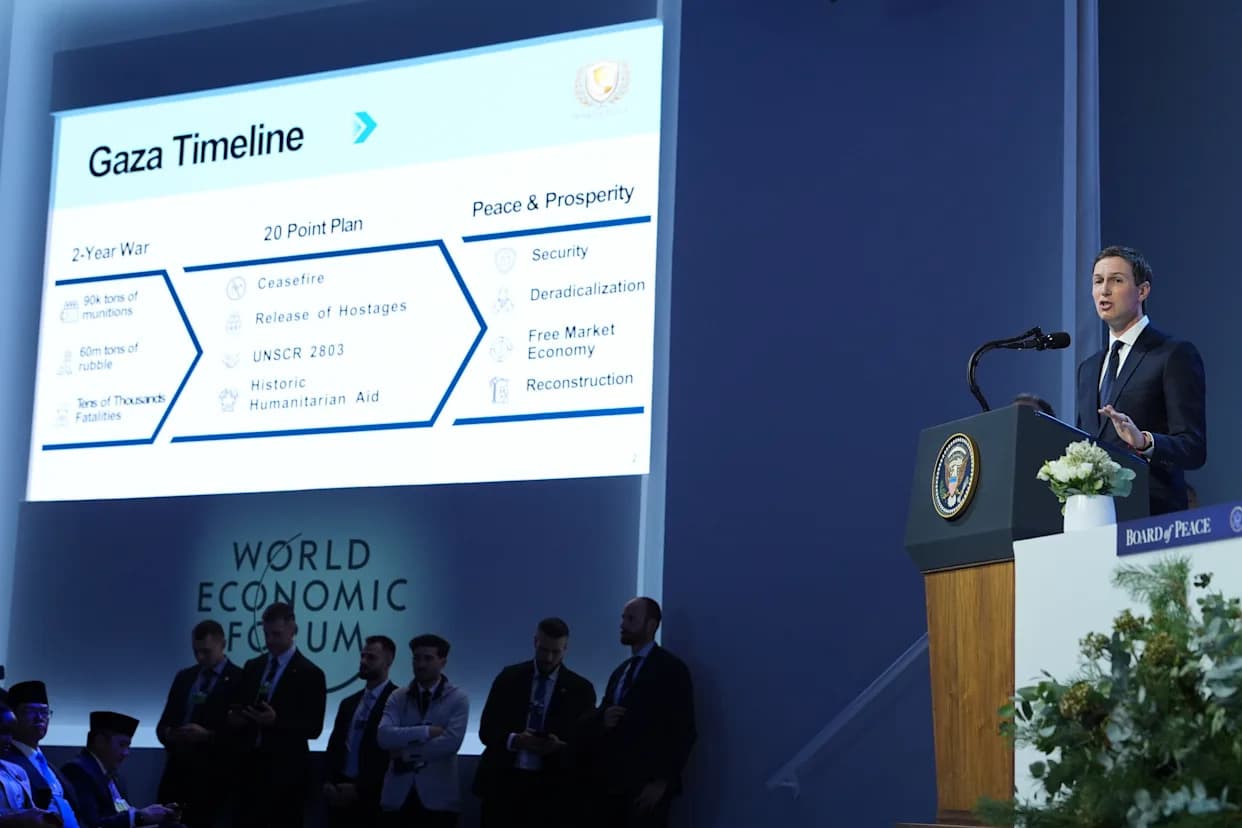
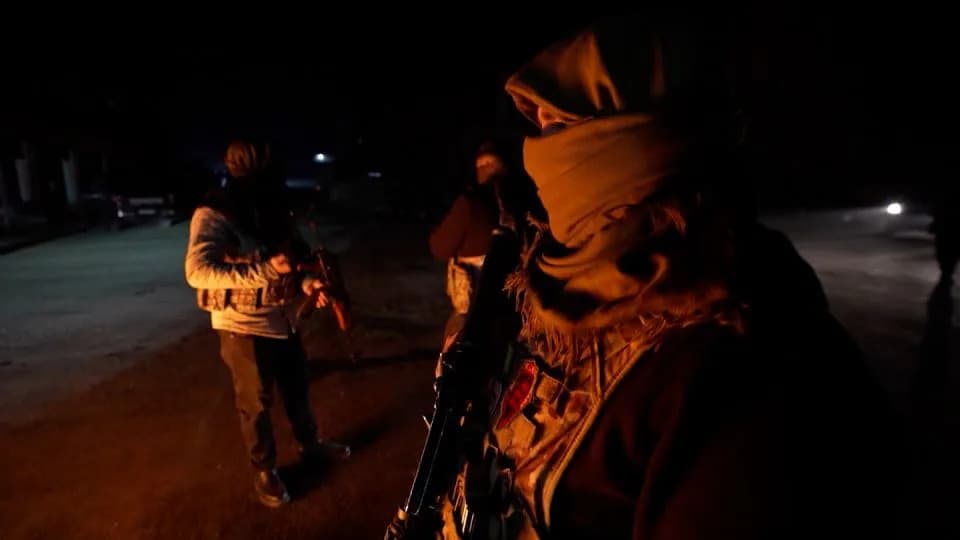
The U.S. signaled Monday that it could use military force to compel Hamas to disarm or to enable Israel to do so before major reconstruction of the Gaza Strip proceeds. The announcement follows the return of the remains of the last known hostage from Gaza, Ran Gvili.
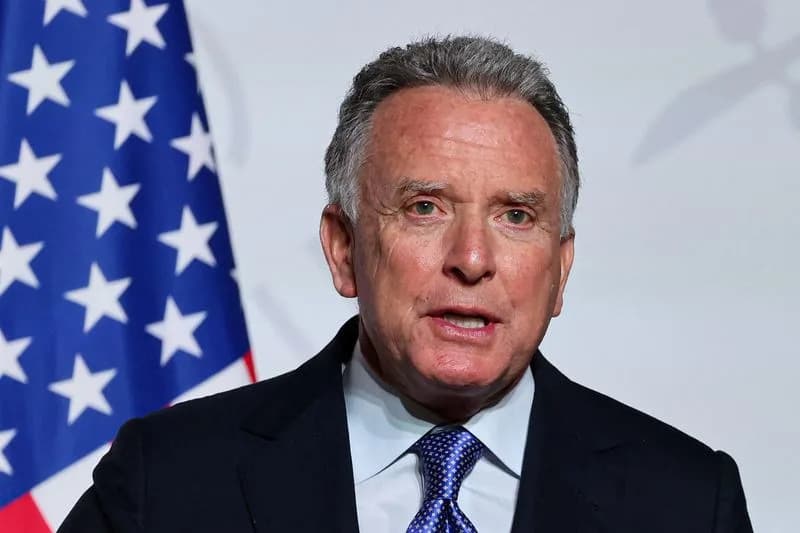
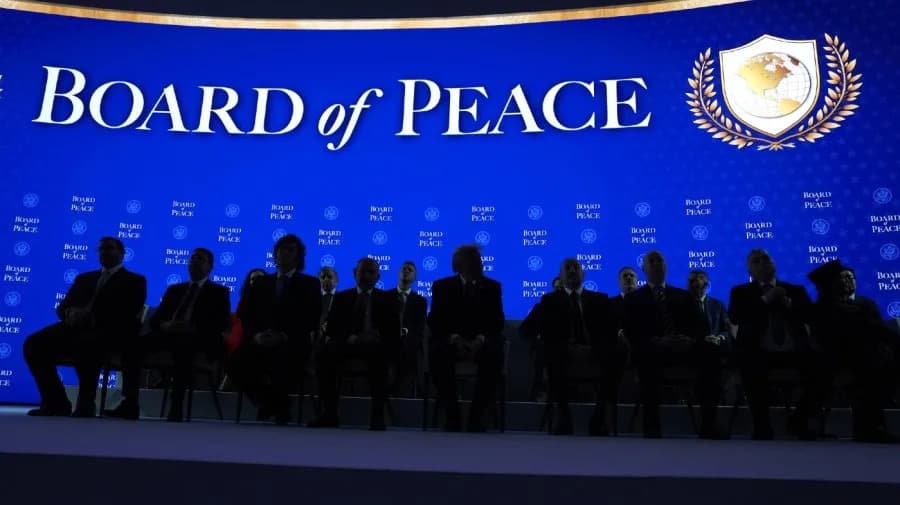
U.S. officials, speaking on the condition of anonymity because the discussions are sensitive, said the administration has opened talks with Israel, Egypt, Qatar, Turkey and other partners about a plan aimed at disarming Hamas. Those officials said an executive board of a so-called "Board of Peace," convened by President Donald Trump and including representatives from the countries involved (and possibly Saudi Arabia), would help coordinate the effort, though few operational details have been released.
What U.S. Officials Say
One U.S. official told reporters, "Hamas signed an agreement — they don't have a choice, and so that's what we are going to work on to make happen. And if they decide to play games, then obviously President Trump will take other actions." A second official said the administration "expects" Hamas to disarm and is engaging with Hamas leaders about a "very good program" to accomplish that outcome.
Officials also said Washington is working to build local Palestinian security capacity. "We are building a local Palestinian police force that can start policing themselves," a U.S. official said. In addition, the administration is moving to establish an International Stabilization Force to help secure Gaza as authority transitions away from Hamas.
Israeli Response
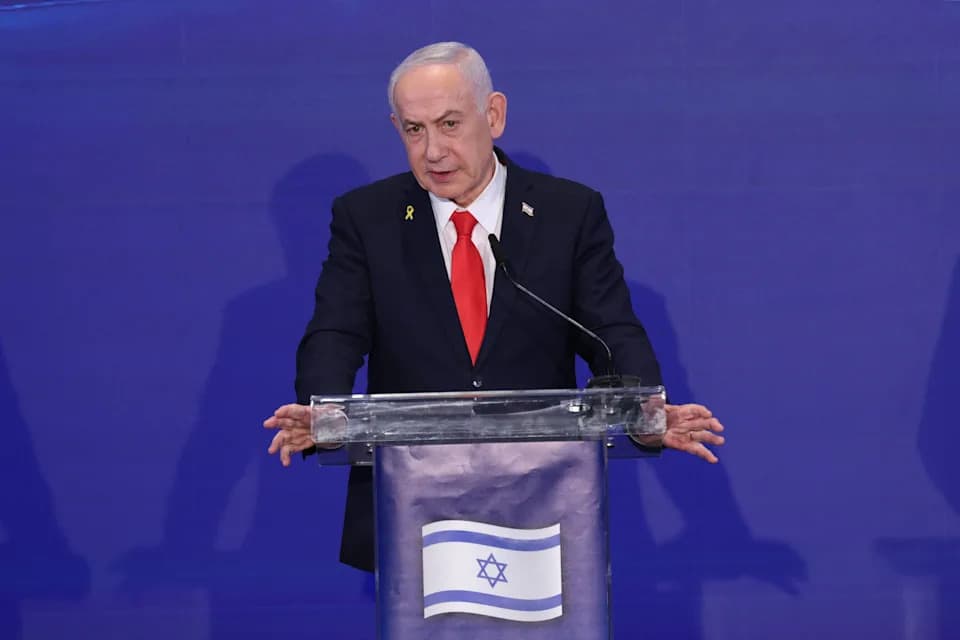
Speaking in the Knesset, Israeli Prime Minister Benjamin Netanyahu echoed the stance and warned Israel would use force if Hamas refused to give up its weapons. "It will happen the easy way, or the hard way," he said.
Ceasefire Milestone And Next Steps
The return of Ran Gvili's remains marks a milestone for the ceasefire process: for the first time since 2014, there are no hostages or hostage remains in Gaza. Returning all hostages — living and dead — was the final precondition for advancing to the ceasefire's second phase, which envisions beginning reconstruction once security arrangements are in place.
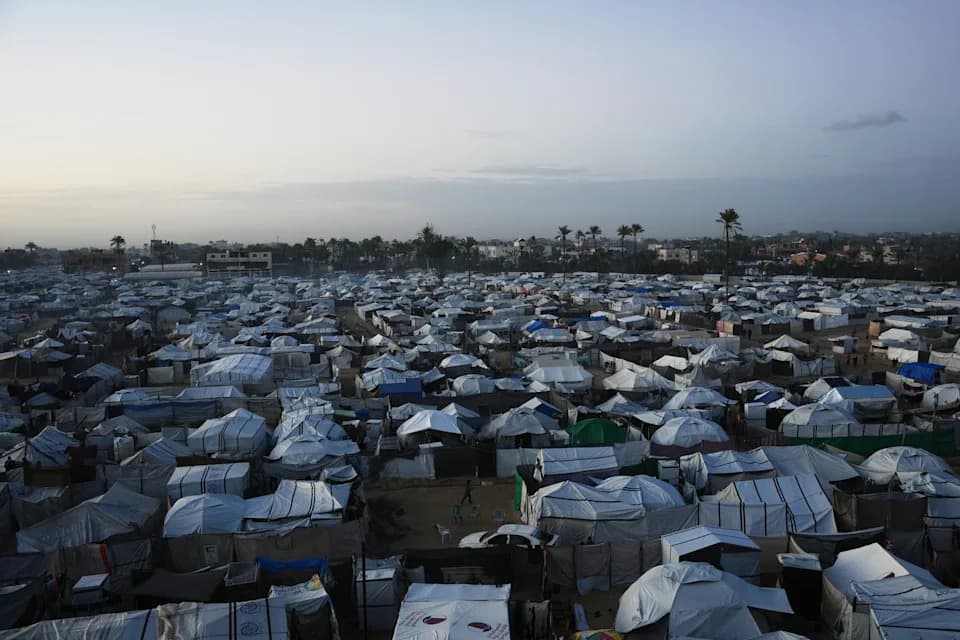
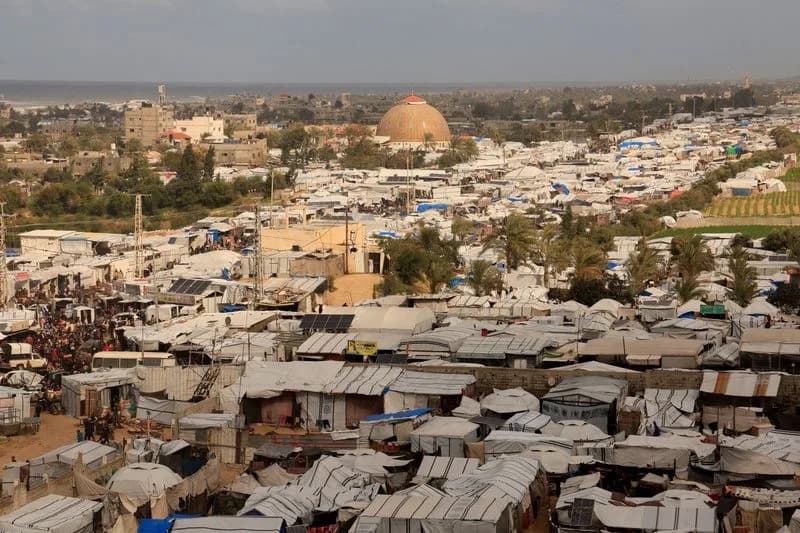
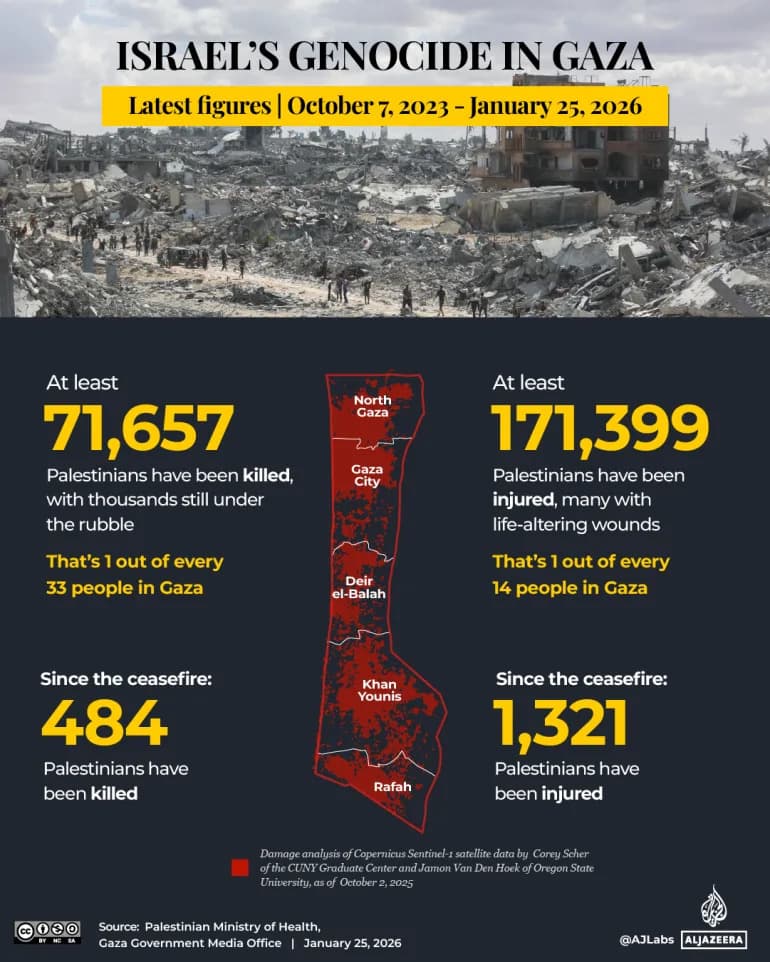
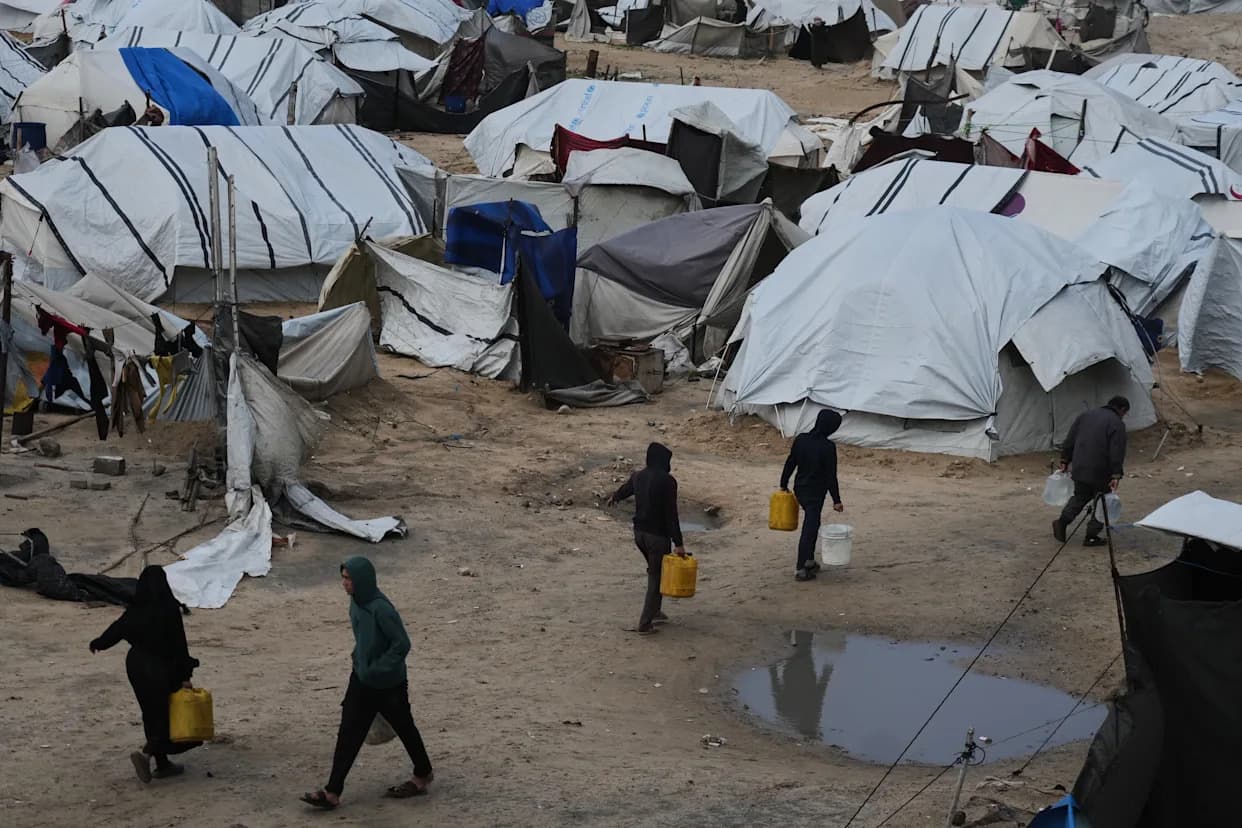
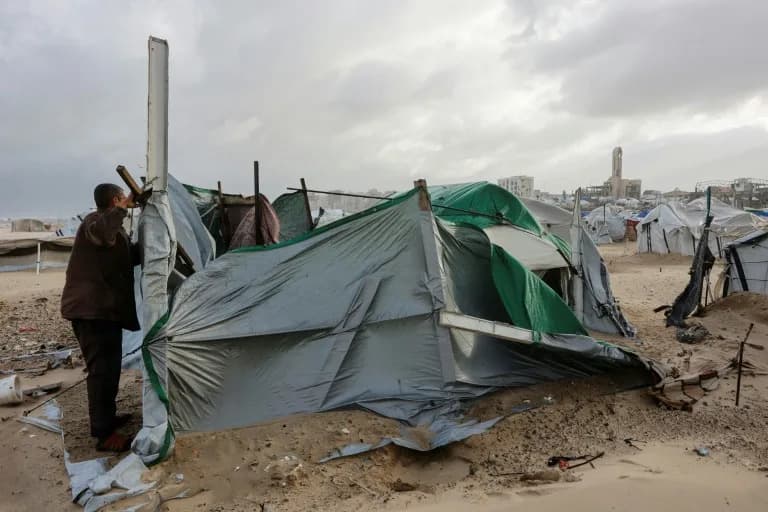
U.S. officials emphasized that major obstacles remain. Israel currently controls roughly half of the Gaza Strip, while much of Gaza's population lives on the Hamas-held west side of a so-called "yellow line" established under the ceasefire. The U.S. has named a National Committee for the Administration of Gaza, but it is unclear how that body will assume authority on the ground.
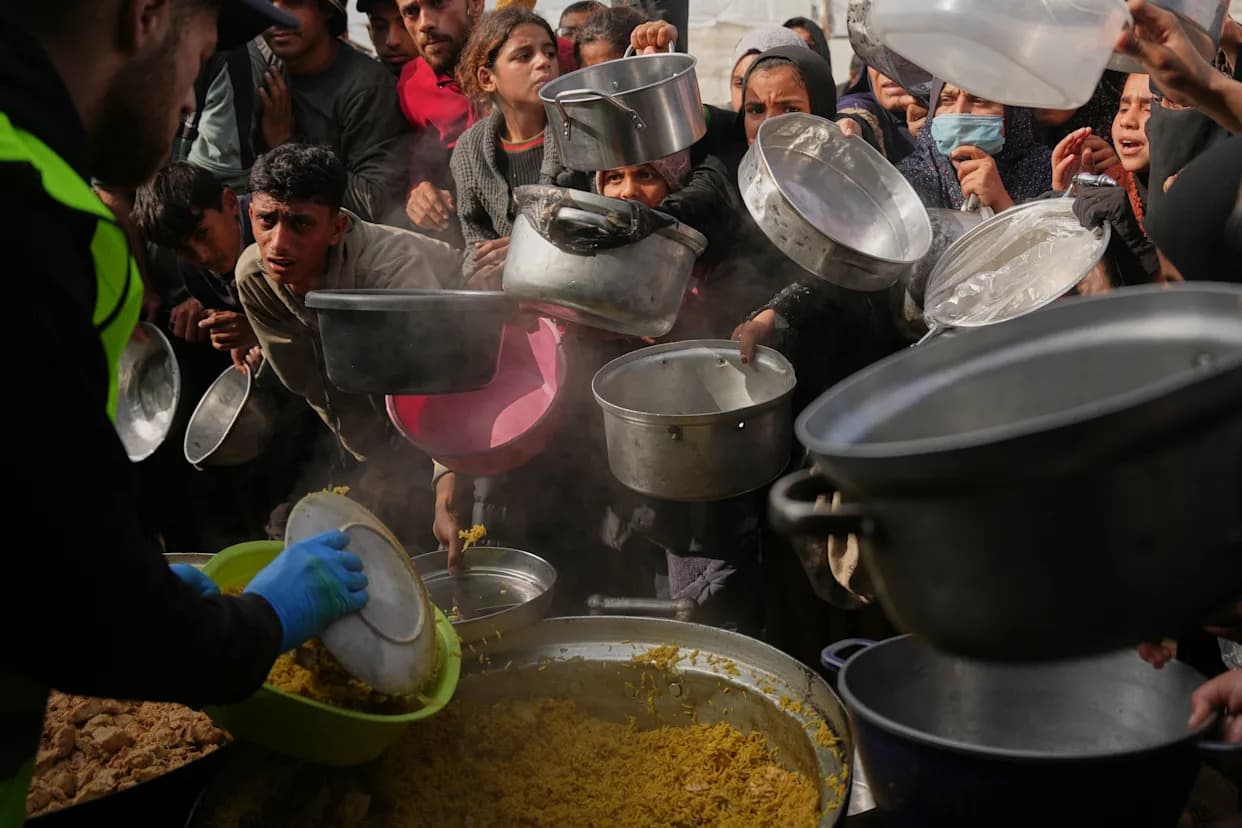
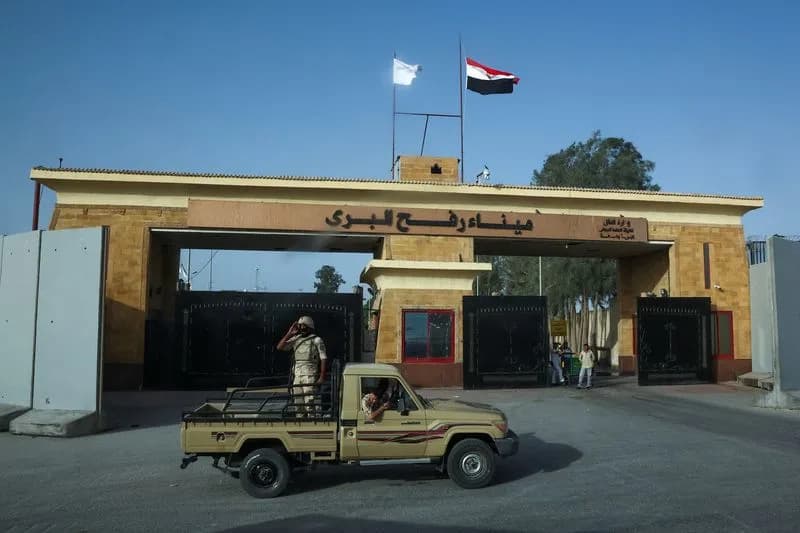
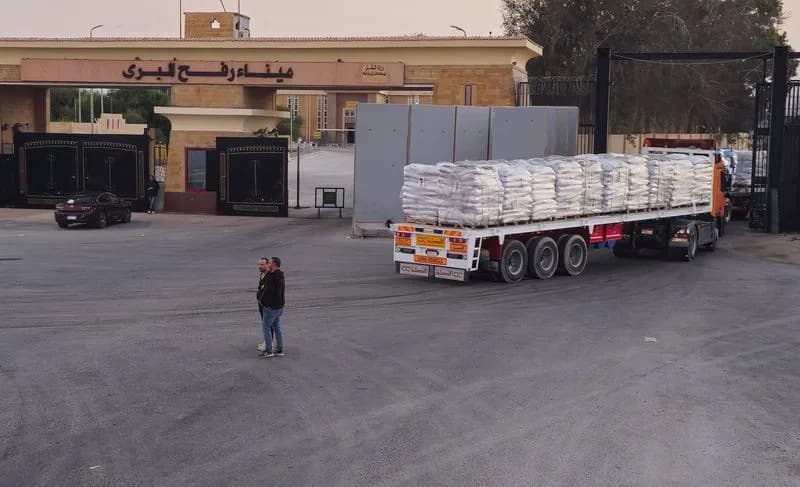
Officials also said the Rafah border crossing with Egypt is due to open later this week for pedestrian traffic, and Washington is discussing ways to move aid and goods through the crossing as reconstruction planning continues.
"We have a good track record now on achieving impossible things," one U.S. official said when pressed about how the administration will overcome the many challenges ahead.
Help us improve.