An AP investigation found Bangladeshi men who traveled to Russia for civilian jobs were deceived and coerced into fighting in Ukraine. Survivors and families provided visas, military contracts, medical and police records that corroborate the deception and abuse. Bangladeshi investigators and aid groups uncovered recruitment networks involving multiple intermediaries; authorities in Moscow and Dhaka did not respond to AP’s questions.
AP Investigation: Bangladeshi Migrant Workers Lured To Russia, Coerced Into Fighting In Ukraine
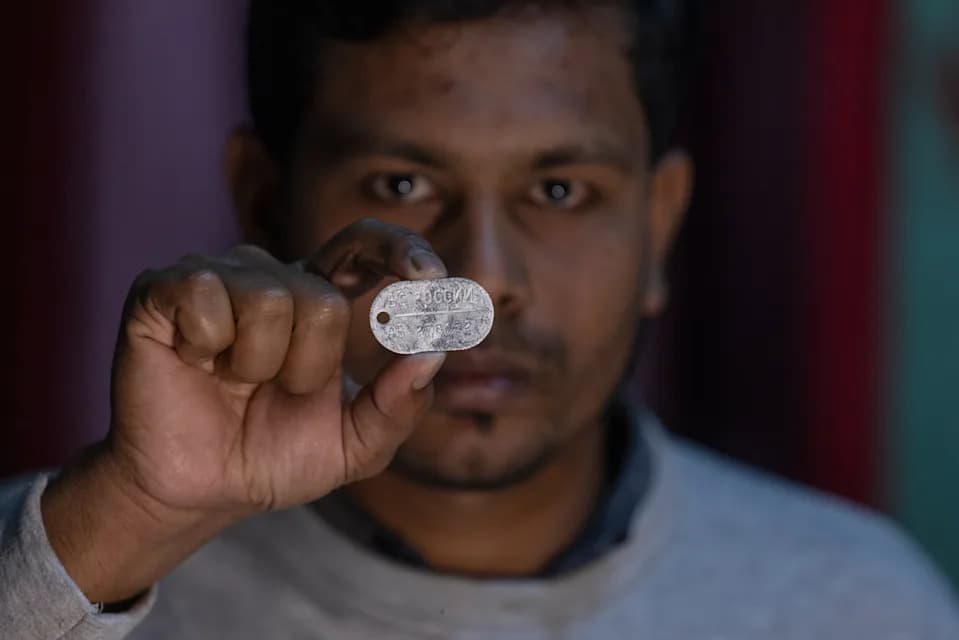
Maksudur Rahman, 31, who escaped after fighting for the Russian army, shows a Russian military dog tag during an interview with The Associated Press in Lakshmipur, Bangladesh, Dec. 10, 2025. (AP Photo/Rajib Dhar)(ASSOCIATED PRESS)
An Associated Press investigation found that Bangladeshi men who traveled to Russia expecting civilian jobs were deceived and forced into combat roles in Russia’s war in Ukraine. Survivors, families and documents reviewed by AP describe recruiters promising ordinary work — then delivering recruits into military service under threats of violence, imprisonment or death.
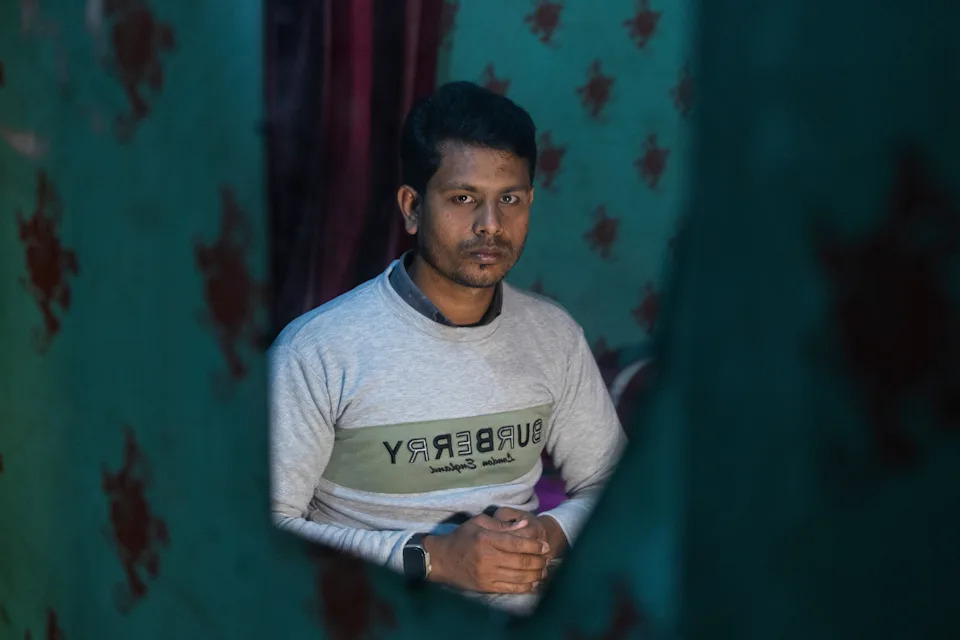
Maksudur Rahman, 31, who escaped after fighting for the Russian army, poses during an interview with the Associated Press in Lakshmipur, Bangladesh, Dec. 10, 2025. (AP Photo/Rajib Dhar)(ASSOCIATED PRESS)
How Workers Were Recruited And Deceived
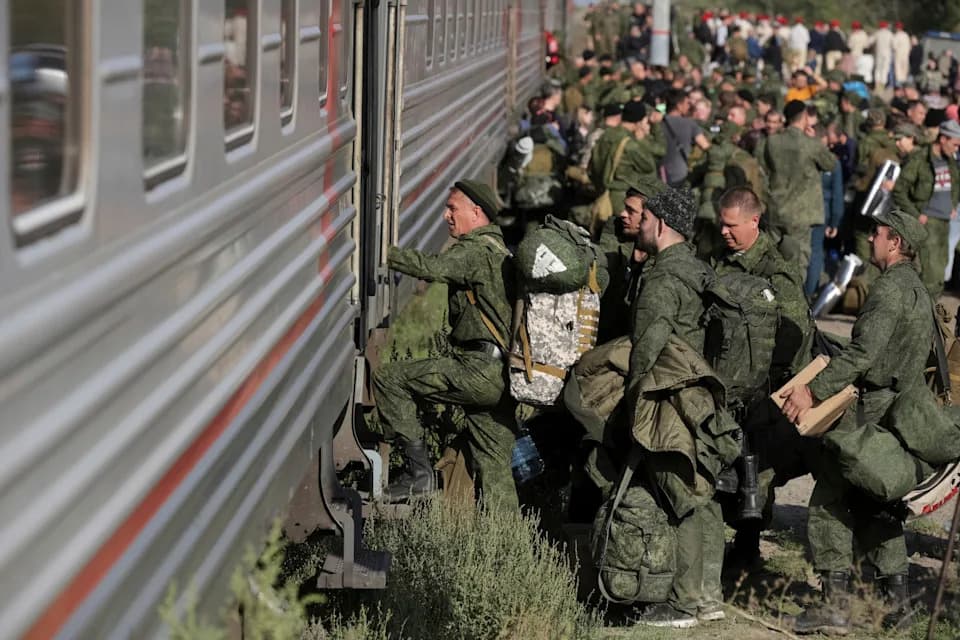
Labor brokers in Bangladesh advertised posts such as janitors, electricians, chefs and laundry attendants, promising pay of $1,000–$1,500 a month and possible residency. Men paid large broker fees — in one case 1.2 million Bangladeshi taka (about $9,800) — then flew to Moscow. On arrival many were presented with documents in Russian that they believed were civilian employment contracts; after signing, they were sent to military facilities and issued weapons.

Mohan Miajee, 29, who escaped after fighting for the Russian army, shows his Russian military dog tag in Munshiganj, Bangladesh, Dec. 9, 2025. (AP Photo/Rajib Dhar)(ASSOCIATED PRESS)
Training, Coercion And Front-Line Duties
Survivors described brief military training in weapons handling, drone operations and medical evacuation, followed by deployment to forward positions. They said they were forced to dig defensive positions, carry supplies, evacuate wounded soldiers and recover the dead. Several recounted beatings, threats of 10-year prison terms and explicit warnings that they had been "bought" by Russian units. One escapee, Maksudur Rahman of Lakshmipur, said he and others were sent ahead of Russian troops and left exposed to drone and missile attacks.
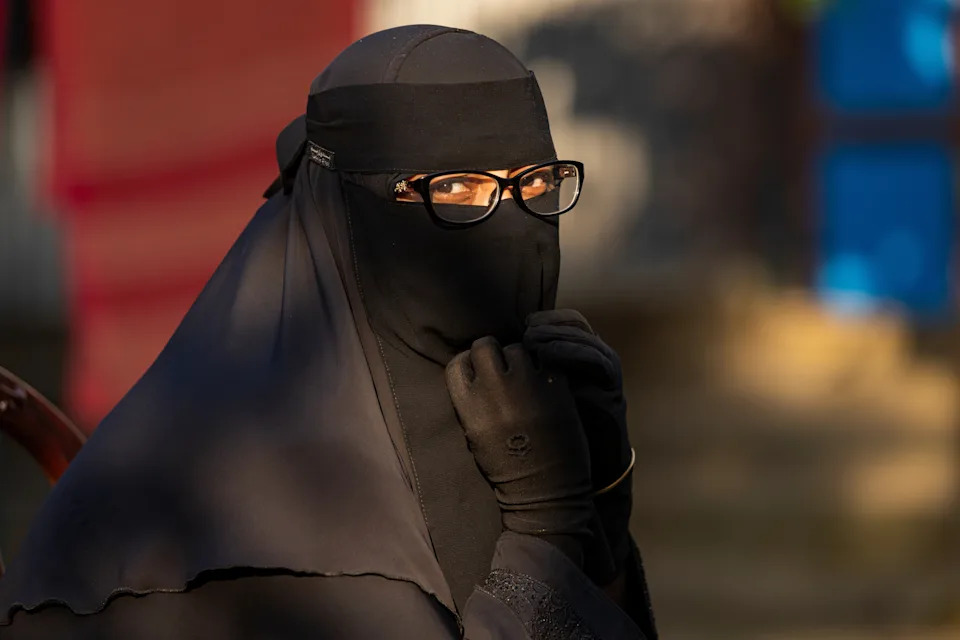
Salma Akdar, 28, who has not heard from her husband Ajgar Hussein, 40, for months, sits after speaking to the Associated Press, in Lakshmipur, Bangladesh, Dec. 10, 2025. (AP Photo/Rajib Dhar)(ASSOCIATED PRESS)
Personal Accounts And Human Cost
The AP spoke with three Bangladeshi men who escaped Russian military service and with families of at least three missing men. One father, Mohammed Siraj, said his 20-year-old son Sajjad went to Russia to work as a chef and later was told he had been killed in a drone strike. Another relative, Salma Akdar, said her husband Ajgar Hussein called to say he had been "sold to the Russian army" and urged her to pray. Many families sold land or took loans to pay recruitment fees.
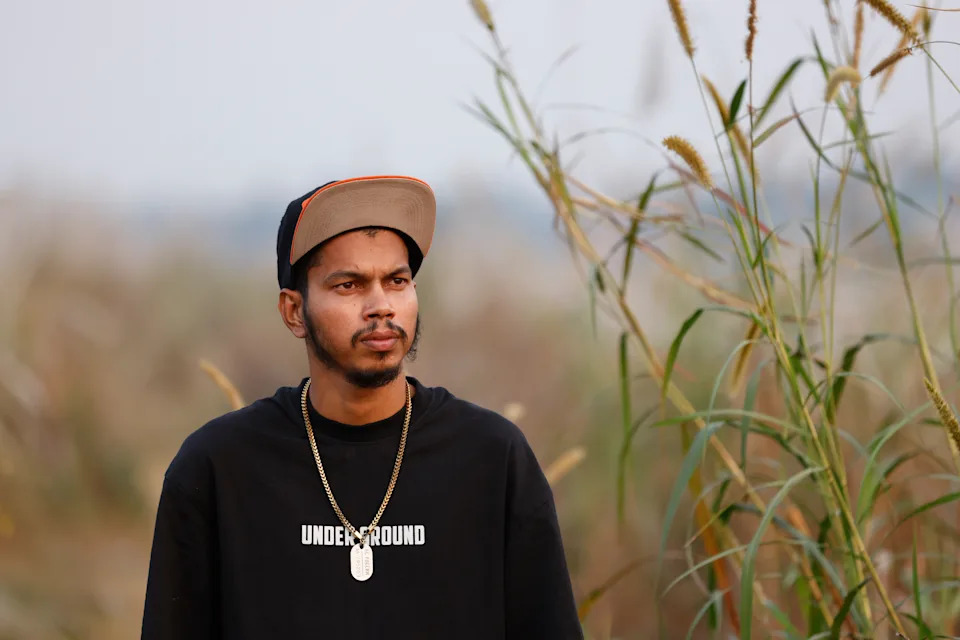
Mohan Miajee, 29, who escaped after fighting for the Russian army, poses for a portrait in Munshiganj, Bangladesh, Dec. 9, 2025. (AP Photo/Rajib Dhar)(ASSOCIATED PRESS)
Evidence Corroborating The Accounts
AP reviewed travel documents, Russian military contracts, medical records, police reports and photographs that corroborate elements of the survivors’ accounts. Two Russian groups that help men evade or exit military service verified the contracts; one lists Maj. Vladimir Yaltsev, head of the Kostroma regional recruitment center for contract service, as a signatory.
Investigations And Recruitment Networks
Bangladeshi police and humanitarian groups, including BRAC, opened inquiries after families reported losing contact. Investigators uncovered trafficking networks involving multiple intermediary layers — local agents in Bangladesh, a central recruiter reportedly connected to a Moscow-based intermediary, and contacts tied to Russian recruitment channels. Police said one Bangladeshi middleman with Russian citizenship has been charged, and investigators identified at least 10 missing men and linked additional cases. One investigator estimated about 40 Bangladeshis may have been killed, though the exact number remains unclear.
Responses And Outstanding Questions
The AP sought comment from the Russian Defense Ministry, the Russian Foreign Ministry and Bangladesh’s government; none responded to a list of questions. Survivors say some recruits went voluntarily despite knowing the risks because offered pay was high, while others were deceived and coerced.
Why This Matters
The investigation highlights the growing risks for vulnerable migrant workers who rely on overseas employment to support families. It raises broader concerns about human trafficking, illicit recruitment practices and the use of foreign recruits in armed conflict. Families continue to press Bangladeshi authorities for answers and the safe return of missing relatives.
Note: Reporting included interviews with survivors and relatives in Bangladesh, review of documents and contributions from AP reporter Julhas Alam in Dhaka.
Help us improve.