The Trump administration, via a letter from Pam Bondi, has conditioned a heavy federal law‑enforcement presence in Minneapolis on Minnesota sharing voter rolls and Medicaid/SNAP records and repealing sanctuary policies. Bondi cited a long‑running welfare fraud scandal as justification, and Vice President J.D. Vance has said benefits data could be used for immigration enforcement. The move comes as tensions rose after federal agents fatally shot Alex Pretti and raises concerns about DOJ politicization and legal challenges ahead of the midterms.
Trump Administration Tied Voter And Benefits Data Requests To Minneapolis Deployment — What Happened
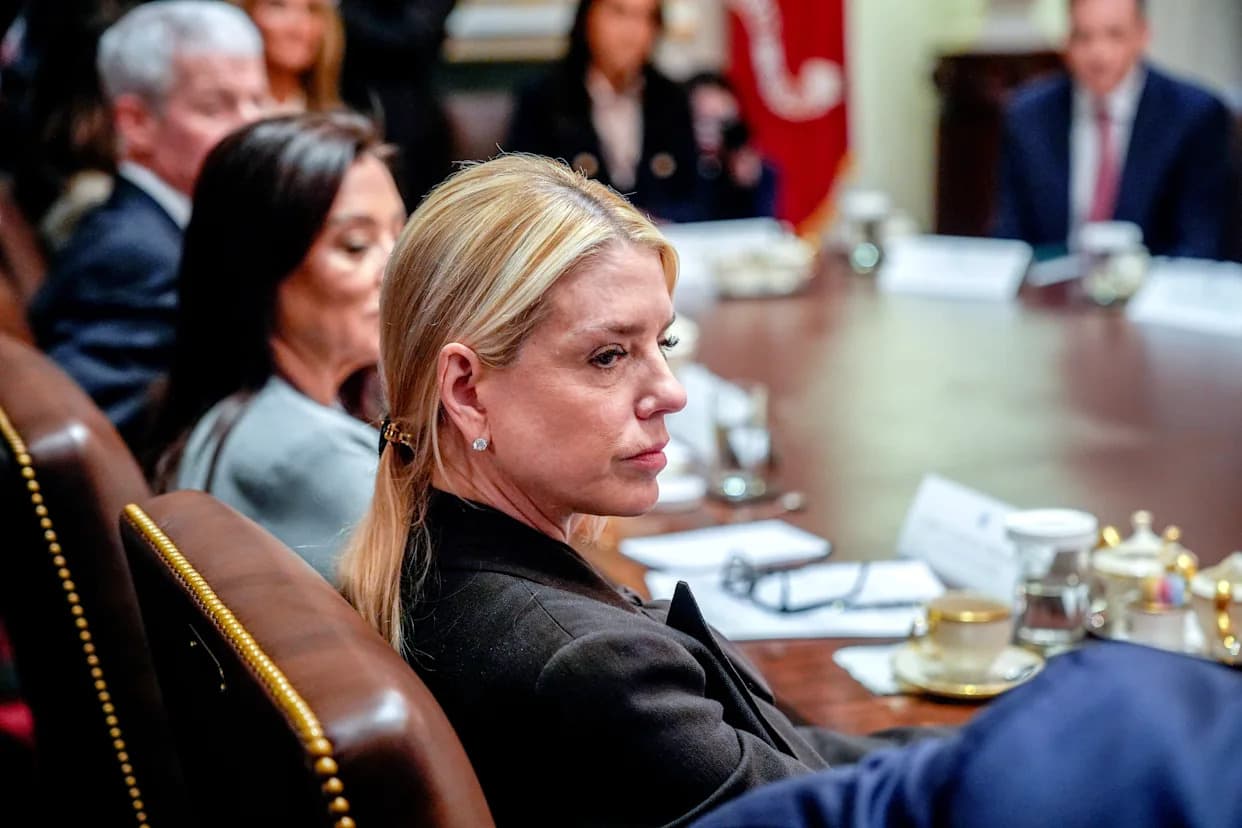
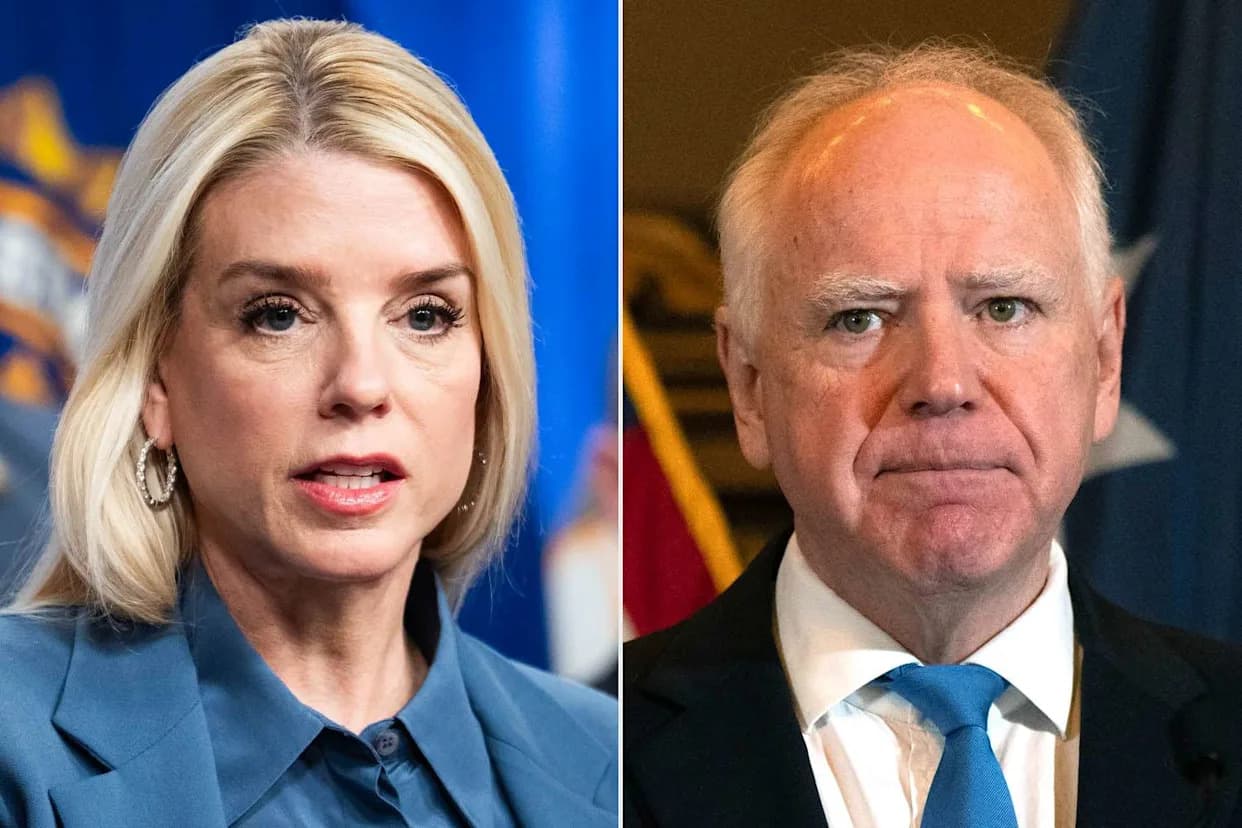
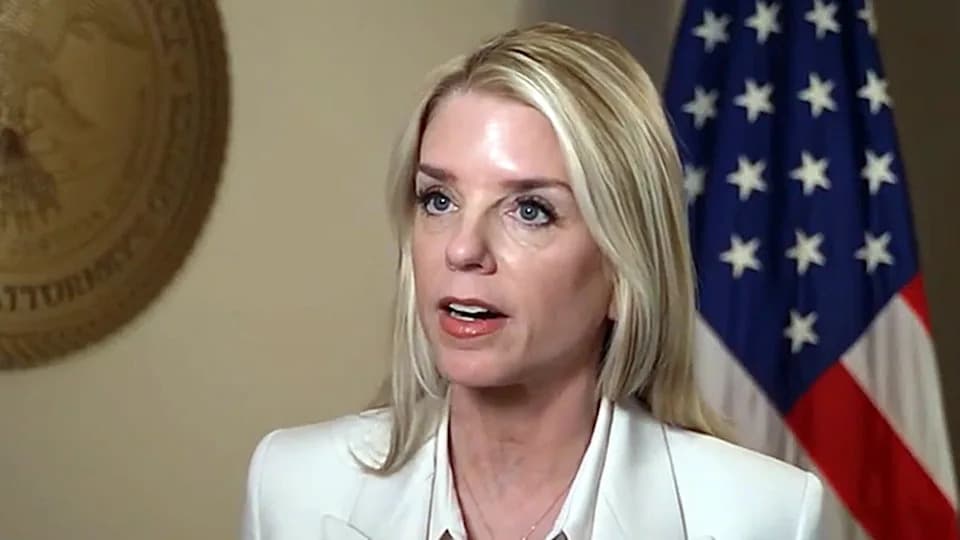
Attorney General Pam Bondi is seen at a Cabinet meeting at the White House on December 2, 2025. | Yuri Gripas/CNP/Bloomberg via Getty Images
The Trump administration, through a letter from former Florida Attorney General Pam Bondi, has linked the ongoing federal law-enforcement presence in Minneapolis to Minnesota’s willingness to share voter rolls and benefits data and to roll back state "sanctuary" policies.
What Bondi Requested
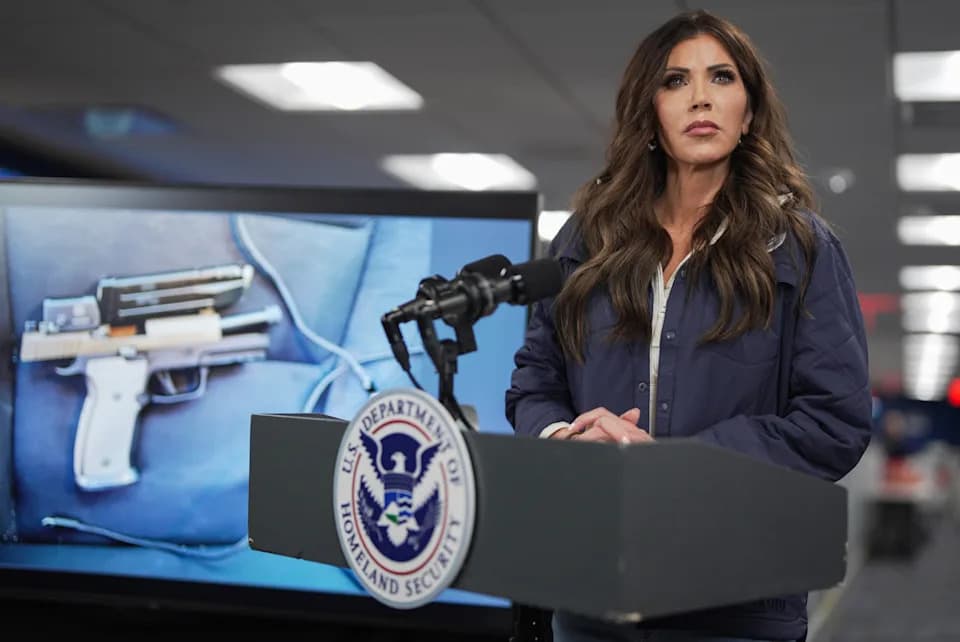
In a Saturday letter to Gov. Tim Walz, Bondi framed several “common sense solutions” to “bring an end to the chaos in Minnesota.” She asked the state to provide access to its voter registration lists as well as Medicaid and SNAP (food-assistance) records, and to repeal state-level sanctuary policies. Bondi tied those requests to what she described as “out of control fraud,” referencing a long-running welfare fraud investigation in the state.
Why Officials Are Alarmed
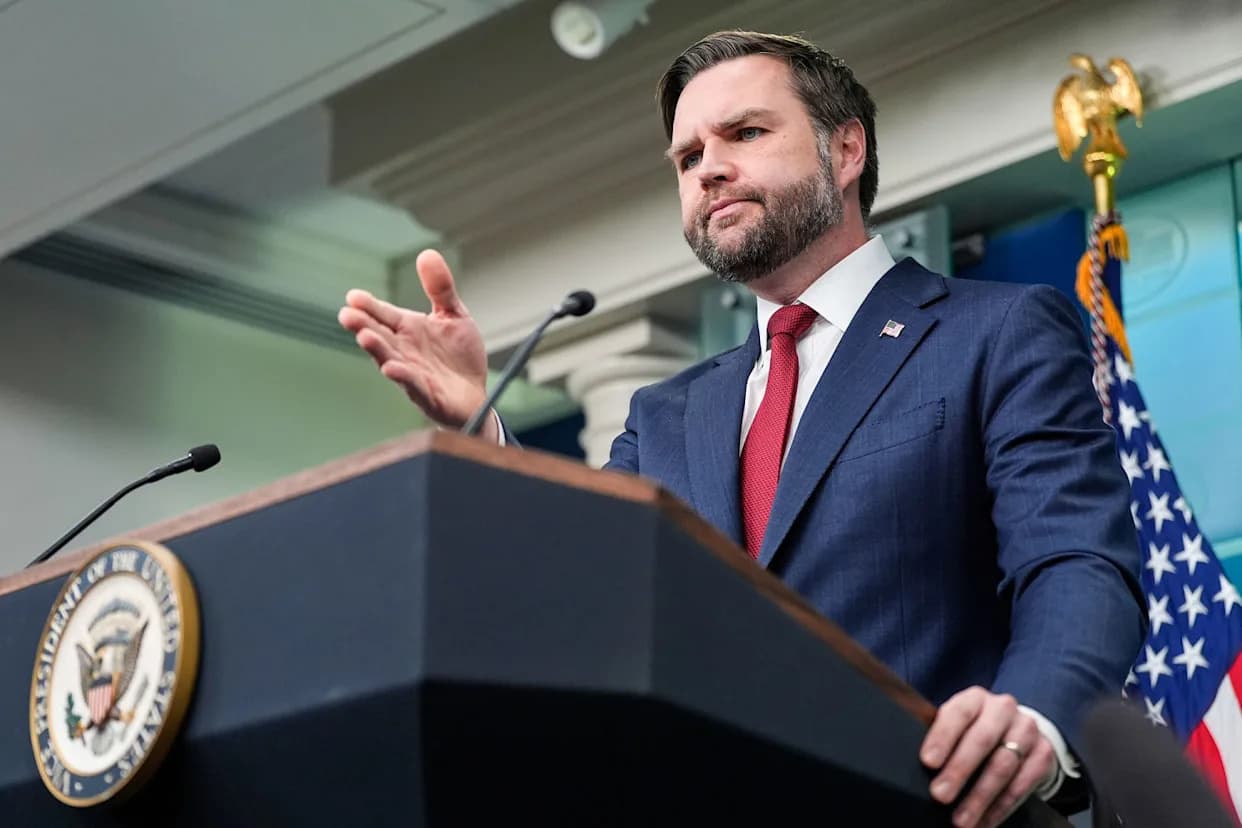
Minnesota officials say the demands amount to a political quid pro quo: a reduced federal presence in return for sensitive data and policy changes. Vice President J.D. Vance has also said the administration seeks access to Medicaid and SNAP data for immigration-enforcement purposes, raising privacy and civil‑liberties concerns.
“Though I’m not necessarily predicting direct federal interference with elections, I am planning for it,” Minnesota Secretary of State Steve Simon told The New York Times, signaling election officials’ worries about sharing voter information.
Escalating Tensions In Minneapolis
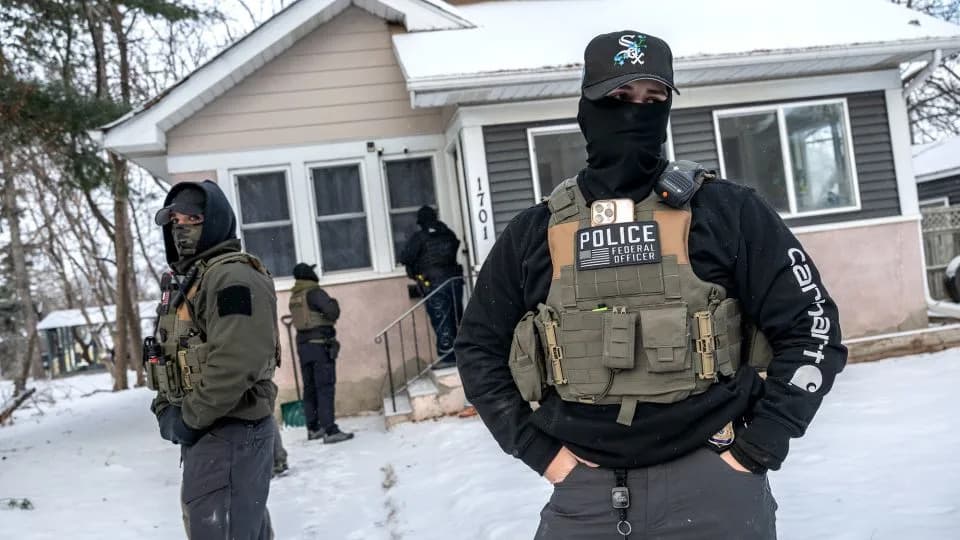
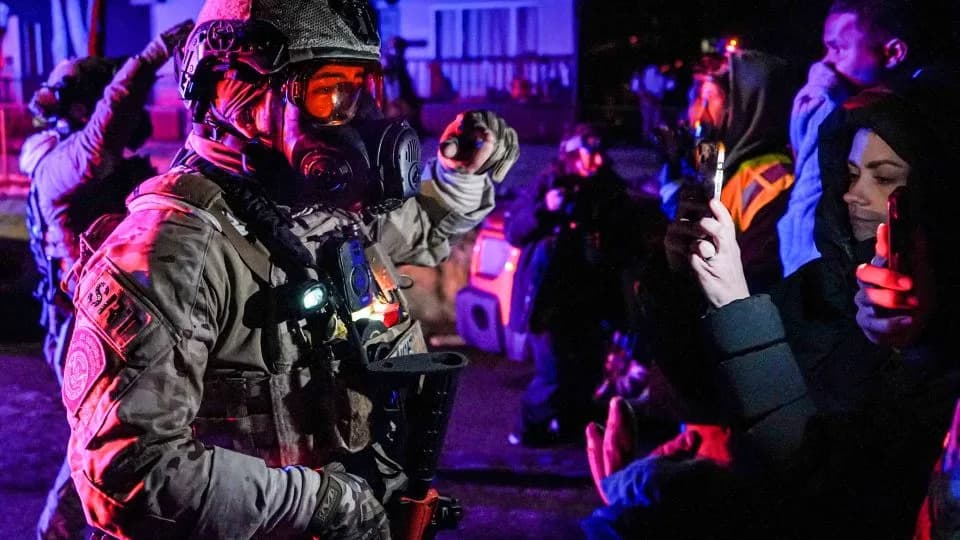
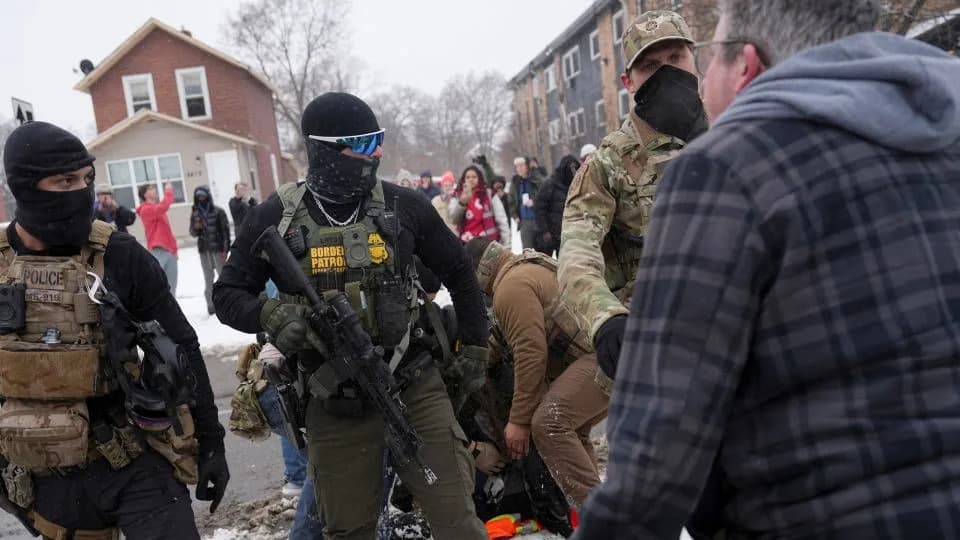
The letter arrived amid heightened local tensions after federal immigration agents fatally shot Alex Pretti, a 37‑year‑old U.S. citizen, following an encounter Minneapolis authorities say involved force and restraints. Pretti’s death intensified scrutiny of the federal deployment, which local leaders and residents have described as increasingly heavy-handed over several weeks.
Legal And Political Implications
Tying requests for voter and benefits data to the deployment of federal agents marks an escalation for the Department of Justice, which has previously used litigation to request voter rolls. Bondi’s apparent condition—trading data access and policy changes for a reduced federal footprint—could be seen as politicizing law enforcement and might have implications for upcoming elections.
In federal court, Judge Kate Menendez questioned whether the administration might be “trying to achieve a goal through force that it can’t achieve through the courts,” suggesting the letter could complicate ongoing litigation over the federal presence in Minnesota.
As the legal fight continues, Minnesota officials and civil‑liberties advocates are raising concerns about privacy, election integrity, and the appropriate limits of federal enforcement in a state facing a complex mix of criminal, immigration, and welfare‑fraud issues.
Help us improve.