Researchers at Northeastern University found that some dissolvable medical electronics, including pressure sensors and photodetectors, can leave behind persistent residues such as the polymer PEDOT:PSS, which may last more than eight years and fragment into microplastics. The study warns that biodegradability alone does not guarantee environmental safety and calls for careful material evaluation. Follow-up work will measure polymer decomposition by tracking CO2 emissions under waste-like conditions.
Dissolvable Medical Devices May Leave Persistent Microplastics, Study Warns

Photo Credit: iStock
Researchers at Northeastern University report that some dissolvable medical electronics — designed to disappear after use — can leave behind persistent residues that may fragment into microplastics. The finding raises concerns about whether so-called biodegradable electronics are truly safe for the environment and public health.
Study Details
The team examined the degradation or biodegradation of transient medical electronics, focusing on two device types: pressure sensors and photodetectors intended to dissolve or partially dissolve at end-of-life. Rather than disappearing completely, several devices produced byproducts that remained in test conditions.
Key Findings
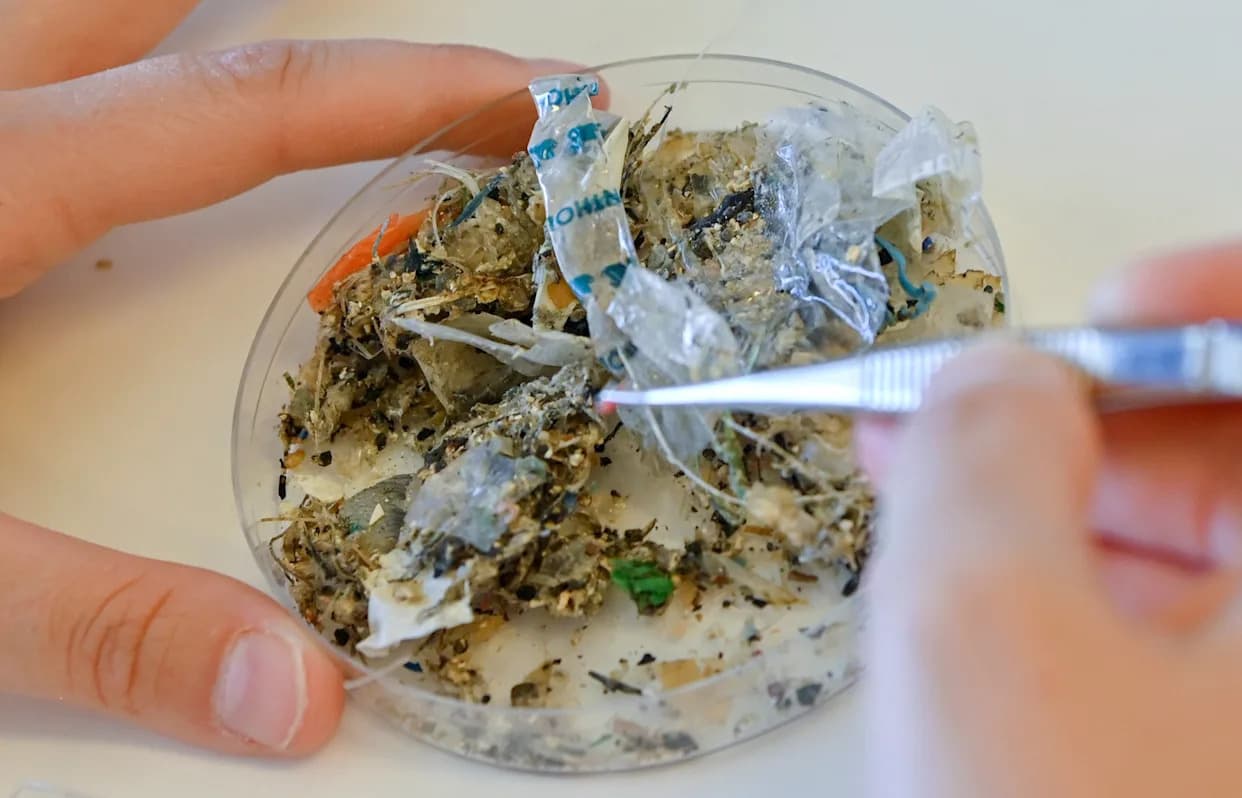
Investigators identified the conductive polymer PEDOT:PSS among the residues. According to the researchers, PEDOT:PSS may persist in the environment for more than eight years and could fragment into microplastic particles over time. The paper cautions that biodegradability alone is not a reliable indicator of environmental safety.
"The degradability or biodegradability of electronic devices alone is insufficient to ascertain environmental safety," the paper states. "You have to look at these materials carefully," said report author Ravinder Dahiya.
Dahiya emphasized the uncertainty surrounding discarded electronics in soil: some degradation processes may enrich soil, while others could cause long-term damage. That uncertainty is a central concern because microplastic contamination can affect ecosystems and human health.
Health and Environmental Implications
Studies have linked microplastic exposure to a range of potential health impacts across endocrine, renal, circulatory, digestive, immune, neurological, and reproductive systems. The researchers warn that residues from transient devices could add to these risks if they accumulate in waste sites or agricultural soils.
Next Steps and Broader Research
Northeastern plans follow-up studies to measure polymer decomposition rates by tracking carbon dioxide emissions from polymer-based transient devices under waste-like conditions. Globally, other teams are developing alternative approaches to transient electronics — for example, innovative battery concepts that use probiotic bacteria — as part of a push toward more eco-friendly materials and designs.
Practical Recommendations
In the short term, device designers should prioritize material choices and end-of-life behavior when creating biodegradable electronics. Individuals can also help reduce microplastic pollution by choosing alternative materials for single-use items, reducing driving where feasible, and buying used clothing to cut textile waste.
Bottom line: Dissolvable electronics show promise for reducing e-waste, but materials and degradation byproducts must be evaluated rigorously to ensure they do not create new environmental or health problems.
Help us improve.