Crime and public security are the dominant issues as Costa Ricans vote, with right-wing candidate Laura Fernandez leading polls by promising a Bukele-style crackdown on gangs and drug-related violence. Fernandez proposes tougher sentences, a maximum-security prison and temporary restrictions in conflict zones; supporters see decisive action, while critics warn of authoritarian risks. Polls place her well ahead and suggest she could win outright if she reaches the 40% threshold to avoid a runoff.
Crime Drives Costa Rica Vote — Right-Wing Front-Runner Pledges Bukele-Style Crackdown

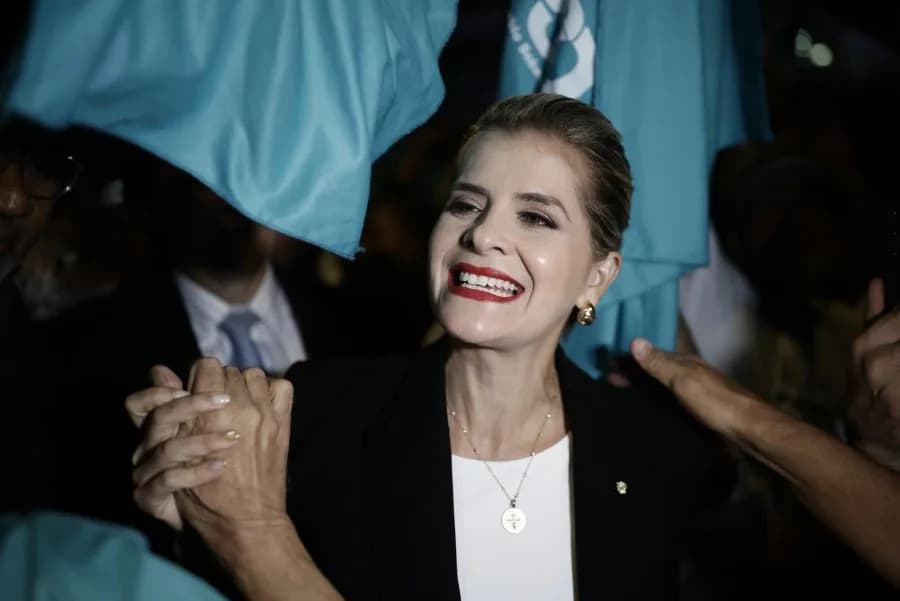
Rightwing politician Laura Fernandez is ahead in opinion polls for Costa Rica's presidential election (EZEQUIEL BECERRA)(EZEQUIEL BECERRA/AFP/AFP)
Voters in Costa Rica head to the polls on Sunday with crime and public security dominating the campaign. Right-wing candidate Laura Fernandez, 39, has surged in the polls by promising a hardline response to drug-related violence modeled on El Salvador’s approach under President Nayib Bukele.
Background
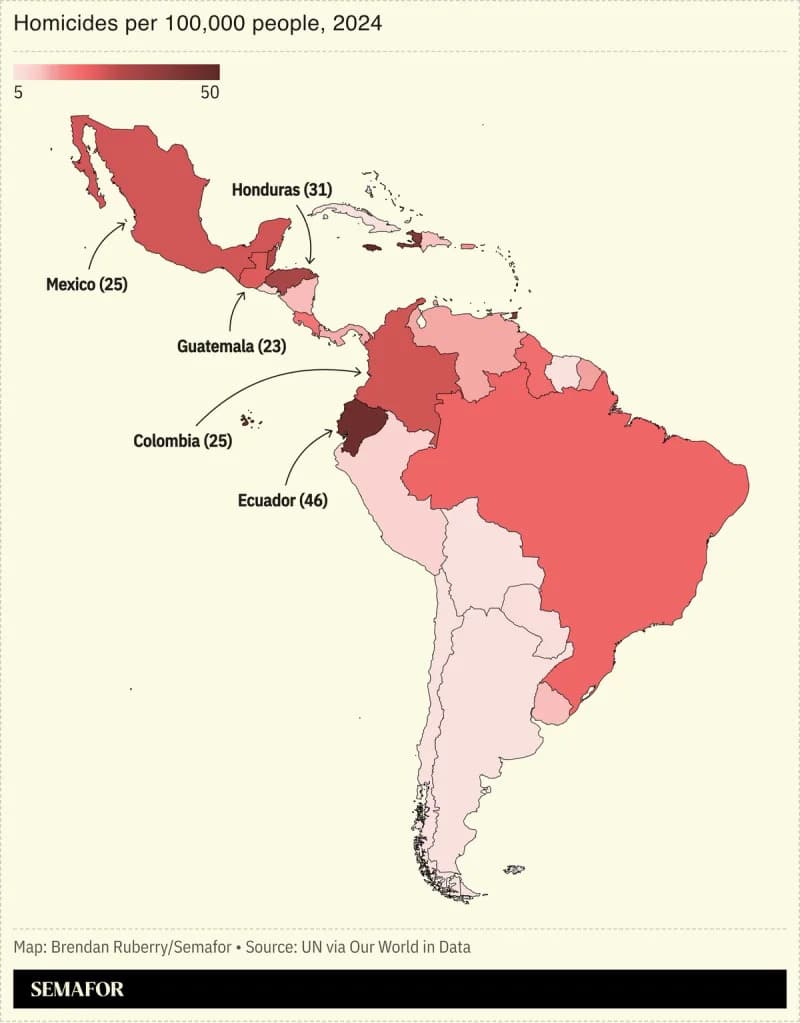
Costa Rica, a Central American nation of about 5.2 million people, has seen a sharp rise in violent crime and homicides. Authorities say the country has shifted from a drug transit corridor into an export and logistics hub with growing influence from Mexican and Colombian cartels. Rising violence has made security the top concern for many voters ahead of the presidential and legislative elections.
Fernandez’s Platform
Fernandez, a former government minister and the candidate of outgoing President Rodrigo Chaves’s conservative party, has vowed tougher measures to tackle organized crime. Her proposals include building a Bukele-style maximum-security prison to hold the most violent offenders, lengthening prison sentences and imposing restrictions on civil liberties in designated conflict zones.
"I will implement tough measures that allow us to remove criminals from circulation and put them where they belong: in prison," Fernandez has said.
Supporters and Critics
Supporters point to the spike in violence and widespread concern about cartel activity as reasons for a stronger security strategy. Critics warn Fernandez’s agenda risks an authoritarian drift. They point to Bukele’s state of emergency in El Salvador, which has permitted arrests without warrants and led to more than 90,000 detentions since March 2022 — a campaign that rights groups say included many innocents and minors and has drawn allegations of mistreatment. About 8,000 of those detained were later released.
Opponents — including leftist candidate Ariel Robles and center-right contender Álvaro Ramos — warn that concentrating power to fight crime can erode democratic checks and the welfare state. Victor Hugo Acuña, a historian at the University of Costa Rica, has cautioned about signs of an "incipient process of authoritarian transition." Analysts also flag risks to Costa Rica’s social protections amid persistent income inequality; about 15.2% of the population currently lives in poverty.
Polls, Stakes and Logistics
Polls place Fernandez well ahead, roughly 30 percentage points in front of her nearest rival, Álvaro Ramos, though about one-third of the country’s 3.7 million eligible voters said they were undecided. If Fernandez wins at least 40% of the vote she would avoid a runoff and secure the presidency in the first round.
Fernandez has served twice under President Chaves, who is barred by law from seeking immediate re-election and is viewed as politically allied with former U.S. President Donald Trump. Under Chaves, Costa Rica accepted 200 migrants deported from the U.S. in 2025 and blocked Chinese firms from operating the nation’s 5G network, citing espionage concerns raised by Washington.
Polling stations open for 12 hours from 6:00 a.m. local time on Sunday, with early results expected within hours.
What To Watch
- Whether Fernandez can secure 40% to avoid a runoff.
- How voters balance immediate security concerns against long-term democratic safeguards.
- Turnout among undecided voters, which could reshape the outcome.
Help us improve.