Russia is using cash bonuses, prison recruitment and promises of expedited citizenship to replenish its forces nearly four years into the war in Ukraine. Activists and foreign officials say migrants have been misled or trafficked into service, while new laws allow recruitment of convicts and criminal suspects. Independent tallies and defense estimates point to heavy Russian casualties, and analysts warn that relying on paid and foreign recruits is costly and raises legal and moral concerns.
Russia Offers Cash, Prison Releases And Fast-Track Citizenship To Replenish Forces In Ukraine
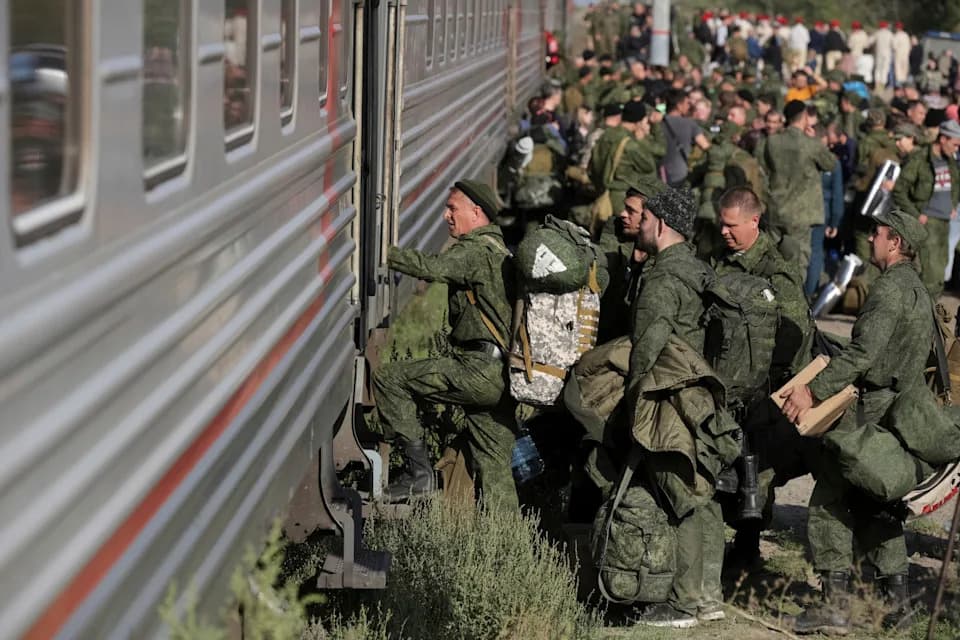
FILE - Russian recruits take a train at a railway station in Prudboi in the Volgograd region of Russia, Sept. 29, 2022. (AP Photo, File)(ASSOCIATED PRESS)
For many ordinary wage earners in Russia, the government's recruitment drive has become a lucrative opportunity. For prisoners hoping to escape harsh detention, it can mean release. For migrants seeking stability, it is being promoted as a fast track to Russian citizenship. In return, recruits are asked to sign contracts to fight in Ukraine.
How Moscow Is Recruiting
As Russia seeks to rebuild its ranks nearly four years into the war and to avoid a politically costly nationwide mobilization, authorities are using a mix of incentives, legal changes and targeted pressure to attract new troops. Officials and media reports say Moscow relies heavily on so-called voluntary enlistment while expanding legal routes for recruitment.
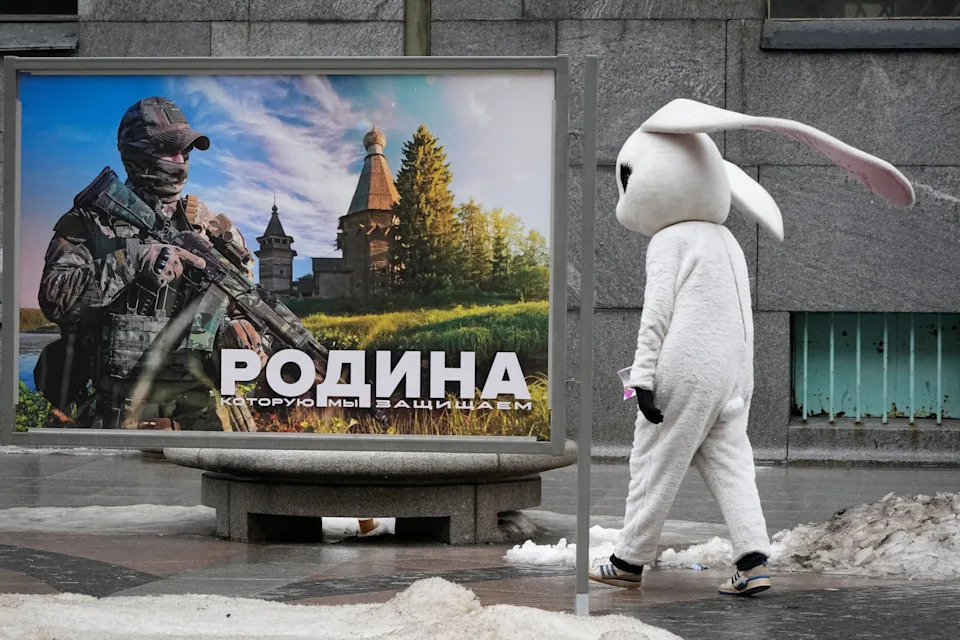
FILE - A street performer walks past a patriotic billboard showing a Russian serviceman and the slogan "The Motherland that we defend" in St. Petersburg, Russia, March 14, 2023. (AP Photo, File)(ASSOCIATED PRESS)
Voluntary Contracts and Legal Changes
After a limited mobilization in 2022, the Kremlin made changes that effectively extended many military contracts and restricted discharges except for age or severe injury. Authorities say hundreds of thousands of people have signed contracts since then; President Vladimir Putin repeated a figure of about 700,000 Russian personnel deployed in Ukraine at his recent annual news conference, a number analysts say cannot be independently verified.
Incentives And Reported Pressure
The state and regional governments have offered high pay, bonuses and other perks to entice recruits. Regional packages can be substantial: local officials in Khanty-Mansi reported combined enlistment bonuses equivalent to roughly $50,000—more than twice average annual regional earnings where monthly wages were about $1,600 in the first 10 months of 2025. Additional benefits reportedly include tax breaks and debt relief.
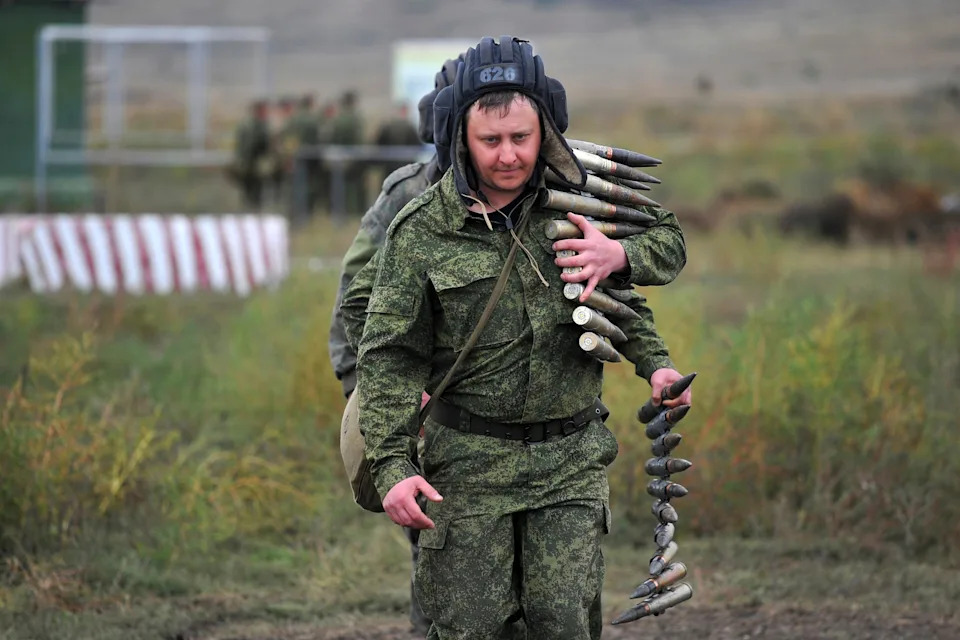
FILE- Recruits carry ammunition during training at a firing range in the Rostov-on-Don region of southern Russia, Tuesday, Oct. 4, 2022. (AP Photo, File)(ASSOCIATED PRESS)
Human rights groups and media investigations say some conscripts and young men who should be exempt from deployment are pressured by superiors to sign contracts, believing they are agreeing to fixed short terms that later get extended.
Recruiting Prisoners And Detainees
Recruitment has reached prisons and pretrial detention centers. The practice was pioneered early in the war by the late mercenary commander Yevgeny Prigozhin and later incorporated by the Defense Ministry. New laws now allow authorities to recruit convicts and suspects in criminal cases, raising serious legal and ethical concerns.
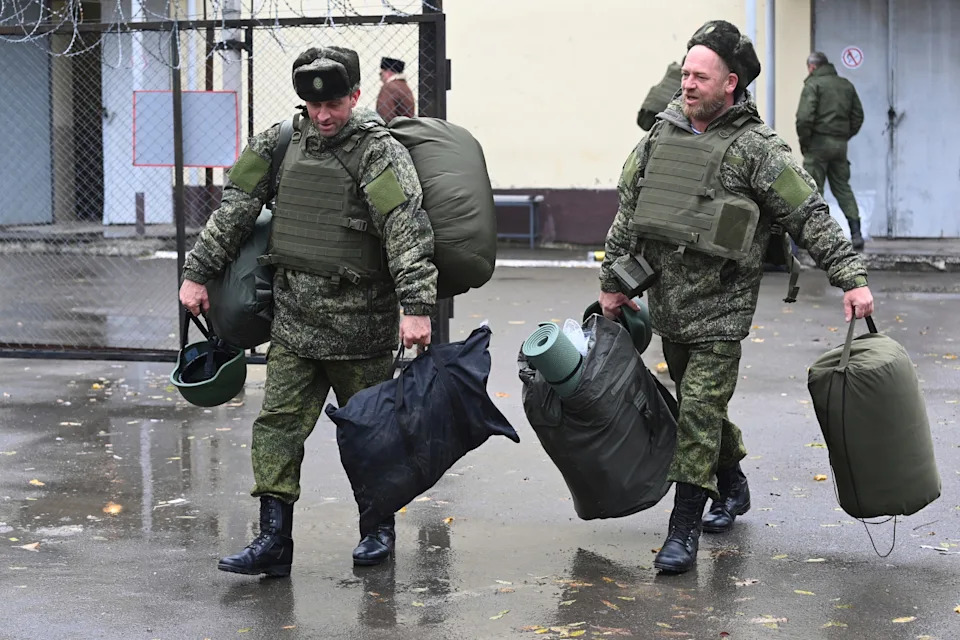
FILE - Recruits carry their gear at a military recruitment center in Rostov-on-Don, Russia, Oct. 31, 2022. (AP Photo, File)(ASSOCIATED PRESS)
Targeting Foreign Nationals
Foreign nationals living in Russia and citizens abroad have also been targeted. Laws offering accelerated citizenship to recruits and a November decree making military service mandatory for certain foreigners applying for permanent residency have been reported. Activists and foreign officials say some migrants were lured by trafficking networks with false job offers and then pressured or forced into military service.
Countries including Nepal, India, Iraq and Cuba have reported cases of their citizens being deceived or trafficked into joining Russian forces. Nepal has banned travel to Russia and Ukraine for work amid such recruitment concerns. India and Iraq have investigated and prosecuted networks accused of luring nationals to Russia under false pretenses.
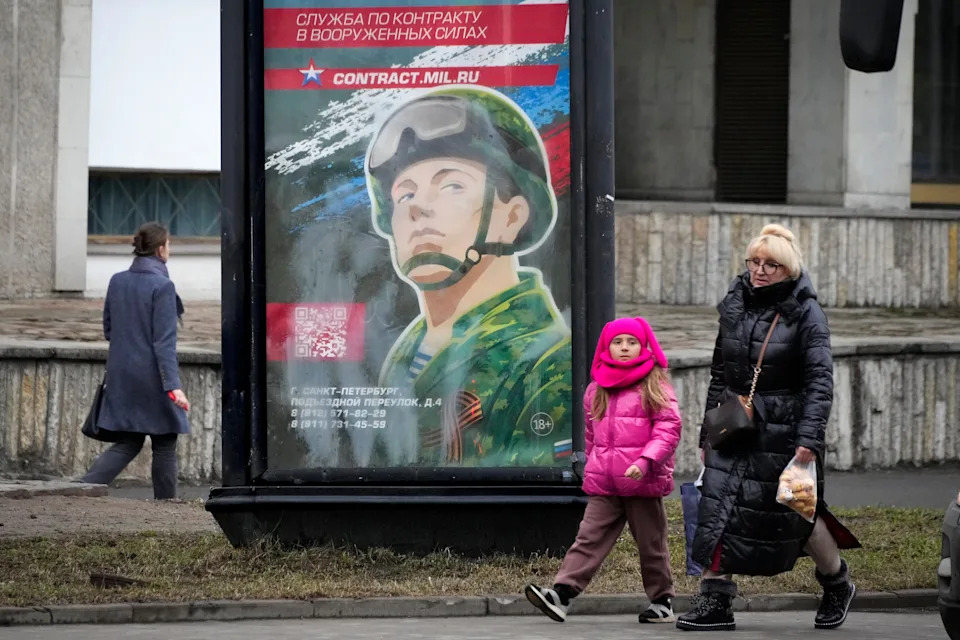
FILE - People walk past an army recruiting billboard with the words "Military service under contract in the armed forces," in St. Petersburg, Russia, March 24, 2023. (AP Photo, File)(ASSOCIATED PRESS)
Casualties, Independent Counts And Foreign Fighters
Moscow has released limited official casualty data. The British Defense Ministry has estimated that more than 1 million Russian personnel may have been killed or wounded since the invasion began—an estimate that underscores the scale of the conflict. Independent efforts, including a collaboration between Mediazona, the BBC and volunteers, compiled names and recorded more than 160,000 Russian troops confirmed killed, including over 550 foreign nationals from more than two dozen countries.
A Ukrainian agency tracking foreign combatants reported that more than 18,000 foreign nationals had fought or are fighting for Russia, with roughly 3,400 reported killed and hundreds held as prisoners of war—numbers that, if accurate, still represent a minority of the overall forces Moscow says are deployed.
Costs And Implications
Analysts say these recruitment measures—paying high bonuses, offering citizenship and recruiting from prisons or abroad—are costly and carry legal and moral risks. Observers note the Kremlin has become more creative in attracting recruits, but the strategies may strain a slowing economy and complicate Russia's international relations.
Sources: Associated Press reporting; Mediazona; BBC; British Ministry of Defence; statements by national officials and human rights groups.
Help us improve.