The capture, detention and treatment of Israeli and Palestinian detainees has been a central, polarising element in ceasefire talks since the October 7, 2023 attacks. Hundreds were taken captive and thousands of Palestinians have been detained amid repeated allegations of torture, sexual assault and other abuses. Several negotiated exchanges freed dozens of captives and hundreds of detainees, but ceasefires repeatedly broke down and hostilities resumed, keeping the fate of captives and remains a volatile international concern.
Timeline: Israeli and Palestinian Captives — Key Events, Exchanges, and Allegations of Abuse
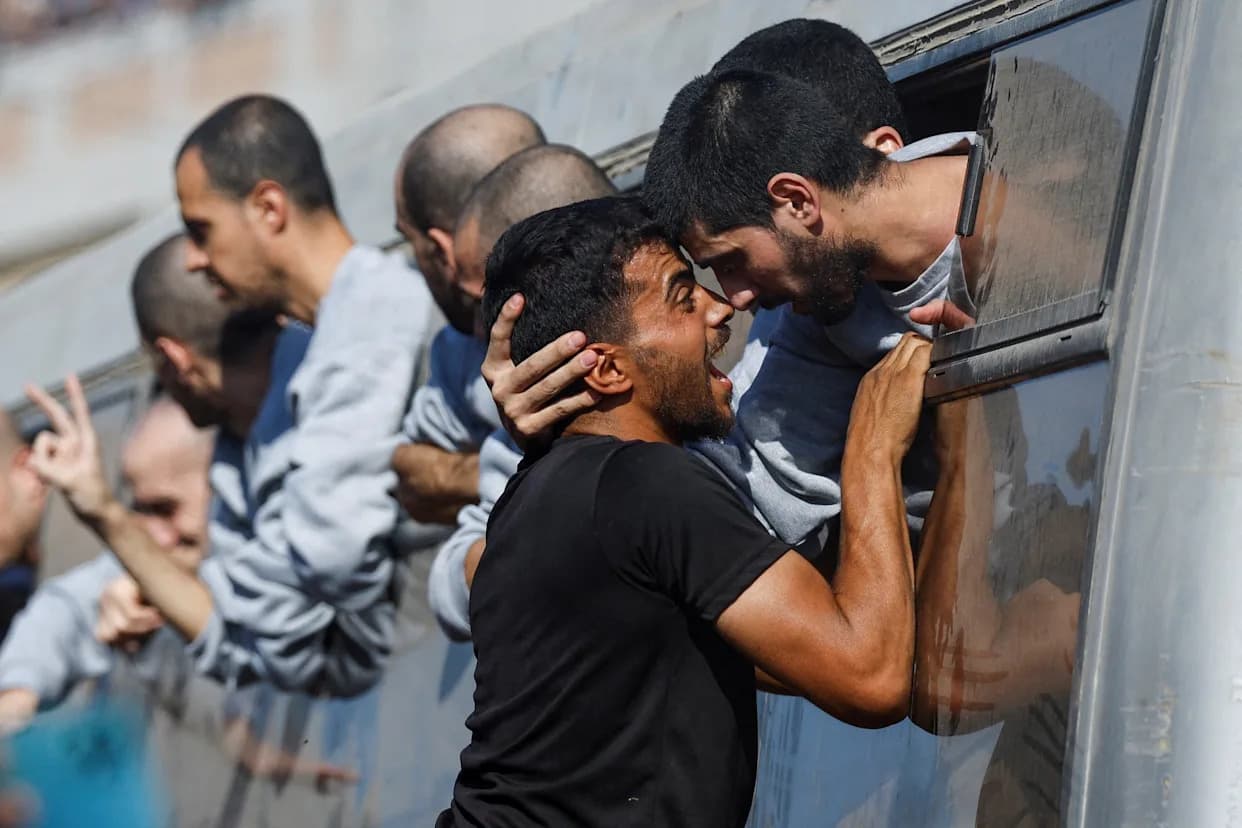
A man greets a freed Palestinian prisoner released by Israel as part of a captive-prisoners swap and a ceasefire deal between Hamas and Israel, in Khan Younis in the southern Gaza Strip, October 13, 2025 [Mahmoud Issa/Reuters]
Israeli officials say there are no longer any captives remaining in Gaza after they received the remains of police officer Ran Gvili, a development that fulfilled a major element of a ceasefire arrangement between Israel and Hamas. The capture, detention and treatment of Israeli and Palestinian detainees have been central — and deeply polarising — topics throughout the conflict that began with the October 7, 2023 attacks.
Hundreds of people were taken captive during those attacks, and large numbers of Palestinians have since been detained by Israeli forces. International organisations and rights groups have documented alleged abuses and deaths in detention on both sides, and repeated prisoner-exchange negotiations and ceasefires have at times secured releases — only for hostilities to resume.
Timeline of Key Developments
October 2023
Palestinian fighters launched coordinated attacks across southern Israel on October 7, 2023, killing about 1,200 people — most of them civilians — and taking 251 Israeli and foreign captives, according to Israeli figures. In the weeks that followed, Hamas released two Israeli‑American captives and two elderly captives, and Israeli forces recovered an Israeli soldier who had been taken during the assault.
November (Year Following)
An agreement between Israel and Hamas produced the largest release of captives until the later 2025 ceasefire deal: 81 Israeli women and children and 24 foreign captives were freed. The deal also allowed a modest increase in humanitarian aid into Gaza and resulted in Israel releasing around 240 Palestinian women and teenage detainees and prisoners, many reportedly held without formal charges.
December
During operations in Gaza, Israeli forces were reported to have shot and killed three Israeli captives who were allegedly holding a white flag and attempting to be rescued. The incident raised questions about the rules governing use of force by troops operating in the territory.
February
Israeli forces recovered two captives during a raid in southern Gaza amid intensified public pressure in Israel for negotiated deals to bring remaining captives home.
June
A raid by Israeli forces in the Nuseirat neighbourhood of central Gaza, intended to recover four captives, was accompanied by heavy bombardment. Rights groups and local sources reported at least 274 Palestinian deaths in the wider operation.
July
The Office of the United Nations High Commissioner for Human Rights (OHCHR) reported that Israel was holding about 9,400 Palestinians as "security detainees," often without providing reasons for detention. The report and other rights bodies documented allegations of widespread mistreatment in detention, including torture and sexual assault.
August
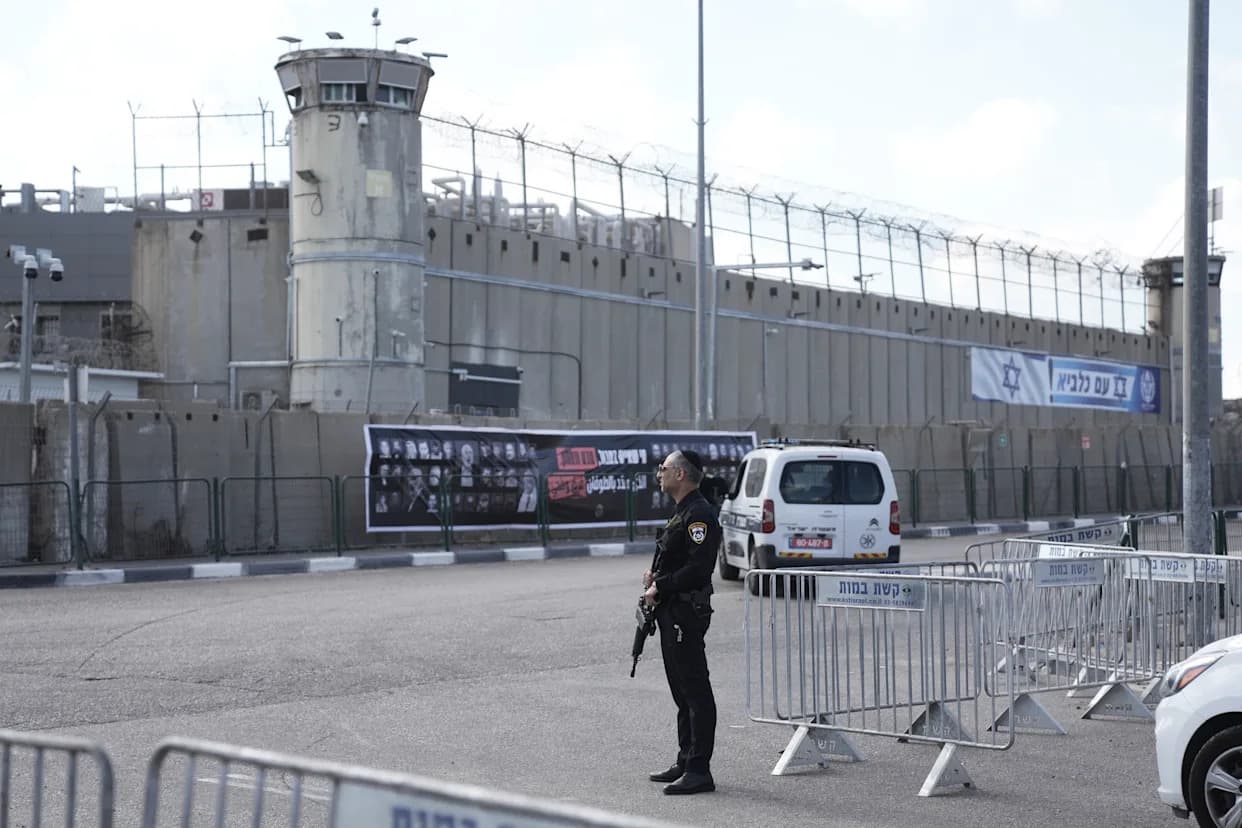
The discovery of six dead Israeli captives in a Hamas tunnel in southern Gaza heightened pressure on Israeli leaders to secure the release of remaining captives. Separately, a video emerged allegedly showing several Israeli security personnel committing sexual assault against a Palestinian detainee at the Sde Teiman detention facility — a site the media and rights organisations had previously linked to reports of abuse.
December (Later)
U.S. President‑elect Donald Trump warned there would be "hell to pay" if remaining captives were not released before his inauguration on 20 January 2025. Israeli forces detained Dr. Hussam Abu Safia, director of Kamal Adwan Hospital; his lawyers later said he was tortured in custody, allegations that drew international concern while he remained detained without charge.
January
A ceasefire deal produced the release of 33 Israeli captives — 25 alive and eight dead — and the freeing of hundreds of Palestinians from Israeli prisons. The agreement envisaged a second negotiation phase to secure the release of remaining captives and an Israeli withdrawal from Gaza, but Israeli leaders later suspended the deal and military operations resumed. Hamas also released five Thai workers who had been taken captive on October 7, 2023.
February (Following)
After a delay, Israel released 600 Palestinian detainees. Hamas released several Israeli captives, including Israeli‑American Keith Siegel, Israeli‑French Ofer Calderon and Yarden Bibas, and returned the bodies of Ariel and Kfir Bibas — aged four years and nine months when kidnapped — along with their mother, Shiri Bibas, and an elderly man, Oded Lifshitz. The handling of those remains provoked outrage and condemnation from Israeli authorities and international bodies.
March
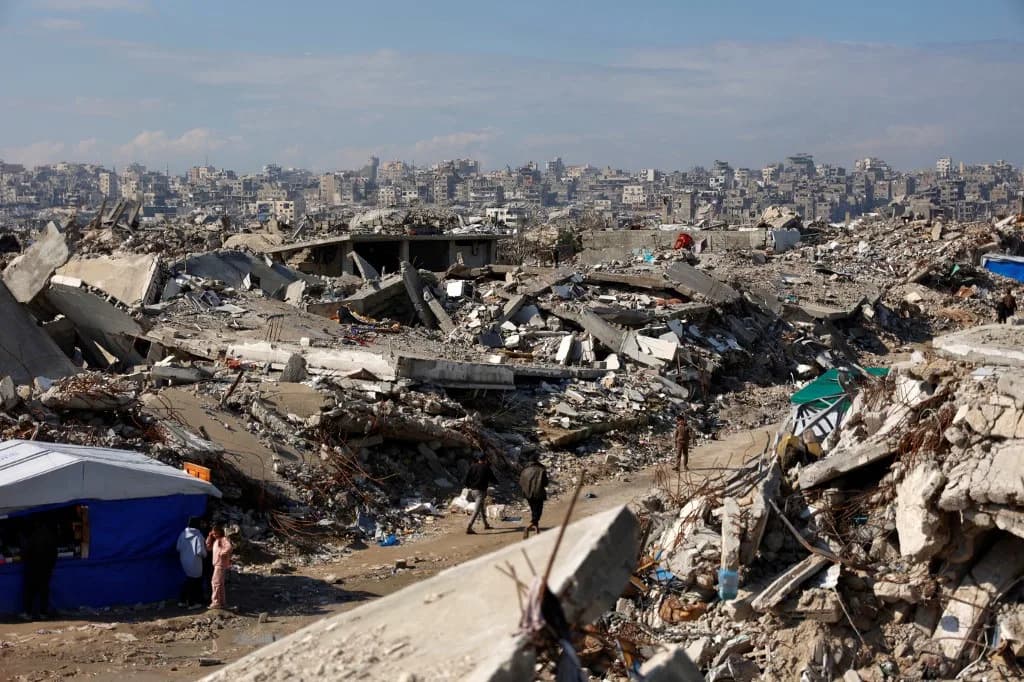
Israel broke the ceasefire and resumed major offensive operations across Gaza; reports indicated at least 404 Palestinian deaths on the first day, many of them children, according to local health authorities and observers.
May
Hamas handed over Israeli‑American Edan Alexander, identified as the last surviving U.S. captive reported to be held in Gaza at that time.
October (Later)
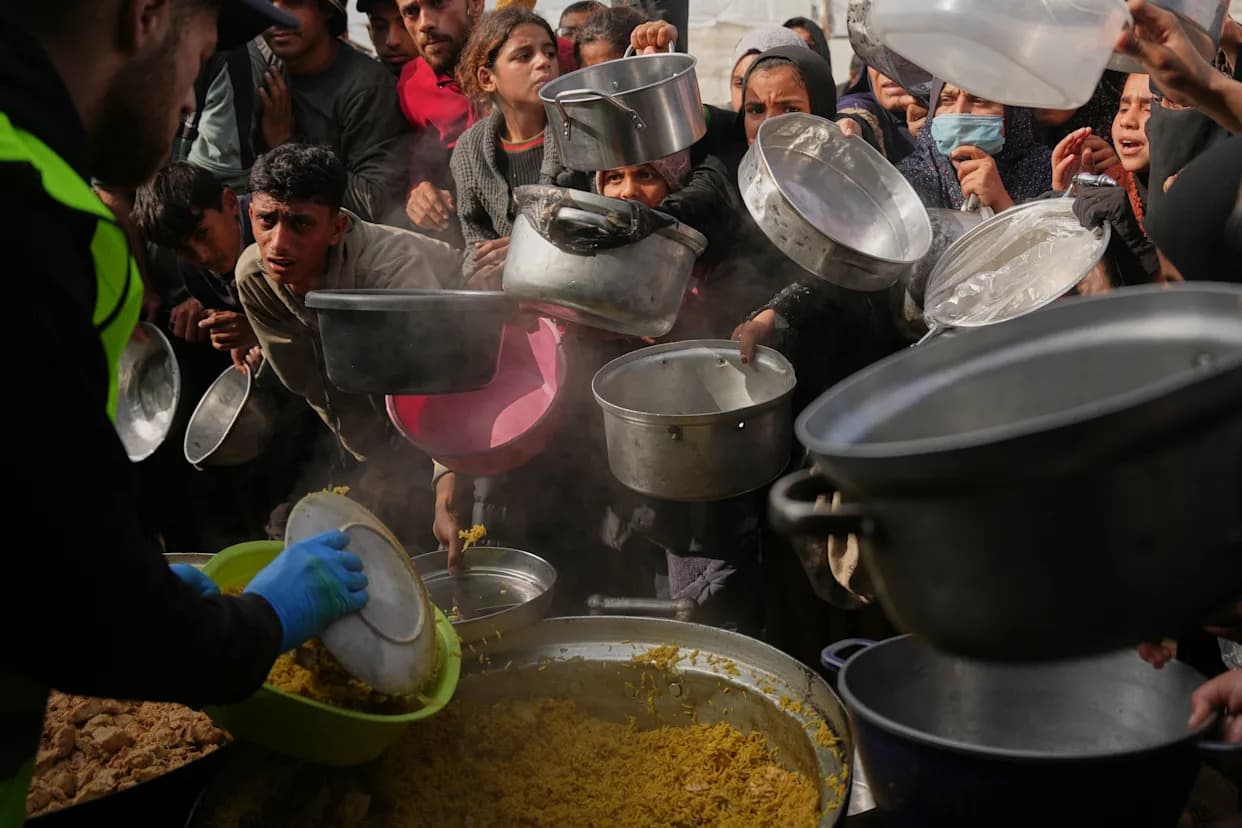
A subsequent ceasefire agreement between Hamas and Israel sought to secure the remaining captives and the return of bodies held in Gaza, alongside releases of Palestinian detainees held by Israel. Israel released the bodies of more than 100 deceased Palestinians, many unidentified and some reportedly showing signs of abuse, while operations and restrictions on humanitarian aid continued in parts of Gaza.
November
Physicians for Human Rights–Israel (PHRI) published a report alleging that at least 94 Palestinians had died in Israeli detention from causes including torture, medical neglect, malnutrition and assault; the organisation noted the true toll may be higher.
January (Most Recent)
Central Gaza's Al‑Aqsa Martyrs Hospital reported receiving nine living Palestinian detainees released by Israel, shortly after the military said it had recovered the body of the last captive held in the Palestinian territory. The return and treatment of captives and remains remain a highly contested and emotional issue on both sides.
Note: Many figures and allegations in this timeline are based on reporting from governments, local authorities, international organisations and human rights groups. Where possible the wording reflects that some claims are reported or alleged rather than independently verified.
Help us improve.