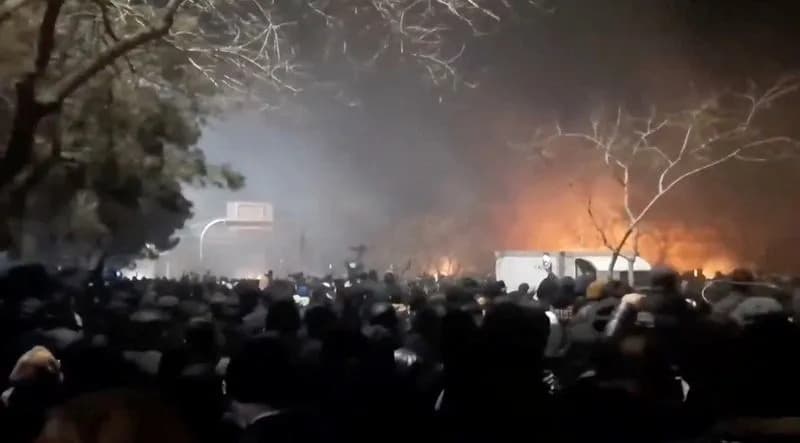
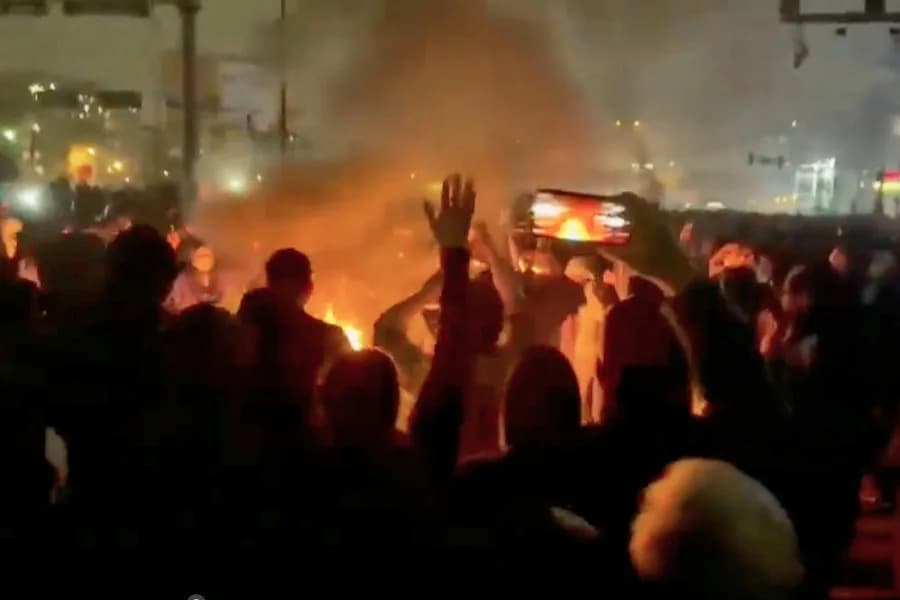
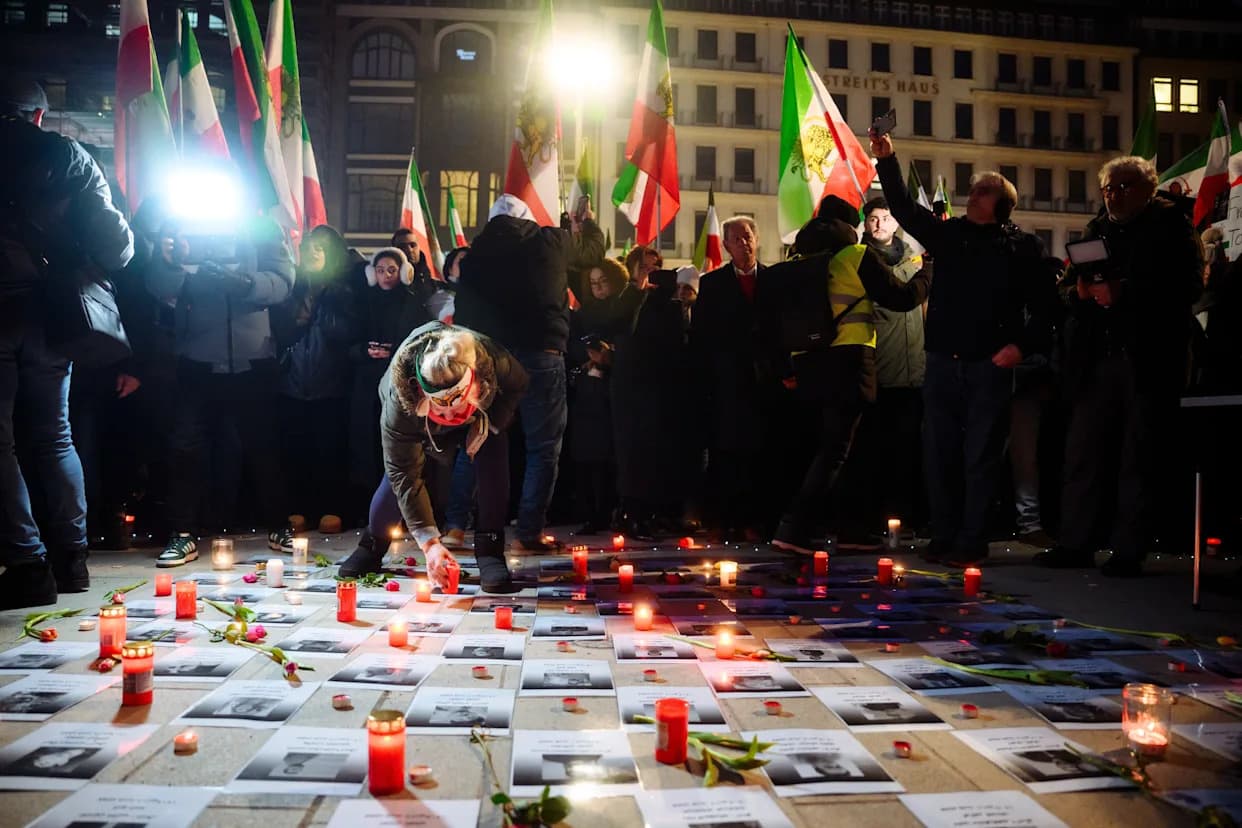
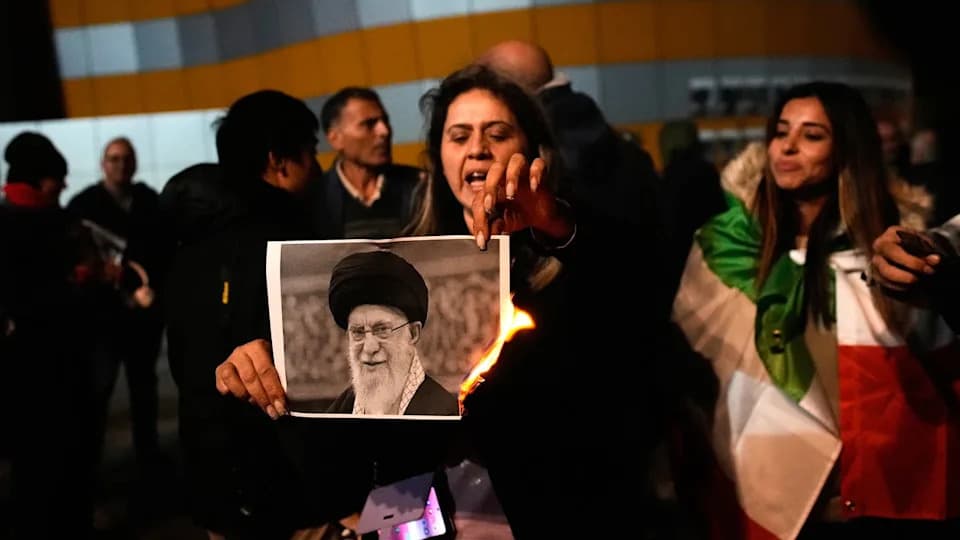
Activists report at least 6,126 deaths in Iran’s nationwide crackdown, with a U.S.-based rights group saying 5,777 of the dead were protesters and more than 41,800 arrests recorded. Iran’s government disputes the toll, giving a lower figure of 3,117 and labeling some victims "terrorists." A U.S. aircraft carrier group has deployed to the region as two Iranian-backed militias signal possible new attacks. A prolonged internet blackout has hindered independent verification of the casualties.
Activists: At Least 6,126 Killed in Iran Crackdown as U.S. Carrier Group Deploys to Region
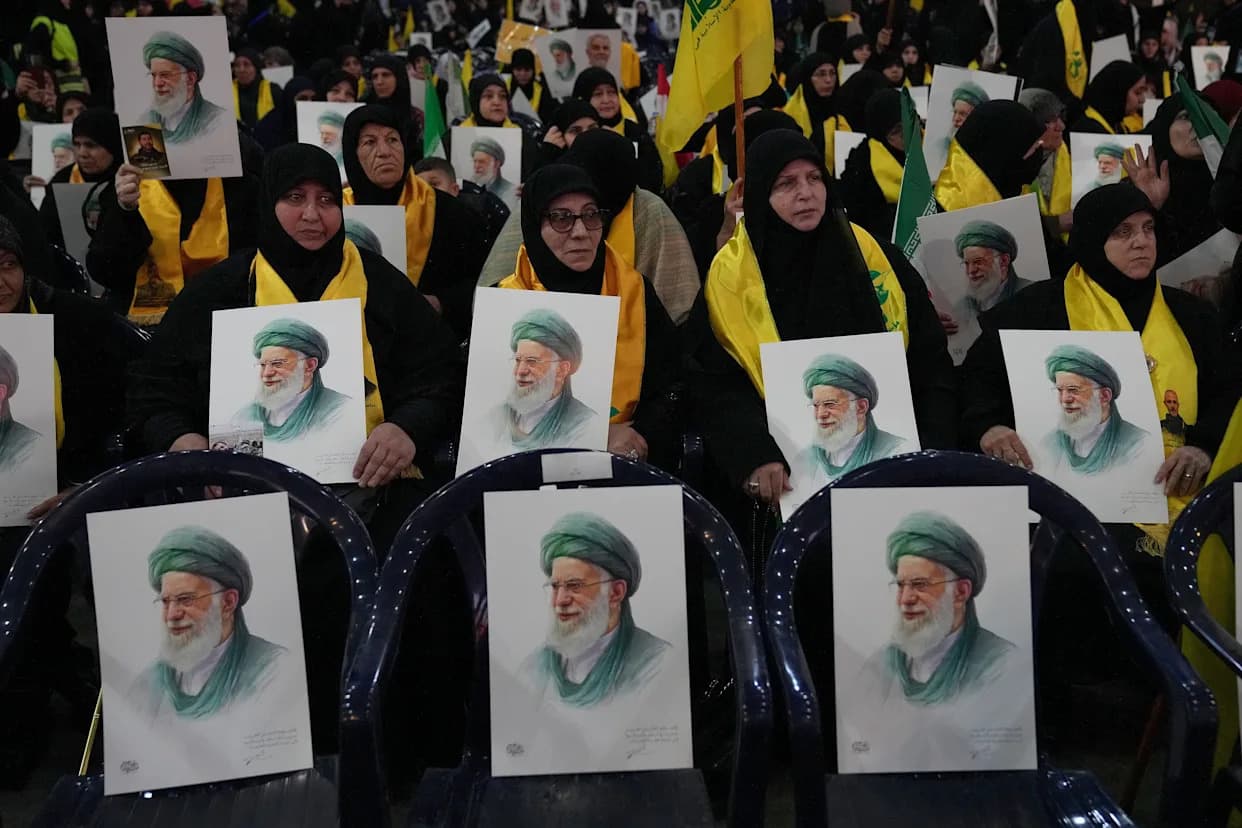
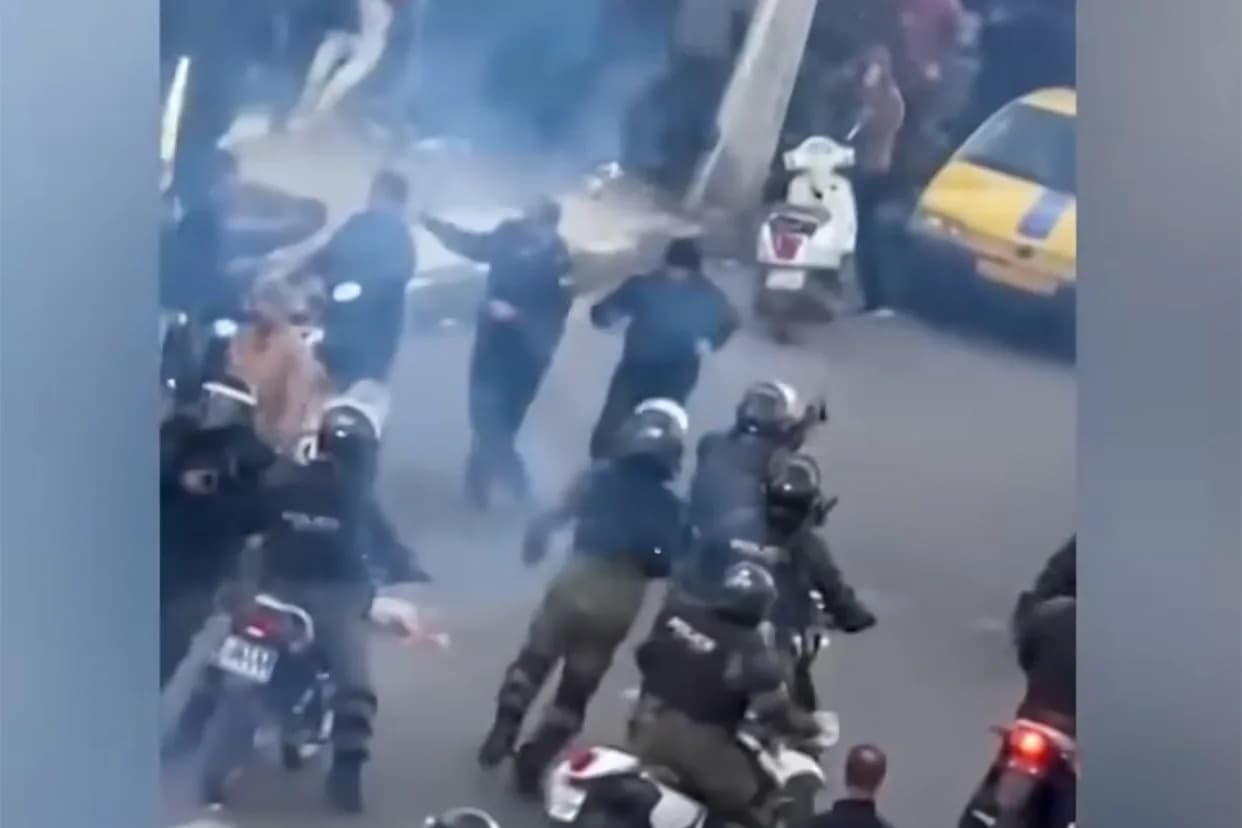
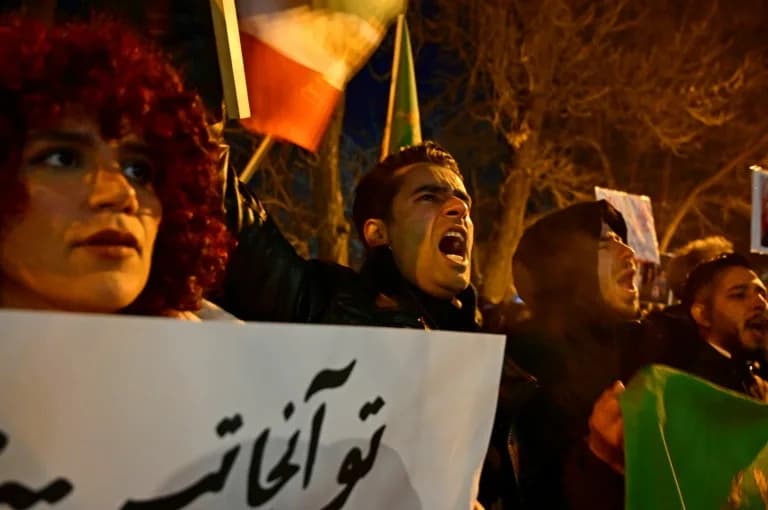
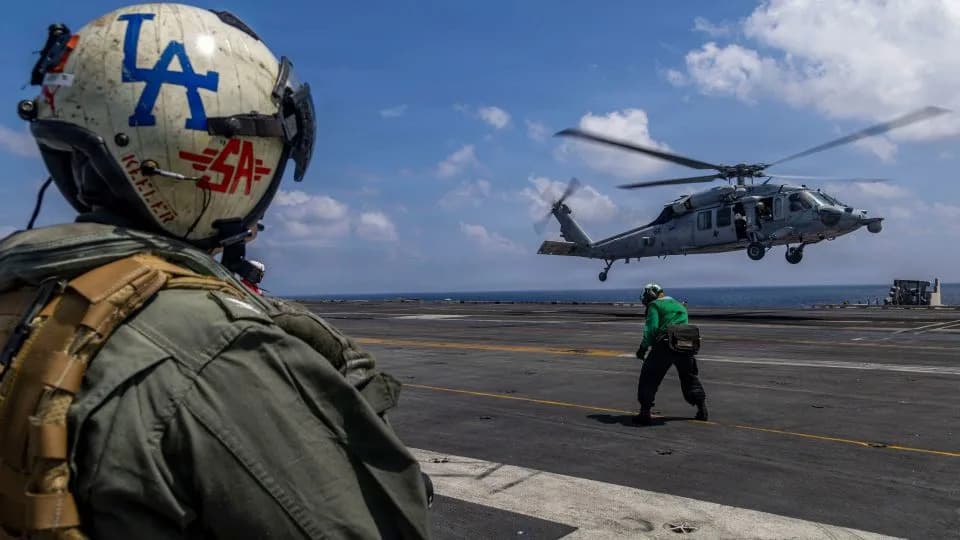
DUBAI, United Arab Emirates — Activists on Tuesday said at least 6,126 people have been killed in Iran’s sweeping crackdown on nationwide protests, and many more are feared dead. The report coincides with the arrival of a U.S. aircraft carrier group in the Middle East, positioned in case Washington needs to respond to escalating tensions.
Casualty Figures and Sources
The toll comes from the U.S.-based Human Rights Activists News Agency (HRANA), which says it verifies each reported death using a network of activists inside Iran. HRANA’s breakdown lists at least 5,777 protesters among the dead, 214 government-affiliated forces, 86 children and 49 non-protesting civilians. The group also reported more than 41,800 arrests linked to the demonstrations.
Iran’s government has published a much lower figure, saying 3,117 people died — including 2,427 it described as civilians and security personnel — and labeling the remainder as “terrorists.” Independent verification of casualties has been severely hampered by extensive internet shutdowns and disrupted communications imposed by Iranian authorities.
Regional Fallout and Security Concerns
The protest wave has amplified regional tensions. Two Iranian-backed militias in the Middle East have signaled a willingness to carry out new attacks, moves that appear intended to show solidarity with Tehran amid threats of foreign intervention. Meanwhile, Iran has warned it could draw the wider region into conflict as military and air-defense systems continue to recover from recent hostilities involving Israel.
The reluctance of some allied groups — including the Houthis and Kataib Hezbollah — to fully engage in earlier confrontations underscores strains within Iran’s self-described “Axis of Resistance,” according to analysts and regional reporting.
Historical Context and Communications Blackout
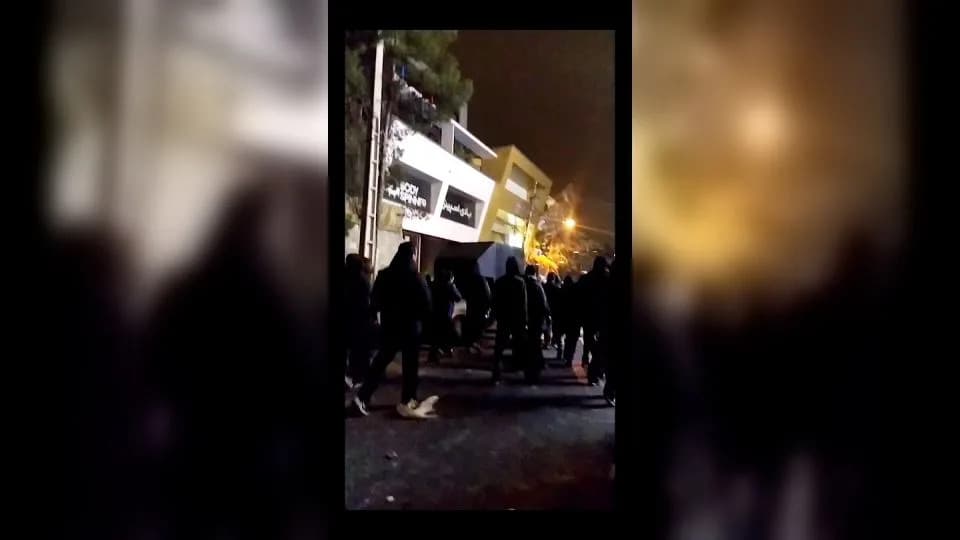
If the activists’ toll is accurate, this would be the deadliest wave of unrest in Iran in decades and evokes memories of the turmoil surrounding the 1979 Islamic Revolution. The demonstrations began on Dec. 28 after a sharp fall in the value of the rial and swiftly spread nationwide. The government’s forceful response has been followed by what activists describe as the most comprehensive internet blackout in Iran’s history, making independent verification and reporting extremely difficult.
Note: Casualty figures differ significantly between activist groups and Iranian authorities. The Associated Press and other independent outlets report they were unable to fully confirm the numbers because of restricted communications into the country.
Help us improve.