Researchers report that tropical storms can lift ocean microplastics into the atmosphere and deposit them on land, producing short-lived but distinct pollution pulses at landfall. The study in Environmental Science & Technology used chemical analysis and storm-tracking to link deposited particles to ocean sources. Authors warn this connects plastic pollution with climate-driven storm intensification and recommend coastal cleanup and further research to assess health risks.
Typhoons Deliver an Invisible Threat: Study Finds Ocean Microplastics Blown Ashore
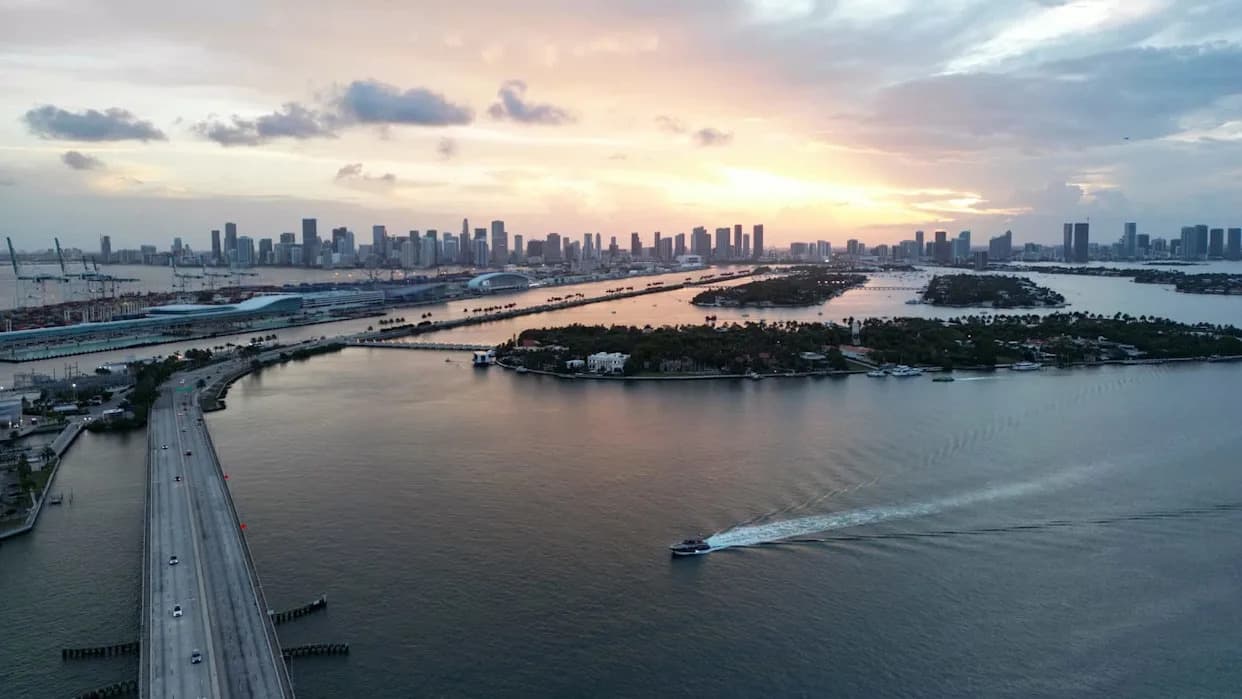
Photo Credit: iStock
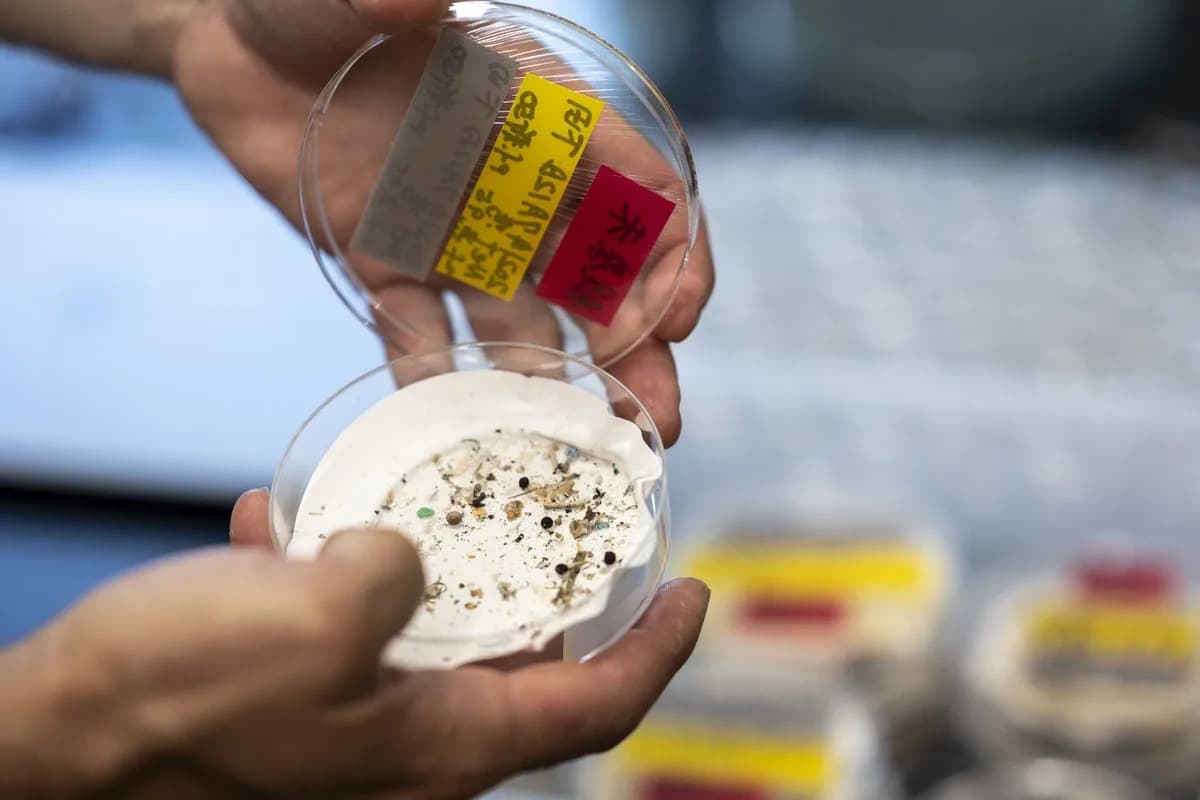
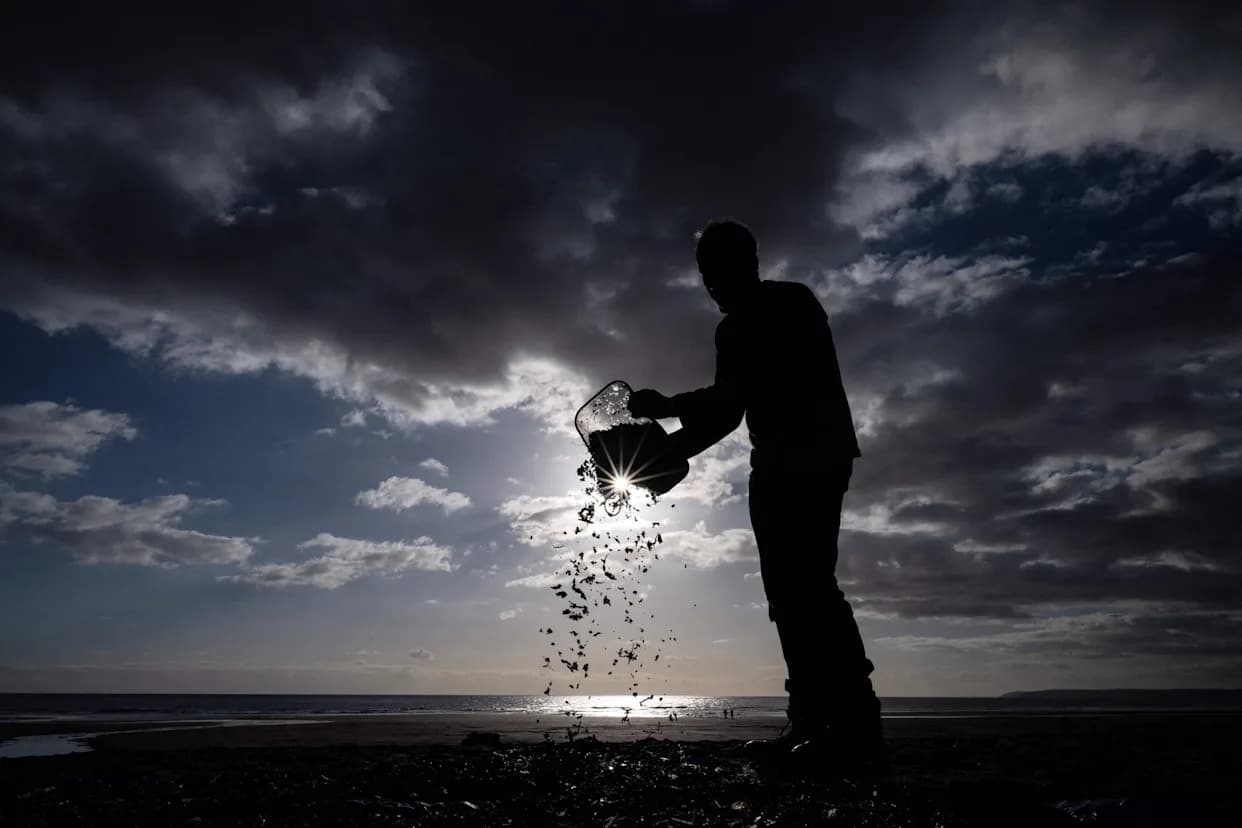
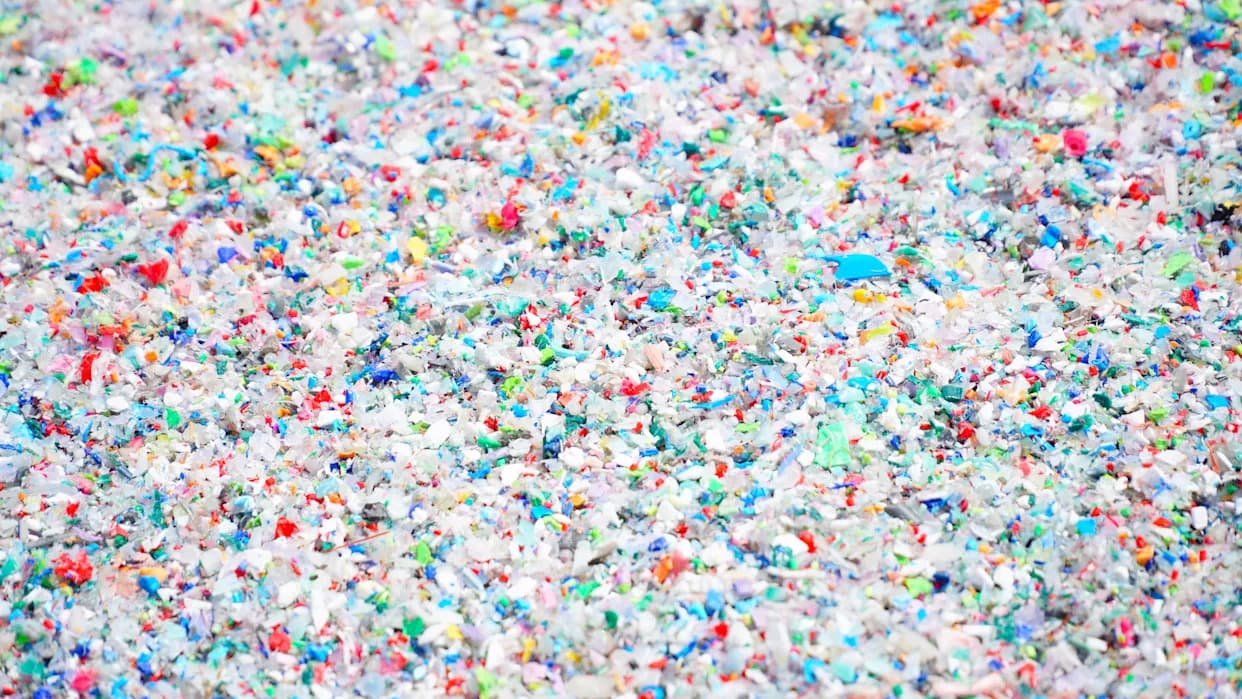
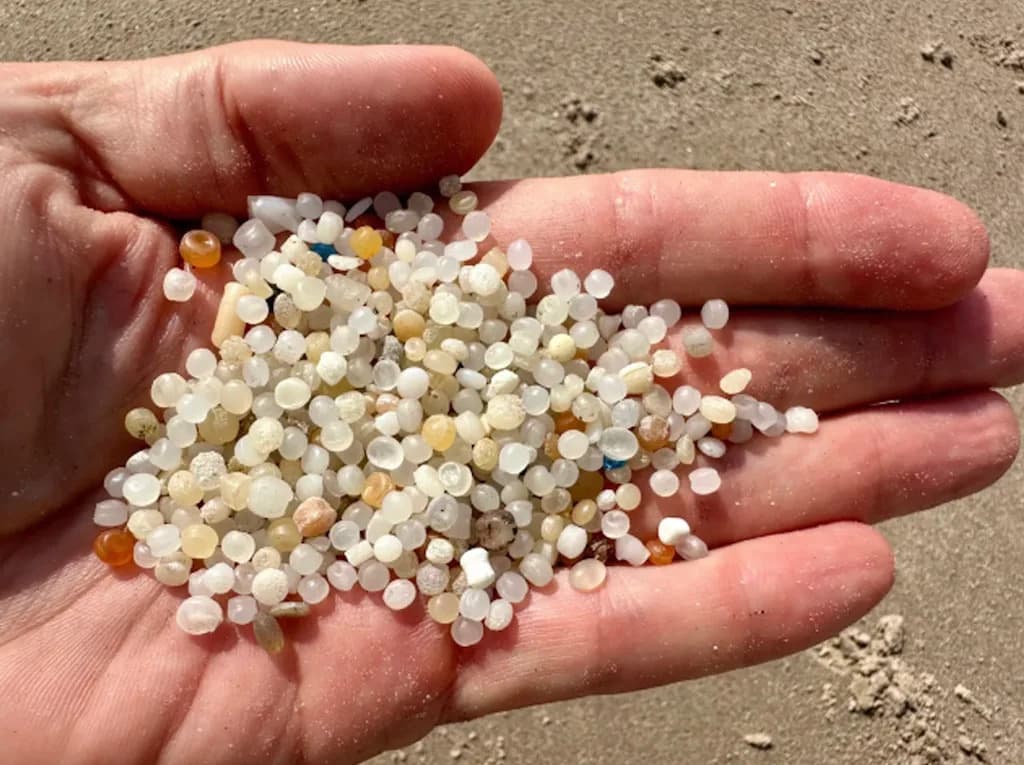
New research shows that tropical storms—including typhoons, hurricanes and cyclones—can lift microplastics from the ocean and deposit them on land, creating short-lived but potentially harmful plumes of airborne plastic during landfall.
What The Study Found
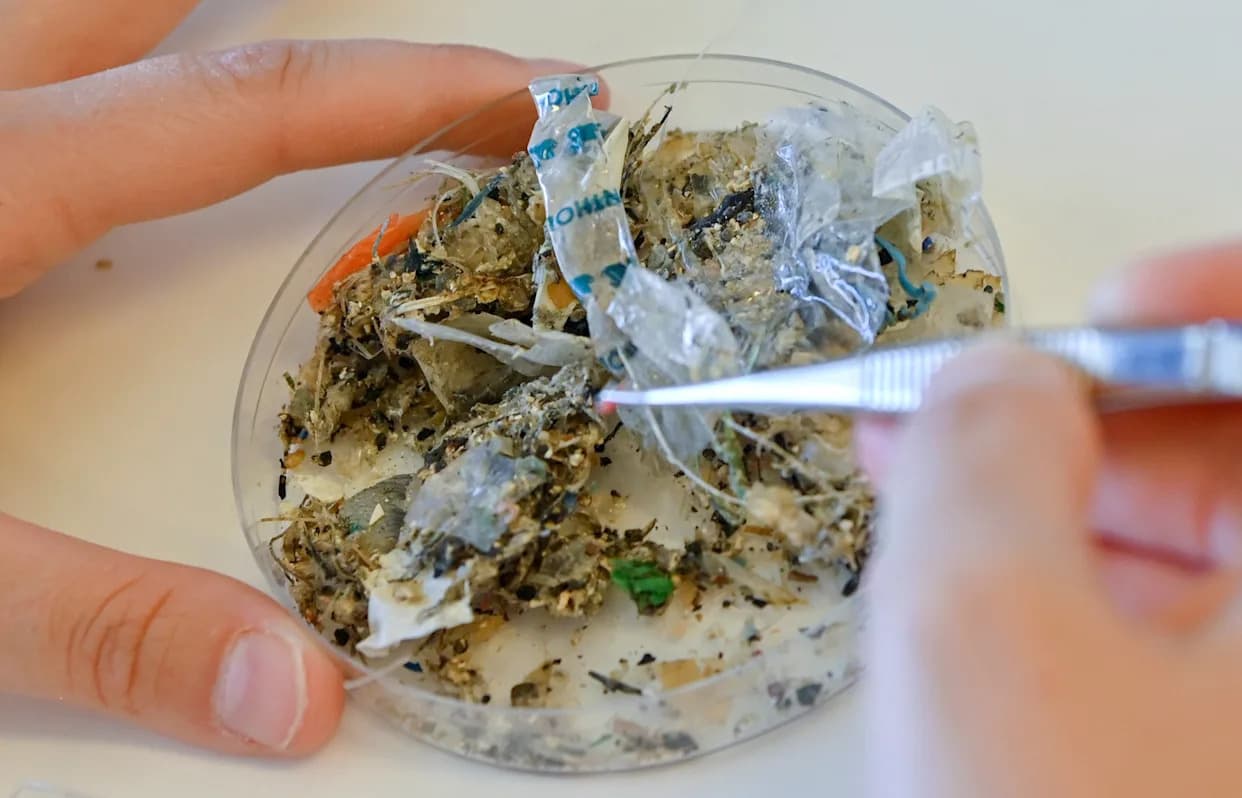
The study, published in Environmental Science & Technology, tracked microplastic deposition before, during and after several intense tropical storms. By combining chemical fingerprinting of particles with storm trajectory data, the authors identified a clear pattern: concentrations of microplastic deposition rose sharply as storms made landfall and fell again after they passed.
“The data showed an unambiguous, transient pulse of pollution generated by the storm itself,” said lead author Taiseer Hussain Nafea, according to Phys.org. “The storms were actively transferring ocean-sourced microplastics into the atmosphere and depositing them on land.”
Why This Matters
The researchers argue this finding links two major global problems—plastic pollution and climate change—because stronger storms driven by warming oceans can mobilize and redistribute plastics. News outlets and scientific agencies cited by the study note that warming global temperatures are contributing to more intense tropical storms, which in turn could increase these transport events.
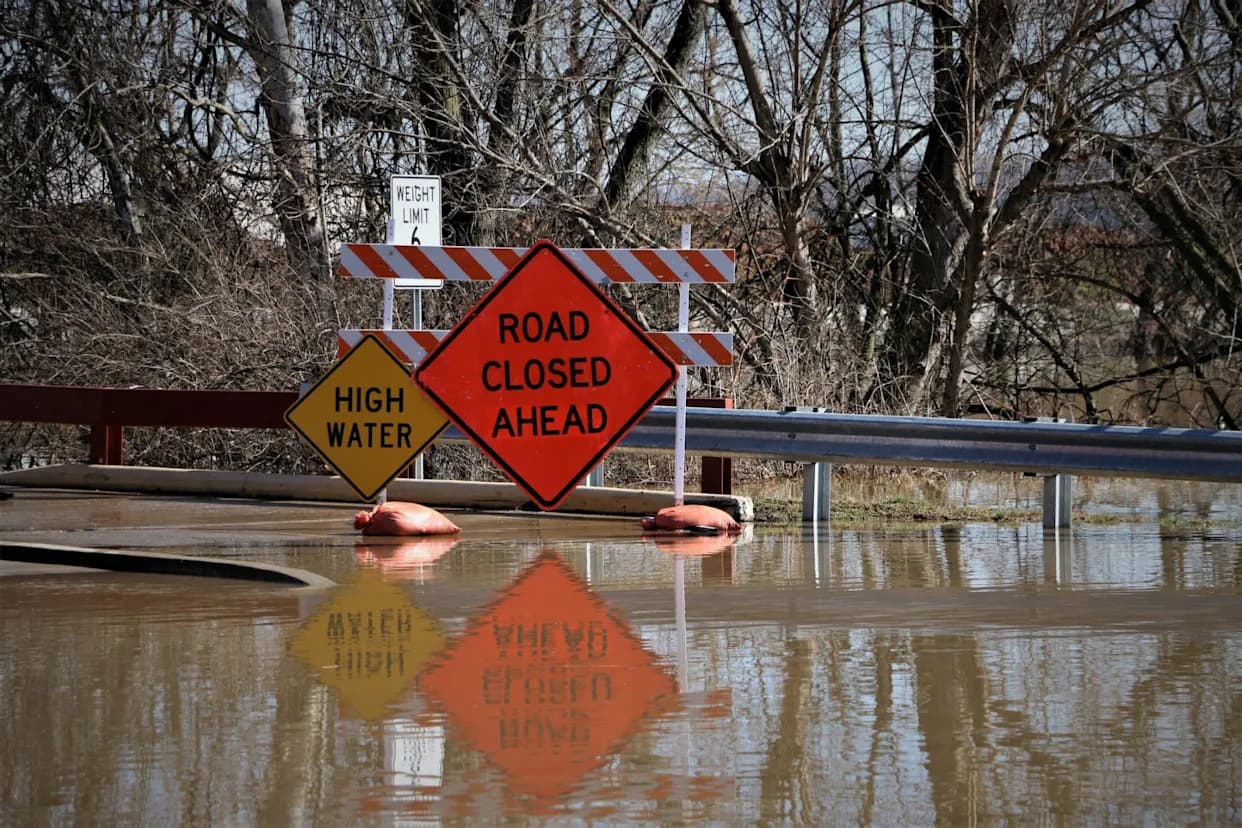
The National Oceanic and Atmospheric Administration (NOAA) warns that typhoons already place “millions of people at risk” through extreme winds and flooding; the study adds an additional, less visible hazard: inhalable or depositional microplastic particles affecting coastal populations and infrastructure.
Health, Environment and Response
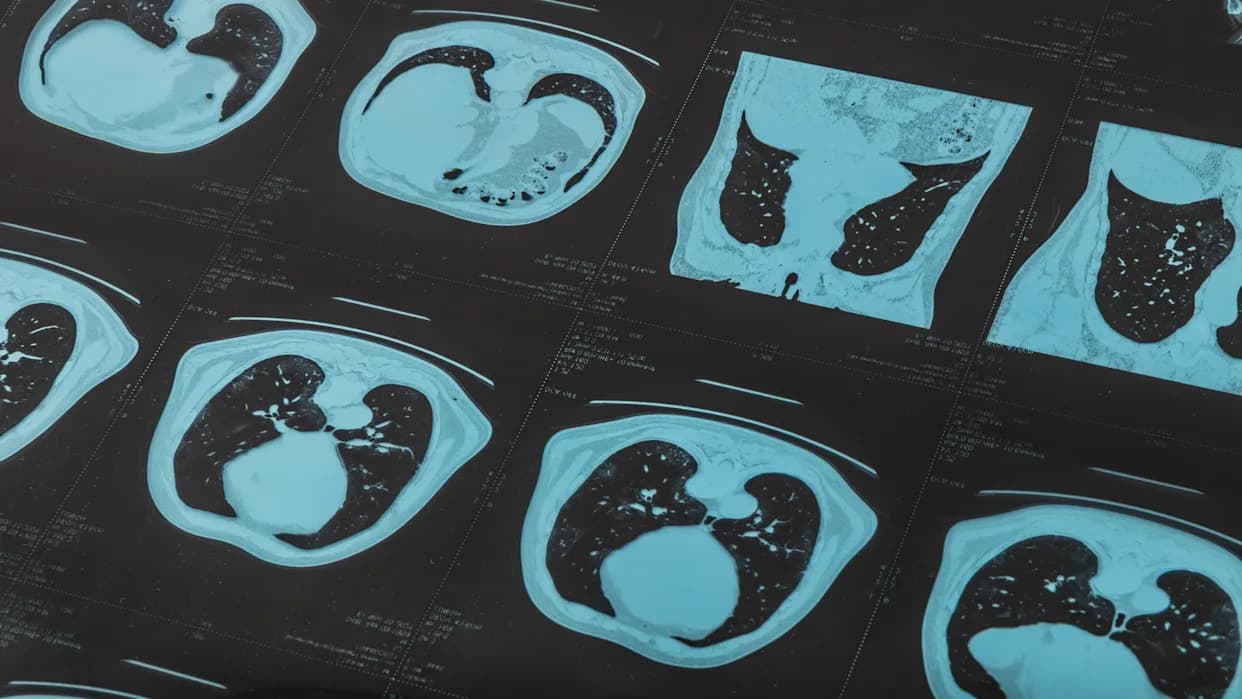
Microplastics—tiny fragments of plastic found from the deep ocean to human tissues—have uncertain but growing evidence of health impacts. Some studies have suggested links to liver and neurological issues, though the science is still emerging and more research is needed to determine exposure levels and direct health outcomes from airborne or deposited microplastics.
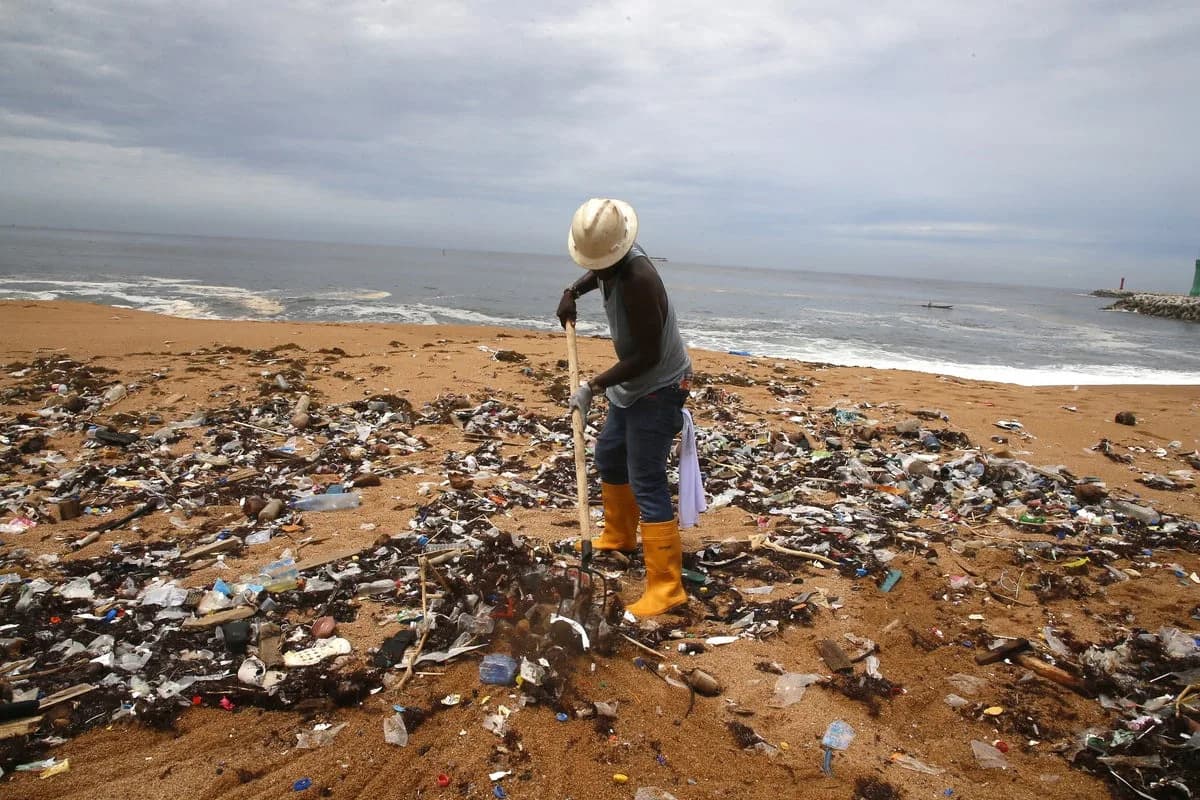
The authors and commentators call for shoreline and river cleanup to be integrated into climate adaptation and public-health strategies. “Cleaning plastic from coasts and rivers is no longer just an environmental act; it’s a critical step in climate adaptation and public health defense,” Nafea said, describing cleanup as a way to help reduce the material that storms can aerosolize.
Scale And Solutions
The World Economic Forum estimates there are between 75 million and 199 million metric tons of plastic in the world’s oceans, highlighting the magnitude of material that could be mobilized. Organizations such as The Ocean Cleanup and the Ocean Legacy Foundation focus on removing plastics from marine environments, while separate research explores removing microplastics from drinking water and whether interventions such as probiotics might mitigate some associated toxins—though those avenues remain experimental.
Limitations: The study demonstrates transport events and deposition pulses, but it does not yet quantify direct human exposure risks from airborne microplastics during storms or establish causal links to specific health outcomes. The authors call for targeted air-sampling during storms, long-term health studies, and broader monitoring to better assess risks and inform policy.
Bottom Line: Stronger tropical storms appear to create transient but significant pulses of microplastic pollution over coastal areas. Reducing plastic inputs to rivers and coastlines, expanding monitoring during storm events, and investing in both cleanup and public-health research are practical steps to reduce this newly identified risk.
Help us improve.